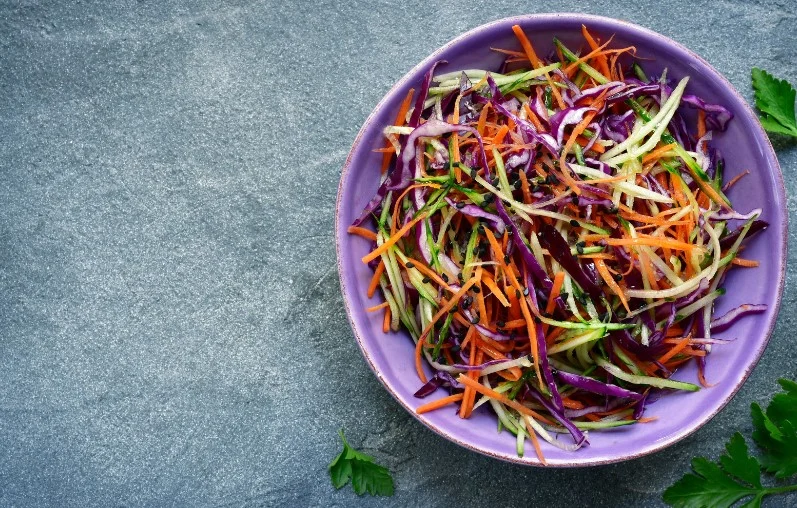

A steaming bowl of gumbo is more than just a meal; it’s a culinary cornerstone of Southern cuisine, a rich tapestry of flavors and textures that evokes warmth, tradition, and community. This hearty stew, often brimming with a medley of meats, seafood, vegetables, and a deeply flavored, roux-based broth, demands equally thoughtful accompaniments. The question of what to serve alongside this iconic dish is paramount for anyone seeking to craft an authentic and satisfying Southern dining experience. This exploration delves into the most complementary side dishes, offering a spectrum of choices from the elegantly simple to the delightfully unexpected, ensuring that every gumbo meal is a resounding success.
The Foundation: Understanding Gumbo’s Flavor Profile
Before delving into side dishes, it’s crucial to appreciate the complexity of gumbo itself. Its characteristic depth of flavor stems from a slow-cooked roux, a mixture of fat and flour browned to varying degrees, which provides a nutty, earthy base. The "holy trinity" of Southern cooking – onions, bell peppers, and celery – forms the aromatic heart of most gumbos, while garlic adds another layer of pungent complexity. Depending on the regional variation, gumbo can feature a diverse array of proteins, from succulent chicken and andouille sausage to fresh shrimp, oysters, or crab. The broth’s richness, combined with the potential for spice from ingredients like cayenne pepper or hot sauce, means that side dishes should ideally complement, balance, or provide a contrasting element without overpowering the star of the show.
Traditional Companions: The Unwavering Appeal of Rice
1. The Quintessential Bed: White Rice
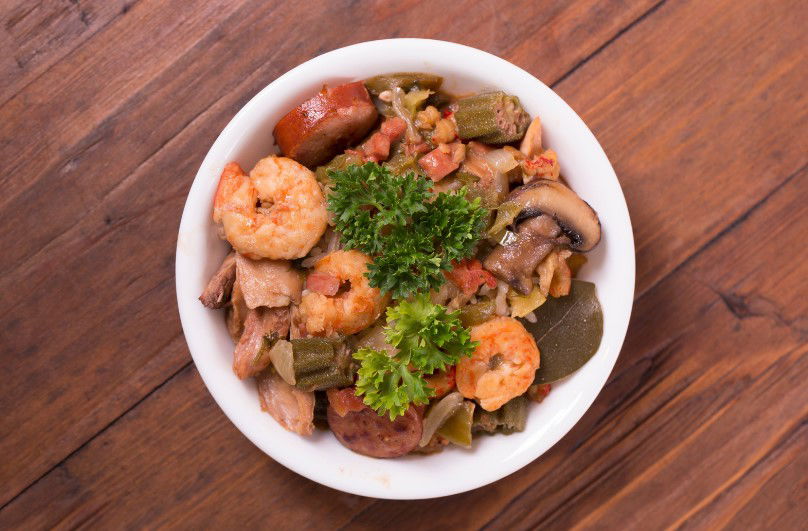
When considering the most traditional and universally accepted accompaniment to gumbo, white rice stands supreme. Its simplicity is its strength. A neutral canvas, plain white rice serves to absorb the savory, complex broth of the gumbo, allowing each spoonful to deliver a balanced and satisfying mouthful. Whether it’s long-grain, medium-grain, or even a slightly stickier variety, the key is its ability to soak up flavor without introducing competing tastes.
The culinary significance of rice in Southern cuisine, particularly in Louisiana, cannot be overstated. Historically, rice cultivation played a vital role in the region’s economy and diet. Serving gumbo over rice is not merely a suggestion; it’s a deeply ingrained cultural practice that ensures the meal is both filling and harmonious. For those seeking efficiency and consistency, a rice cooker is an invaluable kitchen appliance. Modern rice cookers offer various settings to achieve perfectly fluffy rice every time, minimizing the risk of undercooked or mushy grains. For instance, many models feature specialized programs for different rice types, ensuring optimal results for both short and long-grain varieties. Alternatively, mastering the stovetop method, with careful attention to water-to-rice ratios and cooking times, can yield equally delicious results. A simple guide to stovetop rice preparation can transform this everyday staple into a perfect partner for your gumbo. The ability of rice to stretch a meal further is also a practical consideration, making it an economical choice for feeding larger gatherings.
Offering Contrast and Cooling: Balancing the Heat
2. The Creamy Coolant: Potato Salad
While seemingly an unconventional pairing at first glance, potato salad offers a surprisingly effective counterpoint to the richness and potential heat of gumbo. The creamy, often mayonnaise-based dressing, coupled with the starchy comfort of potatoes, provides a cooling sensation that can temper the palate between bites of spicy or intensely flavored gumbo. This contrast is particularly welcome in versions of gumbo that lean heavily on cayenne pepper or other warming spices.
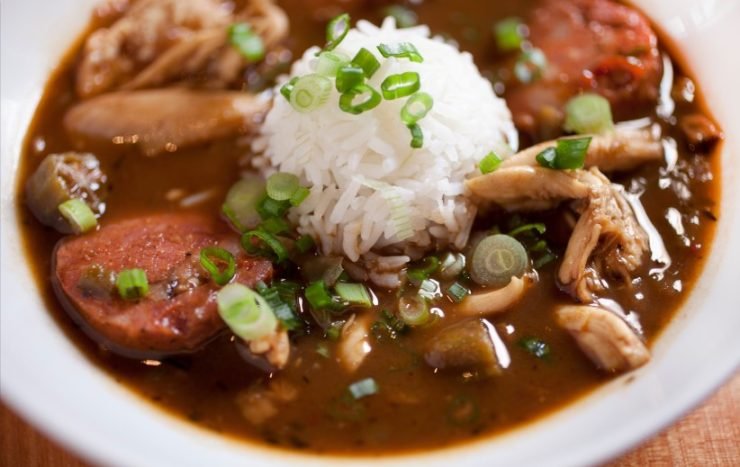
The strategic advantage of potato salad lies in its make-ahead potential. It can be prepared hours, or even a day, in advance and chilled, making it an ideal choice for hosts looking to streamline their meal preparation. This allows for a more relaxed dining experience, as the main dish can be the focus of last-minute attention while the side is already ready to serve. Opting for a "Southern Potato Salad" recipe often incorporates ingredients like mustard, pickles, or hard-boiled eggs, adding subtle layers of flavor that complement, rather than compete with, the gumbo. The chilled nature of potato salad provides a refreshing textural and temperature contrast to the hot stew.
3. The Tangy Tamer: Coleslaw
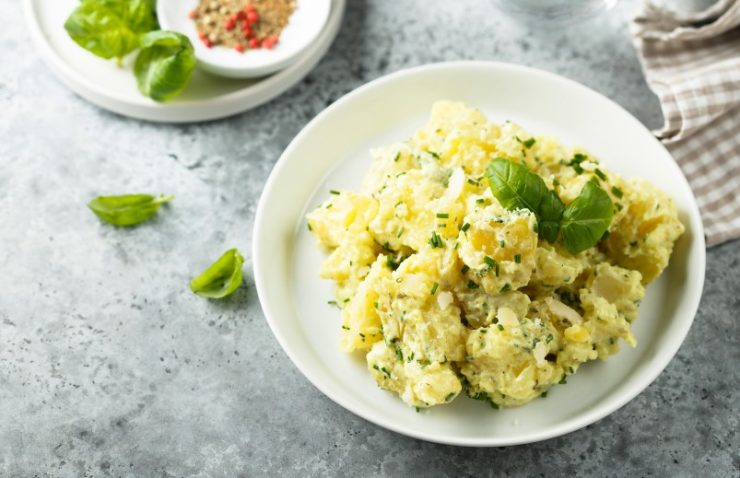
Similar to potato salad, coleslaw offers a refreshing and tangy counterpoint to the robust flavors of gumbo. The crisp, shredded cabbage, often dressed in a creamy or vinaigrette-based dressing, provides a welcome crunch and a bright, acidic note. This zestiness cuts through the richness of the gumbo’s broth and proteins, cleansing the palate with each bite.
The versatility of coleslaw is another key advantage. Whether prepared with a classic mayonnaise-based dressing, a lighter vinegar-based dressing, or even incorporating ingredients like shredded carrots, apples, or dried cranberries for added sweetness and texture, coleslaw can be customized to suit individual preferences. Many recipes are designed to be made in advance, allowing the flavors to meld beautifully in the refrigerator. This makes it an excellent option for large gatherings or when aiming for a stress-free meal. The combination of creamy, tangy, and crunchy elements in coleslaw creates a dynamic interplay with the smooth, rich texture of gumbo.
Textural Delight and Hearty Satisfaction
4. The Golden Crumb: Cornbread
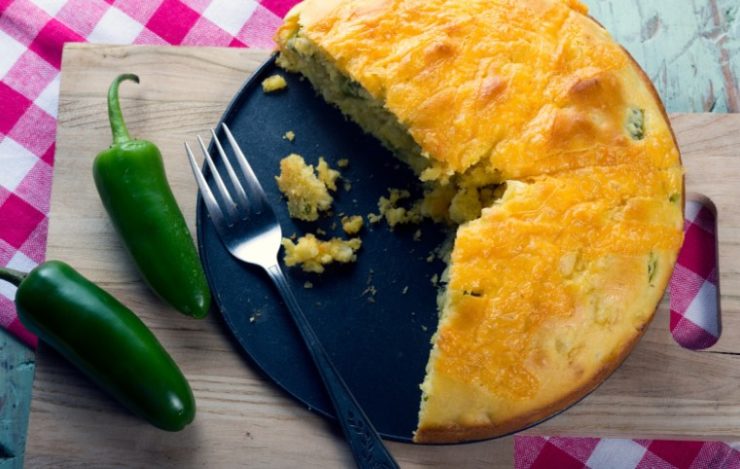
Cornbread is a quintessential Southern staple, and its pairing with gumbo is a beloved tradition. Its slightly crumbly texture and subtly sweet, corny flavor provide a comforting and satisfying accompaniment. The porous nature of cornbread makes it ideal for sopping up the last vestiges of flavorful gumbo broth.
The preparation of cornbread offers a wide range of possibilities, from simple boxed mixes to elaborate scratch recipes. Many home cooks favor baking cornbread in a cast-iron skillet, which imparts a wonderfully crisp crust and allows for effortless serving directly from the pan. Variations abound, with the addition of ingredients like jalapeños for a touch of heat, crumbled bacon for smoky depth, or grated cheddar cheese for a savory kick. These customizations can further enhance the overall flavor profile of the meal, creating a personalized experience. The earthy notes of corn in cornbread harmonize beautifully with the savory depths of gumbo.
5. The Fried Favorite: Okra
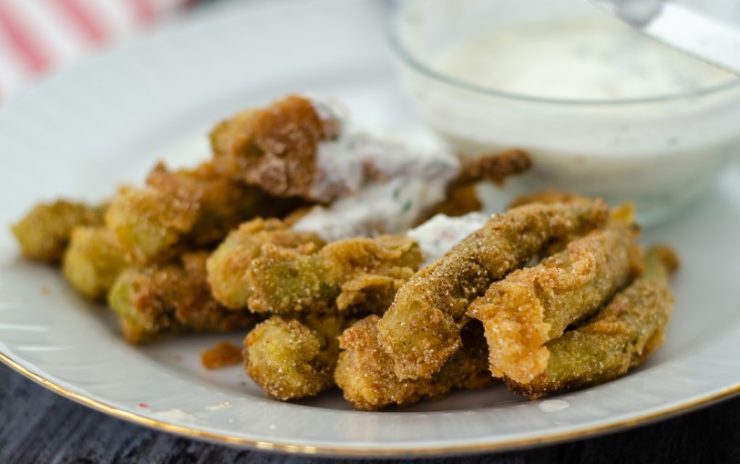
Given that the very name "gumbo" is believed to derive from the West African word for okra, it’s only natural that fried okra would be a celebrated side dish. This classic preparation offers a delightful textural contrast to the stew. Crispy, golden-brown fried okra provides a satisfying crunch that complements the tender ingredients within the gumbo.
The beauty of serving fried okra lies in its dual role: it can be enjoyed as a standalone appetizer or snack, or it can be added directly to individual bowls of gumbo, infusing each bite with its unique flavor and texture. The slightly gelatinous quality of cooked okra, which is often a characteristic within gumbo itself, is transformed into a delightful crispiness when fried. A simple batter, often made with cornmeal or flour, seasoned to perfection, yields an irresistible side. For an elevated experience, pairing fried okra with a creamy dipping sauce, such as a garlic aioli or a remoulade, further enhances its appeal. The historical connection between okra and gumbo adds an authentic layer to this pairing, celebrating the dish’s roots.
Unexpected Yet Rewarding Pairings
6. The Rich Embrace: Creamed Corn
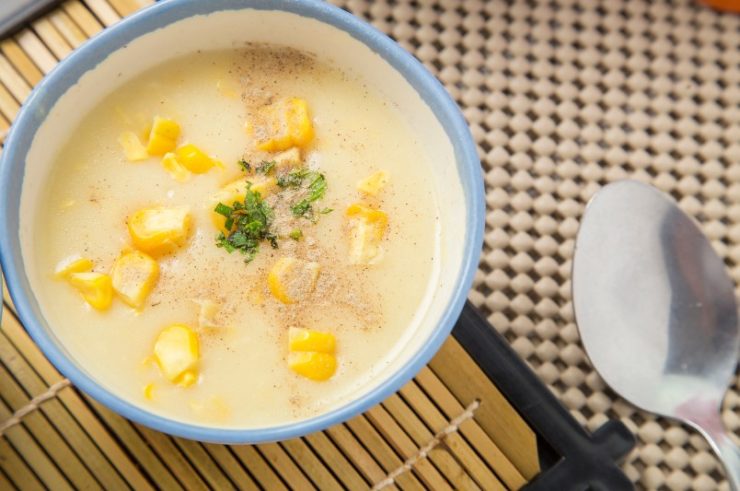
Southern-style creamed corn, rich with butter and cream, offers a decadent yet complementary side to gumbo. The luxurious texture and mild sweetness of creamed corn provide a soothing contrast to the often robust and spicy nature of the stew. This side dish acts as a comforting embrace, softening the palate and adding another dimension of creamy indulgence to the meal.
Creamed corn can be served as a standalone dish, allowing its buttery richness to shine, or it can be gently spooned over the gumbo, integrating its flavors and textures into the main dish. Its gentle sweetness and creamy consistency do not compete with the complex flavors of gumbo but rather act as a harmonious counterpoint, enhancing the overall dining experience. This side is particularly effective in balancing gumbos with a pronounced spice level.
7. The Hearty Staple: Fluffy Baked Potatoes
A perfectly baked potato, with its crispy, salty exterior and fluffy, steamed interior, offers a substantial and satisfying accompaniment to gumbo. This inexpensive yet versatile side can be prepared to feed a crowd with minimal effort. The double-baking technique, which involves baking the potato until tender, then brushing it with butter or oil, seasoning, and returning it to the oven for a crispier skin, yields an exceptionally flavorful result.
Baked potatoes can be served in various ways alongside gumbo. They can be split open and topped with a generous portion of gumbo, transforming them into a complete meal in themselves. Alternatively, they can be served on the side, allowing diners to customize their experience with toppings like butter, sour cream, chives, or shredded cheese. The mild flavor of the potato serves as an excellent base for the bold flavors of gumbo, and its hearty nature ensures that no one leaves the table hungry.
8. The Zesty Bite: Bleu Cheese Wedge Salad
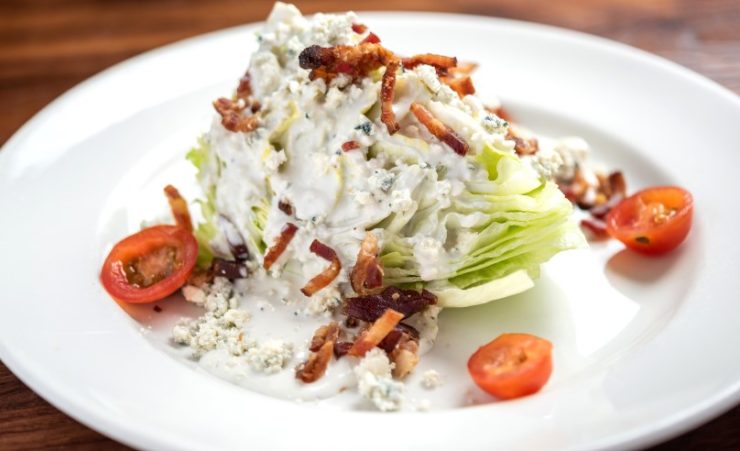
For those seeking a lighter yet intensely flavorful option, a bleu cheese wedge salad presents a sophisticated pairing. The pungent, creamy, and slightly sharp notes of bleu cheese, combined with the crispness of iceberg lettuce and a complementary dressing (often a vinaigrette or a lighter ranch), offer a refreshing counterpoint to a rich gumbo.
A wedge salad is inherently simple to assemble, making it a quick addition to any meal. The bold flavor of the bleu cheese is assertive enough to stand up to the complexity of gumbo without being overpowering. This option is particularly appealing when the gumbo itself is exceptionally rich or when diners are looking for a dish that provides a more balanced nutritional profile. The coolness and tang of the salad provide a delightful contrast to the warmth and depth of the stew.
Frequently Asked Questions
What kind of bread goes with gumbo?
Beyond the ubiquitous rice, several bread options are beloved accompaniments to gumbo. Warm, slightly sweet cornbread is a classic choice, offering a delightful crumb for soaking up broth. Fluffy buttermilk biscuits provide a tender, buttery vessel, while soft, slightly chewy yeast rolls offer a more neutral base. Each bread type brings a unique textural element to the meal, enhancing the overall dining experience.
Does jambalaya go with gumbo?
While both jambalaya and gumbo are iconic Louisiana dishes with overlapping ingredients and flavor profiles, they are generally considered distinct main courses rather than complementary pairings. Jambalaya typically incorporates rice directly into the dish, creating a flavorful, one-pot meal. Gumbo, on the other hand, is a stew often served over a separate side of rice. Serving both simultaneously might lead to an overwhelming richness and a redundancy of similar flavors. It is generally recommended to choose one as the main feature of a meal.
The Enduring Legacy of Gumbo and its Sides
The enduring popularity of gumbo is a testament to its comforting and communal nature. The careful selection of side dishes plays a crucial role in elevating this beloved stew from a simple meal to a memorable culinary event. Whether opting for the time-honored tradition of rice, the cooling contrast of potato salad or coleslaw, the hearty embrace of cornbread or baked potato, the textural intrigue of fried okra, or the bold statement of a bleu cheese wedge, each accompaniment offers a unique pathway to appreciating the multifaceted glory of gumbo. These pairings not only enhance the flavor but also reflect the deep-rooted culinary heritage of the American South, where food is an expression of culture, hospitality, and shared joy.