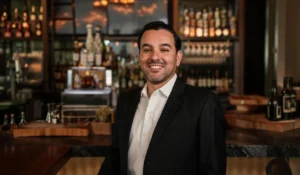

Abishek Sharma, the visionary chef and restaurateur behind acclaimed New York City establishments such as Swagat and Madam Ji, has officially expanded his culinary footprint with the opening of Badshah Social in Brooklyn. Located at 212 Flatbush Avenue, the new venue represents a sophisticated evolution of the traditional Indian eatery, blending the high-energy atmosphere of India’s bustling neighborhood markets with the contemporary urban aesthetic of New York City. The restaurant’s name, derived from the Hindi word for "The King," reflects a commitment to bold flavors, premium ingredients, and a regal dining experience that remains accessible and community-oriented. Badshah Social is positioned as a curated culinary journey, focusing on the rich tapestry of India’s regional street food culture, reimagined for a modern social dining audience.
A Culinary Vision Rooted in Heritage and Exploration
The inception of Badshah Social follows an extensive period of research and travel undertaken by Chef Sharma. Seeking to move beyond the standardized menus often found in Western Indian restaurants, Sharma returned to his homeland to reconnect with the authentic flavors of Delhi, Hyderabad, Mumbai, Gujarat, Punjab, and Southern India. By wandering through local markets and engaging with street vendors, he collected a repository of traditional recipes and techniques that serve as the foundation for the Badshah Social menu.
This commitment to authenticity is most visible in the restaurant’s open kitchen design. Here, guests can observe the culinary team utilizing traditional tandoors to prepare dishes. The kitchen emphasizes the use of high-quality, ethically sourced ingredients, including grass-fed chicken and hand-ground spices imported directly from India. This focus on "clean" and premium ingredients is a hallmark of Sharma’s approach, aiming to elevate street food from its humble origins into a refined, health-conscious dining experience without sacrificing the pungent, multi-layered profiles that define Indian cuisine.
The Evolution of the Abishek Sharma Portfolio
Chef Sharma’s career in the hospitality industry began in his early twenties, working within the framework of his family’s successful business. His foundational experience was built at Swagat, a staple of Manhattan’s Upper West Side known for its traditional approach to Indian cooking. However, Sharma’s personal ambition was to modernize the perception of Indian food in America.
Following the success of Swagat, he opened Madam Ji in the West Village, a concept that introduced a more vibrant, "fun-dining" atmosphere while maintaining culinary integrity. His portfolio further expanded with the launch of A13 Events, a luxury catering and destination wedding company that services high-end clientele. Badshah Social represents the culmination of these previous ventures, merging the operational excellence of a family-run business with the creative flair of a modern hospitality group. The move to Brooklyn, specifically the bustling Flatbush Avenue corridor, signifies a strategic expansion into one of New York’s most dynamic culinary landscapes.
Regional Diversity and Menu Structure
The menu at Badshah Social is structured to encourage communal dining, a practice central to Indian social life. The "Small Plates" section is inspired by the chaat culture of North India and the coastal snacks of Mumbai. These dishes are designed to be shared, allowing diners to experience a variety of textures—from the crunch of fried chickpeas to the creaminess of yogurt-based dressings—in a single sitting.
The "Mains" continue this regional exploration, offering curated selections that represent the distinct culinary identities of India’s states. For instance, the influence of Hyderabad is seen in the complex spice blends and slow-cooking methods, while the Punjabi influence is evident in the tandoori preparations. The dessert menu provides a contemporary twist on classic Indian sweets, offering a balanced conclusion to the heat and spice of the primary courses.
Supporting the food is a robust beverage program. The signature cocktail list is designed to complement the aromatic nature of the food, often incorporating Indian botanicals and spices. For those seeking traditional pairings, the bar offers Kingfisher Lager alongside a selection of six beers, including local East Coast craft brews. A curated wine list provides further options for those looking for more formal pairings.
Design: Where Brooklyn Meets the Royal Courts of India
The interior design of Badshah Social is a deliberate fusion of two distinct worlds. The color palette—a striking combination of Knicks blue and burnt orange—pays homage to New York City’s sports culture and urban energy. This is contrasted with the opulence of Indian royalty, represented by crystal crown chandeliers and plush banquette seating.
One of the most notable features of the space is the custom artwork that pairs portraits of historical Indian kings with Brooklyn’s own cultural icon, The Notorious B.I.G. This juxtaposition serves as a metaphor for the restaurant itself: a place where heritage meets the street, and where "The King" (Badshah) finds a home in the heart of Brooklyn. The venue features floor-to-ceiling windows that provide a connection to the street life of Flatbush Avenue, while a cozy high-top bar offers a space for more casual, social interactions. For private gatherings, the restaurant includes an intimate dining room designed for events and celebrations.
Strategic Location and Market Context
The choice of 212 Flatbush Avenue is significant. Located near the Barclays Center and at the intersection of several affluent Brooklyn neighborhoods, Badshah Social is positioned to capture both local residents and event-goers. The area has seen a significant transformation over the last decade, becoming a hub for innovative dining concepts that move away from the traditional Manhattan-centric model.
The opening of Badshah Social comes at a time when the "modern Indian" segment is seeing substantial growth in the United States. According to industry data, consumer interest in regional Indian cuisines—moving beyond standard Tikka Masala and Naan—has increased by over 20% in urban markets since 2021. Diners are increasingly seeking "destination dining" experiences that offer a narrative and a sense of place. By focusing on the specific stories behind regional street foods, Badshah Social taps into this trend of culinary tourism.
Operational Details and Accessibility
Badshah Social is designed to accommodate various dining needs, from quick social bites to formal evening meals. The restaurant operates with the following schedule:
- Weekdays: 5:00 p.m. – 10:00 p.m.
- Weekends: 5:00 p.m. – 11:00 p.m.
Reservations are managed through the Resy platform, reflecting the modern operational standards expected by Brooklyn’s tech-savvy demographic. The seating capacity is designed to maintain an intimate feel while allowing for the high-energy "social" atmosphere the name promises.
Broader Implications for the NYC Culinary Scene
The arrival of Badshah Social contributes to the ongoing "Indian Food Renaissance" in New York City. For decades, Indian cuisine was often relegated to specific enclaves or perceived through a narrow lens of "curry houses." Chef Sharma’s work, along with a new generation of Indian-American chefs, is redefining the category as a high-concept, premium experience that can compete with the city’s top-tier French and Italian establishments.
Furthermore, the restaurant’s emphasis on "social dining" addresses a post-pandemic shift in consumer behavior. Modern diners are prioritizing communal experiences and shared spaces. By naming the restaurant "Social," Sharma explicitly invites the community to use the space as a gathering point, reinforcing the idea that food is a medium for storytelling and connection.
In a broader economic sense, the opening reflects the resilience of the New York restaurant industry. Despite challenges in labor and supply chains, the launch of a concept as specialized and design-heavy as Badshah Social indicates a strong confidence in the Brooklyn market. As the restaurant begins its tenure on Flatbush Avenue, it stands as a testament to the enduring appeal of authentic, regionally-focused cuisine presented through a local, contemporary lens.
Badshah Social is now open to the public, inviting New Yorkers to experience the "King" of street food in an environment that honors both the bustling streets of India and the iconic culture of Brooklyn. Through its blend of traditional techniques and modern aesthetics, it seeks to set a new standard for Indian dining in the borough.