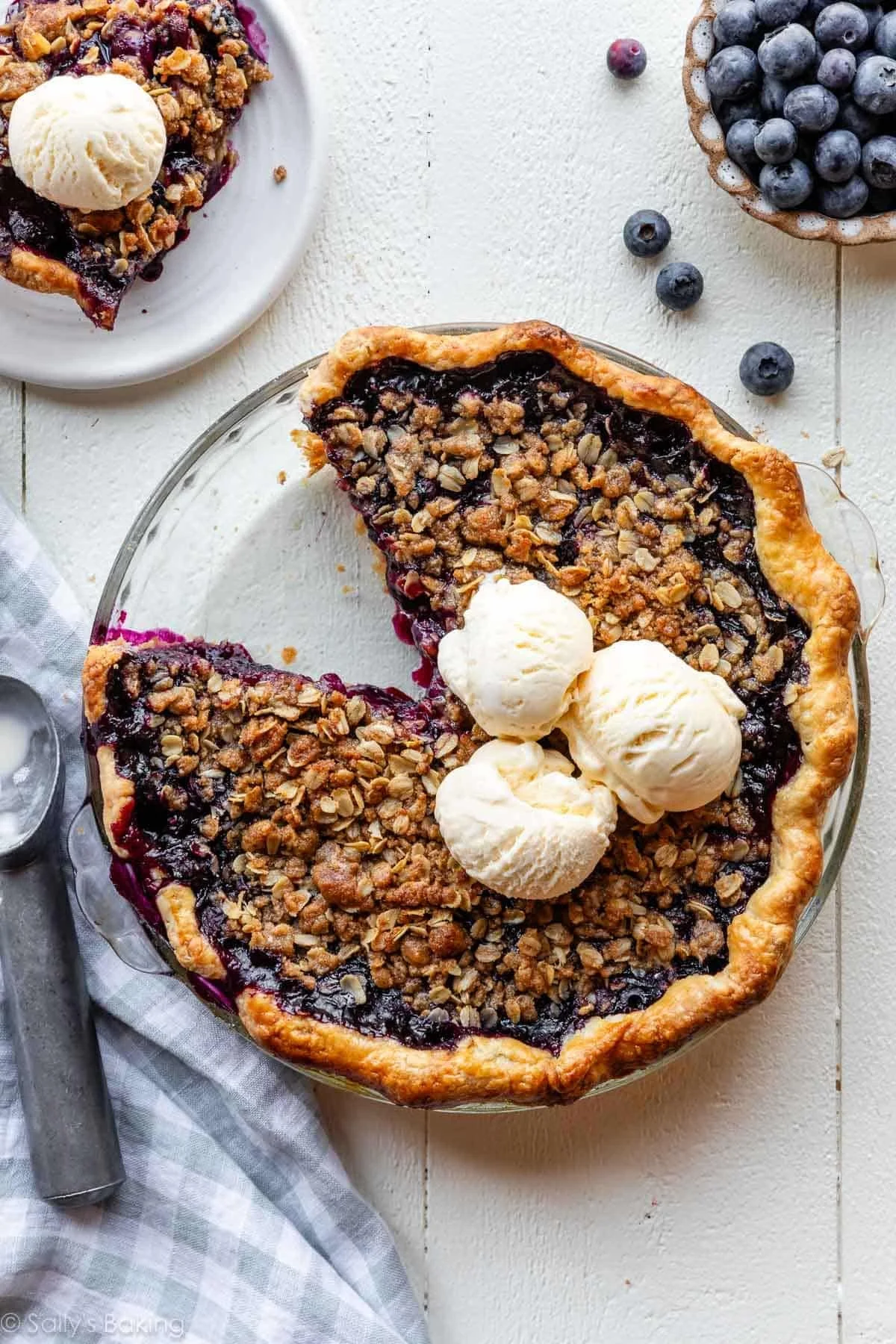

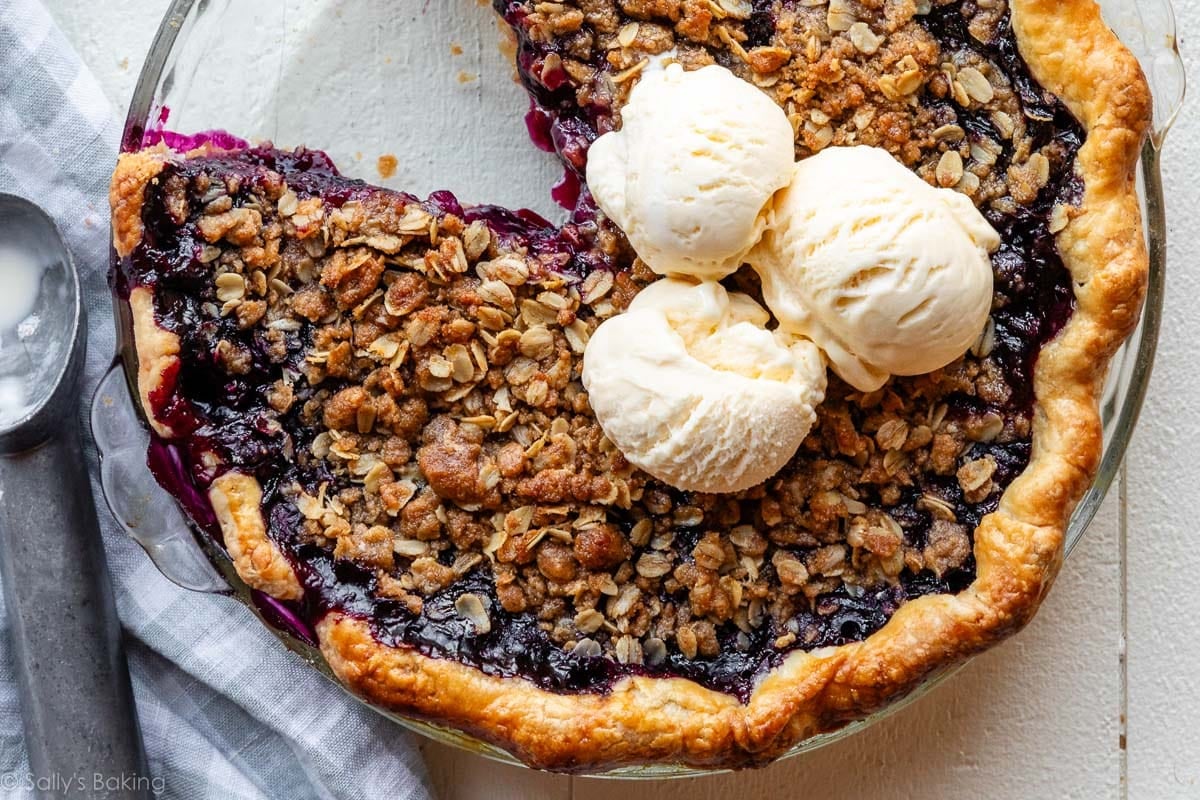
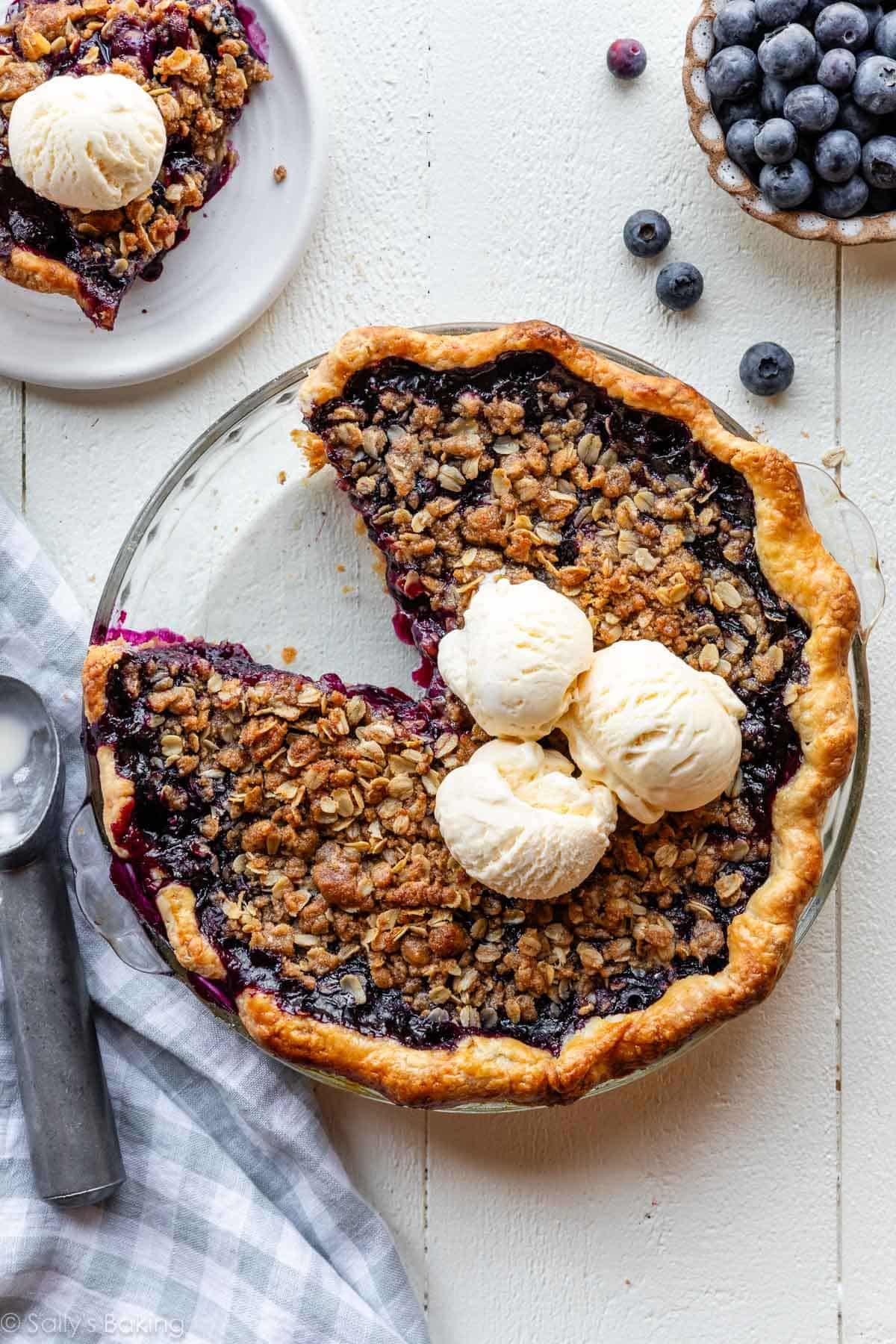
This esteemed culinary creation seamlessly blends the quintessential elements of a classic blueberry pie with the rustic charm of a crumble topping, establishing itself as a prime example of dessert innovation for home bakers and seasoned gourmands alike. Offering a harmonious duality, this blueberry crumble pie features a meticulously crafted, flaky, and buttery pastry base, generously filled with a vibrant, juicy, and jammy blueberry concoction, all crowned with an abundant layer of brown sugar and oat crumble. Its inherent simplicity renders it an ideal endeavor for a relaxed weekend baking session, yet its sophisticated profile and irresistible textures elevate it to a dessert worthy of significant holiday feasts and vibrant summer gatherings. Each meticulously prepared slice promises a delightful interplay of succulent berries, delicate pastry, and rich, buttery oat clusters, delivering a multifaceted sensory experience.
A Culinary Heritage: The Evolution of Pie and Crumble
The tradition of pies extends back through millennia, with early forms traced to ancient Egypt, Greece, and Rome, where encased meats and fruits served as practical vessels for cooking and preservation. These early iterations, often featuring tough, inedible crusts, gradually evolved into the more refined sweet and savory pies recognized today. The concept of fruit pies, in particular, gained significant traction in medieval Europe, becoming a staple in both aristocratic and common households. The American pie, as it is largely known, developed a distinct identity, often characterized by its fruit fillings and double-crust or lattice-top designs.
In parallel, the crumble, or crisp, emerged as a distinct dessert category, particularly gaining prominence in Britain during World War II. Facing rationing and shortages of traditional pie pastry ingredients, resourceful bakers devised a simpler topping made from flour, butter, and sugar, rubbed together to create a crumbly texture. This practical innovation quickly cemented its place in the dessert lexicon, celebrated for its ease of preparation and delightful textural contrast to soft fruit fillings. The confluence of these two beloved dessert traditions—the structured elegance of a pie and the textural exuberance of a crumble—represents a modern culinary synthesis, offering the best attributes of both without the complexities often associated with intricate pastry work like a lattice top. This particular recipe, originally published in 2017 and subsequently updated with enhanced photography and additional success tips, exemplifies this harmonious fusion, presenting a streamlined yet profoundly satisfying baking project.
The Anatomy of a Masterpiece: Key Components and Their Crafting
The success of a truly exceptional blueberry crumble pie lies in the meticulous preparation and understanding of its three core components: the crust, the filling, and the crumble topping. Each plays a critical role in achieving the desired balance of flavor and texture.
The Flaky Foundation: Crafting the Perfect Pie Crust
The foundation of this pie is its flaky, all-butter crust, a testament to fundamental pastry principles. The use of cold, high-quality butter is paramount. When butter is kept exceptionally cold and cut into the flour mixture, it creates small pockets within the dough. As the pie bakes, the water content in these butter pockets rapidly evaporates, producing steam that forces the flour layers apart, resulting in the characteristic flakiness. Overworking the dough, conversely, develops gluten excessively, leading to a tough rather than tender crust. A recommended approach involves preparing the pie dough well in advance, allowing it to chill for a minimum of two hours. This chilling period is not merely for convenience; it allows the gluten to relax, making the dough easier to roll, and solidifies the butter, which is crucial for achieving optimal flakiness. Recipes like the "all-butter pie crust" or a butter/shortening blend are often favored for their superior texture and ease of handling, with both typically yielding two crusts, allowing for future baking endeavors. Utilizing a glass pie dish is a practical tip, enabling bakers to monitor the browning of the bottom and side crusts, ensuring even cooking and preventing a soggy base.
The Star of the Show: The Vibrant Blueberry Filling
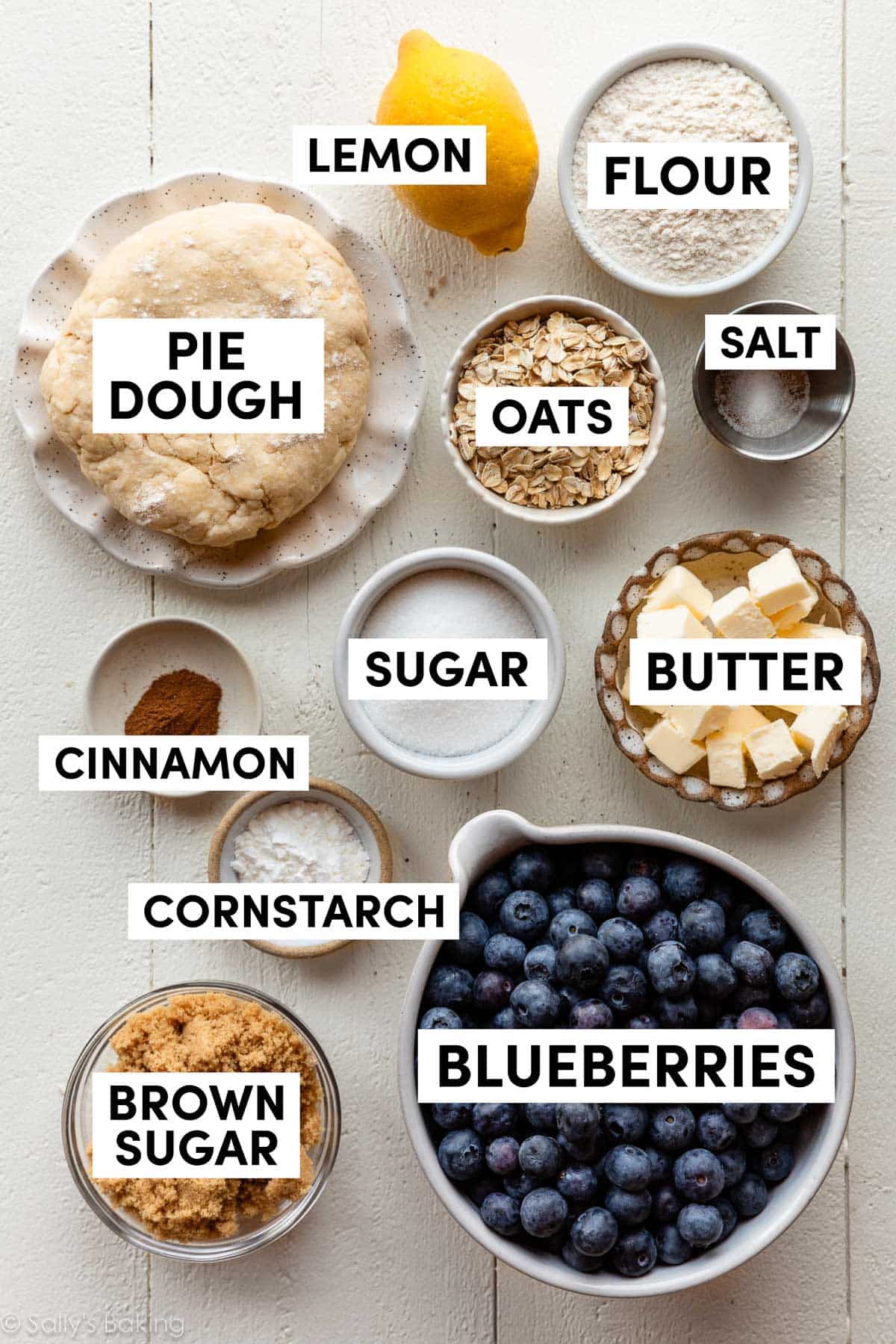
Unlike some more labor-intensive fruit pies, the blueberry filling is remarkably straightforward to prepare, requiring no peeling, pitting, hulling, or extensive chopping. The process begins with fresh summer blueberries, ideally at their peak ripeness for maximum flavor. These berries are simply rinsed, gently patted dry, and then tossed with a carefully balanced mixture of sugar, flour, cornstarch, and a bright touch of fresh lemon juice and zest. The lemon serves a dual purpose: its acidity enhances the natural sweetness of the blueberries and provides a vibrant counterpoint, preventing the pie from tasting overly sweet or flat.
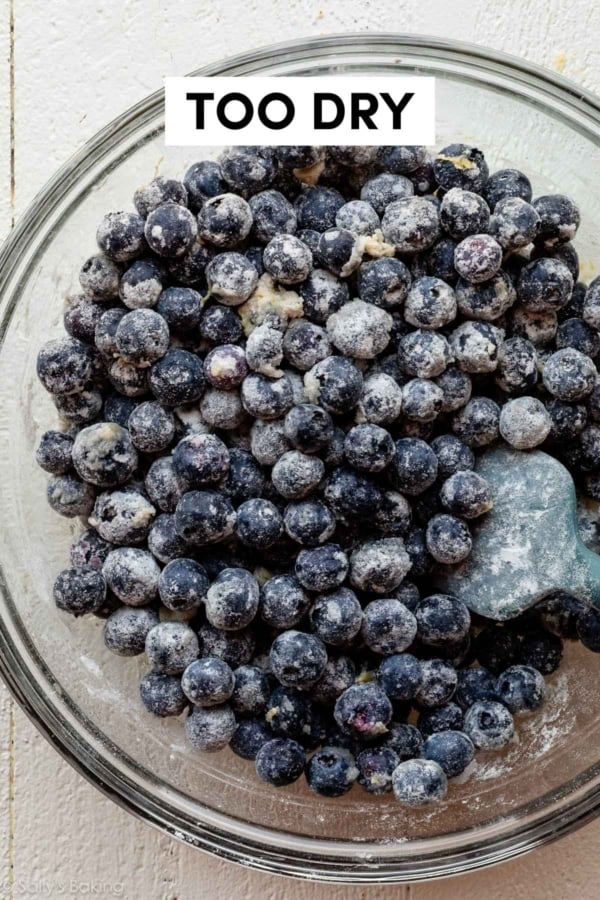
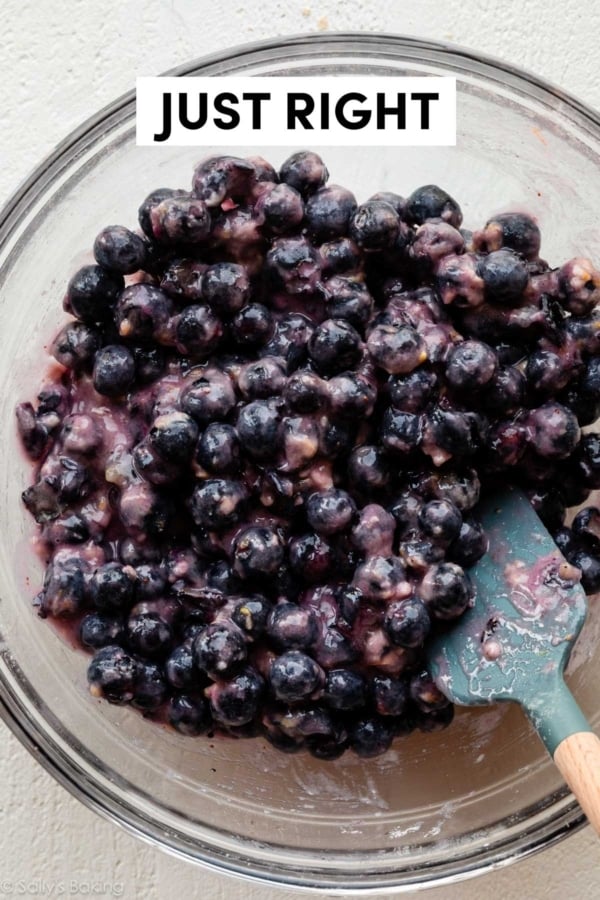
The combination of cornstarch and flour is critical for achieving a properly thickened, sliceable filling. Cornstarch, a powerful thickening agent, provides clarity and gloss, while flour offers a more opaque, sturdy structure. The interaction of these thickeners, along with a sufficiently long bake time, is essential to prevent a runny filling. A key indicator of proper mixing and impending success is the visual appearance of the filling before baking. A dry, powdery-looking mixture suggests inadequate moisture absorption by the thickeners, which will likely result in a cloudy, runny pie after baking. Conversely, a shiny, juicy-looking mixture indicates that the starches have begun to hydrate, promising a beautifully set filling. To facilitate this, a crucial "success tip" involves mashing a small portion of the blueberries with the sugar and thickeners. This releases additional juice, helping to fully dissolve the flour and cornstarch, ensuring a glistening, properly hydrated filling that will set flawlessly during baking. Once mixed, the filling should be refrigerated briefly while the crust is finalized.
The Golden Crown: The Irresistible Oat Crumble
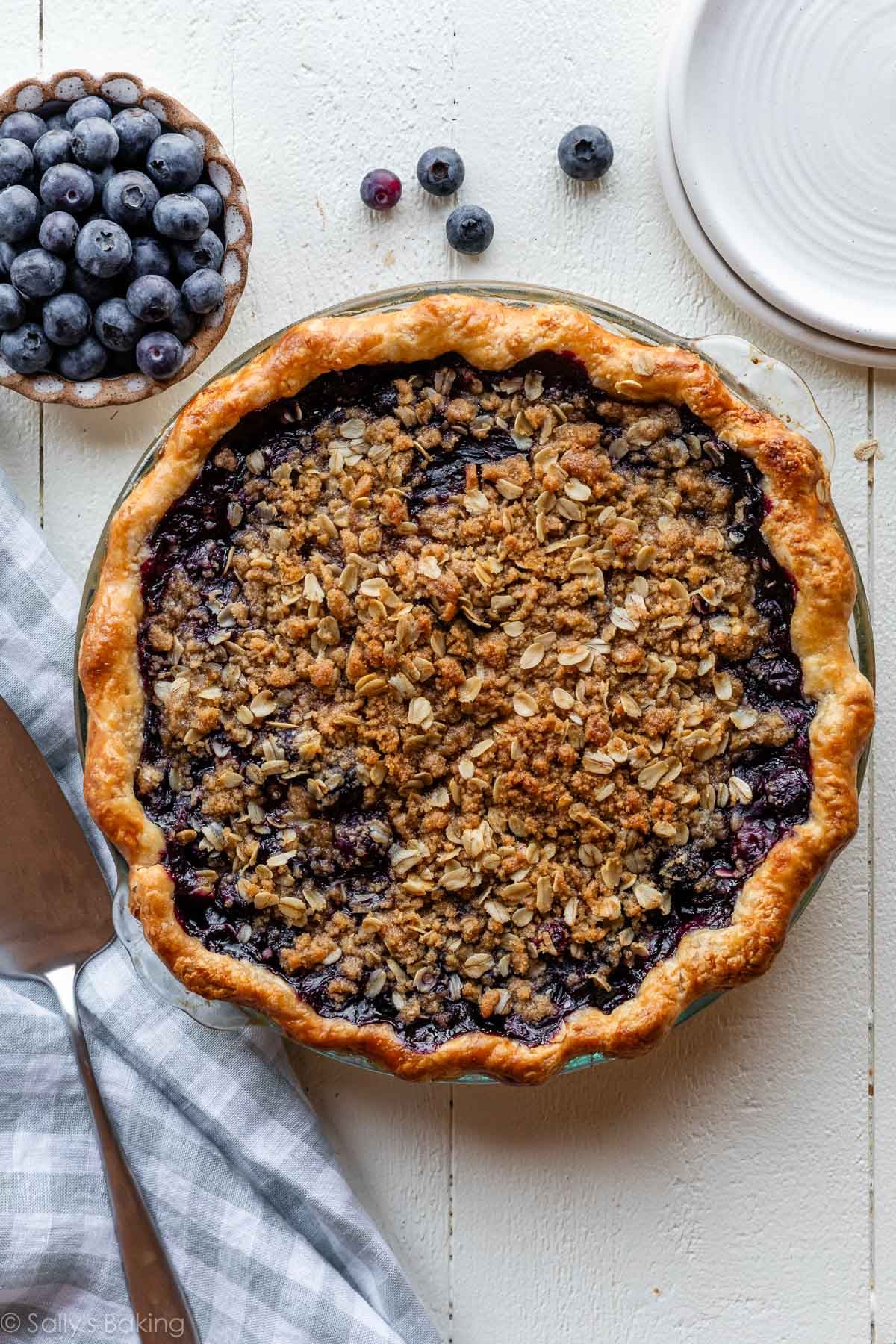
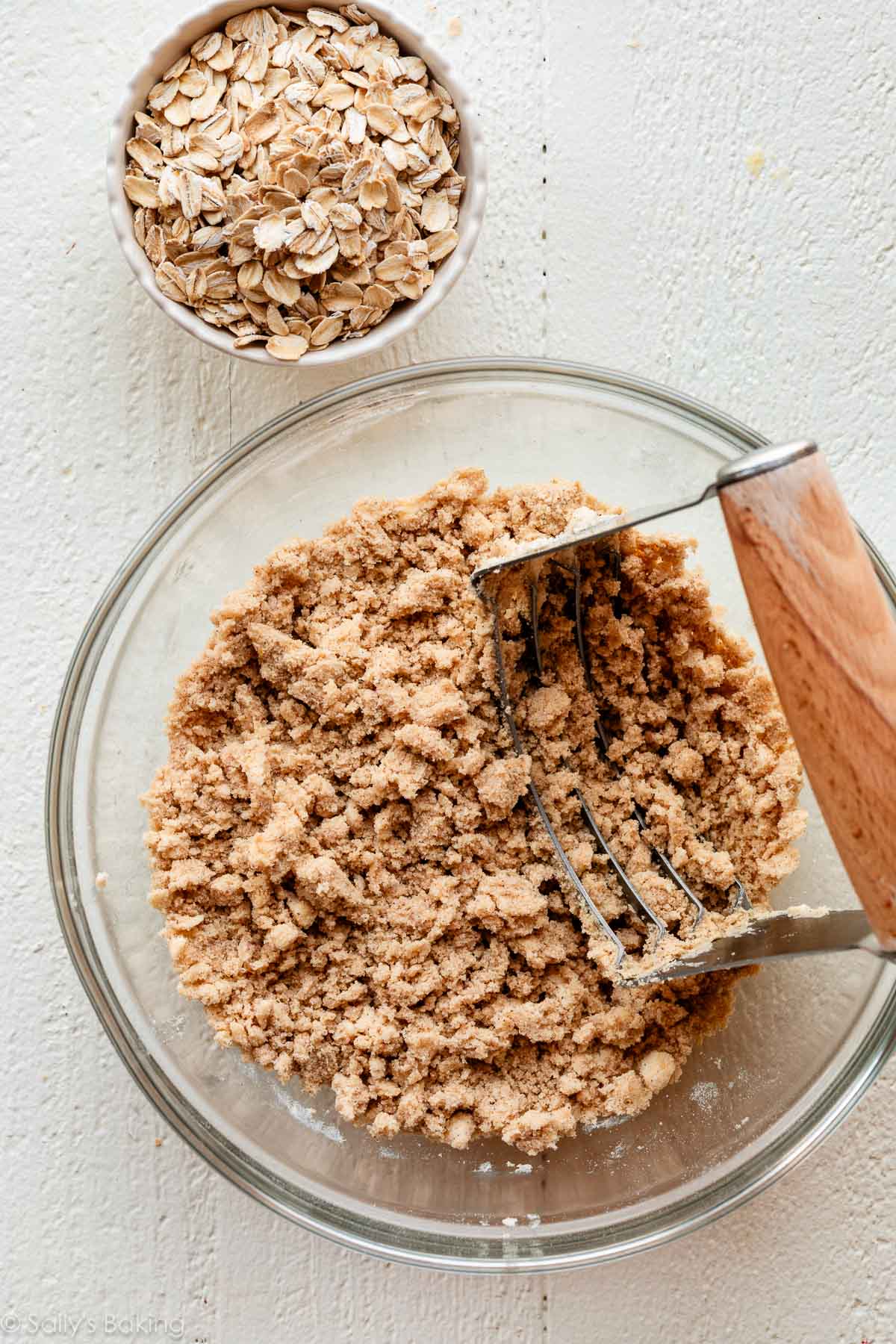
The crumble topping is the distinctive element that sets this pie apart, providing a delightful textural contrast to the soft filling and flaky crust. Its preparation also emphasizes the importance of cold ingredients. Cold, cubed butter is cut into a mixture of brown sugar, flour, cinnamon, and a pinch of salt. This can be achieved using a pastry cutter or two forks, aiming for a coarse, crumbly texture with some pea-sized pieces of butter remaining. The cold butter, much like in the pie crust, is essential for creating distinct, crisp crumbles rather than a unified, melted layer. Brown sugar contributes a deeper, molasses-rich sweetness and a subtle caramel note, enhancing the overall flavor profile. Old-fashioned rolled oats are then stirred in, adding a chewy texture and nutty flavor that complements the berries beautifully. This crumble mixture is then refrigerated until ready for assembly, reinforcing the principle of cold ingredients for optimal texture.
Precision Baking: Techniques for Optimal Results
The baking and cooling phases of this blueberry crumble pie are critical and require adherence to specific techniques to guarantee a perfectly set filling and a crisp, golden topping. Any temptation to shorten these steps must be resisted.
Preparing the Elements: Dough, Crumble, and Filling in Sequence
After the pie dough has been adequately chilled, it is rolled into a 12-inch circle and carefully fitted into a 9-inch deep-dish pie plate. The choice of a deep-dish plate is practical, accommodating the generous volume of blueberry filling and crumble. Once the crust is settled, its edges are decoratively fluted or crimped, a step that not only adds visual appeal but also helps to contain the filling. The crimped edges are then brushed with an egg wash (a simple mixture of beaten egg and a splash of milk or water), which promotes a rich, golden-brown finish and adds a subtle sheen during baking. The prepared blueberry filling is then poured into the crust, followed by a generous layer of the chilled oat crumble topping. It is important not to be hesitant with the crumble; while it may appear abundant before baking, it will settle and condense, forming that irresistible crunchy layer.
The Two-Temperature Baking Method: A Scientific Approach
A hallmark of this recipe, and several other successful fruit pies, is the two-temperature baking method. The pie is initially baked at a higher temperature of 400°F (204°C) for approximately 25 minutes. This initial high heat serves several crucial functions:
- Crust Setting: The intense heat rapidly sets the structure of the pie crust, helping to prevent shrinkage and ensuring a firm, flaky base.
- Thickener Activation: The elevated temperature quickly brings the filling to a boil, activating the cornstarch and flour. These thickening agents require specific temperatures to hydrate fully and properly gel the fruit juices. Insufficient initial heat can lead to a runny filling.
Following this initial high-temperature phase, the oven temperature is reduced to 375°F (190°C) for the remainder of the baking time. This reduction allows the pie to continue baking gently, ensuring the blueberries cook thoroughly and become tender without the crust or crumble over-browning. This dual-temperature approach is also effectively employed in other fruit pies, such as strawberry rhubarb and peach pies, demonstrating its versatility and effectiveness in managing the delicate balance between crust, filling, and topping.
During the longer baking period, vigilant monitoring is essential. If the pie crust edges begin to brown too quickly, a pie crust shield (a silicone ring or foil strips) can be applied to protect them. Similarly, if the crumble topping darkens prematurely, loosely tenting a piece of aluminum foil over the entire pie will prevent further browning while allowing the internal filling to reach its optimal doneness.
Achieving Perfection: Indicators of Doneness and the Critical Cooling Phase
Determining the precise moment of doneness for a fruit pie is paramount for a perfectly set filling. Relying solely on the color of the crust can be misleading. The most reliable indicator is the active bubbling of the blueberry juices around the edges of the pie. These vigorous bubbles signal that the cornstarch has reached the necessary temperature (typically around 200°F or 93°C) to fully thicken and set the filling. For absolute certainty, an instant-read thermometer inserted into the center of the filling should register an internal temperature of 200°F (93°C).
Perhaps the most challenging, yet undeniably crucial, step in the entire process is the extended cooling period. After removing the pie from the oven, it must be allowed to cool for several hours—ideally overnight. During this seemingly passive phase, a remarkable transformation occurs: the starches in the filling continue to set and firm up, transitioning from a liquid state to a cohesive, sliceable gel. Cutting into the pie prematurely, no matter how perfectly baked, will inevitably result in a runny, disappointing outcome. This extensive cooling time is a non-negotiable step for achieving the desired structure and presentation.
Beyond the Bake: Serving Suggestions and Culinary Versatility
The necessity of a lengthy cooling period paradoxically positions the blueberry crumble pie as an exceptional make-ahead dessert. This characteristic makes it an invaluable asset for hosts planning summer celebrations such as Father’s Day, Fourth of July barbecues, graduation parties, or Labor Day gatherings. The ability to prepare the dessert in advance alleviates last-minute stress, allowing the host to focus on other aspects of entertaining.
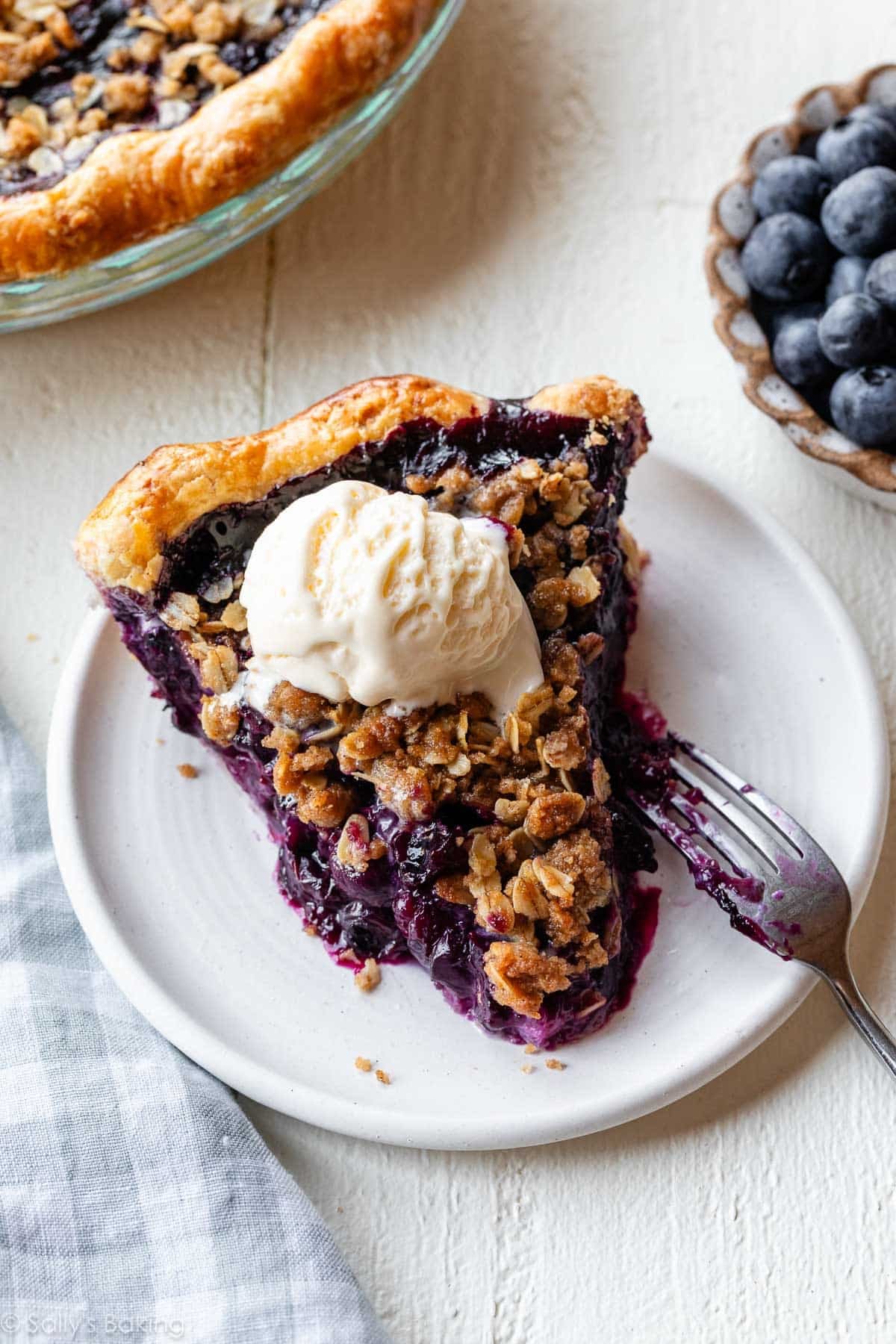
Once the pie has been perfectly baked and sufficiently cooled, the anticipation culminates in that first, satisfying slice. The reward for patience is a beautifully structured wedge, showcasing the layers of golden crust, vibrant purple-blue filling, and crisp, textured crumble. While delicious on its own, a warm slice, perhaps gently reheated, is often elevated by classic accompaniments. A generous scoop of premium vanilla bean ice cream, melting slightly into the warm fruit, provides a creamy counterpoint. Alternatively, a dollop of freshly whipped cream, lightly sweetened and flavored, adds an ethereal lightness. This combination of textures and temperatures—warm, cool, crisp, creamy, soft—is what many consider true "pie perfection."
This blueberry crumble pie occupies a unique and advantageous position in the dessert landscape. For those frequently torn between the classic comfort of a traditional blueberry pie and the casual, textural delight of a blueberry crisp, this recipe offers a definitive resolution. It ingeniously delivers the best attributes of both desserts in every single bite, eliminating the need to choose. It provides the structured foundation of a pie with the inviting, rustic appeal and satisfying crunch of a crumble, making it a versatile and universally appealing option for any occasion where a spectacular fruit dessert is desired.
Community Acclaim and Expert Endorsement
The widespread appeal and proven success of this blueberry crumble pie recipe are evident in the enthusiastic feedback from the baking community. Home bakers consistently laud its balanced flavor profile and perfect textural interplay. As one reader, Angel, commented, "The best blueberry pie I have ever had! The flavor was balanced, just enough sugar and lemon to complement the berries and not overpower them. The crumble topping was the perfect addition and I’m happy I decided to make the recipe as written, truly I cannot find anything that I would want to change in this recipe!" This sentiment underscores the careful development of the recipe, ensuring that each component contributes harmoniously without dominating.
Another reader, Jane, offered a similar endorsement, stating, "I have to say this was the best blueberry pie I ever made. Think I may never make a two-crust blueberry pie again. Absolutely perfect dessert." Such comments highlight the recipe’s ability to convert even traditionalists, demonstrating the compelling advantages of the crumble topping over more intricate crust designs. These testimonials serve as a testament to the recipe’s accessibility for beginner pie bakers while still delivering results that impress even experienced cooks. The emphasis on techniques like generously mixing the filling, the two-temperature baking method, and maintaining cold ingredients are not mere suggestions but crucial, scientifically-backed steps that, as validated by countless successful bakers, genuinely "make all the difference" in achieving a pie of this caliber.
In conclusion, the blueberry crumble pie stands as a testament to thoughtful recipe development, blending classic techniques with innovative elements. It offers an approachable yet sophisticated baking experience that consistently yields a dessert of exceptional quality, making it a beloved choice for any occasion.