
Dough hydration, a seemingly simple metric in sourdough bread baking, is in reality one of its most intricate and nuanced aspects. This fundamental concept dictates not only the texture and crumb of a loaf but also the baker’s experience during the entire process, from mixing to shaping. Years of dedicated practice have revealed that hydration is far more than a mere number in a recipe; it is a dynamic dialogue between the baker and the dough, influenced by an array of environmental and ingredient variables. This guide delves into the complexities of dough hydration, offering insights gleaned from extensive hands-on experience, bridging the gap between the theoretical underpinnings and the practical application for bakers of all levels. Understanding hydration is often the pivotal element in troubleshooting common issues such as sticky dough or dense, tightly crumbed loaves, ultimately unlocking the potential for superior bread.
Decoding Dough Hydration: The Fundamental Formula
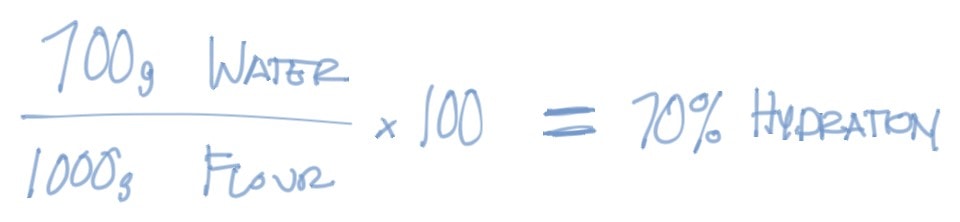
At its core, dough hydration is defined as the total amount of water present in a recipe, expressed as a percentage relative to the total weight of flour. This calculation is straightforward: the weight of the water is divided by the total weight of the flour, and the result is multiplied by 100. For instance, a recipe calling for 1,000 grams of flour and 700 grams of water yields a hydration of 70% (700 ÷ 1,000 × 100 = 70%). This percentage serves as a crucial initial indicator for bakers, offering a predictive understanding of the dough’s expected behavior before the mixing process even begins.
However, a critical realization for any baker, particularly those embarking on their sourdough journey, is that this hydration percentage should be viewed as a flexible guideline rather than an immutable rule. Flour, an organic ingredient, is inherently variable. Its absorption properties differ significantly based on its type, the mill from which it originates, and even the specific batch or bag. This inherent variability underscores the need for a responsive approach to baking, acknowledging that recipes are starting points, not rigid scripts.
The Multifaceted Influence of Environmental Factors
Beyond the intrinsic qualities of flour, external environmental conditions play a significant role in dough behavior. While a stable climate might see consistent results, dramatic shifts can necessitate adjustments. A noticeable change in ambient humidity, for example, can alter how flour absorbs water. A dough that mixes smoothly and develops elasticity on a dry day might feel perceptibly different and require modification on a humid, rainy day. While often less impactful than flour type, consistent monitoring of these environmental factors can prevent unexpected challenges during the baking process.
The Pivotal Role of Hydration in Bread Characteristics
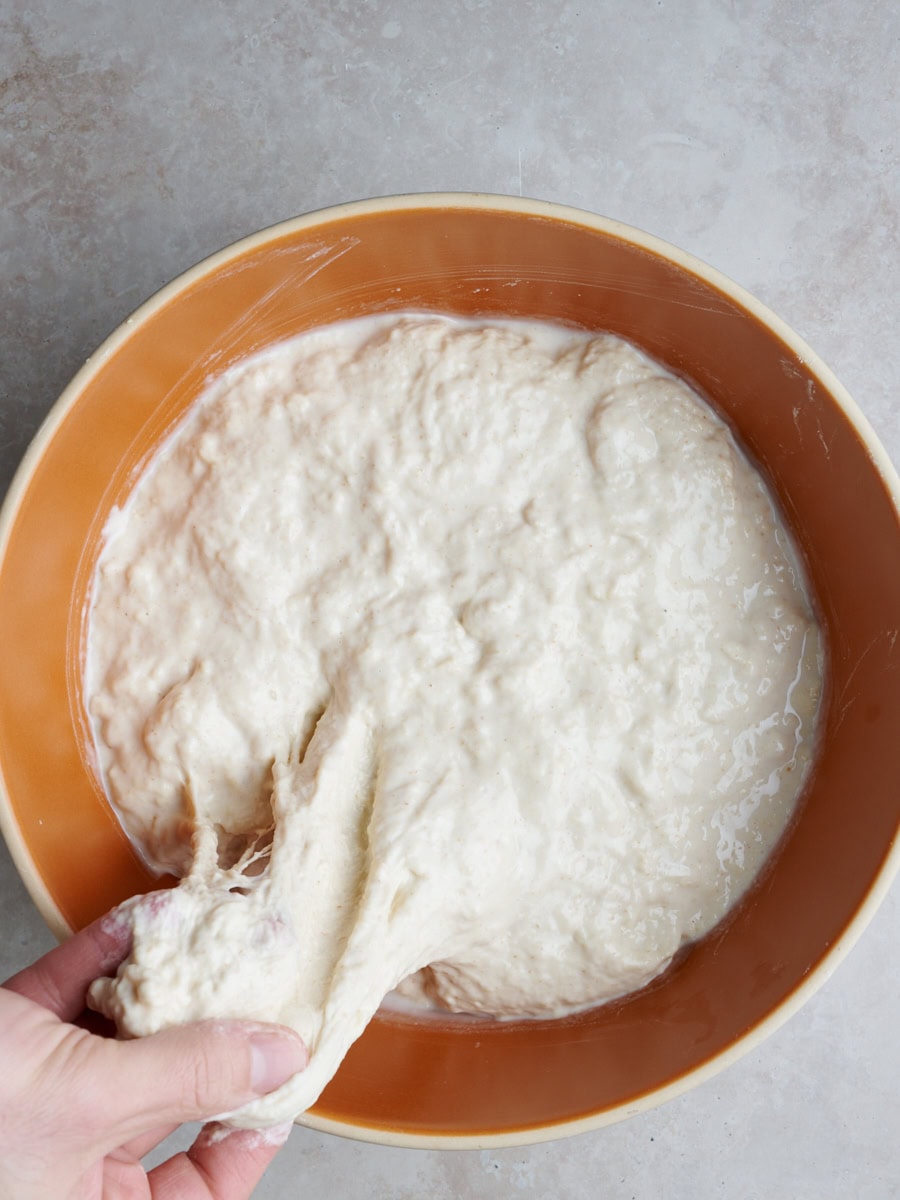
The significance of dough hydration lies in its profound impact on the final characteristics of the baked loaf. Water is the transformative agent that converts inert flour into a pliable dough, capable of capturing and retaining the gases produced during fermentation. An insufficient amount of water results in a dough that is tight, resistant, and difficult to work with, often leading to a dense loaf. Conversely, an excess of water can render the dough unmanageable, a sticky, soupy mass that struggles to maintain its structure.
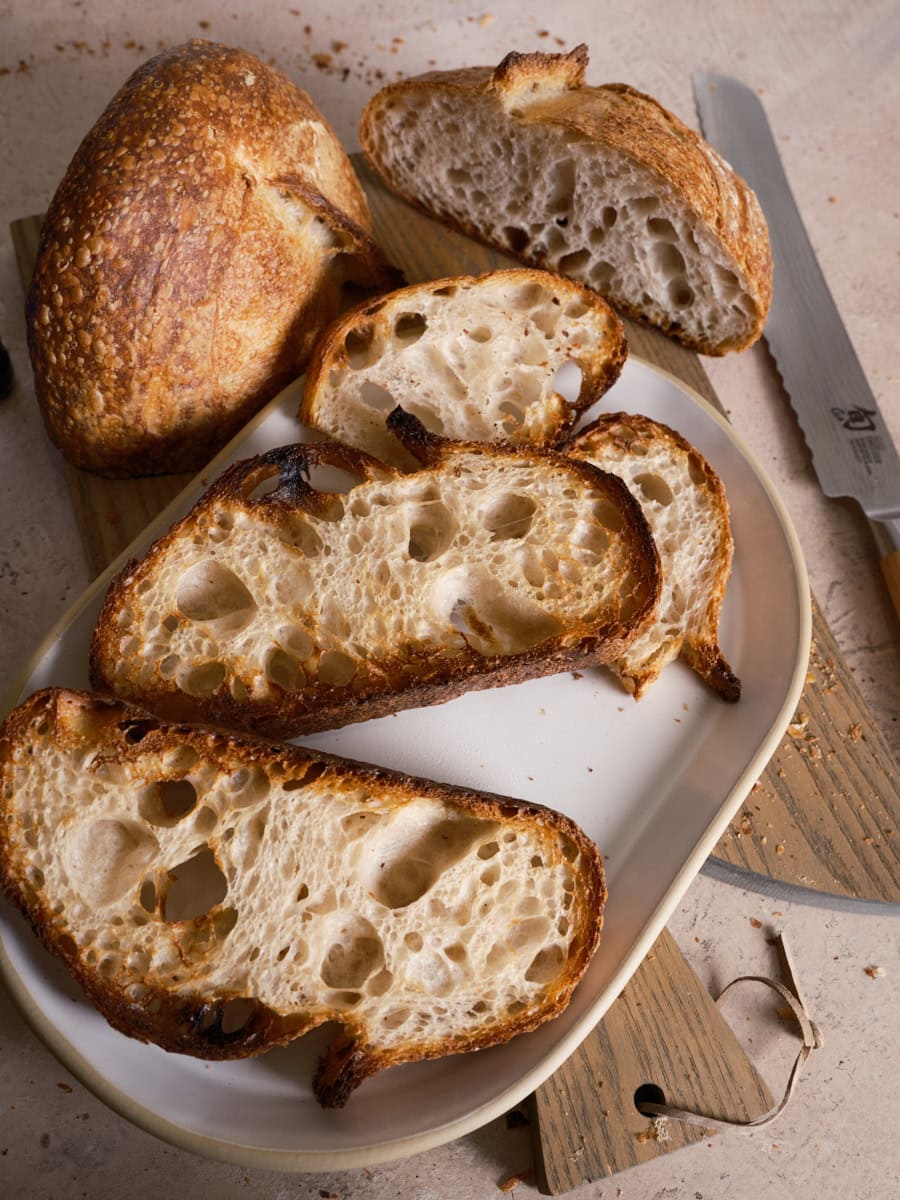
The spectrum between these extremes offers a diverse range of bread styles. Lower-hydration loaves (typically 60-68%) tend to possess a more substantial crust and a chewier texture. This is often preferred for breads that require a robust structure, such as certain types of artisan loaves, bagels, or pretzels, where a firmer crumb is desirable. In contrast, higher-hydration loaves (often 75-85% and beyond) are characterized by a thinner, more delicate crust and a tender, custardy interior. This style of bread is sought after for its ethereal crumb and melt-in-your-mouth quality, exemplified by popular recipes for ciabatta or focaccia, and can result in a very open, airy crumb structure.
Lower-Hydration Bread (60-68%)
Breads within this hydration range often exhibit distinct characteristics:
- Crust: A tendency towards a thicker, more robust crust that provides a satisfying chew.
- Crumb: A denser, more closely knit crumb structure, offering a firm texture.
- Handling: The dough is generally easier to handle, shape, and score due to its lower moisture content and greater stability.
- Shelf Life: These loaves often maintain their freshness for a slightly longer period due to reduced moisture content.
Higher-Hydration Bread (75-85%+)
Conversely, pushing the hydration levels higher introduces a different set of properties:
- Crust: A thinner, often crispier crust that can shatter delicately when sliced.
- Crumb: A more open, irregular crumb with a moist, tender, and sometimes custard-like interior.
- Handling: The dough becomes significantly more challenging to manage, requiring advanced techniques to shape and score without losing structure.
- Tenderness: A highly hydrated crumb can offer a melt-in-your-mouth sensation, a hallmark of certain artisan styles.
It is important to note that while higher hydration can contribute to a more open crumb, it is not the sole determinant. Achieving this desired texture is a complex interplay of factors including fermentation, gluten development, shaping precision, and baking conditions. Moreover, excessively high hydration can lead to unintended consequences, such as a gummy texture, a compromised loaf structure that collapses post-baking, and a potentially accelerated staling rate, even with proper storage. The goal is to find a hydration level that enhances the desired bread characteristics without sacrificing volume, texture, or overall eating quality.
The Art of Adding Water: Bassinage Technique
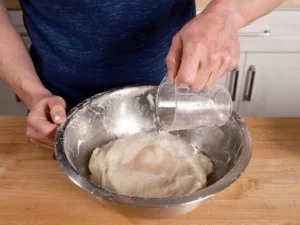
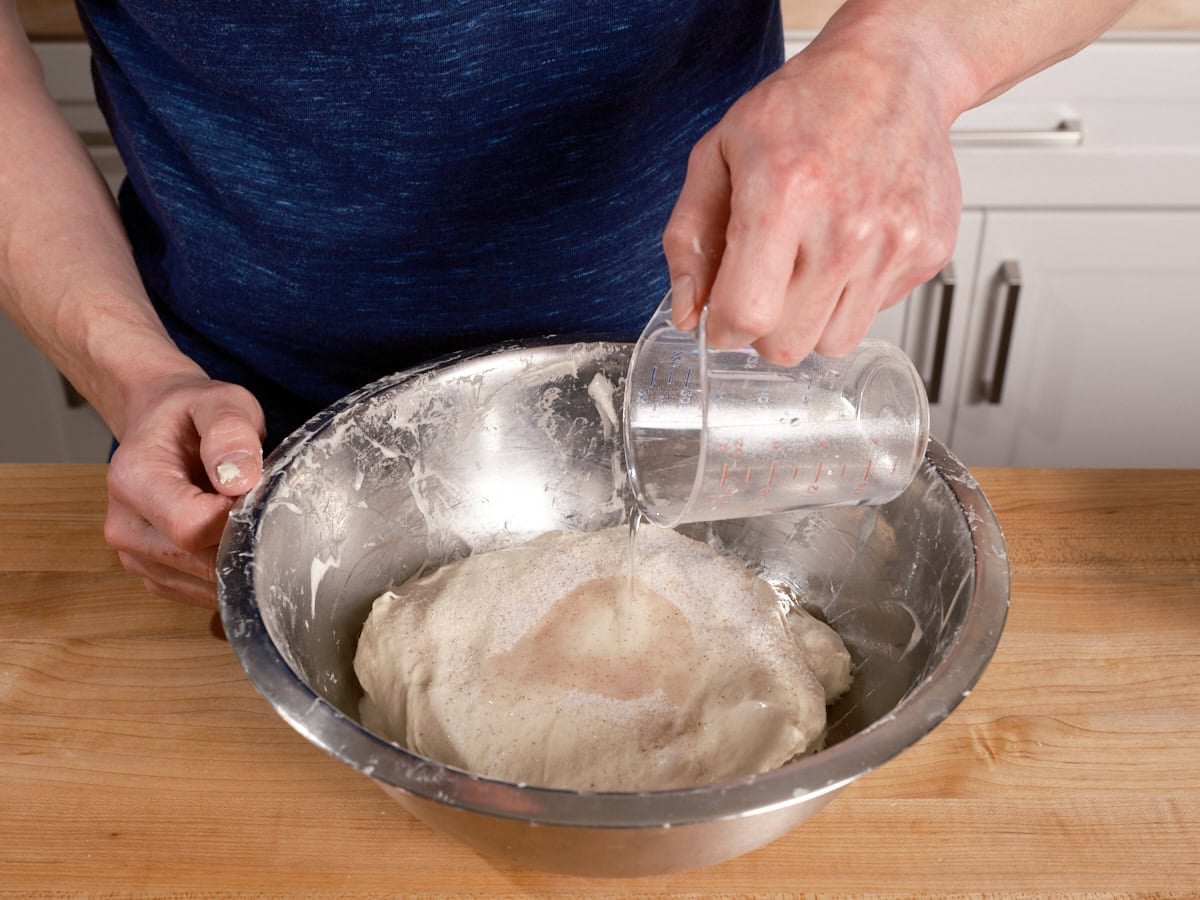
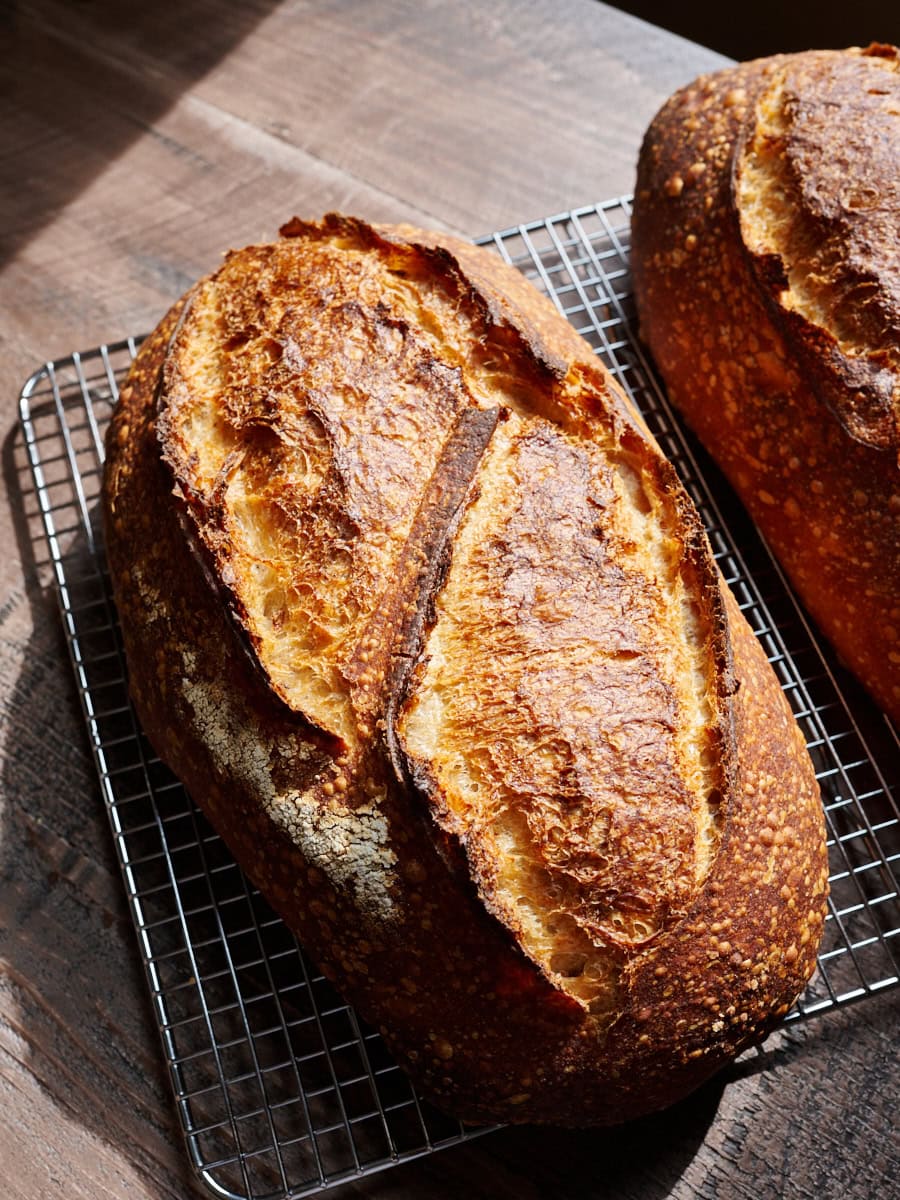
A transformative technique that elevates the management of high-hydration doughs is bassinage, often referred to as "double hydration." This method involves reserving a portion of the total water and incorporating it gradually during the later stages of mixing, after the initial absorption of water by the flour has begun and the gluten network has started to form.
The benefits of bassinage are manifold:
1. Facilitating Gluten Development
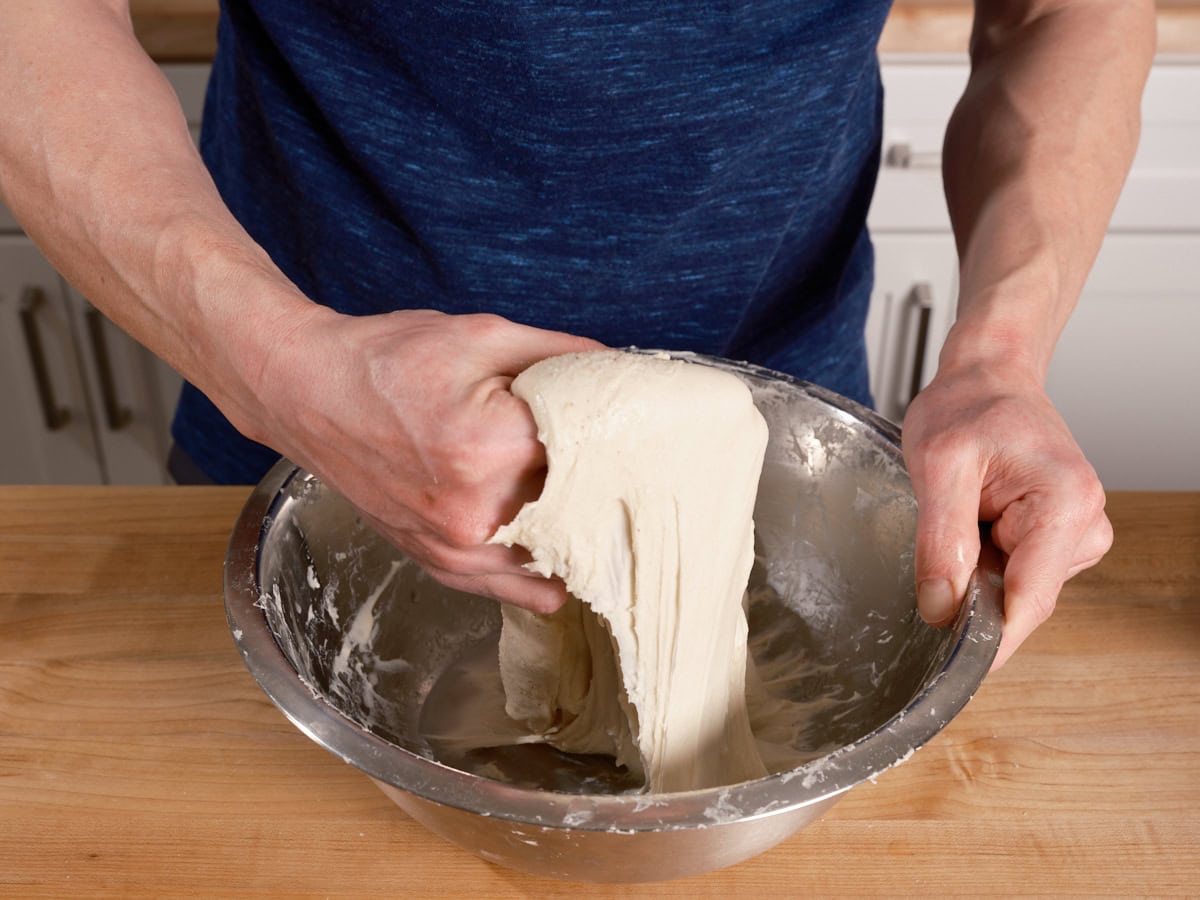
When all the water is introduced at the outset, particularly in high-hydration recipes, the development of a strong gluten network can be significantly hampered. A high initial water content can impede the friction necessary for gluten strands to align and strengthen. By adding the majority of the water first, allowing for some initial dough development, and then slowly incorporating the remainder, bakers can achieve higher hydration levels without resorting to excessively long mixing times or risking under-developed dough. This controlled addition allows the flour’s starches to hydrate and the gluten to form more efficiently.
2. Enabling Assessment of Dough Strength
Holding back a portion of the water provides a crucial opportunity to gauge the dough’s strength and capacity as mixing progresses. Near the end of the mixing phase, the baker can assess whether the reserved water is necessary or can be omitted. Many advanced recipes incorporate this by specifying "Water 1" and "Water 2," where Water 1 is used for initial mixing and autolyse, and Water 2 is a smaller, reserved amount for fine-tuning the dough consistency. If, after adding Water 1, the dough appears excessively slack and unmanageable, the reserved water can be withheld. Conversely, if the dough feels robust and capable of incorporating more moisture, Water 2 can be added incrementally while mixing.
Factors Influencing Water Absorption
Several key factors dictate the amount of water a dough can effectively absorb:
Flour Type and Protein Content
Flours with higher protein content (typically 12-14%, often labeled as "bread flour") possess a greater capacity for water absorption. The higher protein forms a more robust gluten network, which can hold more moisture without becoming overly sticky or slack. Conversely, flours with lower protein percentages, common in many international baking traditions, may require reduced hydration to prevent the dough from becoming unmanageable. This is not to say lower-protein flours are inferior; they can yield exceptionally tender and flavorful breads, but their hydration needs must be adjusted accordingly.
Whole Grain Flours
The inclusion of whole grains such as wheat, rye, or spelt significantly increases a dough’s water requirements. The bran and germ components of whole grains are highly absorbent. A dough containing a substantial proportion of whole grains will necessitate higher hydration to achieve a balanced consistency. For example, a sourdough recipe with 50% whole wheat flour might comfortably accommodate 80% hydration, a level that would be challenging with 100% white flour.
Freshly Milled Flour
Flour that has been freshly milled, even if sifted to remove some bran and germ, often requires more hydration than aged flour. The inherent properties of freshly ground flour seem to enhance its water absorption capabilities, leading to a dough that benefits from increased moisture for optimal consistency.
Climate and Environmental Conditions
Geographic location and ambient conditions play a substantial role. Bakers in arid, high-altitude regions, for instance, may find their doughs require higher hydration compared to those in more humid, lower-altitude environments. Even daily fluctuations in humidity can subtly impact flour’s moisture content, necessitating minor adjustments in water additions. While often minimal, awareness of these environmental influences can refine the baking process.
Addressing Dough Stickiness: Common Causes and Solutions
Sticky dough is a frequent point of frustration for bakers. The primary culprits are typically imbalances in hydration, insufficient dough strength, or a combination of both.
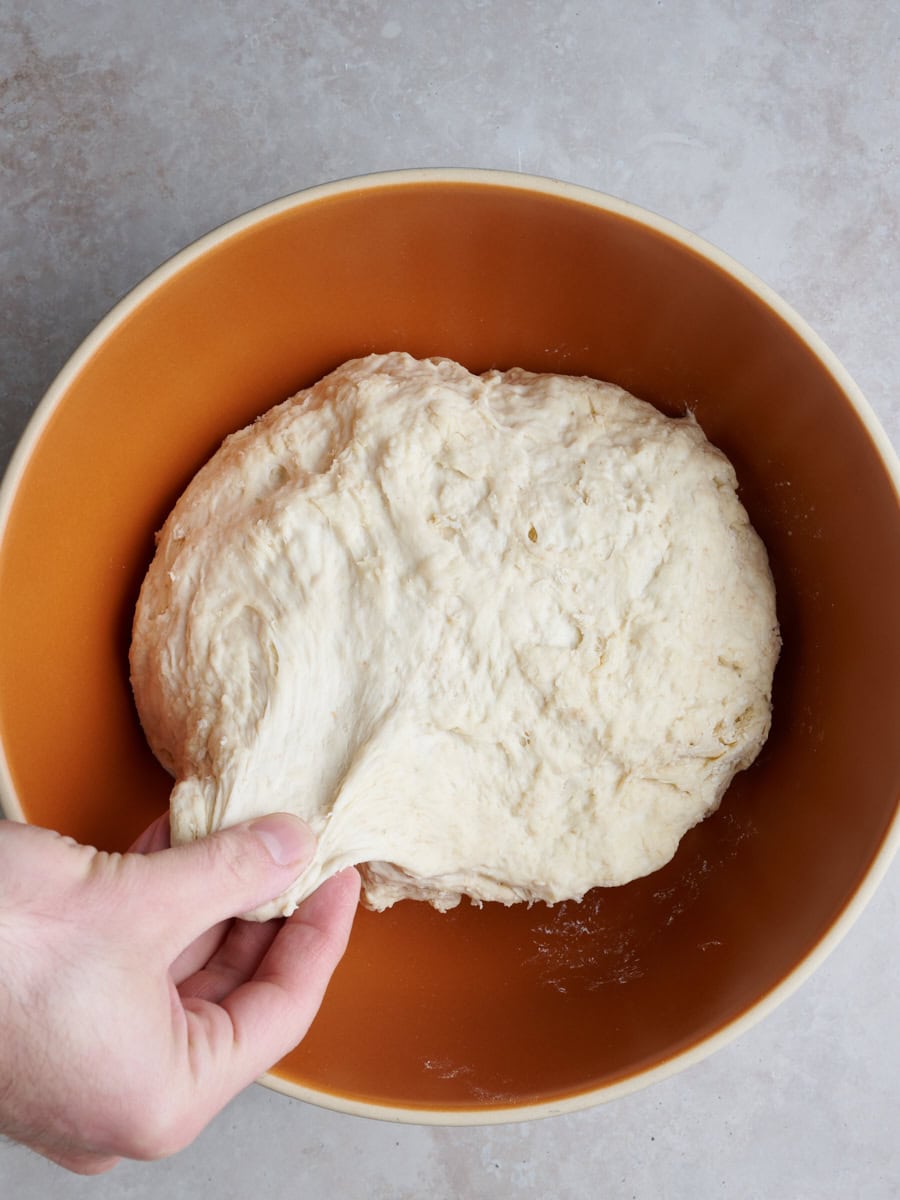
- Over-Hydration: The most direct cause of sticky dough is simply adding too much water relative to the flour’s absorption capacity.
- Under-Developed Gluten: If the gluten network has not been adequately developed through mixing and resting, it will be less capable of trapping and holding water, leading to a sticky, slack dough.
- Flour Type: As discussed, different flours have varying absorption rates. Using a flour that is less absorbent than expected for a given hydration level will result in a stickier dough.
- Temperature: Dough temperature can influence its consistency. Warmer doughs tend to be stickier than cooler ones.
- Flour Age and Storage: Older flour or flour stored in humid conditions might have slightly altered absorption properties.
Mastering High-Hydration Doughs: Practical Strategies
As hydration levels increase, dough stability naturally decreases. Elevated water content pushes the gluten matrix, the dough’s structural framework, towards its limits. Managing these more fluid doughs requires specific strategies:
- Gentle Handling: Employing gentle folding and shaping techniques is paramount to preserve the delicate gluten structure. Aggressive handling can tear the gluten, leading to a loss of air and a less desirable crumb.
- Strategic Use of Flour: While aiming to minimize excess flour, a light dusting of flour on work surfaces and hands can aid in managing sticky dough during shaping. However, excessive flour can alter the hydration balance and negatively impact the crust.
- Cold Fermentation: Extended cold fermentation (retarding the dough in the refrigerator) can improve dough manageability. The cooler temperatures slow down fermentation and firm up the dough, making it easier to handle.
- Proper Shaping Tools: Utilizing tools like dough scrapers or bench knives can be invaluable for lifting and manipulating sticky dough without direct hand contact.
- Patience and Practice: Working with high-hydration doughs is a skill that develops with practice. Each attempt provides further insight into how the dough behaves and how to best manage its unique characteristics.
Hydration Quick Reference Chart
To provide a practical overview, a general guide to hydration levels and their associated characteristics can be useful:
| Hydration Level | Characteristics | Best For |
|---|---|---|
| 60-65% | Stiff, easy to handle, potentially thicker crust | Bagels, pretzels, pizza, some pan loaves |
| 65-70% | Balanced, manageable, good structure | Classic breads, beginner-friendly sourdough |
| 70-75% | Moderately open crumb, thin crust | Classic country loaves, baguettes |
| 75-80% | Requires longer mixing, tender crumb, requires skill | Ciabatta, focaccia, open-crumb loaves, sandwich loaves |
| 80%+ | Requires longer mixing, more open crumb, challenging | High-hydration loaves, known for extremely open and custard-like crumb |
Addressing Common Queries About Dough Hydration
Why can’t I just add more flour if my dough is too wet?
While it might seem like a quick fix, altering the flour quantity disrupts the fundamental balance of the recipe, as all other ingredients (salt, levain) are calculated as a percentage of the total flour weight using baker’s percentages. Adjusting water, conversely, isolates the impact to hydration alone. However, in extreme cases where a dough is completely unmanageable, a small addition of flour can be a last resort, but this deviation should be meticulously recorded for future reference.

Does higher hydration necessarily mean a more open crumb?
Not exclusively. Hydration is a significant factor, but it is one among many. Optimal fermentation, proficient shaping techniques, and precise baking parameters are equally crucial for achieving an open crumb. Excellent results have been observed with moderately hydrated doughs, and conversely, tightly structured crumbs can occur even in highly hydrated doughs. A holistic approach to mastering all baking fundamentals is key, rather than solely focusing on increasing water content.
What hydration level should a beginner start with?
For novice bakers, a hydration level of 68-70% using a quality bread flour is highly recommended. This range offers a forgiving dough that is manageable for learning basic techniques while still yielding impressive results. As bakers gain confidence and a better tactile understanding of dough, they can incrementally increase hydration.
What is the ideal hydration for bread dough?
There is no single "ideal" hydration. The optimal level is contingent upon the specific flour being used and the desired characteristics of the final bread. Generally, bread doughs fall within the 60%-80% hydration range, though exceptions exist beyond these parameters.
Cultivating Baker’s Intuition
Ultimately, mastering dough hydration transcends rote memorization of percentages. It involves cultivating what is often termed "baker’s intuition" – the ability to perceive and interpret the dough’s state through touch and sight. This intuitive understanding allows bakers to adapt recipes to the unique properties of their ingredients and their specific baking environment. Every bag of flour varies, and daily conditions fluctuate. The most accomplished bakers treat recipes as starting points for a dynamic interaction with their ingredients.
The practice of diligent note-taking is invaluable. Recording the hydration level used, the dough’s texture and behavior during mixing and shaping, ambient weather conditions, and the final outcome of the loaf can build a personal knowledge base. Over time, this cumulative experience fosters an intuitive grasp of hydration that surpasses any written guide.
Happy baking!