
The quest for the perfect sourdough loaf often centers on achieving a nuanced and satisfying level of sourness. This characteristic tang, a hallmark of naturally leavened bread, can range from a subtle background note to a robust, mouth-puckering assertiveness. For bakers, understanding and controlling this sourness is not merely a matter of preference but a fascinating interplay of microbial activity, time, temperature, and ingredient selection. This comprehensive guide delves into the science behind sourdough tang and offers practical strategies for bakers to dial in their desired flavor profile, from mild and creamy to sharp and vinegary.
The sourness in sourdough bread is primarily the result of two organic acids produced by the symbiotic relationship between wild yeasts and lactic acid bacteria (LAB) within the starter: lactic acid and acetic acid. Lactic acid contributes a smooth, mild, yogurt-like sourness, lending a creamy quality to the bread. Acetic acid, on the other hand, is sharper and more pungent, akin to the vinegar found in household pantries. This acid is more volatile and is responsible for the distinct vinegary aroma often associated with sourdough. The ratio of these acids, and the total amount produced, is influenced by a delicate balance of environmental factors that bakers can manipulate.
Understanding the Microbial Symphony: The Science of Sourness
At the heart of sourdough’s flavor development lies the activity of lactic acid bacteria (LAB). These microorganisms consume sugars and produce acids, which in turn lower the pH of the dough. This decrease in pH is a crucial factor, as bacteria are highly sensitive to their environment. As the dough becomes more acidic, bacterial activity begins to slow down, creating a self-limiting process. Bakers can leverage this understanding to influence the final sourness of their bread.
The key to controlling sourness lies in understanding how various elements interact with these microbial communities. Factors such as the ripeness of the starter, the duration and temperature of fermentation, the type of flour used, and the hydration level of the levain all play significant roles. By adjusting these variables, bakers can effectively guide the fermentation process to produce more lactic acid for a milder tang, or more acetic acid for a sharper bite.
Strategies for Increasing Sourdough Sourness
For those who crave an assertive tang in their sourdough, several techniques can be employed throughout the bread-making process. These methods are designed to encourage the production of more acids, particularly acetic acid, leading to a more pronounced sour flavor.
-
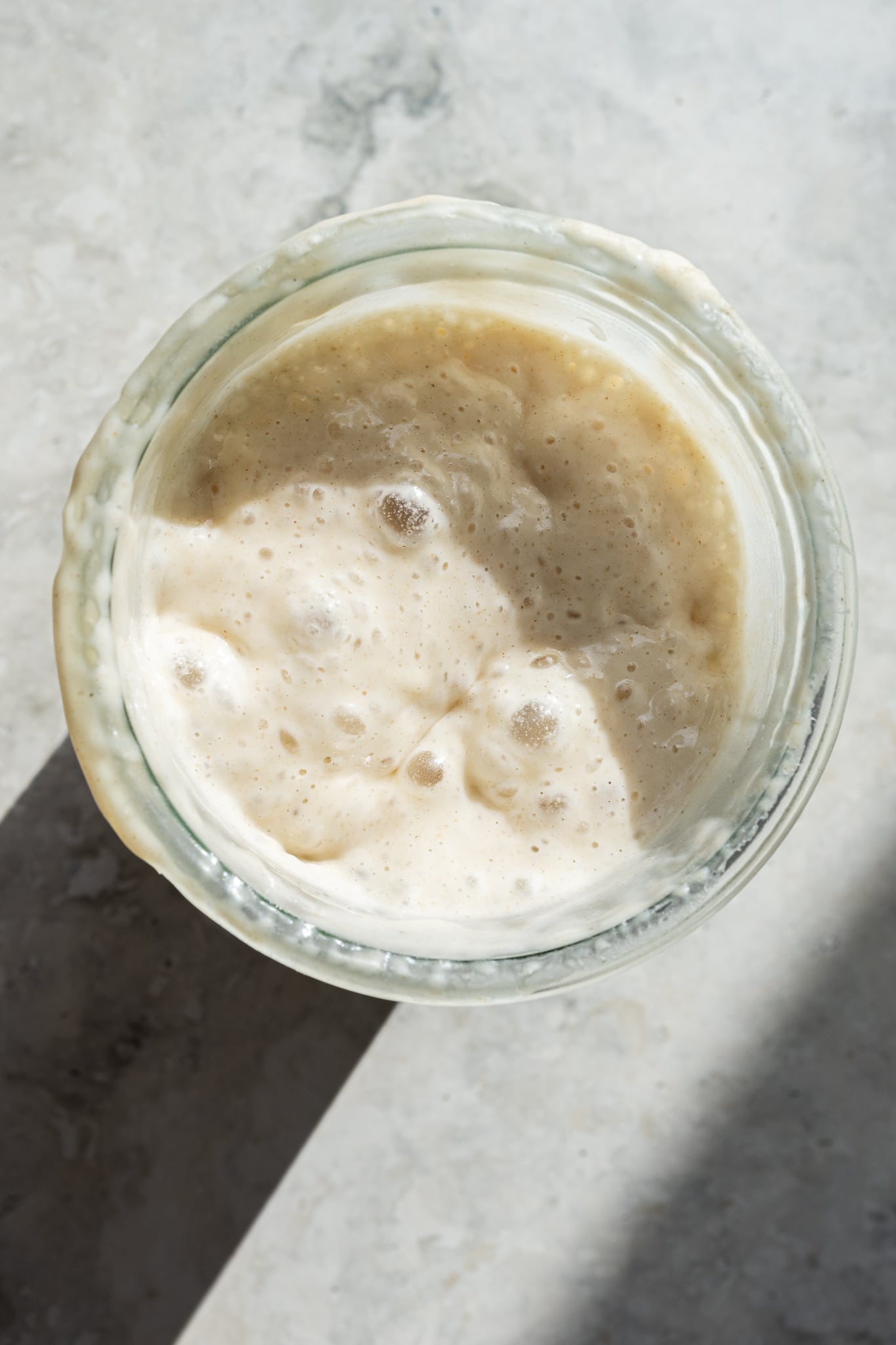
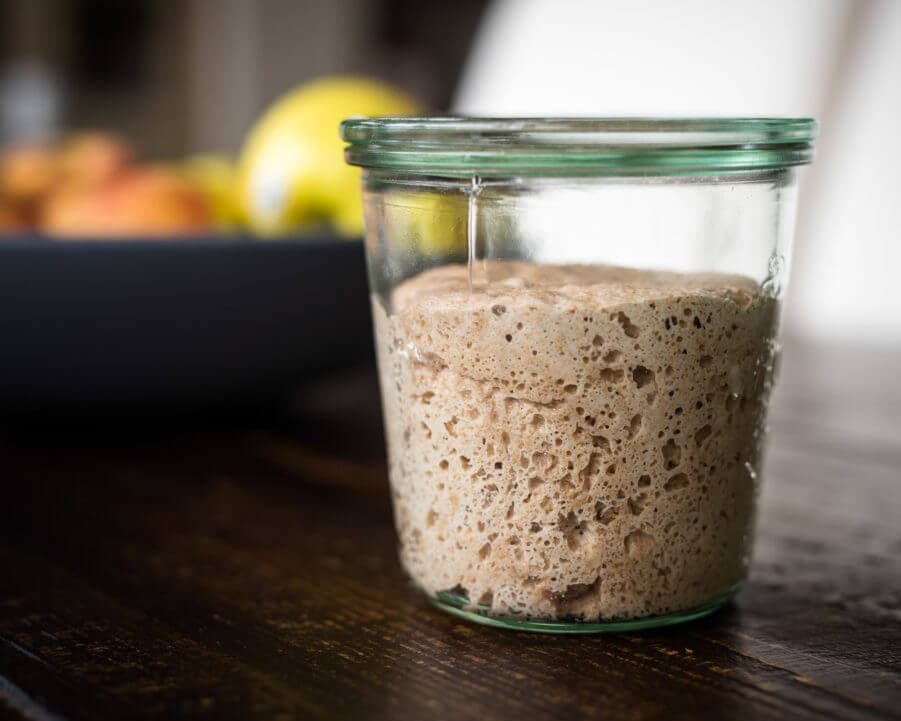
Utilizing a Ripe or Overripe Starter: The easiest way to boost sourness is by using a starter that has passed its peak ripeness. When a starter is "very ripe," it typically exhibits a collapsed structure, a strong, pungent sour aroma, a loose consistency, and abundant bubbles both on the surface and within. This indicates that the microorganisms have consumed most of their available food and have produced a significant amount of acid. Incorporating such a starter, or a levain built from it, directly transfers this accumulated acidity into the dough, influencing the final loaf’s flavor profile. In contrast, using a starter at its peak (risen, with mild sourness and some bubbles) or a "young" starter (before peak ripeness) will result in a milder bread.
-
Extending the Cold Proof (Retardation): This is arguably one of the most reliable methods for developing deeper sour flavors. Refrigerating dough significantly slows down yeast activity while allowing bacteria to continue producing acids at a reduced but persistent rate. This extended cold period, often ranging from 24 to 48 hours or even longer, allows for a greater accumulation of both lactic and acetic acids. The longer the dough remains cold, the more pronounced the sourness will become. This technique is frequently employed in recipes specifically designed for "extra sour" sourdough. However, it’s important to note that excessively long cold proofs can degrade gluten structure, potentially impacting oven spring.
-
Employing a Stiffer Levain: The hydration level of the levain (the pre-ferment made from starter, flour, and water) can influence the type of acid produced. A stiffer levain, typically with 50-65% hydration, tends to favor acetic acid production over lactic acid. This is due to a mechanism similar to cold fermentation: lower hydration environments can slow bacteria more significantly relative to yeast, shifting the balance towards the production of the sharper acetic acid. However, the key here is not just stiffness but also sufficient ripening time. A stiff levain that is allowed to ferment for an adequate period will contribute more significantly to sourness. Conversely, a liquid levain (100% hydration or higher) generally produces a smoother, less aggressive sourness.
-
Warmer Fermentation Temperatures for Increased Acid Production: Temperature plays a dual role in sourdough fermentation. Warmer dough temperatures, ideally between 78-82°F (25-28°C), encourage greater overall bacterial activity. Since many sourdough bacteria have optimal growth temperatures around 89-91°F (32-33°C), maintaining a warmer dough keeps them in their preferred zone, allowing them to produce a higher total volume of acid. While warmer temperatures generally boost overall acidity, a slightly cooler fermentation, coupled with a longer duration, can specifically favor the production of acetic acid, leading to a sharper tang.
-
Increasing Whole Grain Flour Percentage (Especially Rye): Whole grain flours, particularly rye, are rich in minerals that act as a natural buffering system within the dough. This buffering capacity allows the dough to absorb more acid before its pH drops to a level that inhibits bacterial activity. Consequently, doughs made with higher percentages of whole grains can sustain fermentation for longer periods, leading to a greater accumulation of acids and a more pronounced sour flavor. Rye flour, in particular, has a high ash content (mineral content) and is known to significantly enhance sourdough tang, even in small quantities.
-
Allowing Levain to Ripen Longer: The longer a levain is allowed to ferment, the more acid it will produce. If a levain is used when it is young and has not yet reached its full potential for acid production, the resulting bread will have a milder flavor. Conversely, letting the levain ripen beyond its peak, until it develops a stronger sour aroma and a looser consistency, will contribute more acidity to the final dough.
-
Using a Smaller Levain Percentage: This might seem counterintuitive, but a smaller percentage of levain (pre-fermented flour) can actually lead to a more sour loaf. A large, well-ripened levain quickly lowers the dough’s pH from the outset. Since bacteria are sensitive to low pH, their activity slows down as acidity increases. A dough that starts at a lower pH thus has less "runway" for bacteria to produce additional acid. Conversely, a smaller levain initiates fermentation at a higher pH, allowing bacteria to work for a longer duration and accumulate more acid gradually. This often requires a longer overall fermentation time to compensate.
Strategies for Decreasing Sourdough Sourness
For bakers who prefer a more delicate and nuanced acidity, or even a bread with very little tang, several adjustments can be made to temper the sourness.
-
Maintaining a Well-Fed and Regularly Fed Starter: The most effective way to reduce sourness is through diligent starter maintenance. Frequent feeding of the starter dilutes the accumulated acids and provides fresh nutrients for the yeasts and bacteria. A starter that is fed regularly and used at its peak ripeness—characterized by a domed top, ample bubbles, and a mild, pleasant aroma—will contribute less acidity to the dough. This approach yields a bread with a more subtle sourdough character.
-
Utilizing a Young Levain: A "young" levain is one that has risen but has not yet reached its absolute peak ripeness. Using a levain at this stage means it has had less time to produce significant amounts of acid. Such levains, often built with equal parts flour, starter, and water (1:1:1 ratio) and kept at a warm temperature for a shorter duration (3-4 hours), promote high yeast activity with minimal sourness. This is particularly beneficial for applications like sourdough pizza, where a less tangy dough is often desired.
-
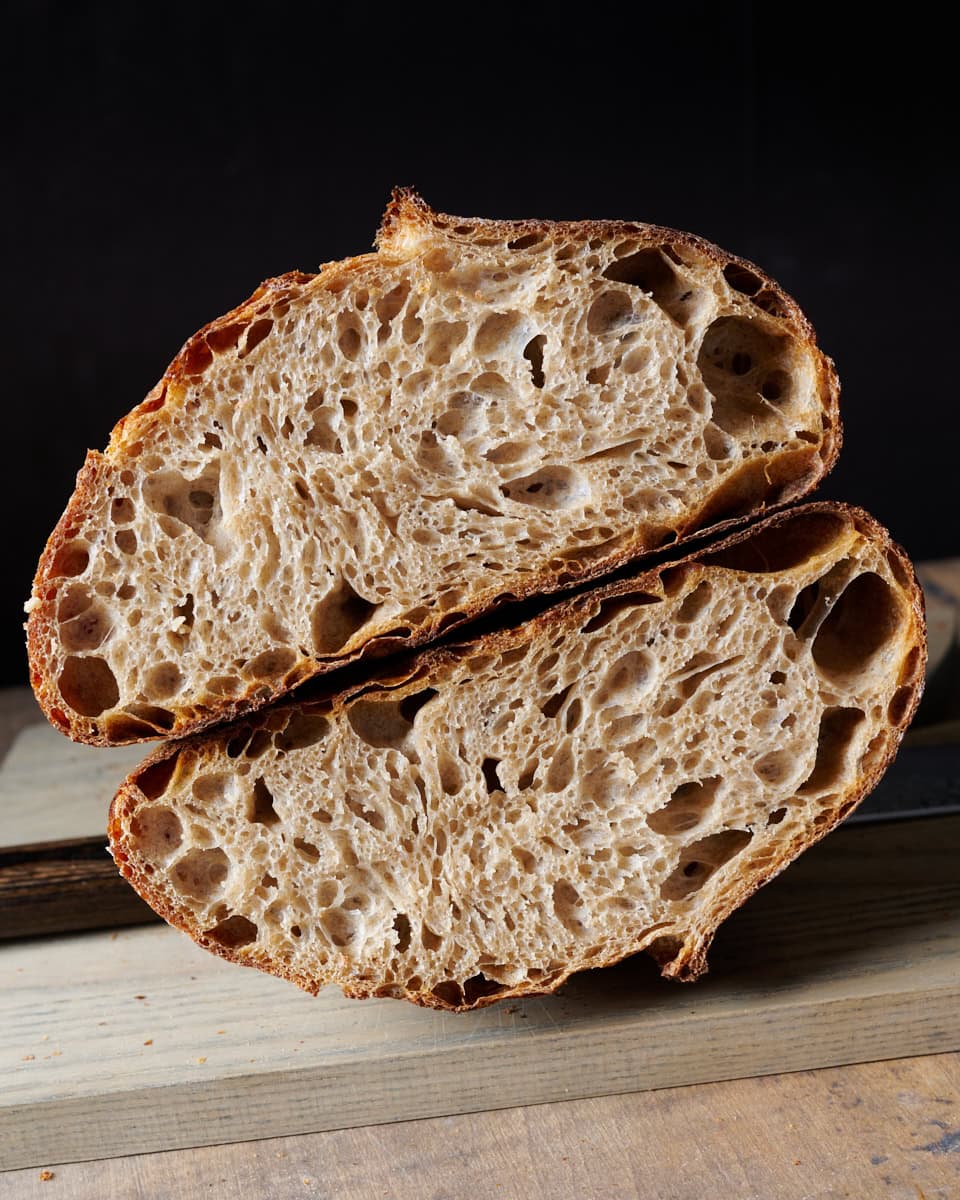
Shortening the Cold Proof: Reducing the duration of the cold proof directly limits the amount of time bacteria have to produce acids. Instead of an overnight (12-16 hour) cold proof, opting for a shorter period of 10-12 hours, or even skipping the cold proof entirely and opting for a room-temperature final proof, will result in a milder bread. This approach often leads to a more grain-forward flavor profile with less pronounced tang.
-
Using a Liquid Levain: Higher hydration levains, such as those at 100% hydration, tend to favor the production of lactic acid, which results in a smoother, creamier sourness. This contrasts with stiffer levains that can promote more acetic acid. A liquid levain, used consistently with other parameters that favor milder flavors, contributes to a gentler sourdough character.
-
Cooler Fermentation Temperatures for Less Total Acid: While cooler temperatures can shift acid production towards acetic acid (sharper tang), they also significantly slow down bacterial activity overall. This reduction in activity leads to less total acid being produced. Therefore, a cooler, shorter bulk fermentation followed by a shorter proof can result in a milder loaf. However, careful monitoring is essential to avoid underproofing.
-
Using a Larger Levain Percentage: As discussed previously, a larger percentage of levain introduces more pre-fermented flour with a lower pH into the dough from the start. This higher initial acidity slows bacterial growth, limiting their ability to produce additional acids during the bulk fermentation. Coupled with potentially shorter fermentation times due to the increased leavening power, this can result in less overall sourness.
The Role of Time and Temperature: A Deeper Dive
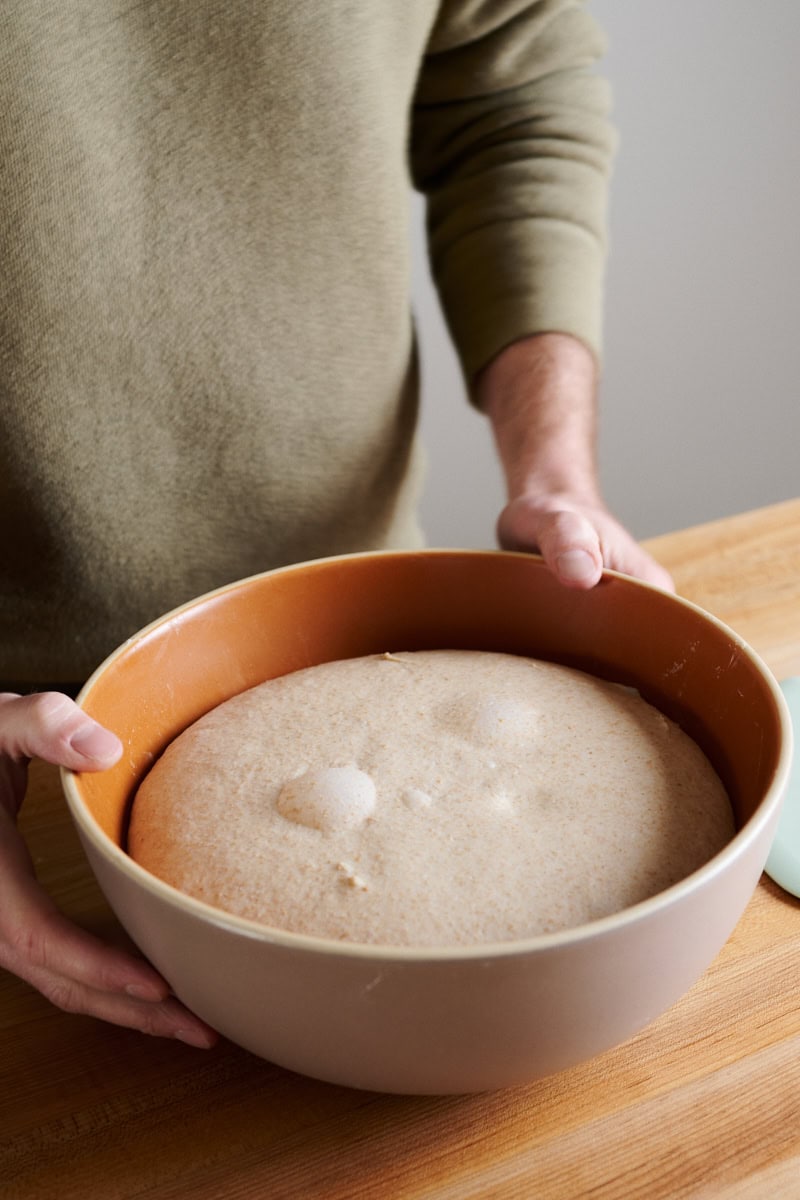
The interplay between time and temperature is fundamental to controlling sourdough sourness. The ideal temperature for bacterial activity in sourdough is around 89-91°F (32-33°C). When dough is kept within this range, bacteria thrive, leading to a higher production of total acid. However, the type of acid produced is also temperature-dependent. Cooler temperatures, while slowing overall fermentation, can shift the balance towards acetic acid production due to the differential impact on yeast and bacteria.
Extended fermentation times, particularly during the cold proof, are a significant factor in developing sourness. Over a period of 24-48 hours in the refrigerator, the gradual, consistent production of acids leads to a more pronounced tang. This is because yeast are slightly less inhibited by cold than bacteria, leading to a continued supply of sugars for bacteria to convert into acids, with a preference for acetic acid.
Common Sourdough Sourness Queries Addressed
-
Does a longer cold proof make bread more sour? Yes. The extended period allows for greater acid accumulation, particularly acetic acid, leading to a more noticeable tang. However, excessively long proofs can negatively impact dough structure and oven spring.
-
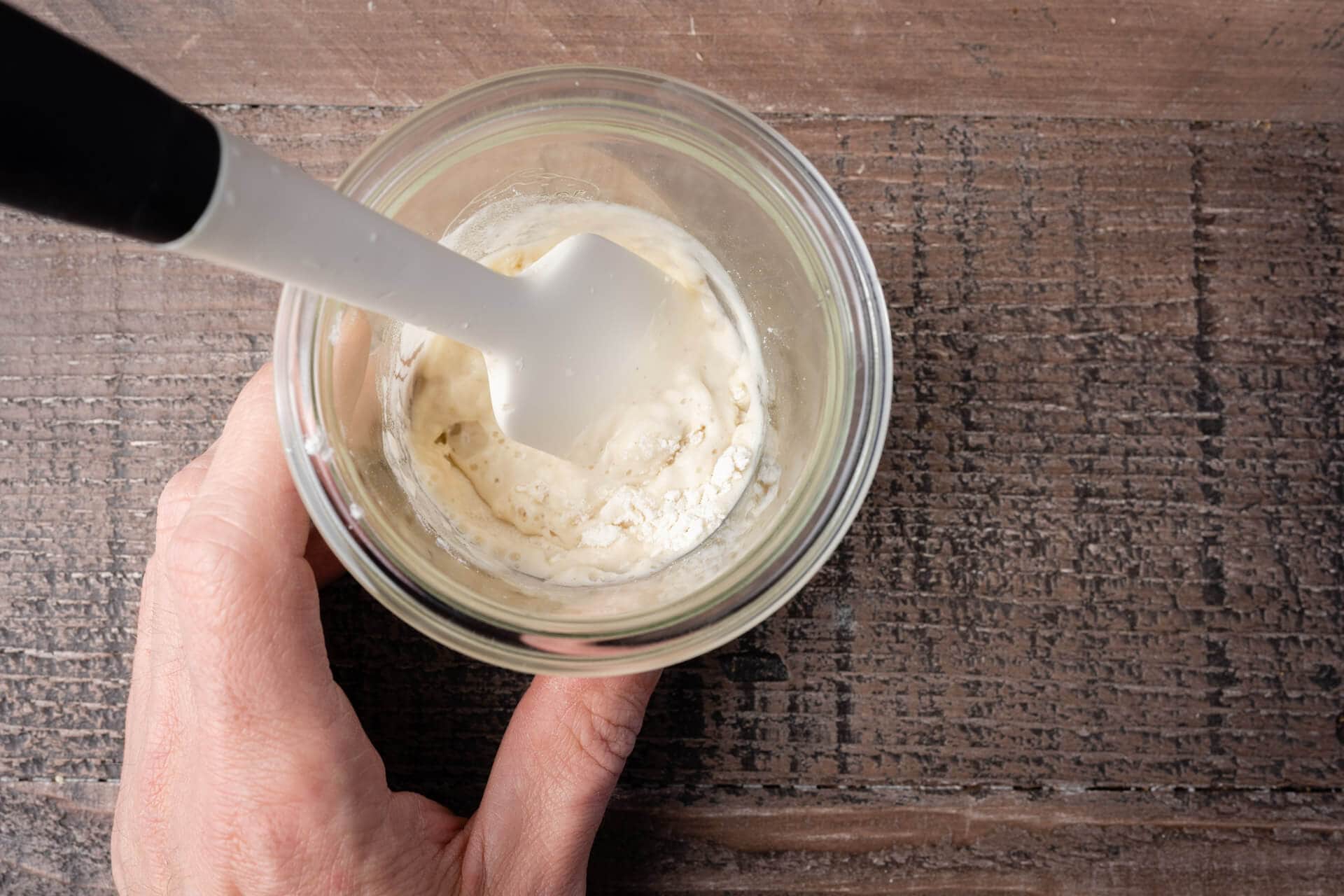
Does using more starter or levain increase sourness? The relationship is nuanced. While more starter introduces more pre-fermented flour, a very large, overripe levain can quickly lower the dough’s pH, inhibiting bacterial growth and limiting further acid production. A smaller levain, combined with longer fermentation, can sometimes lead to more accumulated acid. Consistency in levain percentage and focusing on other variables like starter ripeness and fermentation time often yield more predictable results.
-
Why does my bread have no tang at all? Several factors can contribute to a lack of sourness. A starter that is too young may not have developed a robust enough bacterial population. Using a levain that is too young, or an overly short fermentation period, does not allow sufficient time for acid development. Very warm kitchen temperatures can lead to rapid fermentation and proofing before significant acid can accumulate. Finally, using exclusively refined white flour, which has a lower mineral content (ash), limits the dough’s capacity to buffer acids, thereby reducing overall sourness.
Conclusion: The Art of Personalization
The beauty of sourdough lies in its inherent adaptability. Unlike breads leavened with commercial yeast, where the flavor profile is largely predetermined, sourdough offers bakers a vast palette of control. Sourness is but one facet of this complex flavor, and home bakers possess remarkable agency in shaping it. The advice is to approach experimentation with deliberation. Adjusting one variable at a time—whether it’s extending the cold proof or altering the ripeness of the levain—and carefully observing the impact on the final loaf is key. Through consistent practice and mindful observation, bakers can cultivate an intuitive understanding of how to achieve their preferred flavor profile. Ultimately, there is no single "correct" level of sourness; the ideal is the one that delights the baker and their guests.