
The American Homebrewers Association (AHA) has officially released the March/April 2026 edition of Zymurgy, its flagship publication dedicated to the art and science of home fermentation. This landmark issue arrives at a critical juncture for the global brewing community, centering on a theme titled "The Pivot." As the brewing landscape faces unprecedented volatility due to fluctuating climates, shifting economic paradigms, and a rapidly evolving consumer culture, Zymurgy provides a comprehensive roadmap for how both hobbyists and professional brewers are adapting to maintain the resilience of their craft.
Beyond the strategic analysis of the industry’s future, the latest issue offers a deep dive into the overlooked histories of women in brewing, the emergence of regional lager cultures in the American South, and the indigenous fermentation practices of North America’s most arid regions. Accompanying these features are 12 curated recipes designed to challenge the technical skills of brewers while reflecting the diverse styles highlighted throughout the magazine.

The Strategic Pivot: Adapting to a New Brewing Reality
The core of the March/April 2026 issue examines the "pivot"—a term that has become synonymous with survival in the mid-2020s brewing industry. For decades, the craft beer movement enjoyed a period of linear growth, characterized by the proliferation of taprooms and an ever-expanding market share. However, the current era is defined by a more complex set of challenges.
Climate change has fundamentally altered the supply chain for essential brewing ingredients. Droughts in the Pacific Northwest and heatwaves in Europe have led to volatility in hop yields and barley quality. Zymurgy explores how brewers are pivoting toward more resilient grain varieties and drought-tolerant hop cultivars. Furthermore, the economic pressure of inflation has forced a re-evaluation of the "hobbyist" budget. The magazine provides data-driven insights into how homebrewers are optimizing their processes to reduce waste and energy consumption without sacrificing the quality of the final product.
The shift in beer culture is also a primary focus. With the rise of "sober-curious" movements and the popularity of alternative beverages like hard kombucha and tepache, traditional beer styles are being reimagined. This issue analyzes how the pivot toward lower-alcohol-by-volume (ABV) sessions and high-quality non-alcoholic homebrewing is not merely a trend, but a permanent fixture of the modern fermentation landscape.
Restoring the Narrative: The Matriarchs of Brewing
One of the most significant features in this issue is an investigative look into the "Matriarchs of Brewing." Historically, the act of brewing was a domestic task predominantly managed by women, known as "brewsters" or "ale wives." However, as brewing transitioned from a household necessity to an industrial enterprise during the late Middle Ages and the Industrial Revolution, the contributions of women were systematically marginalized or erased from the historical record.
The feature explores this global legacy, from the Ninkasi-worshipping brewers of ancient Sumer to the influential women who managed communal brew houses in pre-industrial Europe. By painting a global portrait of these figures, Zymurgy aims to correct the historical imbalance and celebrate the modern resurgence of women in the craft. This historical context is vital for understanding the current push for inclusivity within the American Homebrewers Association and the broader craft beer industry, where organizations like the Pink Boots Society continue to advocate for gender equity in the brewhouse.
Regional Evolution: The New Orleans Lager Revolution
For much of its modern history, the beer scene in New Orleans was dominated by a handful of established brands, with Abita Brewing Company serving as the primary representative of Louisiana craft. The city’s humid, subtropical climate historically posed significant challenges for the production of clean, crisp lagers, which require precise temperature control during fermentation and lagering.

However, the March/April 2026 issue documents a remarkable transformation over the last five years. A new wave of New Orleans brewers has embraced the technical rigor of lager production, turning what was once a "lager desert" into a thriving hub for bottom-fermented styles. This evolution is attributed to advancements in small-scale refrigeration technology and a growing consumer demand for "crushable" beers that complement the city’s intense heat and rich culinary traditions. The article profiles the innovators behind this movement, detailing the specific yeast strains and water profiles used to create lagers that can stand up to the Big Easy’s unique environmental demands.
Indigenous Fermentation and Survival in Arid Climates
In a feature titled "Serenity," contributor Art Fitzsimmons explores the fermentation spirits of North America’s hottest and most inhospitable regions. The indigenous peoples of these areas have long utilized the flora of the desert—such as prickly pear, agave, and mesquite—to create fermented beverages that are as much about cultural preservation as they are about refreshment.
Fitzsimmons unveils how these ancient practices are being integrated into modern homebrewing. As water scarcity becomes an increasingly urgent issue, the techniques used by indigenous fermenters to create high-value beverages from minimal resources offer profound lessons for the future of sustainable brewing. The article provides a technical look at the wild yeast strains found in arid environments and how they can be harnessed to produce unique, terroir-driven flavors that cannot be replicated in traditional brewing hubs.

International Spotlight: Islay’s Brewing Identity
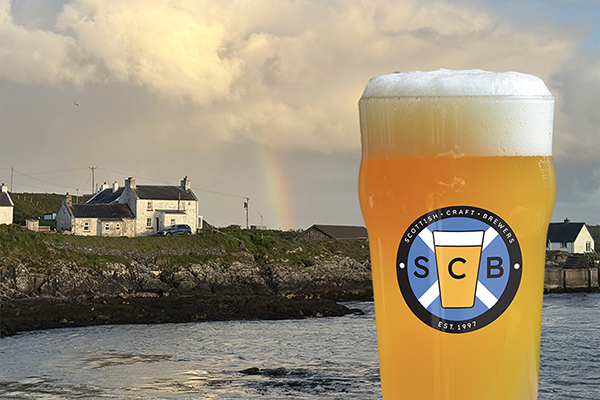
While the Scottish island of Islay is globally renowned for its peated whiskies, the March/April issue of Zymurgy highlights a burgeoning brewing scene that draws inspiration from this rich spirits heritage. Donald MacKenzie and Mackay Smith, influenced by the Scottish Craft Brewers homebrew club, have established a presence that bridges the gap between malt whisky and craft ale.
The feature examines the synergy between Islay’s legendary distilleries and its brewers. By utilizing the same peat-smoked malts and soft, bog-filtered water that define Islay scotch, these brewers are creating "Islay Ales" that offer a distinct sense of place. This exploration serves as a case study in how local homebrew clubs can act as incubators for professional ventures that celebrate regional identity.
Community and Philanthropy: The Stoney Creek Homebrewers
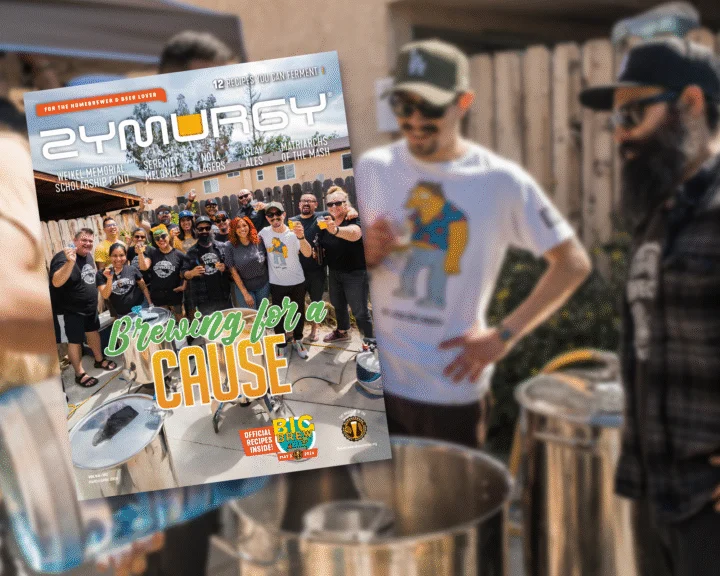
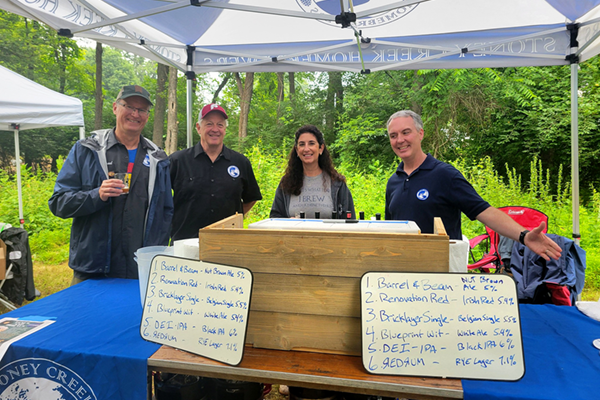
The cover story for this issue, penned by noted brewing author Josh Weikert, focuses on the Stoney Creek Homebrewers club based in Philadelphia. Founded in 2007, the club has evolved from a simple gathering of hobbyists into a powerhouse of community activism.

Following a tragic loss within their ranks, the club established the Weikel Memorial Scholarship Fund. This initiative provides financial support for aspiring brewers seeking professional education, ensuring that the legacy of their fallen member continues to foster the next generation of talent. Weikert’s feature highlights the essential role that homebrew clubs play in the broader social fabric, demonstrating that brewing is often a vehicle for philanthropy and communal support.
Technical Resources and AHA Membership
As is tradition with Zymurgy, the issue is packed with practical resources. The 12 included recipes range from historical recreations of "brewster" ales to modern, climate-resilient lagers and indigenous-inspired fruit fermentations. These recipes are validated by the AHA’s technical committees, ensuring that members have access to reliable, high-quality instructions for their next brew day.
The issue also features a message from Editor-in-Chief Dave Carpenter, a veteran of the brewing world who has been documenting the industry since 2009. Under Carpenter’s leadership, Zymurgy has maintained its status as the "journal of record" for the homebrewing community, balancing technical "geekery" with accessible storytelling.
Access to the full digital and print editions of Zymurgy remains an exclusive benefit for members of the American Homebrewers Association. The AHA continues to advocate for the rights of homebrewers, providing a platform for education, competition, and legislative activism. For a modest subscription fee, members gain access to an archive of decades of brewing knowledge, a community of over 37,000 enthusiasts, and a variety of discounts at breweries and homebrew supply shops across the country.
Implications for the Future of Homebrewing
The themes presented in the March/April 2026 issue suggest that the future of homebrewing lies in a blend of historical reverence and technological adaptation. By looking back at the "matriarchs" and indigenous fermenters, brewers can find sustainable practices that have stood the test of time. By looking forward through the "pivot," they can navigate the economic and environmental uncertainties of the 21st century.
As the craft beer industry continues to mature, Zymurgy’s role in professionalizing the hobby while maintaining its grassroots spirit remains vital. Whether it is through the establishment of scholarship funds in Philadelphia or the revival of lager traditions in New Orleans, the magazine proves that the "pivot" is not just a reaction to hardship, but a proactive embrace of new opportunities in the ever-evolving world of fermentation.