
As the autumn temperatures drop and homebrewers across the nation fire up their equipment to keep their fermenters warm, the American Homebrewers Association (AHA) is marking a pivotal milestone in its organizational history. The year 2025 has proven to be a watershed period for the organization, characterized by its formal transition into a fully independent, stand-alone nonprofit entity. This structural evolution has not only liberated the association from its previous administrative confines but has also empowered its leadership and members to chart an ambitious course for the future of the hobby.
The journey toward complete autonomy has been methodical, driven by a grassroots community that views the craft of homebrewing not merely as a hobby, but as a cultural cornerstone of culinary creativity and community building. With the operational freedom of a dedicated nonprofit, the AHA has introduced a bold new strategic plan designed to expand its footprint significantly over the coming decade. At the heart of this strategy is a unifying and visionary objective: to foster a homebrewer in every neighborhood and establish a homebrew club in every community across the United States.
Background Context and Chronological Evolution
To understand the weight of the AHA’s 2025 milestones, one must examine the institutional history of the organization. Founded decades ago to support the burgeoning underground movement of amateur brewing—which was legalized federally in 1978 under President Jimmy Carter—the AHA grew alongside the craft beer revolution. For many years, the organization operated under larger corporate or publishing umbrellas, providing vital resources such as Zymurgy magazine, the National Homebrew Competition, and localized member discounts.
However, as the craft beverage landscape matured, the administrative needs of the homebrewing community evolved. The push toward complete independence accelerated significantly in late 2024 and culminated in early 2025, when the organization finalized its separation to become a standalone nonprofit.
The chronology of this transition has been marked by strategic checkpoints:
- Late 2024: Preliminary structural planning and legal separation frameworks are established by the founding board to prepare for autonomy.
- April 2025: The AHA board convenes for a critical update meeting, outlining the foundational pillars of the newly independent nonprofit and setting key performance indicators for membership growth.
- November 2025: The organization unveils its comprehensive strategic plan, introducing the community-centric vision of localized brewing ubiquity and rolling out enhanced member services.
- November 5, 2025: A special edition of Zymurgy Live opens its digital doors to the public, offering non-members and members alike a transparent look at the future trajectory of the association.
Supporting Data and Operational Growth
The transition to a standalone nonprofit model has unlocked new operational efficiencies, allowing the AHA to direct resources precisely where members demand them. While the organization has historically relied on dues and event registrations, the newfound administrative agility has streamlined how member benefits are delivered.
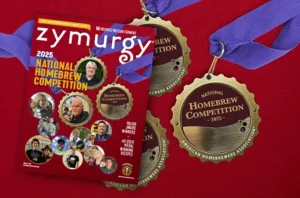
Data compiled by the association highlights steady engagement across its core offerings. The National Homebrew Competition remains the largest amateur brewing competition in the world, validating thousands of recipes annually. Meanwhile, the AHA Member Deals program continues to support local economies by partnering with hundreds of craft breweries, taprooms, and supply shops across North America, offering tangible financial benefits to active members.
Furthermore, the foundational pillars of the organization—Zymurgy magazine, rigorous competition standards, and extensive recipe databases—have been optimized for digital delivery alongside traditional print formats. This dual-pronged approach ensures that both veteran brewers who cherish physical publications and digitally native newcomers have immediate access to authoritative brewing science, troubleshooting guides, and historical styles.
Official Responses and Board Perspectives
The leadership of the AHA has consistently emphasized that the organization’s success is inextricably linked to the dedication of its members. Speaking through recent updates and upcoming community forums, the AHA Founding Board underscored that the structural shift was executed entirely with the community’s best interests in mind.
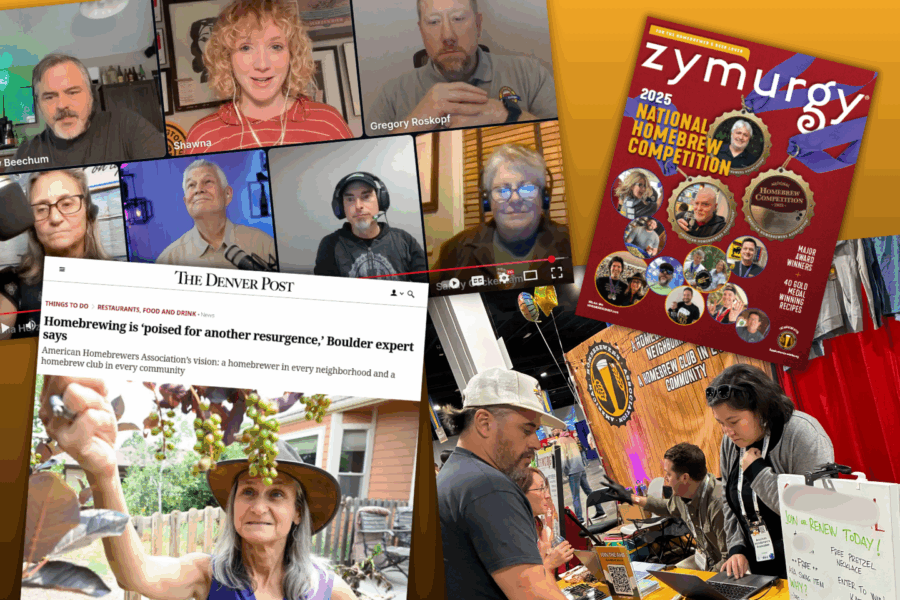
"The AHA exists for you, and because of you," representatives from the founding board shared in a recent address to the membership. "Every policy shift, every platform upgrade, and every strategic goal we establish is filtered through a single question: How does this better serve the homebrewer at the kitchen counter, in the garage, or in the backyard?"
The decision to open the November 5 installment of Zymurgy Live to the general public was viewed as a deliberate step toward inclusivity and transparency. Traditionally restricted to dues-paying members, the open-access broadcast allowed prospective brewers, commercial craft brewers, and industry stakeholders to hear firsthand accounts of the association’s governance, financial health, and long-term vision. Industry observers note that this transparent outreach is vital for capturing demographic cohorts who may be interested in craft beverages but have yet to try their hand at small-batch fermentation.
Broader Impact and Industry Implications
The maturation of the AHA into an independent nonprofit carries significant implications for the broader craft beverage ecosystem. Historically, homebrewing has served as the R&D wing of the commercial craft beer industry. Countless professional brewmasters, head cellarmen, and startup founders traced their origins back to five-gallon batches brewed on kitchen stoves or in suburban basements.
By strengthening the infrastructure of homebrewing through localized clubs and accessible educational resources, the AHA is effectively reinforcing the talent pipeline for the commercial craft sector. A robust homebrewing community ensures a continuous influx of knowledgeable consumers who appreciate the nuances of malt, hops, yeast, and water chemistry. This consumer base is crucial for sustaining independent craft breweries, particularly in an increasingly competitive macroeconomic environment defined by shifting consumer drinking habits and market consolidation.
Moreover, the emphasis on community-level organization—fostering clubs in every municipality—creates vital social networks. These clubs often act as charitable entities, hosting local fundraisers, participating in civic events, and fostering sustainable practices such as spent-grain recycling and water conservation.
Looking Ahead: The 2026 Roadmap
As the organization looks past the close of 2025 and toward the horizon of 2026, the strategic roadmap is characterized by targeted investments in technology, advocacy, and member services. The AHA has signaled that upcoming updates will focus heavily on modernizing digital platforms, making it easier for brewers to share recipes, log brew-day metrics, and connect with regional chapters.
Additionally, legislative advocacy remains a core priority. While federal legalization was achieved decades ago, state and local regulations regarding homebrewing competitions, amateur sharing, and ingredient sourcing continue to vary wildly. The newly independent AHA is positioned to act with greater political flexibility and focus, lobbying on behalf of amateur brewers to protect and expand their legal privileges.
The leadership has also expressed profound gratitude for the patience demonstrated by the membership during the complex administrative migration. Transitioning financial systems, updating legal frameworks, and restructuring member databases require meticulous execution, and the community’s willingness to support the process has been a driving force behind the organization’s current momentum.
Conclusion and Call to Action
The evolution of the American Homebrewers Association into a fully independent nonprofit marks the beginning of a vibrant new chapter for the craft. Armed with a clear vision, strengthened administrative autonomy, and an engaged membership base, the organization is well-equipped to navigate the future while honoring the traditions that built the hobby.
For those invested in the art and science of fermentation, the path forward relies on active participation. Whether through renewing an annual membership, joining a local chapter, mentoring a novice brewer, or participating in upcoming national competitions, the community holds the ultimate keys to the association’s success. As the AHA motto and strategic direction reaffirm, building a homebrewer in every neighborhood and a club in every community is an ambitious undertaking—but one that is entirely achievable through the collective passion of brewers nationwide.