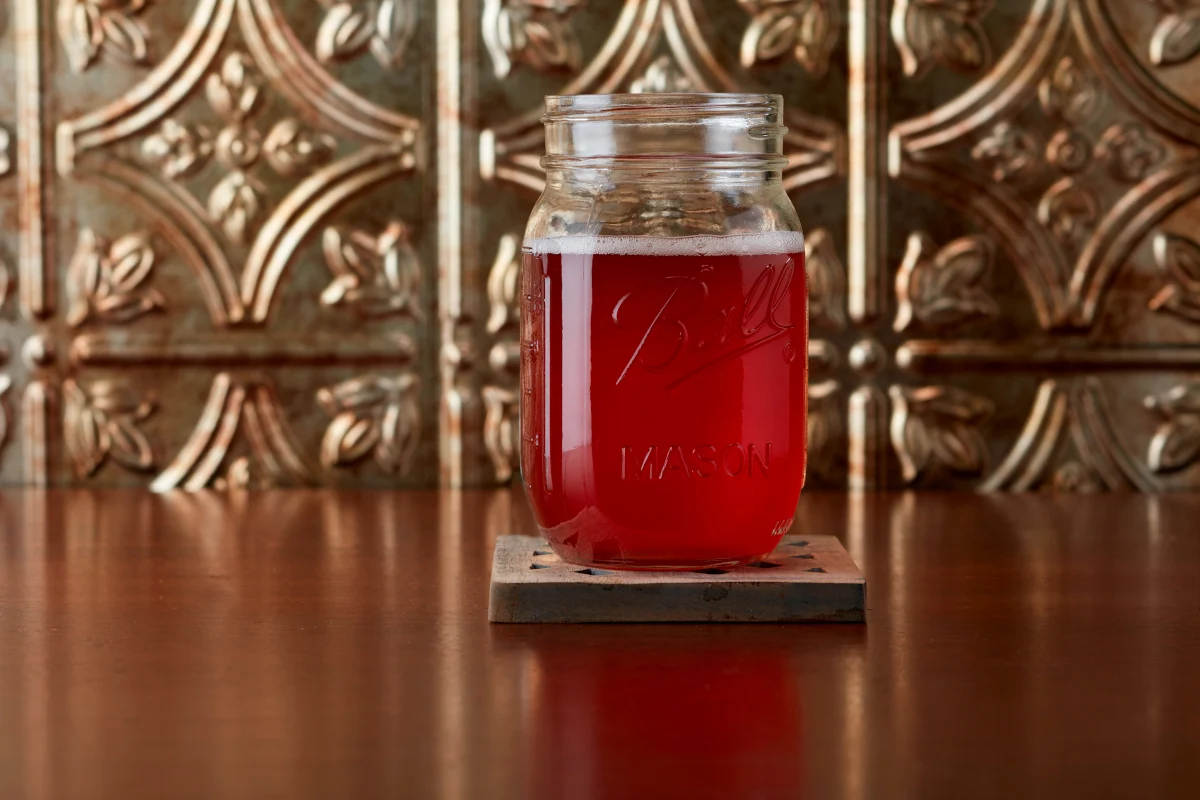

The intersection of modern craft beverage experimentation and traditional brewing techniques reached a new milestone as the American Homebrewer Association (AHA) officially unveiled its curated roster of recipes for Learn to Homebrew Day 2026. Among the most talked-about contributions to this year’s instructional catalog is an unorthodox, highly creative mead developed in partnership with brewing equipment manufacturer Grainfather and crafted by Charlie Biolo, the founder of the prominent mead-making brand Golden Hive Mead. Biolo’s recipe, a sophisticated Coca-Cola bochet, challenges conventional perceptions of honey-based fermentation by substituting traditional spring water with flattened commercial cola and pairing it with deeply caramelized honey.
This unique beverage yields a complex, tangy flavor profile characterized by prominent notes of caramel, cinnamon, vanilla, and lime. While traditional meads rely on a simple baseline of honey, water, and yeast, the 2026 recipe collection highlights a broader industry shift toward boundary-pushing culinary meads. By incorporating everyday commercial ingredients into ancient fermentation frameworks, contemporary brewers are opening new avenues for hobbyists and professionals alike to explore the limits of flavor chemistry, process control, and ingredient sourcing.
Background Context and the Evolution of Learn to Homebrew Day
Established in 1999 by the American Homebrewers Association, Learn to Homebrew Day was created to foster community, demystify the brewing arts, and encourage new enthusiasts to pick up the craft. Over the past two decades, the annual event has grown from a grassroots gathering of local clubs into an international celebration featuring organized workshops, demonstrations, and synchronized brewing sessions across the globe.
In recent years, the AHA has collaborated with prominent industry sponsors, such as Grainfather—known for its advanced, automated all-in-one brewing systems—to elevate the educational materials provided to participants. The 2026 installment placed a distinct emphasis on expanding culinary horizons beyond traditional beer styles. Recognizing a surge in popularity for alternative fermentations like cider, kombucha, and mead, organizers sought out innovators who could bridge the gap between commercial gastronomy and home-scale production.
Enter Charlie Biolo, whose work through Golden Hive Mead has popularized the ancient art of mead-making for a digital-native audience. Biolo has consistently championed approachable, experimental brewing methods. His contribution to the Learn to Homebrew Day 2026 lineup—the Coca-Cola bochet—represents a calculated exercise in balancing high-acid, high-sugar commercial beverages with the delicate, variable nature of fermented honey.
Dissecting the Craft: The Science and Technique of the Coca-Cola Bochet
A bochet is a traditional style of mead in which the honey is caramelized or scorched prior to fermentation. This process breaks down complex sugars into rich, dark compounds, imparting distinct flavors of marshmallow, toffee, dark chocolate, and toasted nuts. Biolo’s recipe takes this historical technique and introduces an unconventional liquid base: commercially produced Coca-Cola.
According to the official production notes released for the event, the execution of this beverage requires precise timing and meticulous process control. Brewers must first allow the soda to go completely flat before initiating fermentation to prevent carbonation interference and off-flavors caused by sudden pressure shifts in standard fermentation vessels. Furthermore, the caramelization of the honey demands acute vigilance. Biolo advises pulling the honey from the heat source well before it appears fully done, noting that residual heat will continue the darkening process long after the pot is removed from the burner.
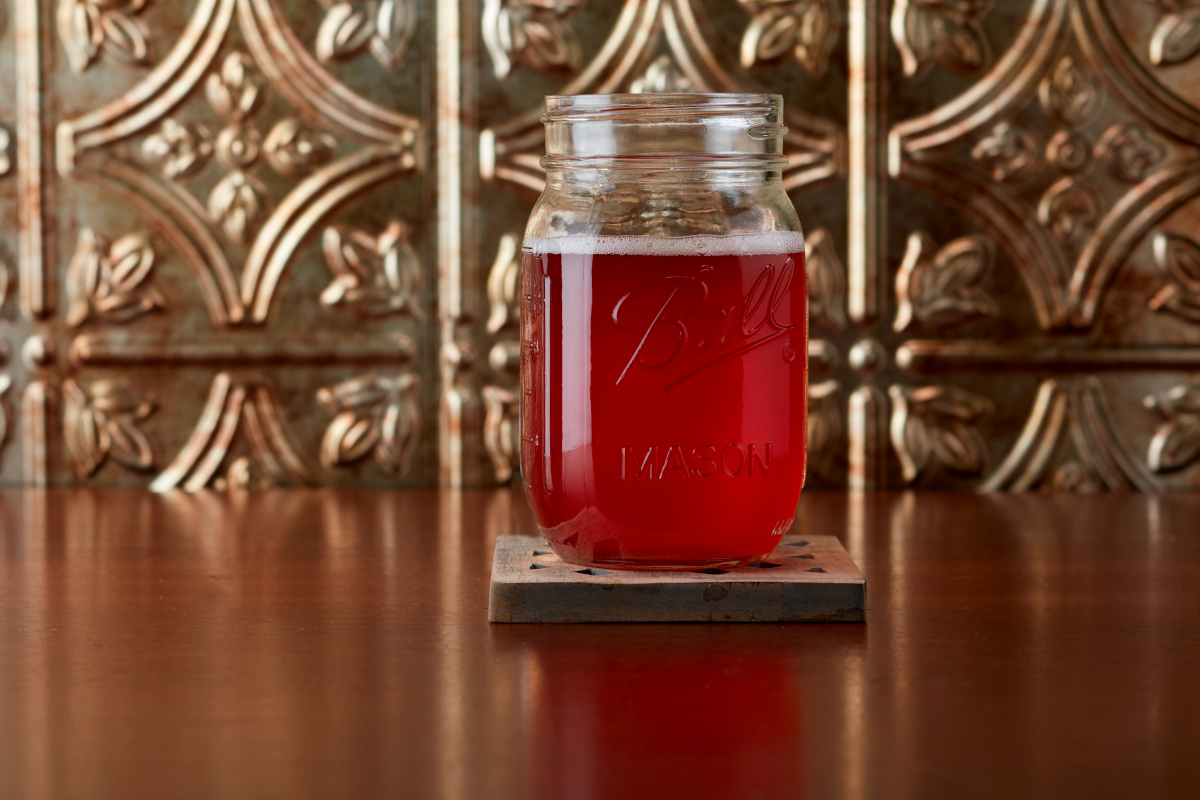
The ingredient architecture is divided into distinct phases to manage the complex flavor interactions:
- Day of Batching: The foundational mixture combines the flattened cola, aggressively caramelized honey, specialized mead yeast, and targeted nutrient additions to support healthy fermentation in a high-stress, acidic environment.
- Post-Fermentation: Once primary fermentation concludes, the beverage must be chemically or physically stabilized before backsweetening—the process of adding unfermented sugars to adjust the final sweetness level.
Throughout the aging process, which involves extended contact with oak and selected spices, brewers are encouraged to conduct weekly tastings. This rigorous sensory evaluation ensures that the wood tannins and spice profiles harmonize effectively with the underlying cola and caramelized honey base without overwhelming the palate.
Industry Implications and Expert Analysis
The inclusion of a soda-based bochet in a flagship educational event like Learn to Homebrew Day underscores a broader evolution within the hobbyist community. For decades, homebrewing was strictly bound by style guidelines dictated by organizations like the Beer Judge Certification Program (BJCP). However, the explosive growth of the craft beverage sector over the past fifteen years has given rise to a culture of unbridled experimentation.
Industry analysts note that projects like Biolo’s Coca-Cola mead serve a vital dual purpose for organizations like the AHA. First, they attract younger, adventurous demographics who may find traditional brewing guidelines intimidating or uninspired. By utilizing familiar flavor profiles—such as the universally recognized spice blend of cola—novice brewers find a comfortable entry point into the technical complexities of yeast management, gravity readings, and stabilization. Second, these recipes push experienced hobbyists to refine advanced skills, such as barrel-aging, spice infusion, and the management of high-sugar, high-acid musts.
From a commercial standpoint, the collaboration between Grainfather and prominent content creators like Biolo highlights the growing synergy between hardware manufacturers and digital influencers. As homebrewing technology becomes increasingly automated and accessible through precision equipment, the limiting factor for brewers is no longer mechanical capability, but creative vision. Recipes that bridge the gap between historical brewing methods and pop-culture ingredients demonstrate how modern equipment can be utilized to execute highly technical, unconventional flavor trials with consistent results.
Broader Impact on the Homebrewing Community
As Learn to Homebrew Day 2026 events conclude worldwide, the legacy of recipes like the Coca-Cola bochet will likely be measured by the discussions it generates within local homebrew clubs and online forums. While purists may debate the boundaries of what constitutes traditional mead, the overarching consensus among educators is that experimentation drives engagement and skill retention.
By demystifying advanced techniques—such as caramelizing honey and managing post-fermentation stability—guidelines provided by creators like Charlie Biolo empower homebrewers to take calculated risks in their own cellars. Whether these experimental batches become mainstays of local competitions or remain localized novelty projects, they reinforce the core ethos of the homebrewing community: continuous learning, creative freedom, and a shared passion for the craft of fermentation.