
The Rise of Sheet Pan Gastronomy
The sheet-pan cooking method has gained significant traction in the last decade, particularly within the wellness and fitness communities. According to culinary industry reports, the movement toward "minimalist cooking" is a direct response to the decline in available time for daily meal preparation. By centralizing the cooking process onto a single tray, individuals can reduce the total time spent in the kitchen by approximately 40% compared to traditional stove-top methods that require constant monitoring and multiple vessels.
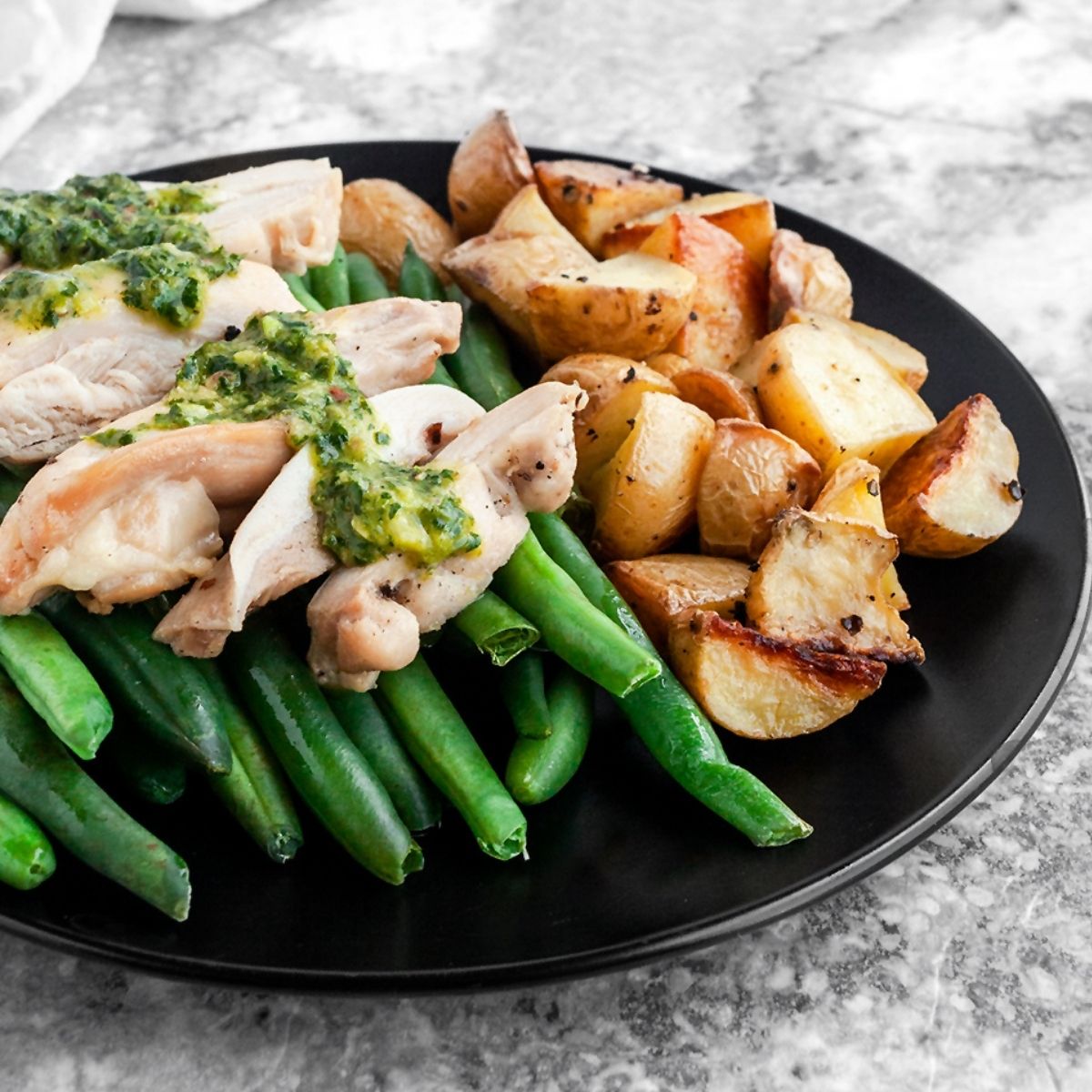
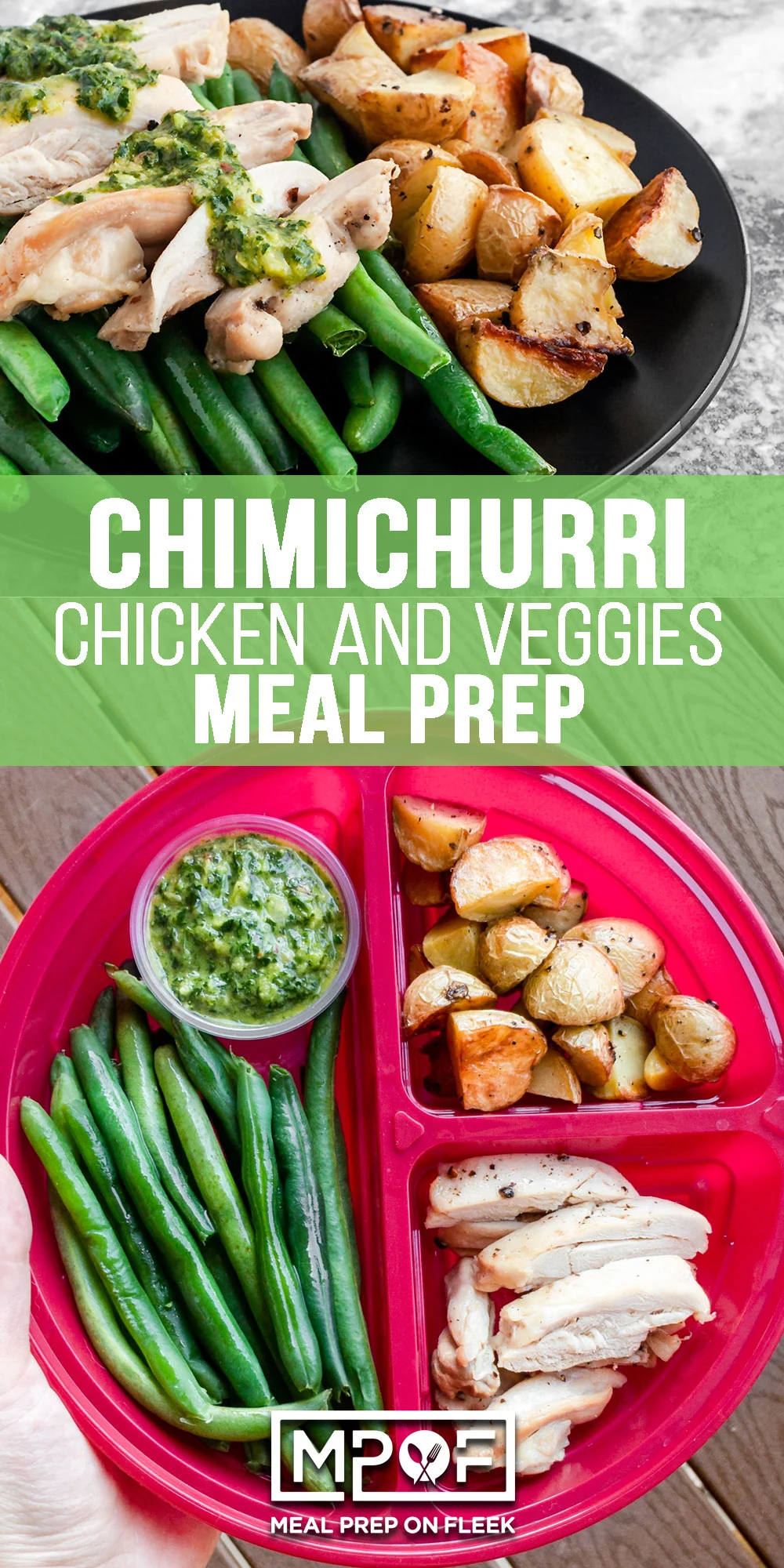
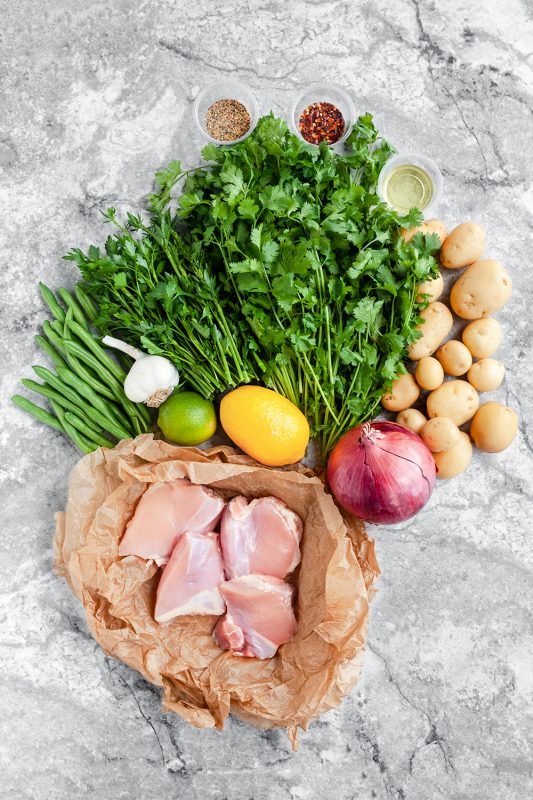
This specific recipe integrates chicken thighs, gold potatoes, and green beans. The selection of ingredients is deliberate: chicken thighs offer higher moisture content and structural integrity during extended heat exposure compared to chicken breasts, while gold potatoes and green beans provide a stable carbohydrate and fiber base that withstands the reheating process without losing texture.
Nutritional Composition and Dietary Value
From a nutritional perspective, this meal serves as a robust option for individuals monitoring their macronutrient intake. Each serving, calculated at approximately 649 calories, contains roughly 37.6 grams of protein, 28.8 grams of carbohydrates, and 44.7 grams of fat. The inclusion of high-quality fats from olive oil and avocado oil, combined with the micronutrients found in the parsley and cilantro-based chimichurri sauce, aligns with contemporary dietary guidelines emphasizing whole-food sources.
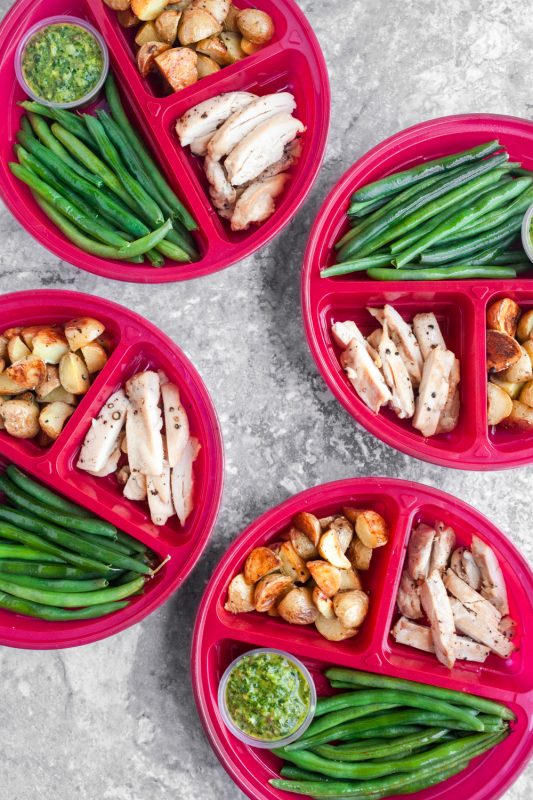
The chimichurri component, a traditional South American condiment, acts as a functional element in this dish. Beyond providing a flavor profile characterized by herbaceous, acidic, and spicy notes, the sauce—rich in fresh garlic, parsley, and citrus—acts as a preservative of sorts, cutting through the savory fats of the roasted chicken. Scientific studies on the bioavailability of nutrients suggest that consuming herbs like parsley and cilantro with healthy fats, such as olive oil, can enhance the absorption of fat-soluble vitamins, including Vitamins A, K, and E.
Systematic Chronology of Preparation
To achieve the optimal balance of textures, the preparation follows a strict, four-stage procedural workflow:
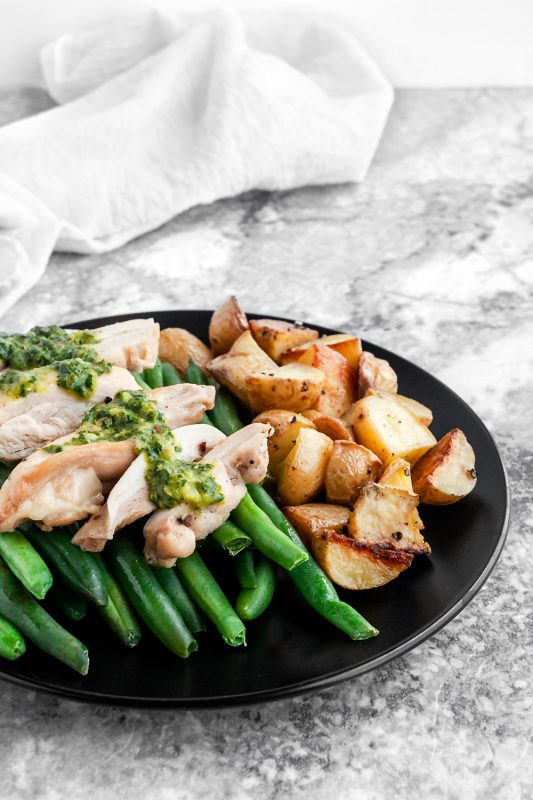
- Thermal Preparation: The process begins with preheating the oven to 400°F (204°C). This temperature is the industry standard for "roasting," which facilitates the Maillard reaction—a chemical reaction between amino acids and reducing sugars that gives browned food its distinctive flavor.
- Ingredient Standardization: Potatoes are quartered to ensure the surface area allows for even thermal conductivity. Green beans are trimmed to facilitate uniform roasting, and the chicken is patted dry. Removing surface moisture is a critical technical step; moisture on the skin of the chicken would otherwise cause the meat to steam rather than roast, preventing the development of a desired texture.
- Controlled Thermal Processing: The ingredients are arranged in specific zones on the sheet pan. By placing the chicken on one side and the vegetables on the other, the cook can manage the moisture release from the green beans without affecting the chicken. The cooking duration is set between 25 and 30 minutes, or until the chicken reaches an internal temperature of 165°F (74°C), as mandated by food safety guidelines to ensure the elimination of foodborne pathogens.
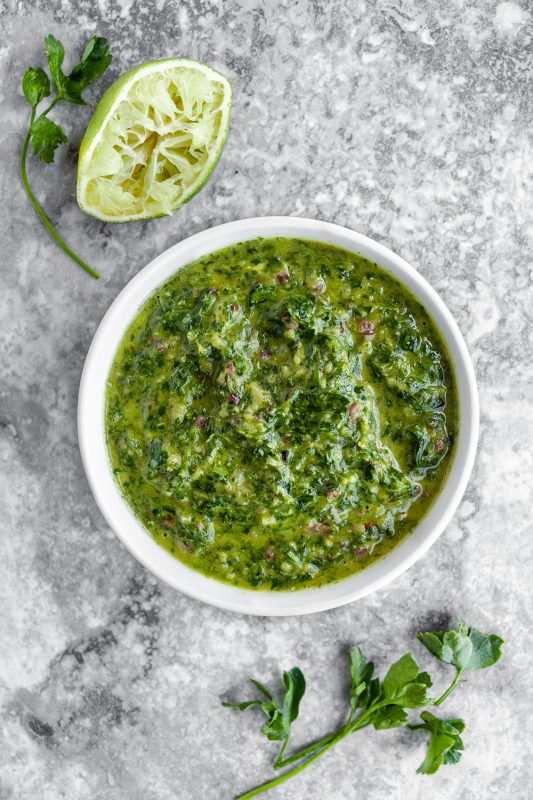
- Emulsification and Finishing: The chimichurri sauce is prepared in a food processor while the sheet pan is in the oven. The key is to pulse the mixture rather than blending it into a puree, preserving the coarse texture that distinguishes authentic chimichurri from a smooth vinaigrette.
Food Safety and Storage Protocols
Proper storage is the final, essential stage of the meal-prep lifecycle. Clinical food safety experts recommend that cooked items be cooled to room temperature before being sealed in airtight containers to prevent condensation, which can foster bacterial growth and degrade the quality of the starch.
The shelf-life for this dish is calculated at four days under refrigeration. This timeline is based on the degradation of fresh herbs and the oxidation of the cooked proteins. If extended storage is required, freezing the proteins is viable, though it is advised to exclude the green beans and fresh chimichurri from the freezing process, as the cellular structure of the green beans will collapse upon thawing, and the flavor profile of the raw herbs will significantly diminish in sub-zero temperatures.
Broader Economic and Lifestyle Implications
The emergence of recipes like Sheet Pan Chimichurri Chicken and Veggies is symptomatic of a larger shift in consumer behavior. With the rising cost of dining out, meal prep has become an economic imperative for many households. Analysis indicates that home-cooked meals prepared in bulk are approximately 60% to 75% more cost-effective than comparable takeout options.
Furthermore, the "batch-cook" methodology serves as a tool for habit formation. By standardizing the nutritional intake for the work week, individuals report higher success rates in maintaining specific dietary goals. The inclusion of professional-grade, high-protein recipes into the home kitchen reduces the reliance on processed, pre-packaged convenience foods that are often high in sodium and preservatives.
Expert Analysis of Future Trends
Industry analysts expect the trend toward "one-pan" solutions to continue as manufacturers develop better high-heat, non-stick materials and modular storage containers designed specifically for these dimensions. The focus is shifting toward "modular eating," where the base proteins and starches remain consistent, but the flavor profile is altered by the addition of different sauces—much like how the chimichurri acts as the primary flavor agent in this dish.
In conclusion, the Sheet Pan Chimichurri Chicken and Veggies recipe represents a intersection of nutritional science, logistical efficiency, and culinary tradition. By optimizing the preparation process and adhering to rigorous safety and storage standards, home cooks can achieve high-quality results that compete with professional catering services while significantly reducing the overhead costs associated with daily food procurement. As the modern workforce continues to seek out sustainable and healthy alternatives to convenience eating, such recipes will remain a vital component of the domestic landscape, providing a blueprint for the future of organized, health-conscious living.