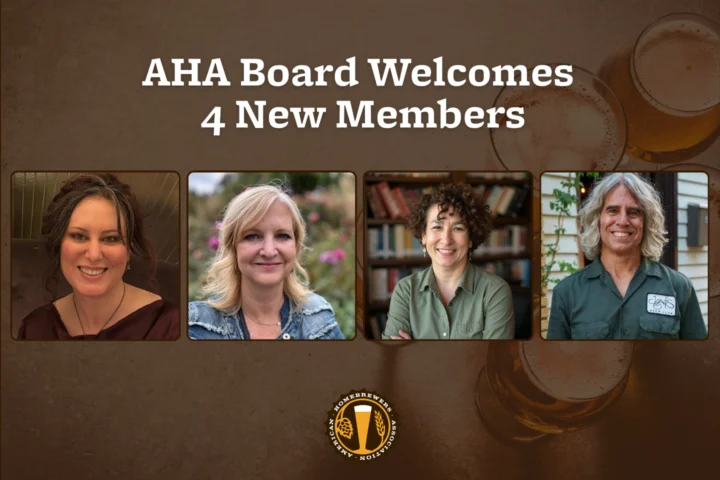

The American Homebrewers Association (AHA) has officially concluded its first-ever board of directors election as an independent entity, marking a significant structural milestone for the organization and its thousands of members worldwide. Following a comprehensive nomination and voting process that took place throughout March 2026, the association has named four new members to its governing body. This election represents the culmination of a multi-year transition toward institutional autonomy, as the AHA establishes itself as a self-governed organization operating under both 501(c)(6) and 501(c)(3) tax-exempt statuses.
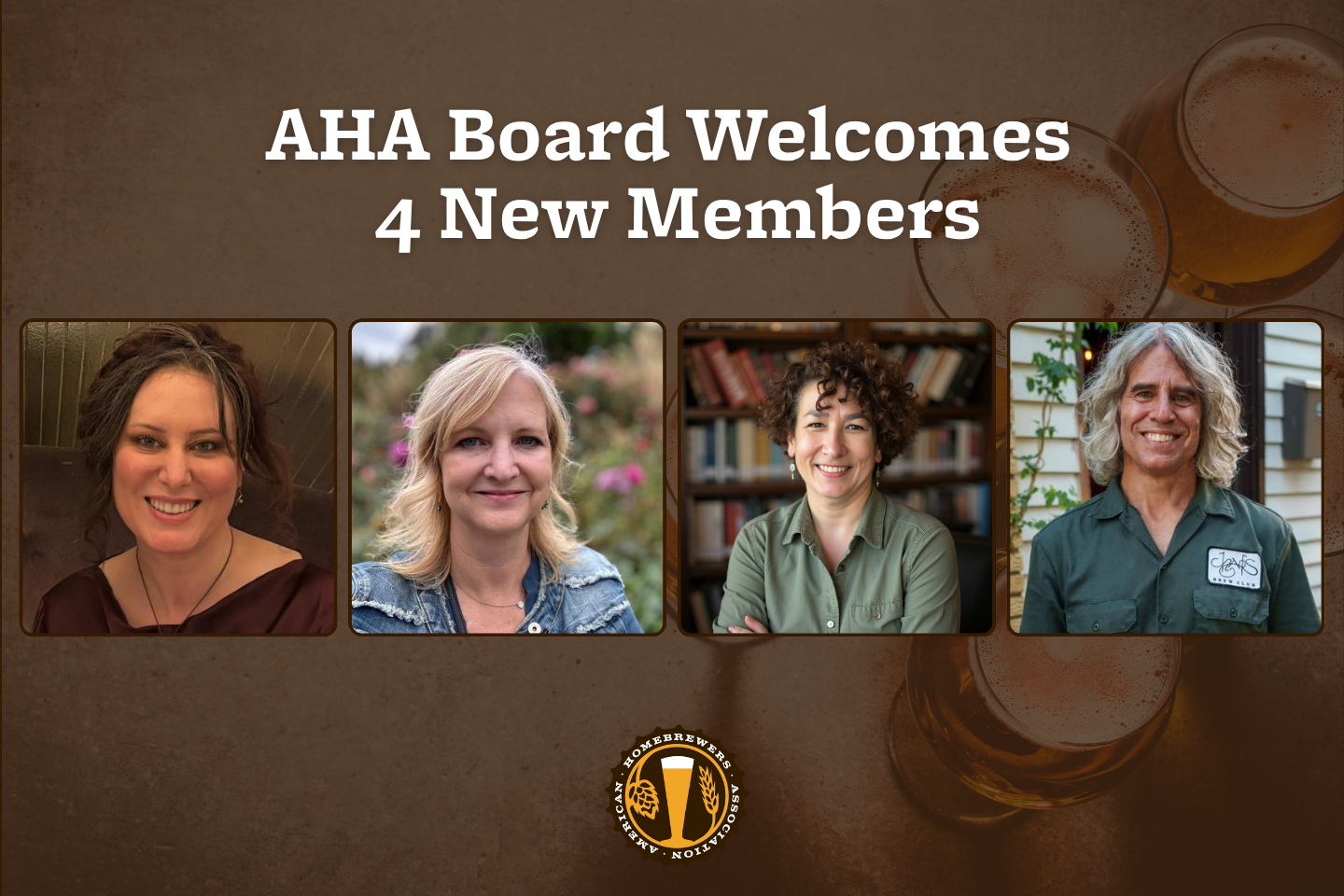
The newly elected board members include Jen Blair, Stephanie Butler, Jen Pereira, and Jeff Whelpley. These individuals were selected from a competitive slate of 10 candidates, who were in turn narrowed down from an initial pool of 28 nominees. Their election signals a fresh chapter for the AHA, which has spent nearly half a century fostering the hobby of home fermentation. The new directors will each serve a three-year term, working alongside continuing board members Shawna Cormier, Drew Beechum, and Gregory Roskopf to oversee the association’s strategic direction, financial health, and advocacy efforts.
The Path to Independence and Governance Structure
The 2026 election is more than a routine administrative update; it is the first democratic exercise of the AHA as a fully independent organization. Historically, the AHA operated as a division of the Brewers Association (BA), the trade group representing small and independent American craft brewers. While the two organizations remain closely aligned in their mission to promote high-quality beer, the AHA’s shift to independent 501(c)(6) and 501(c)(3) status allows for a more dedicated focus on the specific needs of the individual hobbyist and the community-level homebrew club.
Under this new dual-entity structure, the AHA functions as a 501(c)(6) membership organization, which permits it to engage in advocacy and promote the common interests of its members. Simultaneously, the A-HA Foundation, a 501(c)(3) supporting organization, focuses on the educational and charitable aspects of the hobby. This structural realignment ensures that the AHA can protect the legal rights of homebrewers—such as the ability to transport and share homebrew at events—while also funding research, scholarships, and educational resources that benefit the broader fermentation community.
The election process itself was designed to reflect this new autonomy. By allowing the membership to vote directly for their leadership, the AHA has moved toward a governance model that prioritizes grassroots representation. The high volume of interest, evidenced by the 28 original nominees, suggests a revitalized engagement among the membership as the organization enters this new era.
Profiles in Leadership: The Incoming and Outgoing Board
The four incoming directors bring a diverse array of expertise to the board, ranging from technical brewing knowledge and sensory evaluation to organizational management and community building.
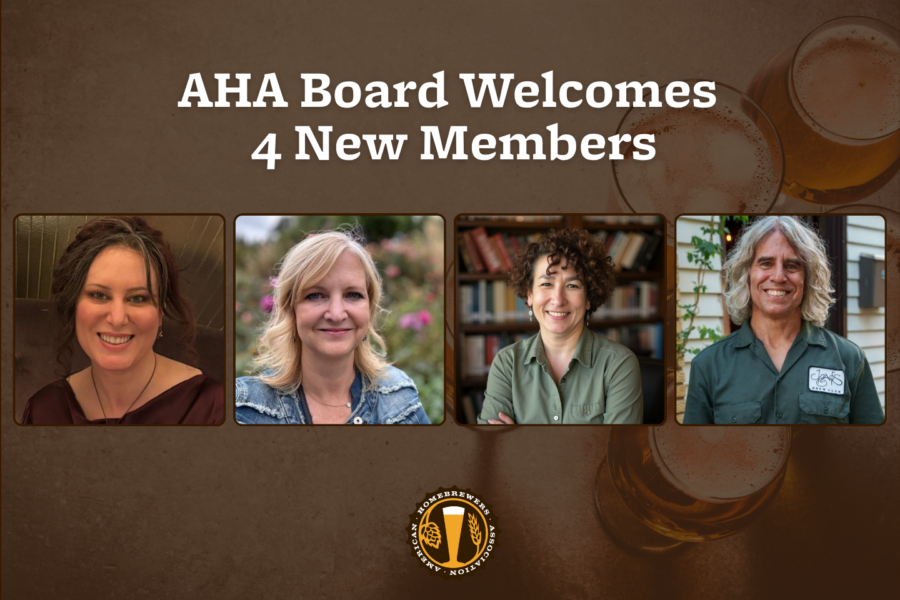
Jen Blair is widely recognized in the brewing community as an advanced Cicerone and a BJCP (Beer Judge Certification Program) National Judge. Her focus on education and sensory science is expected to bolster the AHA’s efforts to provide high-level technical resources to its members. Stephanie Butler and Jen Pereira bring significant experience in community outreach and club management, areas that are vital to the AHA’s vision of fostering "a homebrew club in every community." Jeff Whelpley, known for his contributions to the digital and media landscape of brewing, will likely assist the association in modernizing its digital resources and reaching a younger, more tech-savvy demographic of fermentation enthusiasts.
The transition also marks the departure of founding board members Sandy Cockerham and Gary Glass. Cockerham and Glass played instrumental roles in the "Founding Board," a transitional body tasked with navigating the complex legal and operational hurdles of becoming an independent association. Gary Glass, in particular, served for many years as the director of the AHA under the Brewers Association umbrella, providing a bridge between the organization’s legacy and its future. The AHA leadership expressed profound gratitude for their service, noting that their dedication was essential in shaping the framework of the now-independent association.
The 2026 Annual Meeting and Homebrew Con
The new board will be officially seated on June 20, 2026, during the AHA’s annual meeting in Asheville, North Carolina. This meeting is held in conjunction with Homebrew Con, the association’s premier annual event. Asheville, often referred to as "Beer City USA," provides a symbolic backdrop for this transition. The city is home to a dense concentration of craft breweries and a vibrant homebrewing culture, making it an ideal location for the seating of a board dedicated to community-level growth.
Homebrew Con serves as the primary gathering point for the membership, featuring the National Homebrew Competition (NHC) awards, educational seminars, and the famous "Club Night," where dozens of homebrew clubs from across the country pour their creations. The 2026 event is expected to see a surge in attendance as members gather to celebrate the organization’s independence and meet the new leadership face-to-face.
Historical Context: From the Cranston Act to Modern Independence
To understand the significance of this election, one must look back at the history of homebrewing in the United States. While brewing beer at home is a tradition as old as the country itself, it was effectively banned during Prohibition. It remained technically illegal at the federal level even after the repeal of the 18th Amendment in 1933, due to a clerical error in the legislation that legalized winemaking but omitted beer.
It was not until 1978 that President Jimmy Carter signed H.R. 1337, which included an amendment sponsored by Senator Alan Cranston legalizing the home production of beer for personal or family use. That same year, Charlie Papazian founded the American Homebrewers Association in Boulder, Colorado. For decades, the AHA functioned as the heartbeat of the hobby, launching Zymurgy magazine and the National Homebrew Competition.
As the craft beer industry exploded in the 1990s and 2000s, the AHA became a division of the Brewers Association. This partnership was mutually beneficial; homebrewers provided the talent pool and innovation that fueled the craft beer revolution. However, as the industry matured, the needs of commercial brewers and the needs of hobbyists began to diverge. The decision to move toward independence allows the AHA to return to its roots as a member-driven organization focused exclusively on the individual enthusiast.
Strategic Vision: "A Homebrewer in Every Neighborhood"
The newly elected board inherits a clear mandate, summarized by Board Chair Shawna Cormier: "We look forward to bringing AHA’s vision of ‘a homebrewer in every neighborhood and a homebrew club in every community’ to life."
This vision addresses a critical challenge in the modern hobby landscape. While the "homebrew boom" of the early 2010s has leveled off, the interest in fermentation more broadly—including mead, cider, kombucha, and sake—continues to grow. The AHA is tasked with expanding its reach to include these diverse fermentation interests while maintaining the core traditions of homebrewing.
The association’s strategy involves several key pillars:
- Advocacy: Continuing to fight for the rights of homebrewers at the state and federal levels, particularly regarding the ability to share homebrew in public spaces and the removal of antiquated "statute-of-limitations" on personal production volumes.
- Education: Leveraging the expertise of members like Jen Blair to provide world-class educational content through Zymurgy and the AHA website.
- Community Support: Providing resources to local homebrew clubs, which serve as the primary entry point for new hobbyists.
- Validation: Maintaining the National Homebrew Competition as the gold standard for fermentation excellence, providing members with professional-grade feedback on their hobby.
Broader Implications for the Fermentation Industry
The independence of the AHA is being watched closely by the wider beverage industry. Homebrewers have long served as the "research and development" arm of the craft beer world. Many of the most popular styles today, from New England IPAs to pastry stouts, had their origins in the experimental carboys of homebrewers.
By strengthening the AHA through a democratically elected board and independent status, the organization ensures a healthy pipeline of talent and innovation for the commercial sector. Furthermore, as a 501(c)(6), the AHA can now move more nimbly in response to legislative changes that affect the hobby. This includes pushing for more favorable laws regarding the shipment of homebrew for competitions, a perennial hurdle for the National Homebrew Competition.
As the association prepares for its June meeting in Asheville, the atmosphere is one of cautious optimism. The transition to independence is a complex undertaking, but the successful execution of this first historic election suggests that the membership is ready to take the reins. With a balanced board of experienced veterans and fresh voices, the American Homebrewers Association is positioned to navigate the challenges of the 21st-century hobby landscape while staying true to the values of community, education, joy, and volunteerism that have defined it since 1978.