
The global agricultural and artisanal baking sectors are undergoing a quiet structural evolution, bringing agricultural science, farm gate economics, and traditional baking techniques into a unified focus. This shift was on display from July 19 to 21, 2026, in Washington State’s Skagit Valley, where the Washington State University (WSU) Breadlab and the Washington State Department of Agriculture (WSDA) hosted the Grain Gathering. Marking the first iteration of the event in eight years, the three-day symposium convened grain breeders, agronomists, regional millers, commercial bakers, and home-scale practitioners under the unifying theme of Nourishing Communities.
Against the backdrop of towering test plots of population spelt, experimental breeding lines, and commercial grain processing facilities, the event served as both a technical workshop and an industry-wide forum. Attendees examined the systemic economic and nutritional disconnects within modern commodity grain supply chains, exploring localized models designed to return financial value to agricultural producers while re-evaluating the genetic priorities of contemporary wheat breeding.
Main Facts and Event Overview
The 2026 Grain Gathering drew hundreds of participants representing every tier of the grain economy. Rather than functioning as a conventional academic conference or a purely commercial trade show, the event facilitated direct collaboration among individuals typically separated by thousands of miles of industrial processing, transport, and distribution infrastructure.
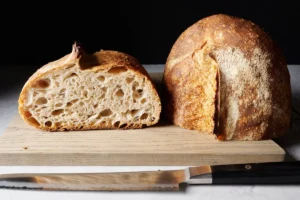
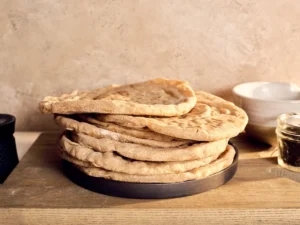
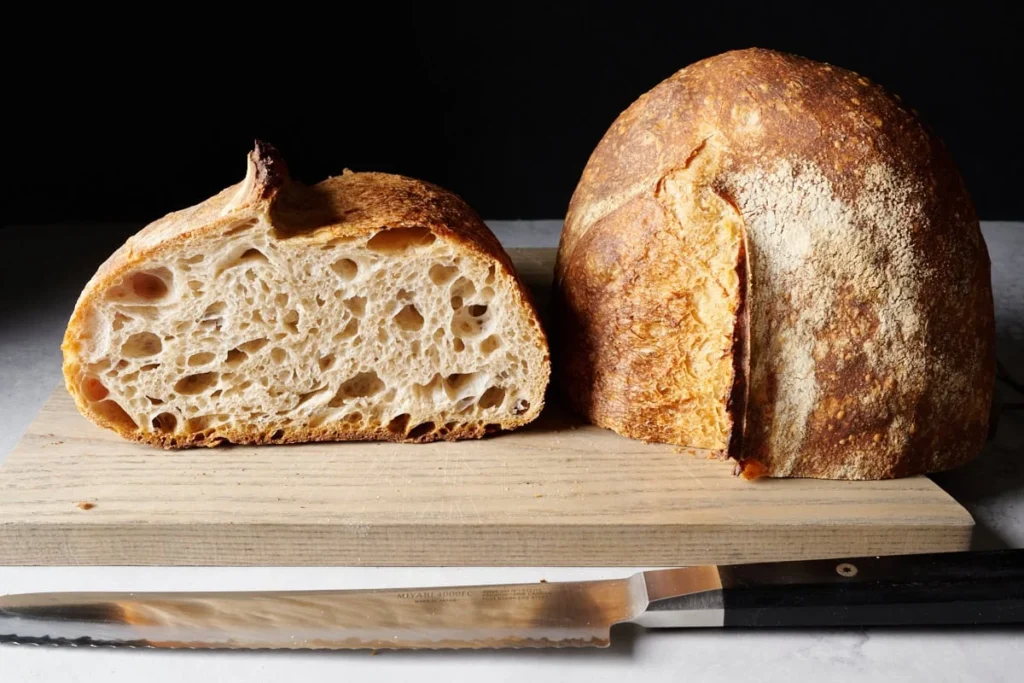
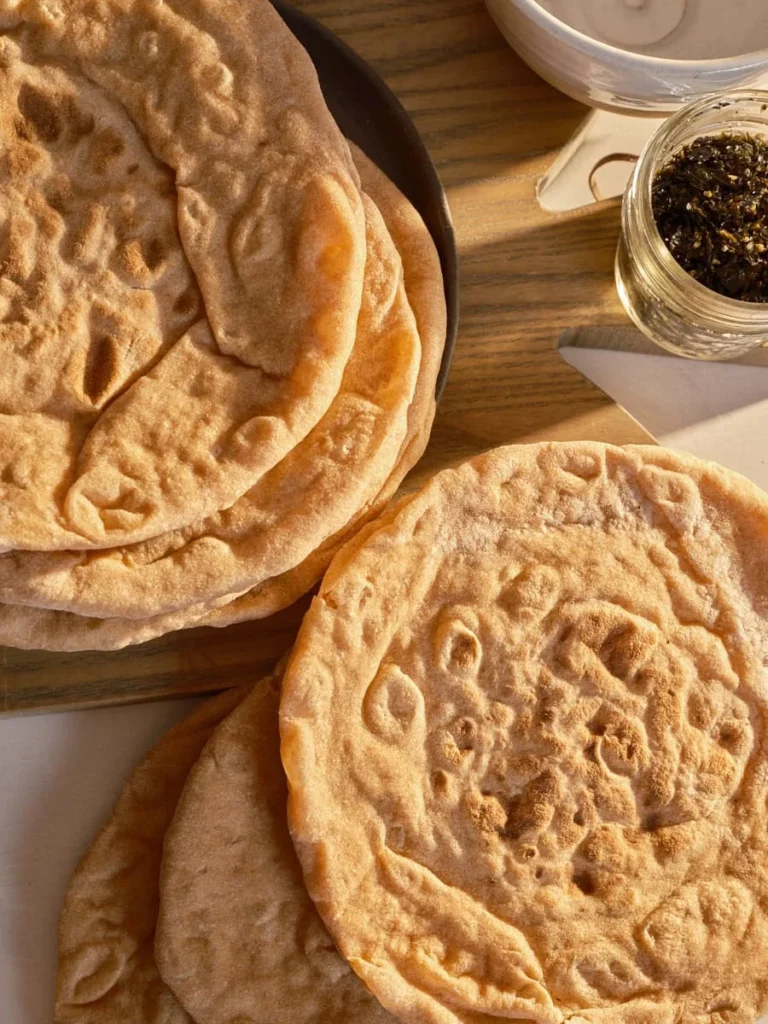
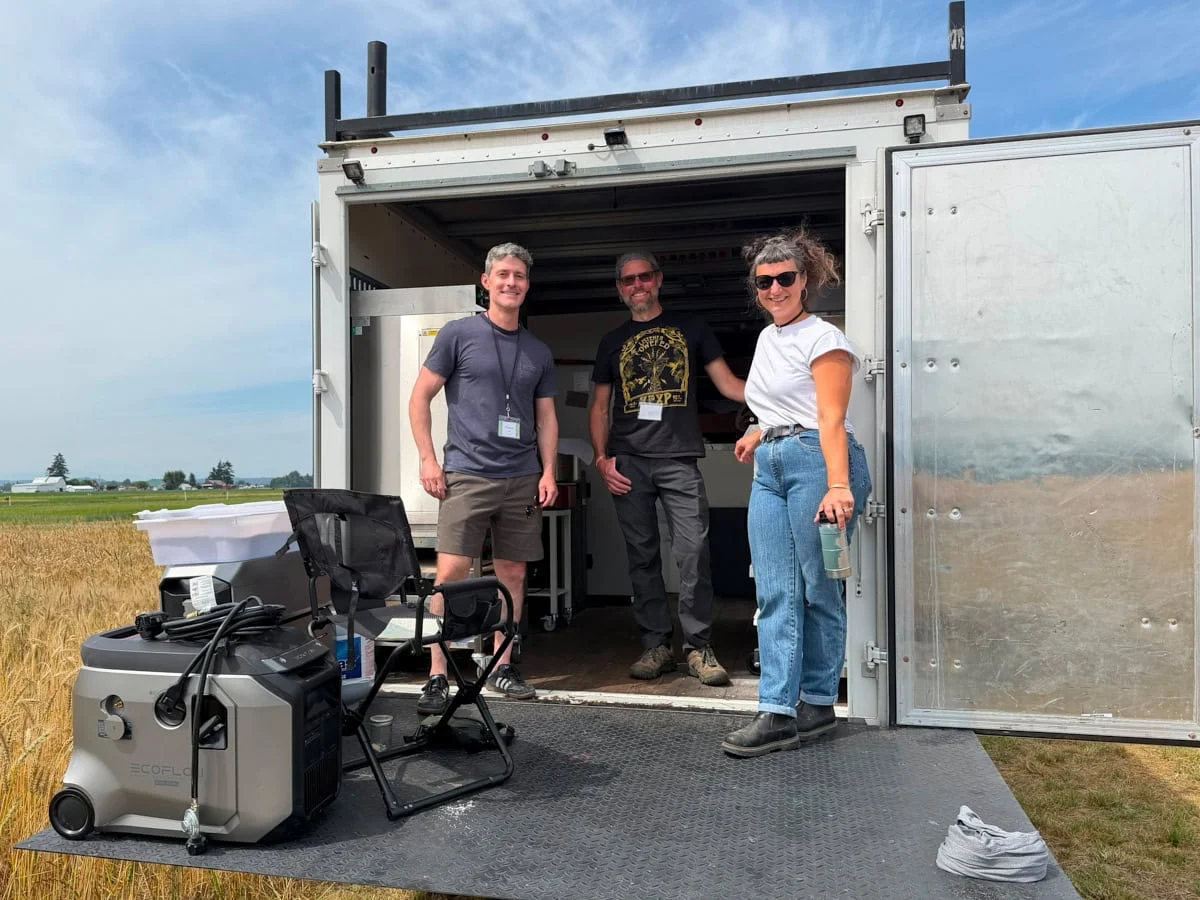
Central to the field demonstrations was an innovative mobile bakery and mill designed and operated by Marc Benoit of Red’s Breads. Built into the bed of a truck and powered entirely by a rooftop solar array, the mobile unit integrated a milling system, a workbench, a professional RackMaster bread oven, and a dough mixer. Throughout the weekend, Benoit, alongside head bakers Baylin Speidel and Thomas Vroom, utilized the mobile infrastructure to process and bake grains sourced directly from regional producers, including Moon Family Farms, Chimacum Confluence, and Palouse Heritage. The crew produced dozens of country sourdough loaves, large-format focaccia made with Salish Blue wheat, baguettes, and specialty bialys, proving the operational viability of localized, energy-independent processing models directly adjacent to agricultural fields.
Chronology and Program Evolution
The revival of the Grain Gathering followed an eight-year hiatus, reflecting a growing urgency within the culinary and agricultural sectors to address supply chain vulnerabilities and consumer demand for transparently sourced food products.
The three-day schedule was structured to mirror the physical lifecycle of a loaf of bread:
- Day One: Focused on agronomy, wheat genetics, and field-level trials. Participants toured WSU Breadlab research plots, observing experimental populations designed for disease resistance and regional adaptability rather than uniform chemical performance. Discussions centered on the historical pressures that led commercial breeders to prioritize high yields and mechanical harvesting ease at the expense of intrinsic flavor and micronutrient density.
- Day Two: Shifted focus to primary processing and intermediate economics. Attendees toured regional processing facilities, including Cairnspring Mills in Skagit Valley, where industrial-scale stone milling connects local farms to commercial bakeries. Afternoon sessions explored the mechanics of identity-preserved grain sourcing, margin retention, and the logistical hurdles of small-scale milling.
- Day Three: Dedicated to applied baking science, fermentation dynamics, and consumer integration. Masterclasses covered topics ranging from falling number analysis (a measure of enzyme activity in grain) to high-hydration dough handling. The day culminated in collaborative baking sessions utilizing the mobile mill and bakery, uniting professional and home bakers in shared production.
Economic Implications of the Commodity Grain System
A primary analytical focus of the 2026 symposium was the economic architecture of the conventional commodity grain market. Under the dominant global model, grain is harvested, pooled into large elevators, and graded based on broad physical parameters such as protein content and test weight. This system anonymizes the product, stripping away identifying characteristics related to farm origin, soil management practices, and regional terroir.
While the commodity model successfully feeds mass populations by providing a stable, predictable supply of bulk flour to industrial bakeries, industry analysts at the gathering noted that it fundamentally disconnects price from agricultural stewardship. Farmers who invest in regenerative soil health, cover cropping, and diverse crop rotations receive the same base commodity price as those utilizing high-input, industrial monoculture methods.
Conversely, identity-preserved grain supply chains maintain traceability from seed to loaf. By utilizing mobile processing units or regional stone mills, producers can capture higher margins traditionally absorbed by intermediaries, including commercial millers, third-party distributors, and large-scale retailers. Financial analyses presented during the event suggest that shifting even a small fraction of regional grain consumption toward localized, identity-preserved networks significantly increases farm-gate revenue, providing economic resilience for small and mid-sized agricultural operations.
Scientific Priorities: Flavor, Nutrition, and Plant Breeding
The scientific discourse at the Grain Gathering highlighted a historical bias in commercial wheat breeding. For decades, institutional breeding programs have optimized crop varieties almost exclusively for agronomic efficiency—specifically high yield, lodging resistance, uniformity across large acreage, and chemical fertilizer responsiveness. Flavor and nutritional bioavailability were frequently omitted from selection scorecards.
Plant breeders and cereal chemists at the WSU Breadlab presented alternative approaches, showcasing proprietarily developed varieties such as Skagit 1109, Salish Blue, and Ruth. These lines are bred to thrive in specific microclimates and regional soil conditions rather than performing uniformly across diverse global environments. Crucially, the WSU breeding protocol incorporates baking and sensory evaluations early in the selection process, ensuring that agronomic viability does not come at the expense of culinary performance or nutritional value.
Bakers and nutritionists at the event emphasized that the physiological benefits of these grains are further unlocked through proper fermentation practices and the utilization of whole or freshly milled flours. By retaining the germ and bran—components routinely stripped away during industrial roller-milling and bleaching processes—bakers retain essential B-vitamins, minerals, and dietary fiber.
Broader Impact and Industry Reception
The convergence of diverse grain-chain stakeholders at Skagit Valley underscored a broader cultural and economic movement toward localization within the food system. Observers note that while artisanal and home-scale baking experienced a significant surge in popularity during recent years, the movement is maturing past novelty into a serious inquiry regarding supply chain ethics and ecological sustainability.
The participation of veteran figures in the baking community, such as author and educator Jeffrey Hamelman alongside contemporary regional millers and agricultural researchers, signaled broad intergenerational alignment. The consensus emerging from the Skagit Valley discussions is that repairing the fractured relationship between agriculture and baking does not require an immediate, total dismantling of global food infrastructure. Instead, it points to a dual-track future: maintaining essential bulk supply chains for widespread food security while actively scaling regional, transparent networks that honor the grower, support the regional economy, and elevate the nutritional and sensory quality of the daily loaf.