The pizza burger, a culinary staple rooted deeply in American home cooking, particularly within Midwestern households, is experiencing a notable resurgence, adapting its classic appeal to contemporary lifestyles and kitchen technologies. This dish, characterized by a crisped English muffin base, a savory meat sauce, and melted cheese, offers a blend of comfort and convenience that resonates with both nostalgic adults and busy families seeking efficient meal solutions. Its enduring popularity underscores a broader trend in food culture: the revitalization of beloved, simple recipes through modern preparation techniques and ingredient variations.
Historical Context: The Genesis of the Pizza Burger
The concept of the pizza burger emerged from a rich tradition of American ingenuity in home kitchens, especially during the mid-20th century. This era saw a rise in convenience foods and adaptable recipes designed to simplify meal preparation for busy families. The pizza burger itself is a delightful fusion, drawing inspiration from several culinary precursors. Its open-faced structure harks back to classic diner fare and a variety of open-faced sandwiches popular across the United States. Simultaneously, its "pizza" moniker connects it to the burgeoning popularity of Italian-American cuisine, which was rapidly integrating into the American dietary landscape. The use of a ground meat base, often seasoned and sauced, also places it within the lineage of "loose meat" sandwiches, a regional specialty in parts of the Midwest.
Many culinary historians suggest that dishes like the pizza burger gained traction as homemakers sought economical and palatable ways to stretch ingredients and create satisfying meals. English muffins, readily available and possessing an ideal texture for crisping, provided a convenient foundation, while ground beef, a versatile and affordable protein, formed the backbone of the savory topping. The addition of tomato sauce and cheese transformed these humble components into a "pizza-like" experience, appealing to children and adults alike. This period also saw the popularization of home freezers, which fostered a culture of batch cooking and meal prepping, making dishes like pizza burgers ideal candidates for freezer stashes that could be quickly reheated.
Anatomy of a Classic: What Defines a Pizza Burger

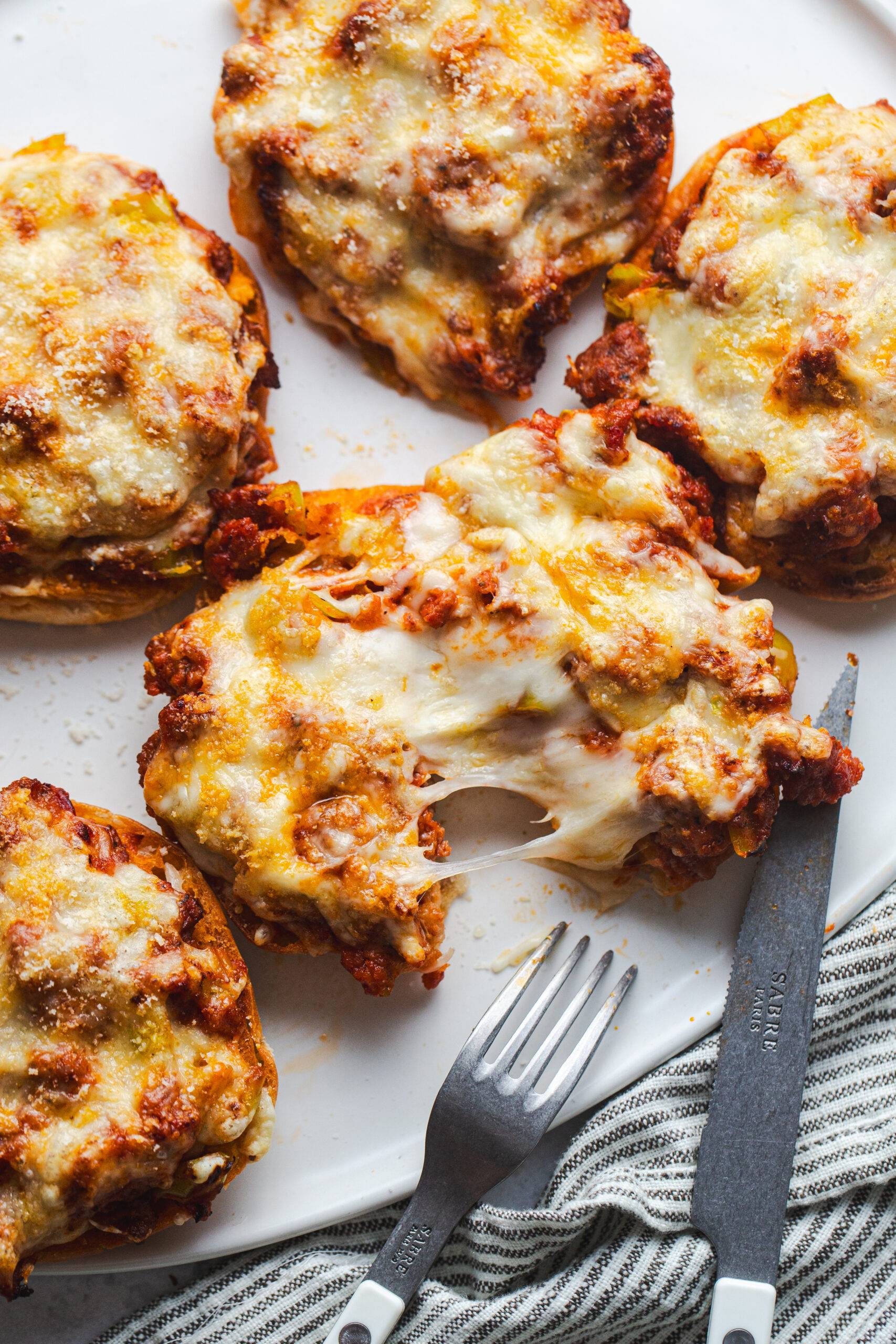
At its core, the pizza burger is defined by three fundamental elements: a sturdy, often toasted or crisped bread base; a robust, seasoned meat sauce; and a generous layer of melted cheese. Traditionally, the English muffin serves as the preferred foundation, its nooks and crannies providing an excellent surface for absorbing flavors and achieving a desirable crunch. While ground beef was the original and most common choice for the meat filling, modern iterations frequently incorporate ground Italian sausage, known for its inherent seasoning and deeper flavor profile, or leaner alternatives such as ground turkey or chicken, seasoned appropriately to mimic the savory richness of its predecessors.
The meat filling is typically simmered with a marinara or tomato-based sauce, often enhanced with herbs like oregano and basil, garlic, and sometimes a hint of red pepper flakes for warmth. The choice of cheese is usually mozzarella, celebrated for its superior melting qualities, though blends of mozzarella and provolone or cheddar are also common, adding complexity to the flavor profile. A crucial, though often overlooked, element in elevated versions is the application of garlic butter to the English muffin prior to assembly. This simple step not only imparts a rich, aromatic flavor but also contributes significantly to the desired crispy texture, preventing the muffin from becoming soggy under the sauce. Optional additions like sliced pepperoncini, diced onions, or bell peppers offer customization and a personalized touch, reflecting individual preferences and regional variations.
The Modern Renaissance: Adapting to Contemporary Lifestyles
The pizza burger’s enduring appeal is significantly bolstered by its adaptability to modern culinary trends and household demands. In an era marked by an increasing focus on health and dietary diversity, many home cooks are opting for leaner proteins. Ground turkey or chicken, when properly seasoned with Italian herbs, garlic, and onion powder, can deliver a flavorful filling that aligns with contemporary nutritional goals without sacrificing taste. This flexibility allows the dish to remain relevant to a wider audience, including those with specific dietary considerations.
Beyond ingredient modifications, the most impactful adaptation has been in preparation methods. The advent and widespread adoption of kitchen appliances like the air fryer have revolutionized how comfort foods are prepared. The air fryer offers a quicker, more energy-efficient alternative to traditional oven baking, delivering an exceptionally crispy crust and perfectly melted cheese in a fraction of the time. This aligns perfectly with the needs of busy families and individuals seeking quick, convenient meals, especially during demanding periods like the "end-of-school-year madness" or weeknight dinners. The air fryer’s ability to cook from frozen also makes the pizza burger an ideal candidate for advanced meal preparation, allowing individuals to batch-cook, freeze, and then rapidly reheat individual portions as needed. This minimizes food waste and maximizes efficiency, making it a sustainable choice for modern households.
Culinary Perspectives and Home Cook Testimonials

The pizza burger consistently garners positive feedback from a diverse demographic, affirming its status as a universal family favorite. Culinary experts and home cooks alike frequently highlight its "mindlessly easy" preparation as a key draw. Food bloggers, often serving as contemporary culinary influencers, underscore its appeal to children, noting its familiar flavors and interactive nature. For adults, the dish often evokes a powerful sense of nostalgia, transporting them back to childhood meals and comforting family traditions. This emotional connection is a significant factor in its sustained popularity, as people gravitate towards foods that offer both sustenance and sentimental value.
Testimonials from home cooks frequently emphasize the dish’s versatility. One prominent food blogger, known for her accessible family recipes, articulates this sentiment, stating, "A crisped English muffin brushed with garlic butter, topped with a savory meat sauce and melty cheese? Oh MAN these are good. I’m currently very obsessed with these, which is kind of making me chuckle, because it feels like a peak 90s Midwestern mom moment. HERE FOR IT!" This statement captures the dual appeal of convenience and nostalgic comfort, suggesting that the pizza burger transcends its simple components to become a culinary experience. The ease of customization—from varying the meat and cheese to adding optional toppings like pepperoncini, a favorite of many—further contributes to its broad appeal, allowing each individual to tailor the dish to their precise liking.
Economic and Lifestyle Implications
In an economic climate where household budgets are increasingly scrutinized, the pizza burger stands out as a remarkably cost-effective meal solution. Its primary ingredients—English muffins, ground meat, tomato sauce, and cheese—are generally affordable and widely available, making it an accessible option for families seeking to manage food expenses without compromising on taste or satisfaction. The ability to prepare large batches and freeze individual portions not only saves time but also reduces the likelihood of food waste, further contributing to its economic efficiency.
From a lifestyle perspective, the pizza burger addresses several modern challenges. Its suitability for meal prepping provides a strategic advantage for individuals and families navigating demanding schedules. Preparing components or entire assembled pizza burgers in advance frees up valuable time during busy weekdays, offering a quick and wholesome alternative to less nutritious takeout options. This emphasis on planned meals supports healthier eating habits and fosters a greater sense of control over daily routines. Moreover, the pizza burger’s role as a comfort food provides psychological benefits, offering a sense of warmth and familiarity that can be particularly soothing during stressful periods. Its straightforward preparation also makes it an excellent dish for involving children in the cooking process, fostering culinary skills and family bonding.
The Step-by-Step Evolution: A Chronology of Preparation
The preparation of pizza burgers has evolved from traditional oven-based methods to embrace modern culinary tools, most notably the air fryer, which has streamlined the process while enhancing the final product.
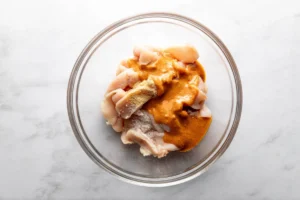
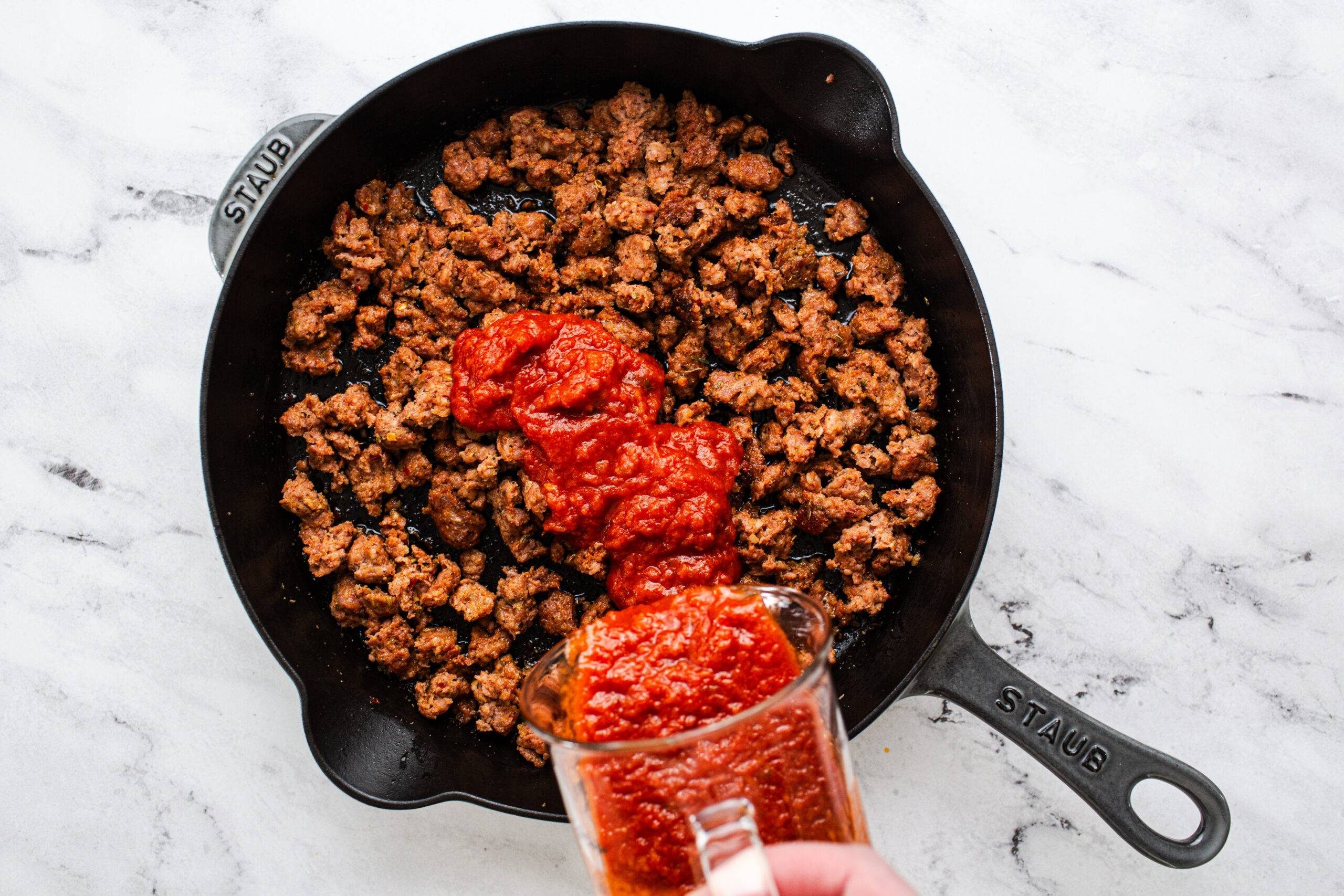
- Filling Preparation (Past & Present): Historically, ground beef was browned and mixed with canned tomato sauce and basic seasonings. Today, while ground beef remains an option, many opt for ground Italian sausage for inherent flavor or ground turkey/chicken for a leaner profile. The meat is still browned, but seasoning has become more refined, often incorporating garlic, onion, oregano, basil, and a touch of red pepper, simmered with marinara sauce to create a rich, cohesive filling. The emphasis is on developing deep flavor in this stage.
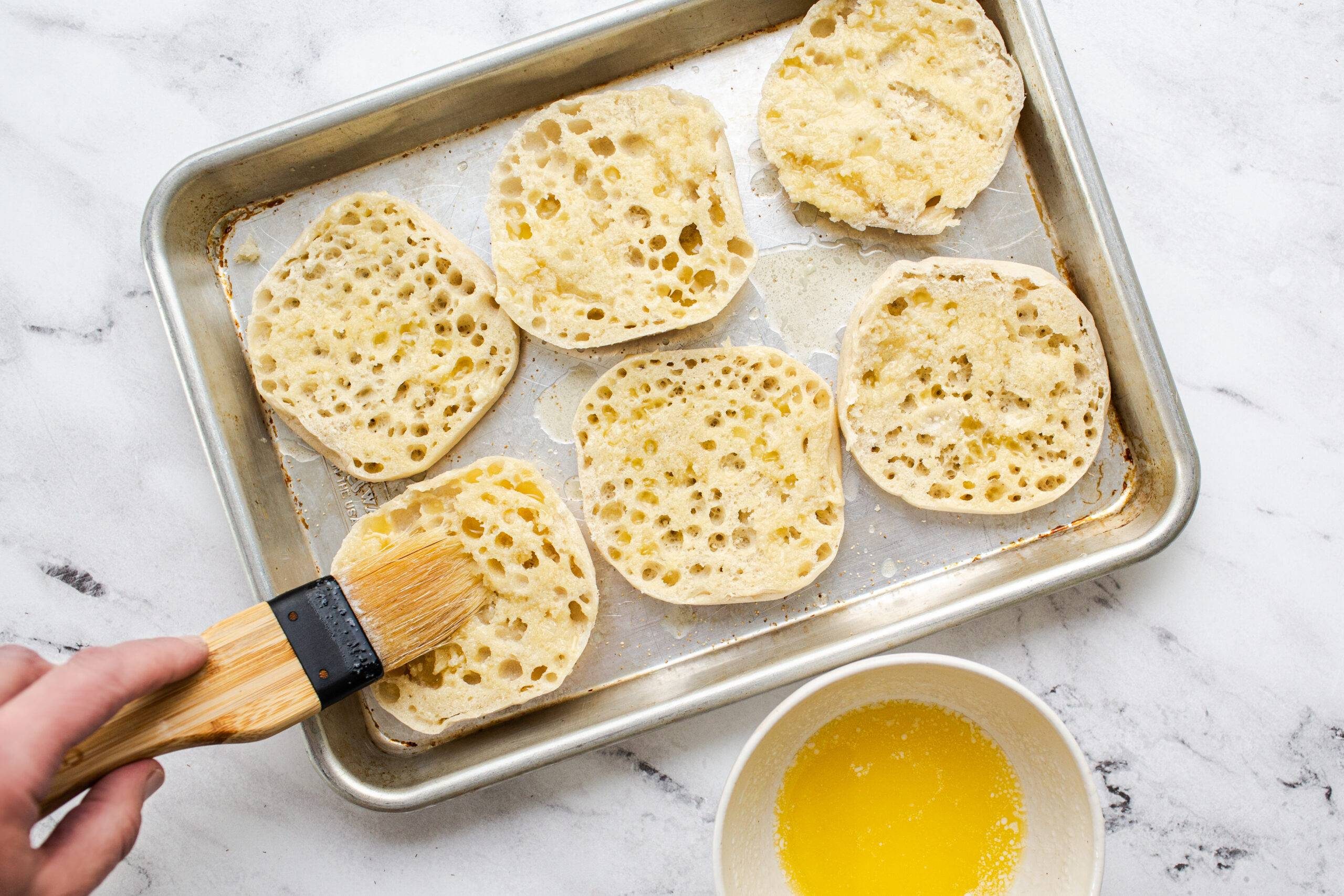
- Bread Base Enhancement (Modern Innovation): While English muffins have always been split and lightly toasted, the contemporary approach introduces a crucial flavor step: brushing the cut sides with garlic butter. This addition, often overlooked in older recipes, significantly boosts flavor and ensures a crisper texture, creating a barrier against moisture from the sauce.
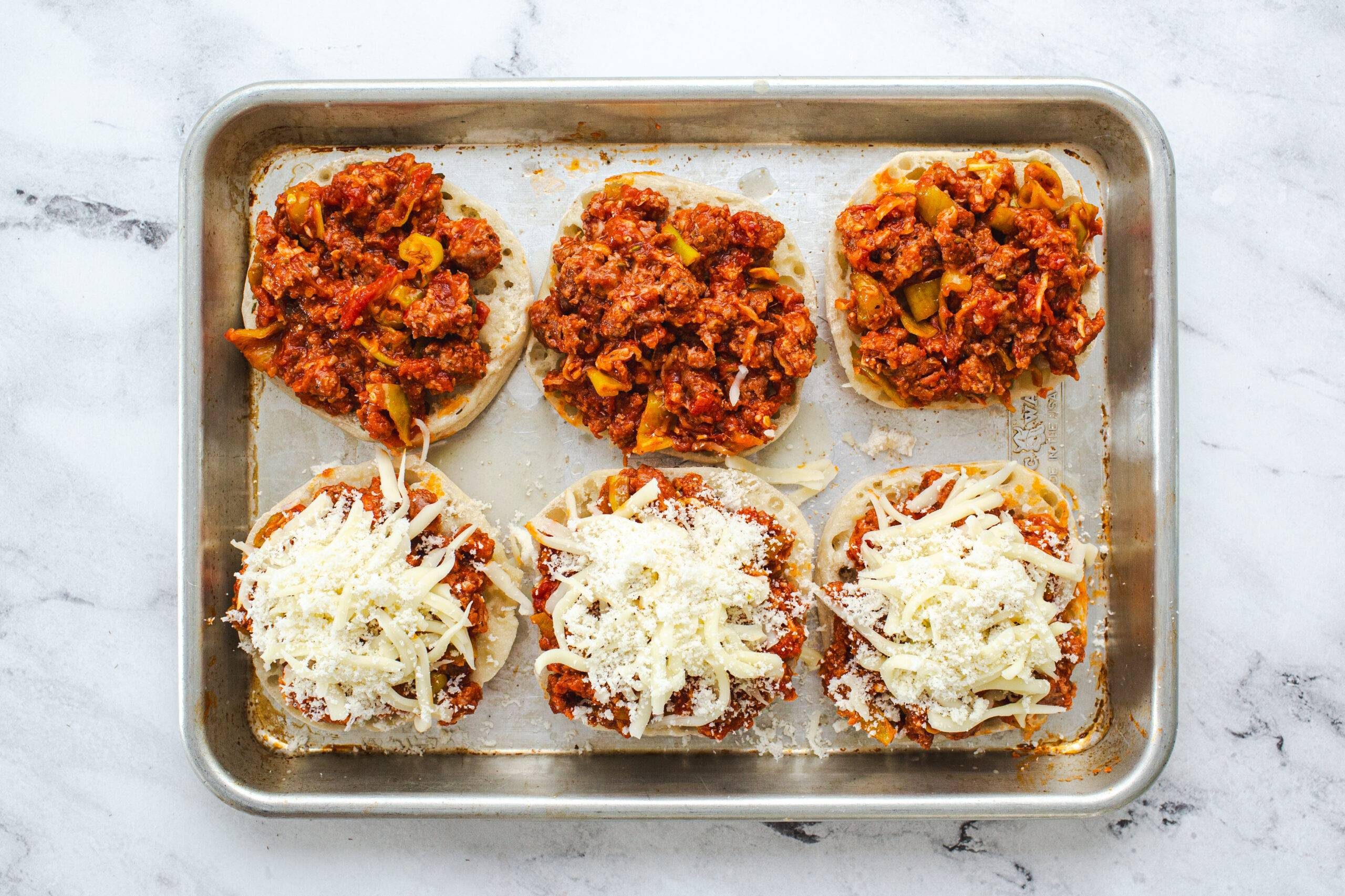
- Assembly (Consistent Core): The layering process remains largely consistent: garlic-buttered English muffin halves are topped with a generous spoonful of the meat sauce, followed by a sprinkle of cheese. Modern iterations might include additional toppings like pepperoncini slices, a nod to personal preference and an added layer of flavor.
- Cooking Method (Air Fryer Revolution): The most significant shift is from conventional oven baking (typically 15-20 minutes) to air frying. The air fryer reduces cooking time significantly, often to 8-10 minutes, and provides superior crisping of the English muffin while achieving perfectly melted, bubbly cheese. Crucially, the air fryer can cook these directly from fresh or frozen, offering unparalleled convenience for meal preppers.
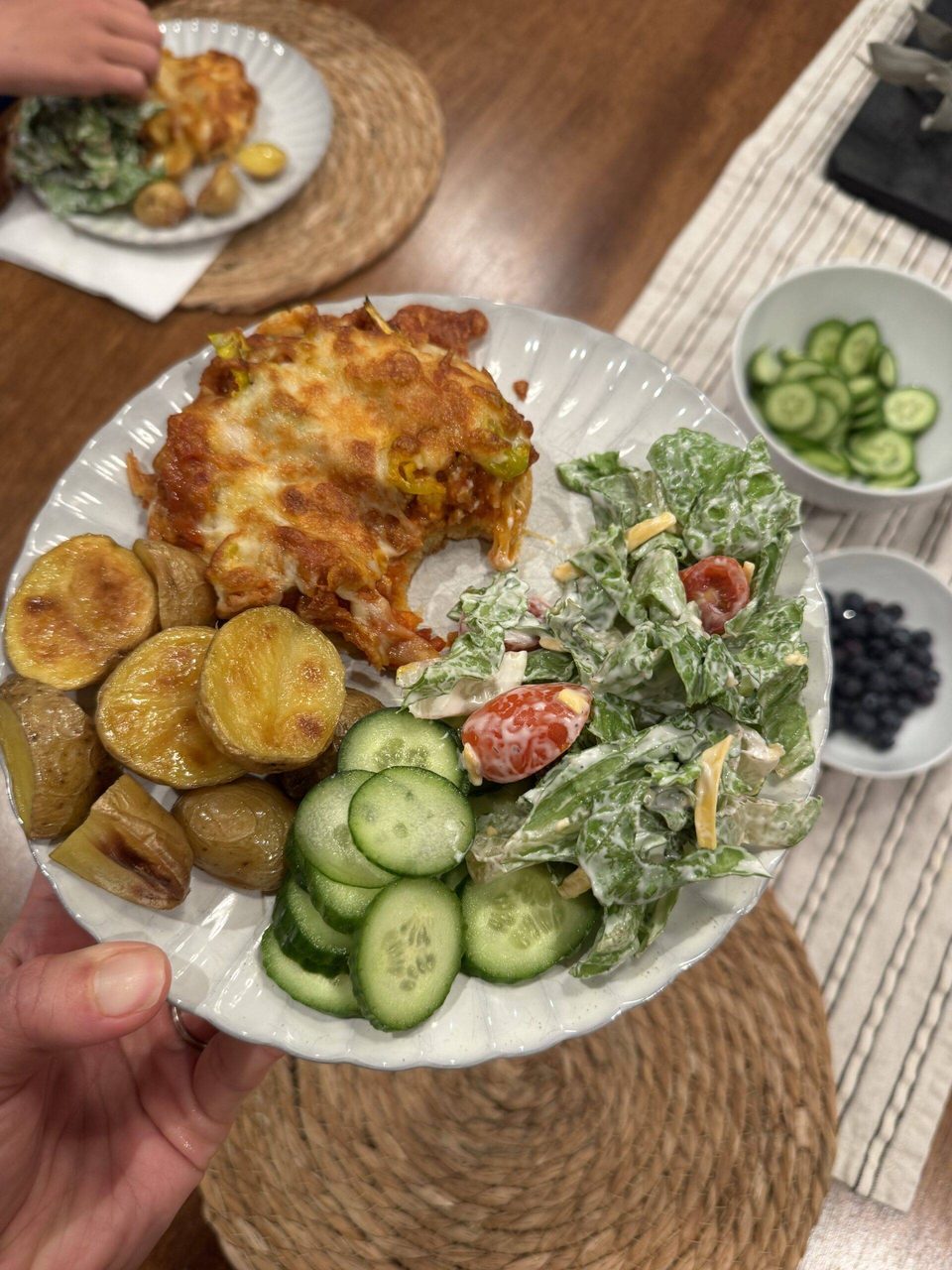
- Finishing Touches (Elevated Experience): Post-cooking, modern adaptations suggest a final flourish. A drizzle of high-quality olive oil, a sprinkle of kosher salt for enhanced flavor, and perhaps a pinch of fresh Italian seasoning or even a dollop of pesto can elevate the pizza burger from a simple snack to a gourmet-adjacent meal. Serving alongside fresh, crunchy vegetables like cucumbers offers a refreshing contrast.
Broader Impact on Family Dining and Food Culture
The continued relevance of the pizza burger reflects several broader trends in contemporary food culture. It highlights how simple, adaptable recipes possess an inherent resilience, enduring across generations by seamlessly integrating new ingredients and technologies. The dish serves as a testament to the power of tradition, demonstrating how food can act as a conduit for memory and connection within families. Simultaneously, its evolution showcases the dynamic interplay between culinary heritage and modern innovation. The adoption of ingredients like Italian sausage and the widespread use of the air fryer illustrate a collective willingness to experiment and optimize classic dishes for efficiency and enhanced flavor.
Furthermore, the resurgence of dishes like the pizza burger underscores the significant role of social media and food blogs in popularizing and re-contextualizing traditional recipes. Platforms that offer visual guides and accessible instructions enable home cooks to discover and master these dishes, fostering a vibrant online community centered around shared culinary experiences. This digital dissemination helps to preserve and evolve culinary traditions, ensuring that recipes like the pizza burger continue to be passed down, albeit through new mediums. Finally, the emphasis on meal prep and the use of freezer stashes for pizza burgers aligns with growing concerns about sustainability in food consumption. By enabling efficient batch cooking and reducing reliance on single-use packaging from takeout, these practices contribute to more environmentally conscious eating habits within the household.
In conclusion, the pizza burger, far from being a mere relic of 90s Midwestern cuisine, stands as a vibrant example of a dish that successfully bridges the gap between nostalgic comfort and modern culinary demands. Its journey from a grandma’s freezer staple to an air fryer favorite encapsulates the evolving nature of home cooking—a continuous process of adaptation, enhancement, and enduring affection. As families navigate increasingly complex lives, the simple, satisfying, and adaptable pizza burger continues to offer a delicious solution, affirming its timeless place in the hearts and kitchens of many.