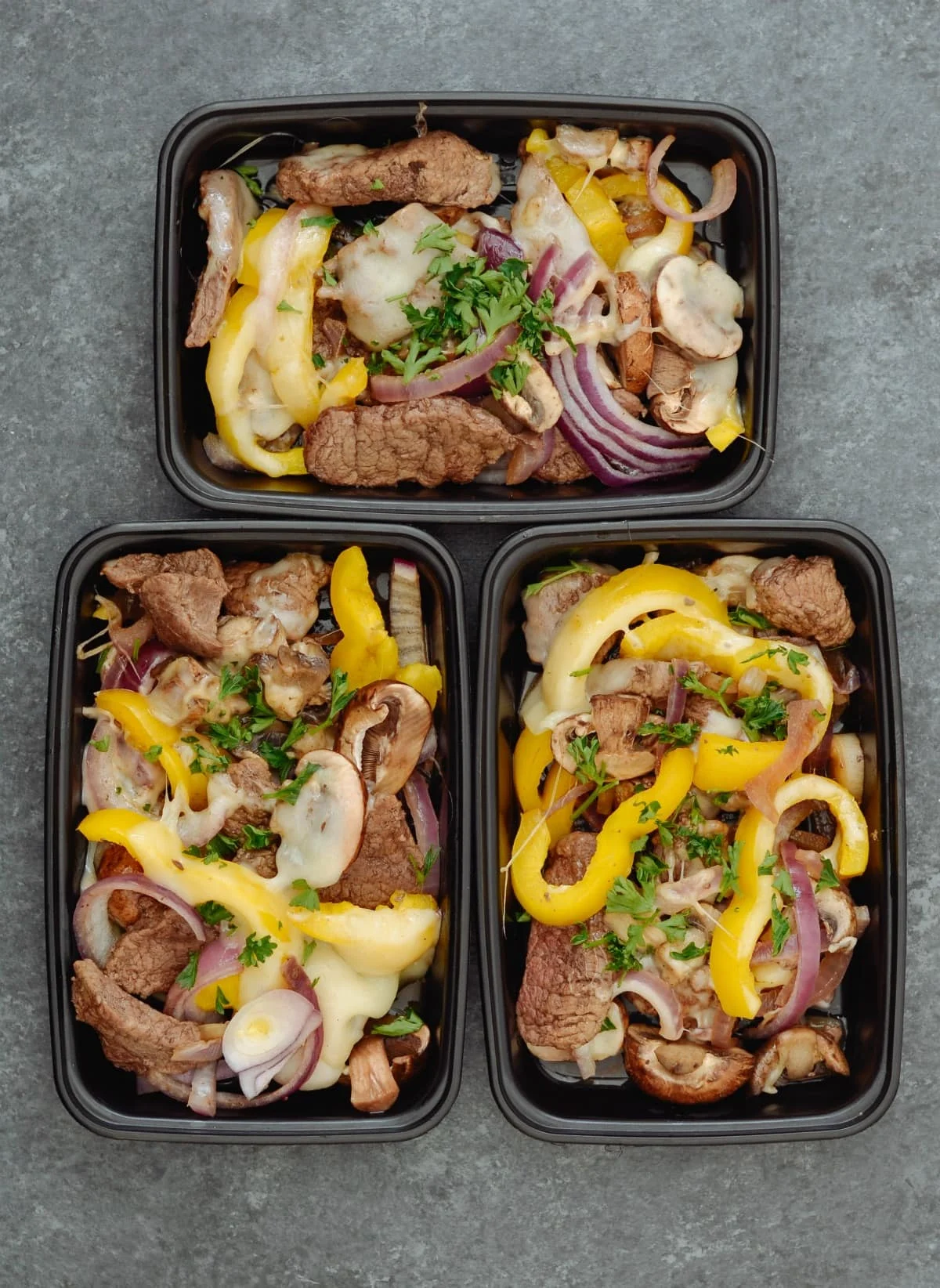

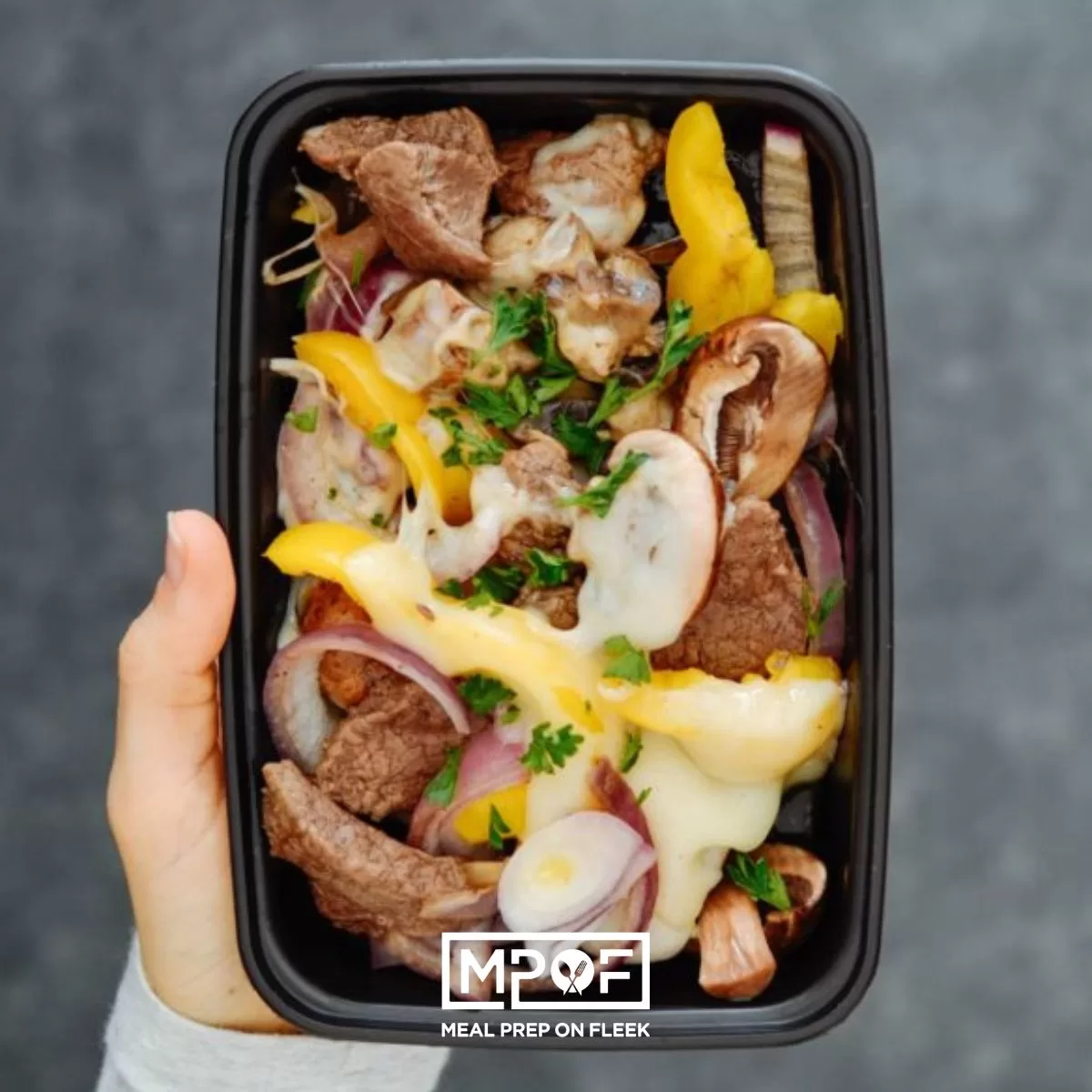
The evolution of the Philadelphia cheesesteak from a 1930s street-food innovation into a versatile staple of modern meal preparation represents a significant shift in how domestic cooks approach regional American cuisine. Originally conceived by Pat and Harry Olivieri in South Philadelphia, the sandwich has transitioned from its roots as a quick-service indulgence into a customizable, nutrient-dense meal prep template. By decoupling the core components—thinly sliced ribeye, caramelized onions, and melted cheese—from the traditional crusty hoagie roll, home cooks are increasingly adapting this classic dish to suit low-carb dietary requirements and modern, high-efficiency culinary methods such as griddle-top cooking.
The Historical Context and Culinary Evolution
The narrative of the cheesesteak begins in the early 1930s at the intersection of 9th Street and Passyunk Avenue. The Olivieri brothers, who operated a hot dog stand, reportedly decided to experiment with beef trimmings provided by a local butcher. The resulting combination of thinly sliced steak and grilled onions served on a roll was met with immediate local success. According to data provided by Visit Philadelphia, this serendipitous invention rapidly evolved into a regional cultural institution, eventually anchoring the competitive landscape of South Philadelphia’s 24-hour food scene.
For decades, the standard for the cheesesteak remained rigid: a specific type of bread, sliced ribeye, and a choice of provolone, American, or Cheez Whiz. However, as dietary preferences shifted toward lower carbohydrate intake and efficient, multi-portion meal planning, the dish underwent a functional redesign. In the contemporary domestic kitchen, the "deconstructed" cheesesteak has emerged as a preferred meal prep solution because it isolates high-quality protein and fiber-rich vegetables, allowing for greater portion control and macronutrient management.

Technical Methodology: Skillet vs. Griddle
The transition from a restaurant-style sandwich to a home-prepped meal has necessitated changes in cooking technology. While a standard cast-iron or stainless steel skillet is sufficient for single-portion cooking, culinary experts suggest that the professional-style flat-top griddle is the superior tool for mass preparation.
The primary advantage of the griddle is surface area. When cooking for three to five days of meals simultaneously, a skillet often leads to overcrowding. Overcrowded pans trap moisture, causing the beef to steam rather than sear. By contrast, a wide-surface griddle allows for the Maillard reaction—the chemical process that creates flavor through browning—to occur across the entire batch of protein. This results in the characteristic crispy edges that define a premium cheesesteak.
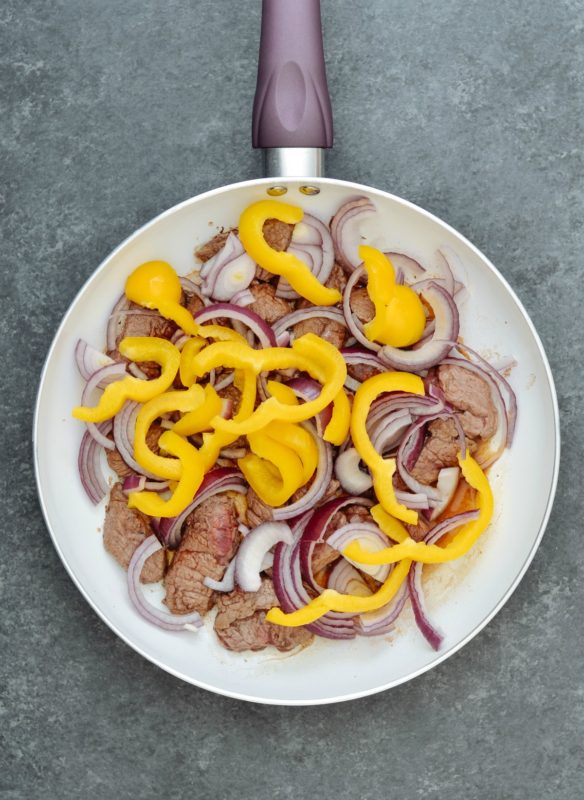
For practitioners of meal prep, the griddle also facilitates the efficient management of vegetables. Onions and mushrooms can be pushed to the cooler edges of the griddle while the high-heat center is reserved for searing the ribeye. This staged cooking approach ensures that all components reach their optimal texture simultaneously, a critical factor in maintaining food quality throughout a four-day refrigerator storage cycle.
The Integration of Regional Variations: The Hatch Chile Phenomenon
As the cheesesteak template has grown in popularity, it has become a canvas for regional ingredient integration. A prominent example is the incorporation of Hatch chiles. Native to the Mesilla Valley of New Mexico, these chiles are prized for a short harvest season that typically runs from August to September. The introduction of roasted Hatch chiles into the cheesesteak formula adds a complex, smoky heat that pairs effectively with the fatty profile of ribeye.
While purists may argue that any deviation from the original recipe dilutes the cultural integrity of the Philadelphia staple, food scientists and culinary historians often note that such regional fusion is consistent with the history of the sandwich. The original cheesesteak was itself a variation of a hot dog stand product; thus, the inclusion of ingredients like Hatch chiles is a continuation of the dish’s iterative nature.
Nutritional Analysis and Macronutrient Profiles
The transformation of the cheesesteak into a meal-prep format allows for a precise analysis of its nutritional impact. A typical low-carb portion, consisting of four to six ounces of ribeye, a serving of sautéed vegetables, and a modest amount of provolone or white American cheese, typically yields approximately 35 to 40 grams of protein and roughly 10 grams of carbohydrates.
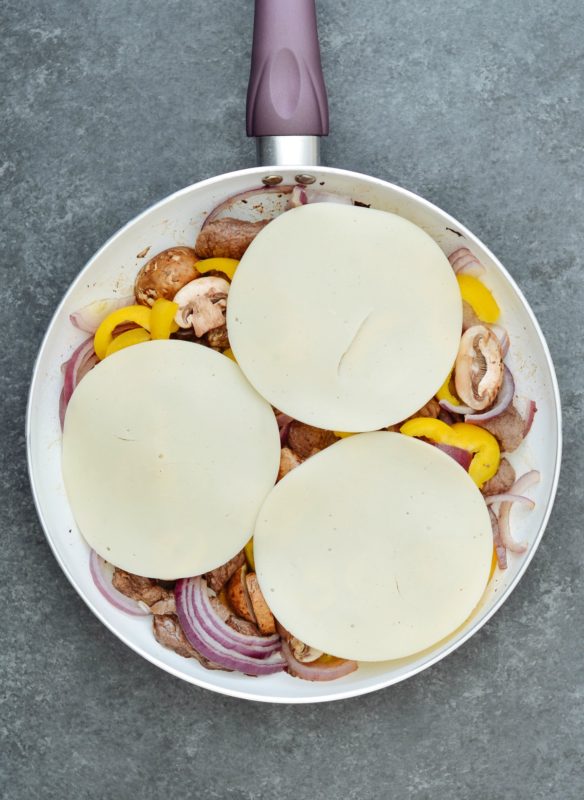
This profile is highly attractive to those following high-protein or ketogenic diets. By removing the bread—which can account for 40 to 60 grams of carbohydrates in a single serving—the caloric density is significantly reduced while satiety remains high. The use of ribeye, while higher in fat than sirloin, is often defended by chefs for its superior performance under high-heat conditions; the intramuscular fat renders during the cooking process, keeping the meat tender during the subsequent reheating phases required for multi-day storage.
Best Practices for Storage and Reheating
Professional meal planning requires a disciplined approach to food safety and texture retention. For those preparing cheesesteak for a work week, the primary challenge is the prevention of "soggy" textures and the oxidation of the beef.
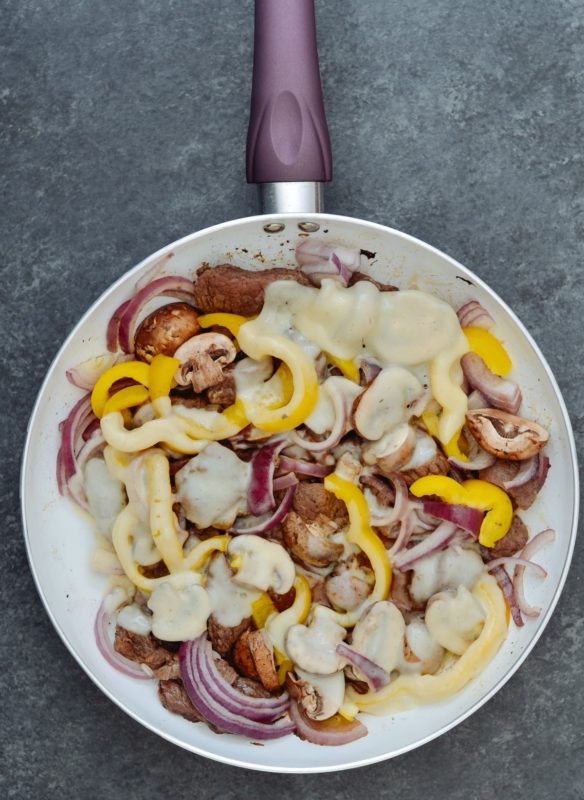
- Storage of Components: It is recommended to store the protein and vegetable mixture separately from any starch (such as a roll) if one chooses to include one. If the bread is stored in contact with the warm meat, the steam will degrade the crumb structure of the roll within hours.
- Reheating Protocols: To restore the fresh-cooked quality, it is advisable to reheat the meat and vegetable mixture in a skillet over medium-high heat with a teaspoon of water or broth. This creates a small amount of steam that re-hydrates the beef, effectively simulating the moisture levels of the original cooking process. Microwave reheating is acceptable for convenience, but it often results in an uneven distribution of heat, which can cause the cheese to separate and the beef to become rubbery.
- Ingredient Timing: If adding fresh elements such as raw bell peppers or supplemental herbs, these should be incorporated immediately before consumption, not during the initial meal prep phase, to preserve their structural integrity.
Broader Implications for Home Cooking
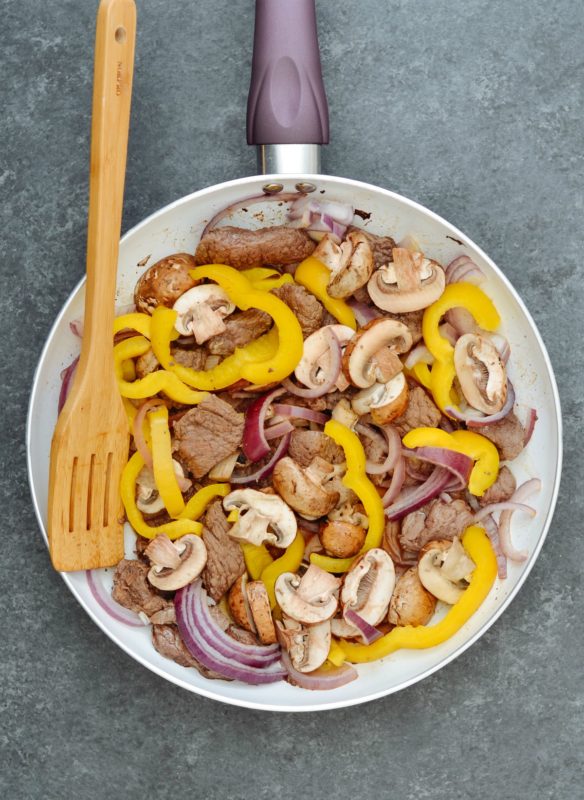
The rise of the "deconstructed" cheesesteak highlights a broader trend in the food industry: the democratization of high-end, labor-intensive dishes through efficient, simplified methodology. The ability to produce a restaurant-quality meal using only a few basic components—beef, onions, mushrooms, and cheese—speaks to the effectiveness of the "keep it simple" philosophy in home cooking.
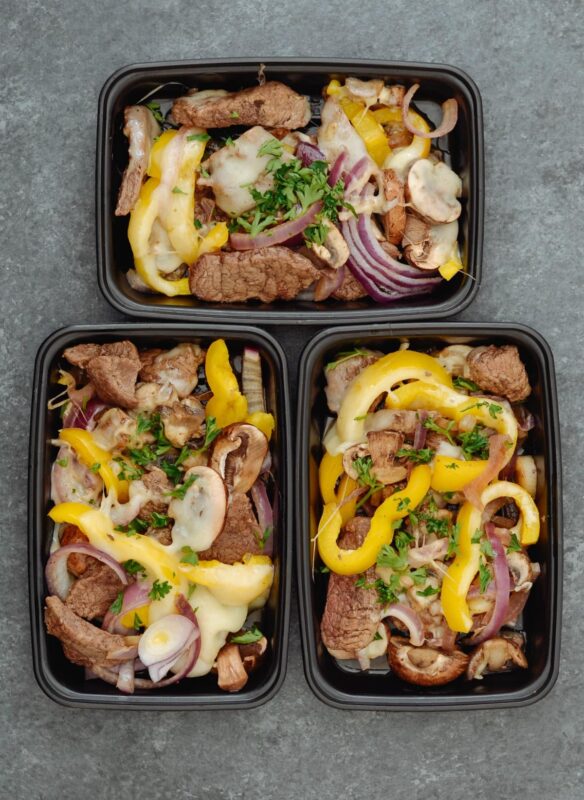
Furthermore, the adaptability of this recipe to include chicken breast or thighs for a leaner profile, or the inclusion of alternative cheeses like mozzarella for a milder flavor, demonstrates how a single, foundational recipe can serve as a cornerstone for a week of diverse eating. The economic impact is also noteworthy; by purchasing bulk ribeye or sirloin and processing it at home, families can achieve a significantly lower cost-per-serving compared to purchasing individual sandwiches from a specialty restaurant.
Future Perspectives
As meal planning becomes an increasingly standardized part of the American lifestyle, it is likely that the "Philly-style" category will continue to expand. We can expect to see further iterations involving different regional pepper varieties, variations in cheese sourcing—such as the use of aged cheddar or pepper jack—and the adoption of more advanced home-griddle technology.
Ultimately, the longevity of the cheesesteak in the public consciousness—and its successful migration from a Philadelphia street corner to a portable, refrigerated meal prep container—is a testament to the versatility of the combination of seared beef and aromatics. Whether one adheres to the traditional, bun-heavy presentation or embraces the modern, low-carb, griddle-prepared iteration, the fundamental appeal of the dish remains unchanged: it is a high-protein, flavor-forward solution that fits the requirements of a fast-paced, health-conscious society. The dish’s ability to survive this transition is not a loss of tradition, but rather an evolution that ensures the iconic flavor profile of the original Philadelphia invention remains relevant for a new generation of consumers.