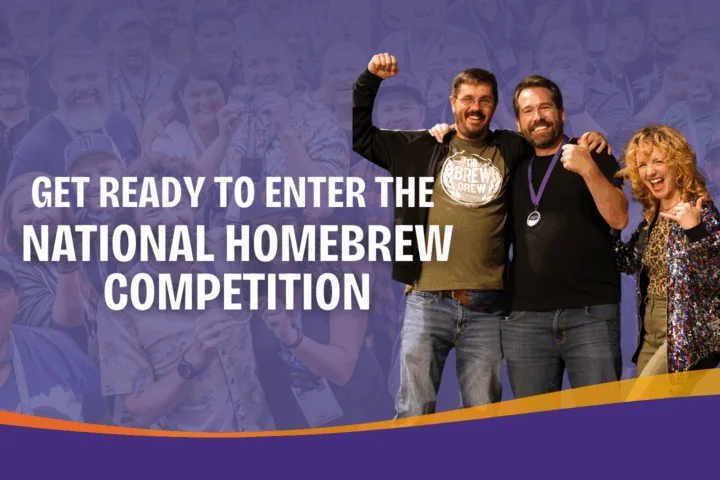

The 2026 National Homebrew Competition (NHC) has been officially announced, marking the 48th year of what is recognized globally as the largest and most influential amateur brewing contest. Organized by the American Homebrewers Association (AHA) and supported by the Beer Judge Certification Program (BJCP), the upcoming event represents a significant milestone in the competition’s history, following the AHA’s transition to an independent organization in July 2025. Since its inception in 1979, the NHC has served as a critical platform for innovation in the fermented beverage industry, having evaluated more than 170,000 entries across nearly five decades.
The 2026 edition arrives at a transformative moment for the homebrewing community. The AHA, which previously operated under the umbrella of the Brewers Association, is now navigating its first full cycle as a self-governed entity. This shift has placed the stewardship of the NHC into the hands of a newly formed AHA Founding Board and an dedicated Events Committee. These volunteer leaders, comprised of veteran brewers and industry experts, are tasked with maintaining the competition’s rigorous standards while adapting to the evolving landscape of the craft beverage world.
Historical Context and the Evolution of Amateur Brewing
The roots of the National Homebrew Competition are inextricably linked to the legalization of homebrewing in the United States. In 1978, President Jimmy Carter signed H.R. 1337, which federally legalized the production of beer for personal or family use. Shortly thereafter, Charlie Papazian founded the American Homebrewers Association and launched the first NHC in 1979. At that time, the competition was a modest gathering of enthusiasts; however, it quickly became the catalyst for the modern craft beer revolution.
Over the past 47 years, the NHC has documented the shifting palates of American drinkers. In the 1980s and 1990s, entries were dominated by traditional European styles as brewers sought to replicate flavors unavailable in the domestic commercial market. By the 2000s, the competition became a testing ground for the "hop-forward" movement, with American IPAs seeing record-breaking entry numbers. Today, the competition reflects a sophisticated diversify of categories, including experimental fruit beers, complex meads, traditional ciders, and historical styles that have been revived by the hobbyist community.
The sheer volume of participation highlights the event’s scale. The 170,000 entries judged since 1979 represent millions of gallons of beer brewed in kitchens and garages across the country. For many, the NHC is more than a contest; it is a peer-reviewed validation of technical skill.
Institutional Independence and the 2026 Vision
The transition of the AHA to an independent status in July 2025 is the most significant structural change in the organization’s history. This move was designed to allow the AHA to focus exclusively on the needs of the homebrewing community, free from the commercial pressures of the professional brewing industry. The 2026 NHC will be the first "flagship" event produced under this new model.
The AHA Founding Board has emphasized that while the leadership structure has changed, the "gold standard" of judging remains the priority. By partnering with the BJCP, the NHC ensures that every entry is evaluated by certified judges who provide detailed, sensory-based feedback. This feedback loop is often cited by participants as the primary reason for entering, as it allows brewers to troubleshoot technical flaws and refine their recipes based on professional critiques.
The 2026 competition will continue to utilize a multi-round format. This structure is designed to filter the highest-quality entries through a series of regional judging centers before the most exceptional beverages advance to the Final Round. This tiered approach manages the logistical challenge of judging thousands of bottles while ensuring that the "Best of Show" winner is truly representative of the pinnacle of the craft.
Competition Structure and Category Breakdown
The 2026 NHC is expected to feature dozens of categories spanning beer, cider, and mead. These categories are strictly defined by the BJCP Style Guidelines, which provide a framework for aroma, appearance, flavor, and mouthfeel.
- Beer Categories: Ranging from light lagers to barrel-aged stouts, these categories often see the highest volume of entries. Special attention is typically given to "Standard American Beer," "IPA," and "European Sour Ale."
- Mead Categories: This segment includes traditional meads made from honey, as well as melomels (fruit mead) and metheglins (spiced mead). The NHC has played a vital role in the resurgence of mead-making in North America.
- Cider and Perry: These categories evaluate fermented apple and pear juices, focusing on the balance of acidity, tannin, and sweetness.
The "First Round" of the competition serves as a qualifying stage, where entries are sent to designated regional hubs across the United States. Only those entries that receive high scores and place in the top of their respective flights advance to the "Final Round." The Final Round typically coincides with the annual Homebrew Con, the national conference for the AHA, where the winners are announced during an awards ceremony that is considered the "Oscars" of the homebrewing world.
The Economic and Cultural Impact of Homebrewing
While the NHC is an amateur competition, its impact on the professional $28 billion U.S. craft beer industry cannot be overstated. A significant percentage of professional craft brewery founders began as homebrewers, many of whom utilized the NHC to hone their skills before scaling up to commercial production.
The competition also drives economic activity within the homebrew supply industry. Leading up to the NHC, retailers often see an uptick in the sale of high-quality ingredients, specialized fermentation equipment, and water treatment salts. The pursuit of a "Gold Medal" at the NHC encourages hobbyists to invest in advanced technology, such as pressure fermentation vessels, pH meters, and temperature-controlled glycol chillers, which in turn fuels innovation in the home-scale equipment market.
Furthermore, the NHC fosters a global community. While the competition is based in the United States, it frequently attracts international entries, further solidifying the AHA’s role as a global leader in fermentation education. The cultural exchange that occurs during the judging process—where judges from different regions debate the nuances of a specific style—contributes to a more standardized and sophisticated understanding of beer quality worldwide.
Technical Preparation and Success Strategies
For entrants, the NHC represents a grueling test of consistency and attention to detail. Success in the competition requires more than a good recipe; it requires mastery of the brewing process and logistics. The AHA has historically provided "Pro Tips" for success, which remain relevant for the 2026 cycle:
- Sanitation Rigor: The most common reason for low scores in the NHC is infection or "off-flavors" caused by poor sanitation. Judges are trained to detect even trace amounts of diacetyl, acetaldehyde, and phenolic compounds.
- Recipe Fidelity: Brewers must ensure their entries align closely with the BJCP style descriptions. A technically perfect beer may be disqualified or penalized if it is entered in a category that does not match its sensory profile.
- Logistics and Freshness: The "First Round" involves shipping fragile glass bottles or cans across the country. Managing "bottle shock" and ensuring the beverage remains at a stable temperature during transit is a critical component of the competition strategy.
- Feedback Integration: Veteran competitors often use the scoresheets from previous years to tweak their water chemistry or mash temperatures, demonstrating the educational value of the NHC.
Chronology of the 2026 Competition Cycle
The rollout of the 2026 NHC will follow a structured timeline designed to give brewers ample time to ferment, condition, and age their entries.
- July 2025: AHA officially becomes an independent organization, initiating the planning phase for the 48th NHC.
- Late 2025: Founding Board and Events Committee finalize category updates and judging locations.
- February 2026: The AHA is scheduled to release full details, including the formal registration window, shipping and drop-off deadlines, and the specific prize structure for winners.
- Spring 2026: The First Round of judging takes place at regional centers.
- Summer 2026: The Final Round judging occurs, culminating in the awards ceremony.
Broader Implications for the American Homebrewers Association
The success of the 2026 NHC is viewed by many as a litmus test for the viability of the independent AHA. By taking full control of the event, the organization has the opportunity to re-engage its membership base and streamline the competition process. The inclusion of volunteer member leaders on the Events Committee suggests a return to a more "grassroots" approach, which may address long-standing feedback regarding the cost and accessibility of the competition.
The AHA’s newsletter and digital platforms remain the primary conduits for information. As the February 2026 update approaches, the association is encouraging members to verify their membership status, as NHC entry is traditionally a benefit reserved for AHA members. This membership model provides the necessary funding to maintain the logistics, insurance, and administrative support required to host an event of this magnitude.
In conclusion, the 48th National Homebrew Competition stands as a testament to the enduring appeal of fermentation as both a science and an art. As the AHA embarks on this new chapter of independence, the 2026 NHC will not only celebrate the creativity of individual brewers but also reinforce the foundational role that homebrewing plays in the broader global beverage landscape. With over 170,000 entries in its rearview mirror, the competition continues to look forward, challenging the next generation of brewers to push the boundaries of what is possible in a five-gallon batch.