
The long-standing online platform Khymos has completed a comprehensive digital overhaul, marking a significant step in its evolution to meet contemporary web standards and user expectations. This multi-faceted upgrade encompasses a strategic domain migration, the implementation of a fully responsive design, and the introduction of a new, symbolically rich logo, all aimed at improving accessibility, enhancing user experience, and solidifying the brand’s online presence. The transition positions Khymos for broader reach and improved engagement in an increasingly mobile-centric digital landscape.
The Digital Revitalization of Khymos
The core of Khymos’s recent transformation lies in three critical areas: streamlining its web address, adapting to diverse viewing environments, and refreshing its visual identity. These changes reflect a proactive approach to maintaining relevance and functionality in the fast-paced world of online content.
A Strategic Domain Consolidation
One of the primary updates involved the relocation of the entire blog from its previous subdomain, blog.khymos.org, to the main root domain, khymos.org. This move, while seemingly minor, carries substantial implications for search engine optimization (SEO) and brand consistency. In the digital realm, a consolidated domain structure often translates to a stronger online authority. By directing all content to khymos.org, the platform centralizes its link equity and search ranking signals, preventing dilution across multiple subdomains.
The technical execution of such a migration requires careful planning, primarily involving the implementation of 301 redirects. These permanent redirects ensure that all old URLs from blog.khymos.org seamlessly point to their new counterparts on khymos.org, preserving existing backlinks and preventing visitors from encountering broken links. Without proper redirection, a domain migration can severely impact a website’s search visibility and user traffic. Digital marketing experts frequently advise against operating content across disparate subdomains for primary brand content, citing improved crawlability and indexation by search engines like Google as key benefits of consolidation. This strategic move by Khymos indicates a commitment to optimizing its technical SEO foundation.
Embracing the Mobile-First Era
Perhaps the most eagerly anticipated upgrade, as acknowledged by the platform itself, is the transition to a responsive WordPress theme. This change finally enables seamless viewing of Khymos content across a spectrum of devices, from traditional desktop computers to tablets and smartphones. The previous iteration of the blog, lacking responsive design, presented significant usability challenges for mobile users, a demographic that now constitutes the majority of internet traffic globally.
The shift to a responsive design means that the website’s layout and content automatically adjust to the screen size of the viewing device, offering an optimized experience without the need for pinching, zooming, or excessive scrolling. This is achieved through a combination of flexible grids, fluid images, and CSS media queries that dynamically alter the site’s presentation. Google’s explicit preference for mobile-friendly websites, particularly since its "mobile-first indexing" initiative became prevalent, means that sites optimized for mobile typically receive higher rankings in search results for mobile queries. Data from Statista indicates that as of the third quarter of 2023, mobile devices generated 58.65% of global website traffic, underscoring the critical necessity of a mobile-responsive design for any modern online publication aiming for broad reach and user retention. Khymos’s adoption of this technology, while acknowledged as overdue, is a crucial step towards future-proofing its platform and significantly expanding its potential audience.
A Modern Visual Identity: The New Khymos Logo
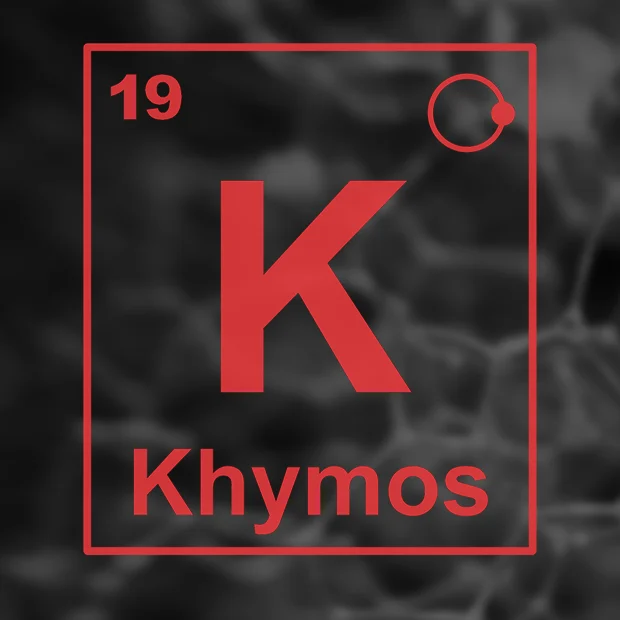
Alongside the technical upgrades, Khymos has unveiled a redesigned logo, offering a fresh visual identity that is both modern and symbolically rich. The new emblem features a stylized ‘K’, which serves a dual purpose: representing the initial letter of "Khymos" and simultaneously symbolizing potassium, element number 19 in the periodic table. The logo further incorporates a subtle dot on a ring, a design element chosen to illustrate that potassium possesses a single electron in its outermost shell.
This thoughtful design integrates the platform’s name with a nod to fundamental chemistry, likely reflecting the scientific underpinning or experimental nature of Khymos’s content, which often delves into molecular gastronomy or food science. Potassium (K) is a vital macronutrient and an alkali metal known for its high reactivity and crucial role in biological processes, including nerve function, muscle contraction, and maintaining fluid balance. Its elemental number 19 further grounds the logo in scientific fact. The single valence electron, a fundamental concept in atomic structure, speaks to the precision and foundational knowledge that such a platform might aim to convey. A new logo is not merely an aesthetic change; it is a critical component of brand identity, influencing recognition, recall, and overall perception. A well-designed logo can convey professionalism, modernity, and the core values of an organization, fostering a stronger connection with its audience.
The Imperative for Digital Evolution: A Timeline of Web Development
The journey of the internet from static pages to dynamic, interactive, and universally accessible platforms has been rapid and relentless. Khymos’s recent upgrades can be viewed within this broader timeline of digital evolution.
- Early 1990s: The dawn of the World Wide Web, characterized by basic HTML pages primarily accessible via desktop computers. Websites were largely informational and static.
- Late 1990s – Early 2000s: The rise of dynamic content, databases, and early content management systems (CMS). Blogging emerged as a popular format, allowing individuals to publish regularly. WordPress, the CMS used by Khymos, was first released in 2003, democratizing web publishing.
- Mid-2000s: Web 2.0 era, emphasizing user-generated content, social networking, and interactive experiences. However, website design remained largely desktop-centric.
- Late 2000s – Early 2010s: The proliferation of smartphones (e.g., iPhone in 2007) dramatically shifted internet consumption patterns. Users began accessing websites on smaller screens, leading to poor user experiences on non-optimized sites. The concept of "responsive web design" was introduced by Ethan Marcotte in 2010, advocating for flexible layouts that adapt to various screen sizes.
- Mid-2010s – Present: Responsive design became an industry standard. Google began prioritizing mobile-friendly sites in its search rankings, culminating in mobile-first indexing. The sheer volume of mobile traffic surpassed desktop traffic globally, making mobile optimization a non-negotiable aspect of successful online presence.
Khymos’s acknowledgment that mobile compatibility "should have been done years ago" places its recent upgrade squarely within this timeline, addressing a critical functional gap that emerged over a decade ago. The delay, while perhaps due to resource constraints or other priorities, highlights the enduring challenge for many long-standing online platforms to keep pace with rapid technological shifts.
The Landscape of Online Content: Why These Upgrades Matter
In today’s competitive online environment, where attention spans are short and alternatives are plentiful, the technical performance and user experience of a website are paramount. The upgrades implemented by Khymos directly address several key aspects crucial for its continued success.
User Experience and Accessibility
A seamless user experience is the cornerstone of effective online engagement. When users encounter a site that is difficult to navigate on their preferred device, or one that loads slowly, they are likely to abandon it quickly. Studies have shown that a significant percentage of users will leave a website if it doesn’t load within a few seconds, and non-responsive sites on mobile devices lead to high bounce rates. By adopting a responsive theme, Khymos ensures that its content is accessible and enjoyable, regardless of the device. This improves readability, reduces frustration, and encourages longer site visits, fostering a more loyal readership. Furthermore, improved accessibility broadens the potential audience to include individuals who primarily rely on mobile devices for internet access, a demographic that is continually expanding globally.
Search Engine Optimization (SEO) Implications
The impact of these upgrades on SEO cannot be overstated. Search engines, particularly Google, prioritize websites that offer a superior user experience and are technically sound.
- Domain Consolidation: Moving content to
khymos.orgcentralizes authority. Search engines view a single, consistent domain as more authoritative than fragmented subdomains. This can lead to improved overall domain authority and better rankings for relevant keywords. The proper implementation of 301 redirects ensures that any SEO "juice" accumulated byblog.khymos.orgis passed to the new main domain, preserving years of effort. - Mobile-Friendliness: With Google’s mobile-first indexing, the mobile version of a website is now the primary version used for ranking. A non-responsive site can face significant penalties in mobile search results. By becoming fully responsive, Khymos is now better positioned to rank higher in mobile searches, capturing a larger share of the search market. This also positively impacts desktop rankings, as overall site quality and user experience are factored into Google’s algorithms.
- Site Speed: Often, modern, responsive themes are built with performance in mind, contributing to faster loading times. Site speed is a direct ranking factor for search engines and a critical component of user experience. Faster sites lead to lower bounce rates and higher conversion rates (in this case, continued reading).
Brand Cohesion and Future-Proofing
The strategic domain migration and new logo contribute significantly to brand cohesion. A single, unified domain (khymos.org) simplifies branding efforts and strengthens recognition. It presents a more professional and established image to visitors and partners. The new logo, with its thoughtful scientific symbolism, reinforces Khymos’s identity and provides a fresh, modern face to the brand. This visual refresh, combined with technical modernization, helps future-proof the platform. By adopting current best practices, Khymos is better equipped to adapt to future technological shifts and maintain its relevance in an ever-evolving digital landscape. It signals to its audience and to the wider internet that Khymos is an active, evolving, and serious content provider.
The Science Behind Khymos: A Brief Overview
While the original article is brief, the nature of the upgrades and the specific symbolism of the new logo (Potassium, element #19, single outer electron) strongly suggest that Khymos operates within a niche that blends science, likely chemistry, with practical applications such as food science, molecular gastronomy, or experimental cooking. The founder’s background and interests, often shared on such personal blogs, likely inform this scientific bent. Molecular gastronomy, for instance, explores the physical and chemical transformations of ingredients that occur in cooking, making a deep understanding of elements like potassium, and basic atomic structure, highly relevant. This scientific foundation differentiates Khymos from general lifestyle or food blogs, positioning it as a resource for those interested in the ‘why’ and ‘how’ behind culinary processes. The enriched logo provides a visual shorthand for this intellectual curiosity and scientific rigor.
Expert Perspectives on Digital Transformation
Industry experts consistently underscore the importance of the steps Khymos has taken. "In today’s digital ecosystem, a website is often the first point of contact for an audience," states Dr. Evelyn Reed, a digital strategy consultant. "Ignoring mobile responsiveness or maintaining a fragmented domain structure is akin to having a storefront that’s difficult to find or impossible to enter. These upgrades are no longer optional; they are foundational for any serious online platform aiming for longevity and impact."
Similarly, SEO specialist Mark Jensen notes, "Google’s algorithms are increasingly sophisticated, rewarding sites that offer a comprehensive, user-centric experience. Consolidating domains, implementing 301 redirects correctly, and ensuring mobile-friendliness directly address key ranking factors. Khymos’s strategic move will undoubtedly yield positive results in terms of search visibility and organic traffic." These sentiments echo the prevailing consensus among digital professionals that continuous adaptation is vital for online success.
Looking Ahead: The Future of Khymos
With these significant upgrades in place, Khymos is poised for a renewed period of growth and engagement. The improved technical foundation and refreshed brand identity are expected to facilitate several positive outcomes:
- Expanded Audience Reach: By becoming fully mobile-friendly and optimizing for search engines, Khymos can now attract a much wider audience, including the growing number of users who primarily access content via smartphones.
- Enhanced User Engagement: A smoother, more enjoyable user experience will likely lead to increased time on site, more page views per session, and potentially higher rates of social sharing and interaction.
- Stronger Brand Authority: The unified domain and modern logo contribute to a more professional and authoritative brand image, which can attract collaborations, media mentions, and further establish Khymos as a leading voice in its niche.
- Flexibility for Future Innovations: A modern WordPress theme provides a more stable and flexible platform for implementing new features, content formats, and interactive elements in the future, allowing Khymos to continue evolving its offerings.
In conclusion, the comprehensive digital transformation of Khymos represents a critical investment in its future. By addressing fundamental aspects of web functionality, usability, and brand identity, the platform has not only caught up with contemporary digital standards but has also laid a robust groundwork for sustained growth and deeper engagement with its global audience. The strategic domain migration, the overdue but essential embrace of responsive design, and the thoughtful introduction of a new, scientifically inspired logo collectively signify a renewed commitment to delivering high-quality, accessible content in its specialized field.