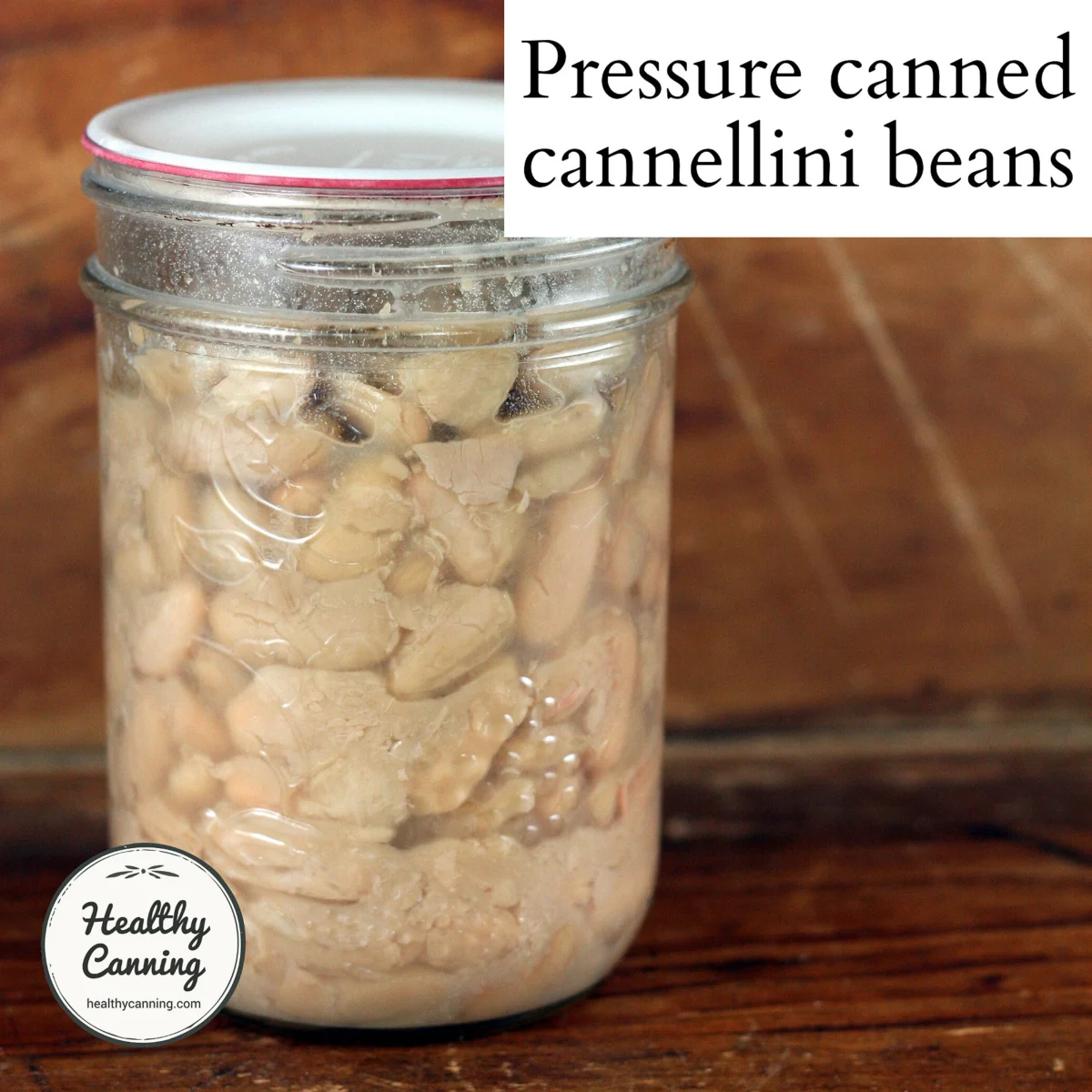

Home preservation of legumes, specifically the cannellini bean—also known as the white kidney bean—represents a critical intersection of culinary tradition, economic efficiency, and food safety science. While the process allows households to maintain a shelf-stable pantry of nutrient-dense proteins, it requires a rigorous adherence to established safety protocols to mitigate the risk of foodborne illnesses. According to the United States Department of Agriculture (USDA) and the National Center for Home Food Preservation (NCHFP), cannellini beans are classified as a low-acid food. This classification necessitates the use of a pressure canner to achieve the internal temperatures required to neutralize Clostridium botulinum spores, which can thrive in the anaerobic environment of a sealed jar.
The Science and Necessity of Pressure Canning
The fundamental challenge in canning cannellini beans lies in their chemical composition. With a pH level significantly higher than 4.6, legumes do not possess the natural acidity required to prevent the growth of toxic bacteria through boiling water bath methods alone. A standard water bath canner reaches a maximum temperature of 212°F (100°C) at sea level, which is sufficient for high-acid foods like fruits or pickles but insufficient for meats and vegetables. Pressure canning, however, utilizes steam under pressure to raise the internal temperature to at least 240°F (116°C).
Scientific research conducted by the USDA, specifically detailed in Agriculture Information Bulletin No. 539, confirms that these elevated temperatures are the only verified method for ensuring the safety of home-canned beans. Experts note that while the process is intensive, the resulting product offers a texture and nutritional profile that often surpasses commercial alternatives, provided the processor understands the physical changes the beans undergo during the cycle.
Culinary Profile and Texture Management
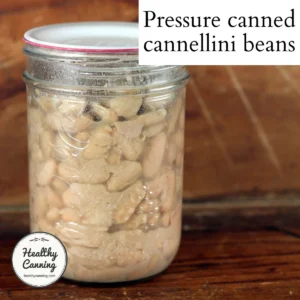
A primary consideration for home canners is the resulting texture of the cannellini bean. Due to the extended processing times required for safety—up to 90 minutes for quart-sized jars—home-canned cannellini beans tend to be softer than their commercially processed counterparts. Commercial facilities often use industrial-grade flash-heating and chemical firming agents, such as calcium chloride, to maintain structural integrity.
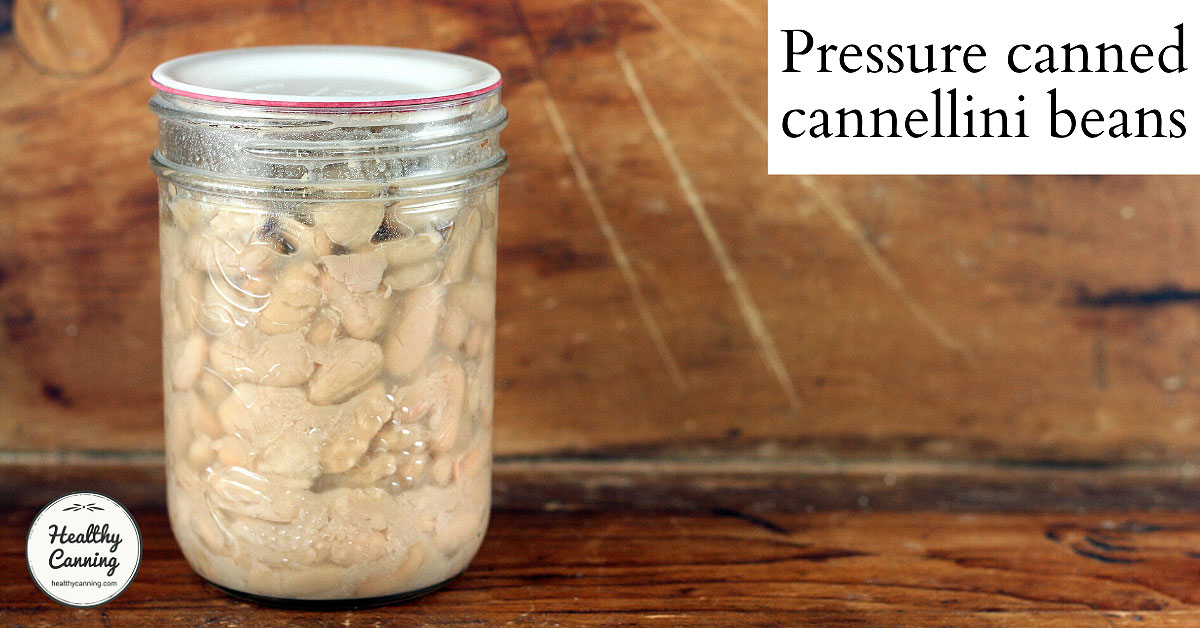
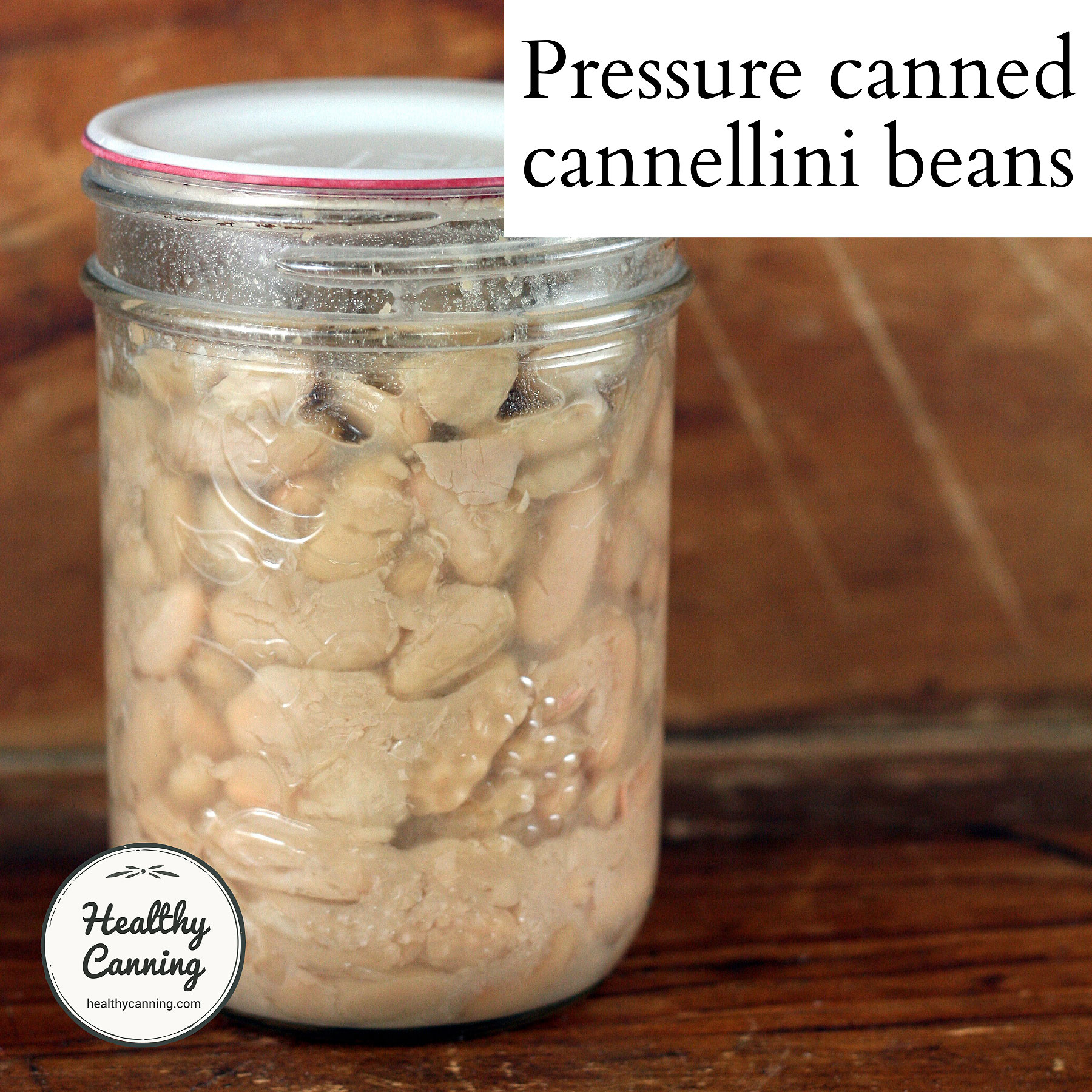
In a domestic setting, these beans become exceptionally tender. Culinary analysts suggest that while they may not be suitable for bean salads where a firm "bite" is desired, they are ideal for applications where a creamy consistency is an asset. This includes Italian ribollita soups, stews, bean pâtés, and spreads like white bean hummus. The high starch content of the cannellini bean leaches slightly into the canning liquid, creating a viscous aquafaba that can serve as a natural thickener for culinary preparations.
Chronology of the Canning Process
The successful preservation of cannellini beans follows a strict chronological sequence designed to ensure both quality and safety.
- Rehydration and Sorting: The process begins with dried beans. Canners must sort through the legumes to remove stones, debris, or shriveled specimens. The beans must then be rehydrated. Two primary methods are recognized: the "Overnight Soak," where beans remain in water for 12 to 18 hours, and the "Quick Soak," which involves bringing the beans to a boil for two minutes and then letting them stand for one hour.
- Pre-Cooking: After soaking, the beans are drained and rinsed. They are then placed in fresh water, brought to a boil, and simmered for 30 minutes. This step is crucial for "hot packing," which ensures the beans are at a consistent temperature when they enter the jars, facilitating a more even heat distribution during the pressure cycle.
- Jar Preparation and Filling: Jars must be cleaned and kept warm to prevent thermal shock. The beans are ladled into jars, leaving exactly one inch (3 cm) of headspace. This space is vital to allow for the expansion of the beans and to ensure a proper vacuum seal.
- The Pressure Cycle: Once the jars are placed in the canner and the lid is locked, the unit must vent steam for 10 minutes before the weight or gauge is applied. This ensures that the environment inside the canner consists entirely of steam rather than an air-steam mixture, which would result in inadequate heating.
- Processing and Cooling: The canner is brought to the required pressure (typically 10 to 11 lbs depending on the gauge type). Once the timer expires, the heat is deactivated, and the unit must depressurize naturally. Forcing the cooling process can lead to liquid loss (siphoning) and seal failure.
Technical Specifications and Supporting Data
The USDA provides specific processing guidelines based on jar volume and the type of pressure gauge used. These metrics are non-negotiable for safety.
- Quarter-litre (1/2 US pint) and Half-litre (1 US pint) Jars: 75 minutes of processing time.
- One-litre (1 US quart) Jars: 90 minutes of processing time.
Altitude adjustments are a critical technical component. As altitude increases, the boiling point of water decreases, necessitating an increase in pressure to maintain the required internal temperature of 240°F. For weighted-gauge canners, the pressure must be increased from 10 lbs to 15 lbs when operating at altitudes above 1,000 feet (300 metres). For dial-gauge canners, more incremental adjustments are required, often moving from 11 lbs to 12, 13, or 14 lbs depending on the specific elevation.
Nutritional and Economic Impact
From a nutritional perspective, home-canned cannellini beans offer significant health advantages. A standard 130g serving (approximately 1/2 cup) provides roughly 100 calories, 6 grams of protein, and 5 grams of dietary fiber. Crucially, home canning allows for the total elimination of added sodium. Commercial canned beans frequently contain high levels of salt used as a preservative and flavor enhancer. Data from Eden Foods suggests that no-salt-added beans provide a heart-healthy alternative that aligns with modern dietary guidelines for reducing sodium intake.
The economic implications are equally noteworthy. Bulk dried beans are significantly less expensive than pre-canned varieties. For households practicing long-term food security, the ability to convert a 25-pound bag of dried beans into shelf-stable, ready-to-eat jars represents a substantial cost saving. Furthermore, home canning reduces the environmental footprint associated with the manufacturing and recycling of tin and aluminum cans.
Regulatory Context and Official Responses
The guidelines for canning cannellini beans are periodically reviewed by the NCHFP to ensure they reflect current microbiological research. While some home cooks advocate for "rebel canning" (methods that bypass USDA standards), food safety officials maintain a firm stance on the necessity of pressure canning.
"The risk of botulism is low but the consequences are fatal," notes a general consensus among Master Food Preservers. "Tested recipes are the only way to ensure that the cold spot in the center of the jar reaches the lethality temperature required to kill spores."
Official responses from agricultural extensions emphasize that modifications to the recipe—such as adding thickeners like flour or cornstarch—are strictly prohibited during the canning process. These additives can change the viscosity of the liquid, slowing heat penetration and rendering the processing times insufficient.
Broader Implications and Food Security
The resurgence of home canning, particularly for staples like cannellini beans, reflects a broader societal trend toward self-sufficiency and a distrust of global supply chain stability. During the 2020-2022 period, demand for canning supplies reached historic highs, illustrating a shift in consumer behavior toward domestic food preservation.
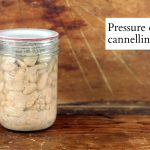
Canning cannellini beans also facilitates the preservation of local agricultural output. While most canners use dried beans, the same pressure canning times apply to fresh-shelled beans, allowing gardeners to preserve their harvest at its peak nutritional value. This contributes to a more resilient local food system, reducing reliance on industrial agriculture and long-distance transport.
In conclusion, the home canning of cannellini beans is a sophisticated process that rewards the practitioner with a versatile, healthy, and cost-effective food source. By adhering to the rigorous standards set forth by the USDA, home processors can safely navigate the complexities of low-acid food preservation. The soft, creamy texture of the resulting beans, combined with their superior nutritional profile, makes them a staple of the modern, safety-conscious pantry. As food prices continue to fluctuate and interest in clean eating grows, the technical mastery of the pressure canner remains an invaluable skill for the contemporary household.