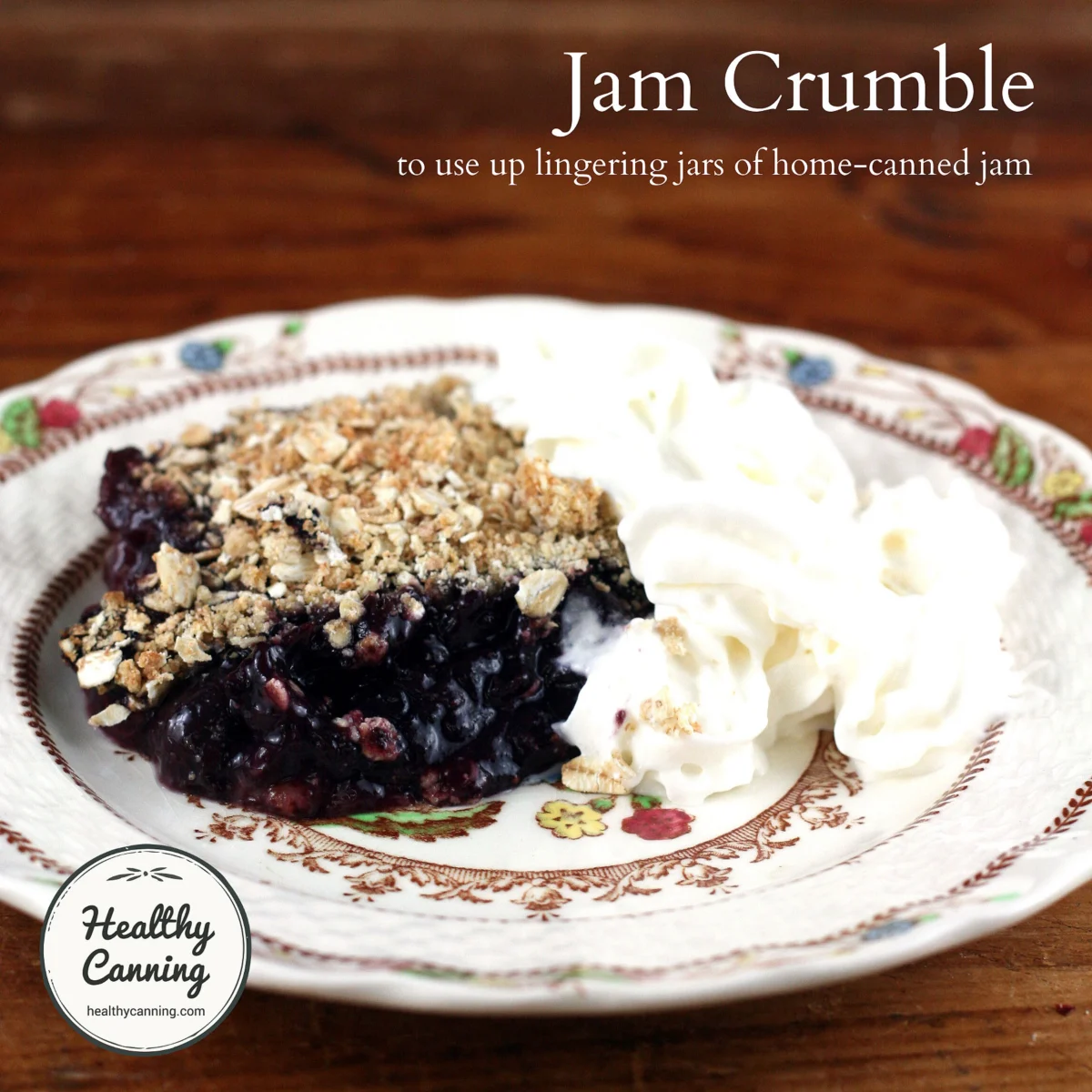

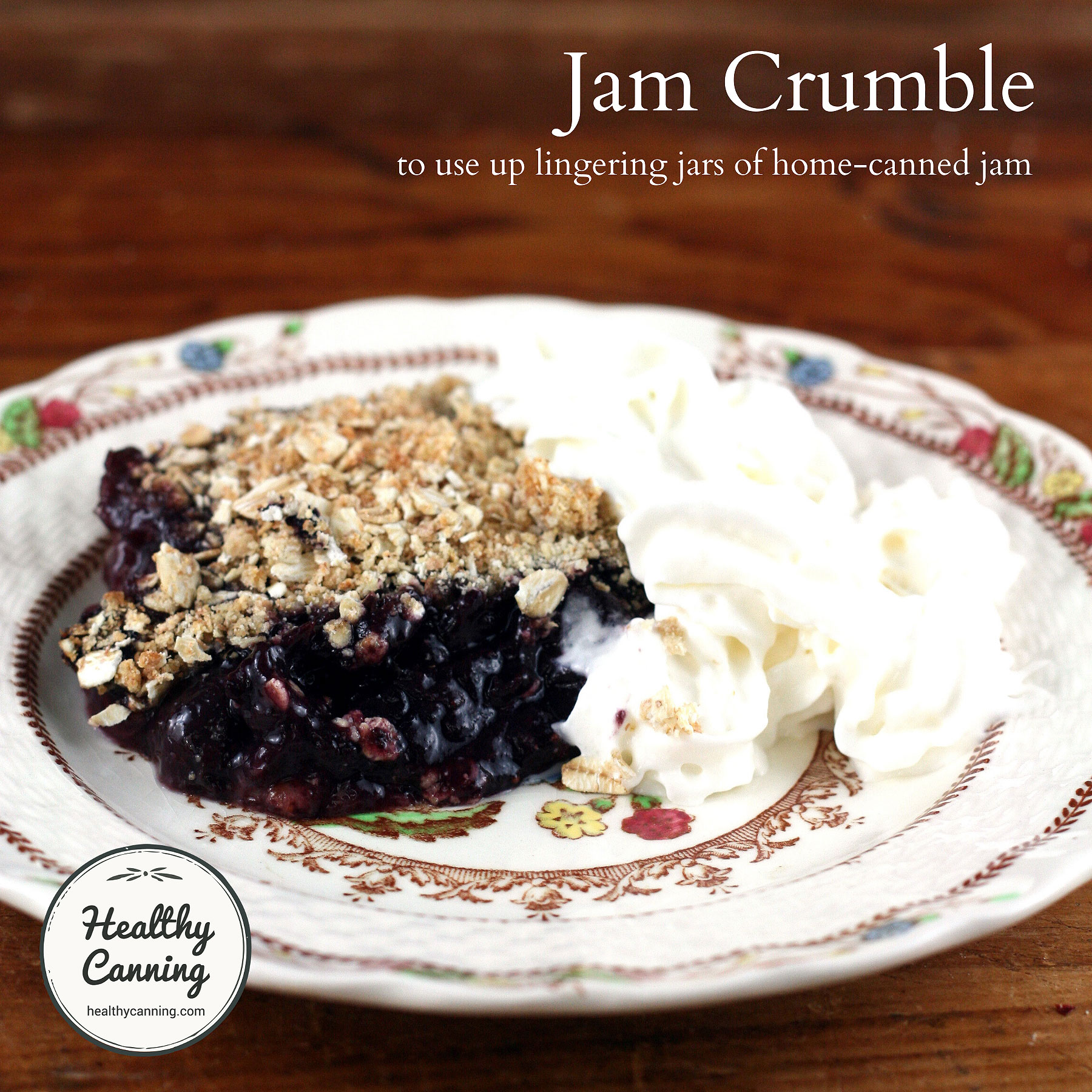
The strategic management of pantry inventory has emerged as a focal point for modern domestic scientists and home preservation enthusiasts, particularly concerning the utilization of home-canned fruit preserves that have surpassed their primary use-case as breakfast condiments. As household consumption patterns fluctuate, many home preservers find themselves with an excess of jam—often the result of a seasonal "fruit windfall" or a shift in dietary habits away from bread-based breakfasts. To address this surplus and mitigate potential food waste, culinary experts have refined the "Jam Crumble" concept, a versatile dessert framework designed to transform aging pantry stock into a high-quality, baked confection. This methodology emphasizes the "First In, First Out" (FIFO) principle of inventory management while providing a sophisticated solution for utilizing preserves that may be nearing the end of their peak quality window.
The Mechanics of the Jam Crumble Recipe
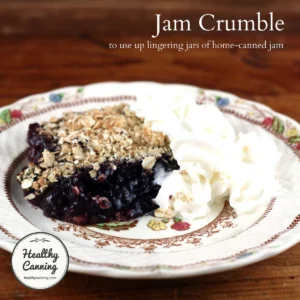
The Jam Crumble serves as a utilitarian yet refined dessert that relies on the concentrated flavors and pectin-stabilized texture of existing preserves. The recipe is structured around a standard oven temperature of 175°C (350°F), a thermal setting that allows the sugars in the jam to liquefy and bubble without reaching the point of carbonization, while simultaneously browning the flour-and-fat-based topping.
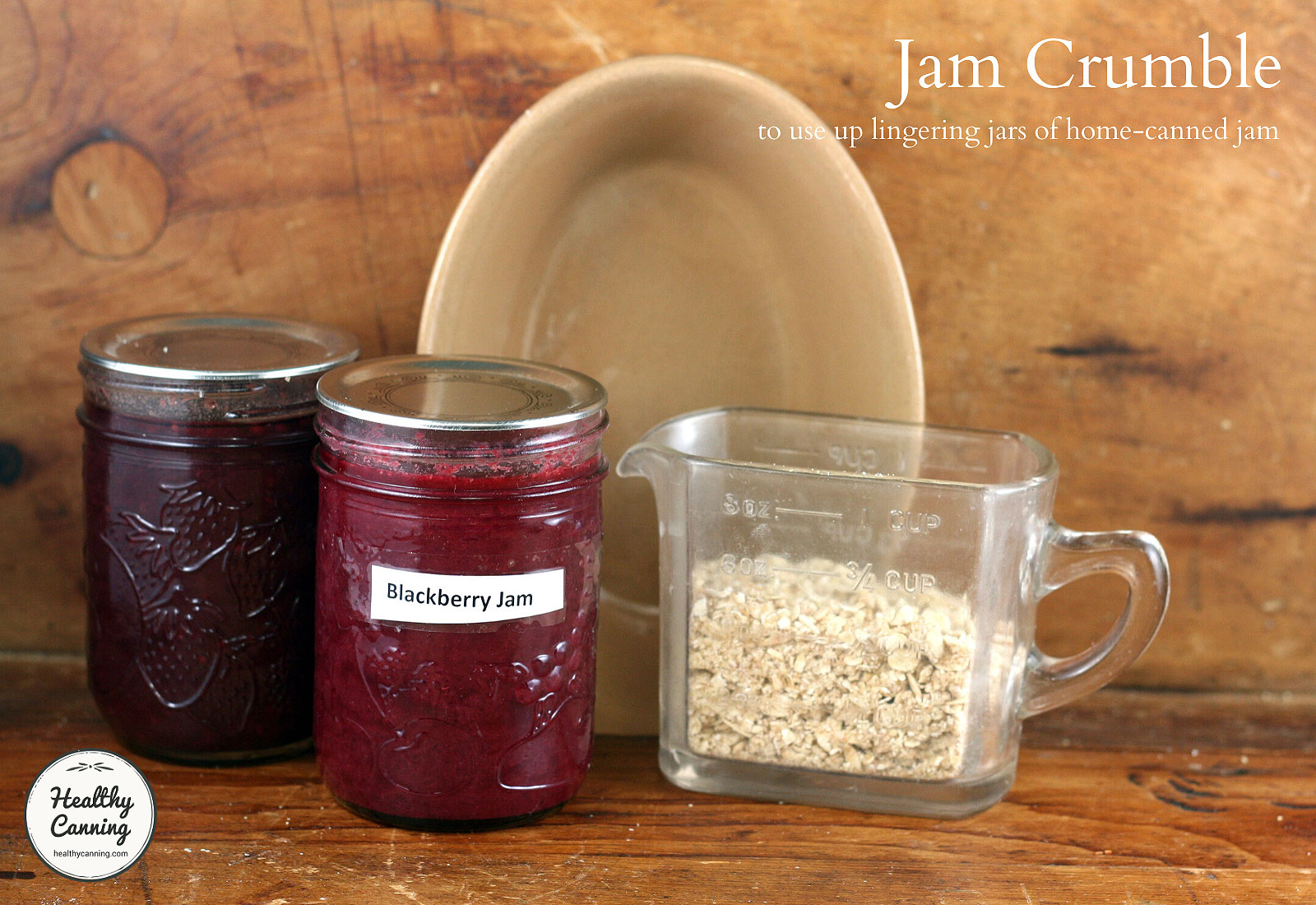
The standard yield for a primary batch is approximately two cups of finished product, sufficient for six servings. The preparation involves a streamlined workflow with a 10-minute active preparation phase followed by a 35-minute baking duration. The core ingredient requirement is 500 ml (approximately 1 pint) of jam. This can be sourced from a single large jar or, more strategically, by combining two 250 ml (half-pint) jars. The latter approach allows for a "layering" of flavors—for instance, a base of raspberry topped with a layer of apricot—which enhances the organoleptic complexity of the final dish.

For the structural component, the recipe offers two primary pathways. The first utilizes a pre-existing oatmeal pancake mix, which provides a balanced ratio of grains, leavening agents, and sweetness. The second is a "from-scratch" alternative for kitchens operating without pre-mixed supplies. This secondary method requires:
- ½ cup of rolled oats (for texture and fiber)
- 2 tablespoons of all-purpose flour (as a binding agent)
- 1 tablespoon of granulated sugar (to facilitate caramelization)
- A pinch of sodium chloride (salt) to enhance flavor profiles
- 2 tablespoons of chilled butter, integrated via the "rubbing-in" method to create a pebbled, crumb-like consistency.
Historical Context and the Evolution of the Crumble
To understand the significance of the Jam Crumble, one must examine the historical trajectory of the "crumble" as a culinary category. The dish gained prominence in the United Kingdom during the Second World War as a pragmatic alternative to traditional pies and tarts. Due to strict rationing of flour, butter, and sugar, the elaborate pastry crusts of the Victorian and Edwardian eras became unsustainable. The crumble offered a way to enjoy a baked dessert using significantly less fat and flour, relying instead on oats and breadcrumbs to provide texture.
In the post-war era, the crumble transitioned from a symbol of austerity to a staple of comfort food. The modern adaptation using jam represents a further evolution in resourcefulness. While traditional crumbles utilize fresh, stewed fruit, the jam-based version acknowledges the contemporary reality of the "preservationist’s pantry." In an era where home canning has seen a resurgence—driven by interests in food security, organic sourcing, and artisanal hobbies—the Jam Crumble represents a bridge between the preservation season (typically summer and autumn) and the consumption phase (winter and spring).
Statistical Overview: The Rise of Home Preservation and Food Waste
Recent data from the home preservation industry suggests a significant uptick in canning activities. Between 2020 and 2023, sales of canning jars and pressure canners increased by an estimated 30% in North America, as households sought to hedge against supply chain instabilities and rising grocery inflation. However, this surge in production has led to a secondary challenge: the "pantry backlog."
According to the United States Department of Agriculture (USDA), while home-canned goods are technically safe to consume as long as the vacuum seal remains intact, their nutritional value and sensory quality (color and texture) begin to decline after 12 to 18 months. Surveys of home preservers indicate that approximately 15-20% of annual "puts" (canned items) remain on shelves past this peak quality window. The Jam Crumble serves as a critical intervention in this cycle, encouraging the rotation of stock before the products lose their culinary appeal.
Furthermore, the environmental impact of utilizing these preserves is noteworthy. Food waste is estimated to account for 8-10% of global greenhouse gas emissions. By converting "lingering jars" into desserts rather than discarding them, consumers contribute to a circular domestic economy that honors the labor and energy expended during the initial canning process.
Technical Analysis of Ingredient Interaction
The success of a Jam Crumble depends on the chemical interactions between the preserve and the topping during the baking process. Jams are essentially fruit tissues suspended in a pectin-sugar-acid gel. When subjected to 175°C heat, the pectin network temporarily weakens, allowing the jam to spread and form a uniform layer at the base of the baking dish.
The topping acts as a thermal insulator and a textural contrast. The inclusion of oats provides a "chewy" resistance that offsets the softness of the heated fruit. If a consumer chooses to enrich the topping with additional lipids (butter) or spices such as nutmeg and cinnamon, they initiate the Maillard reaction more effectively, resulting in a golden-brown hue and a complex aromatic profile.
Culinary professionals often recommend the "bulk-preparation" strategy for the crumble topping. By tripling or quadrupling the dry ingredients and storing them in a sealed container in a sub-zero environment (freezer), the time-to-table for a dessert can be reduced to under 40 minutes, with only seconds of active labor required to open a jar and sprinkle the pre-made mix.
Official Guidelines and Nutritional Adaptability
From a nutritional standpoint, the Jam Crumble is highly adaptable, making it a viable option for various dietary regimes. The "Healthy Canning" initiative emphasizes that the nutritional density of the dish is largely determined by the type of preserve used.
- Low-Sugar and Sugar-Free Options: For individuals monitoring glycemic intake or participating in programs like Weight Watchers™, the use of jams processed with low-methoxyl pectin and sugar substitutes significantly reduces the caloric load.
- Fiber Integration: The use of whole-grain oats in the topping increases the dietary fiber content, which can help moderate the absorption of the sugars present in the fruit base.
- Allergen Modifications: The recipe is easily modified for gluten-free diets by substituting the two tablespoons of flour with almond meal or a gluten-free flour blend, ensuring the dish remains inclusive for those with celiac disease or gluten sensitivities.
While no official statement from national health organizations has been issued specifically on "Jam Crumbles," the general consensus among registered dietitians is that home-cooked desserts using controlled ingredients are preferable to ultra-processed, store-bought alternatives which often contain high-fructose corn syrup and artificial preservatives.
Broader Implications for Sustainable Living
The promotion of the Jam Crumble recipe is more than a simple culinary suggestion; it is an advocacy for "mindful consumption." It addresses the psychological burden of the "cluttered pantry" and provides a sense of accomplishment for the home cook.
As grocery prices continue to fluctuate due to global economic pressures, the ability to produce a six-serving dessert from existing supplies—costing essentially nothing at the point of preparation—is a significant boon to household budgeting. It reinforces the value of the "harvest cycle" and ensures that the bounty of the summer months is fully realized, rather than being lost to the passage of time on a dark cellar shelf.
In conclusion, the Jam Crumble stands as a testament to the enduring relevance of resourcefulness in the kitchen. By combining the science of preservation with the art of baking, it offers a practical, delicious, and economically sound solution to one of the most common dilemmas faced by the modern home canner. Whether used as a quick weeknight treat or a centerpiece for a casual gathering, it exemplifies the transition from food storage to food enjoyment.