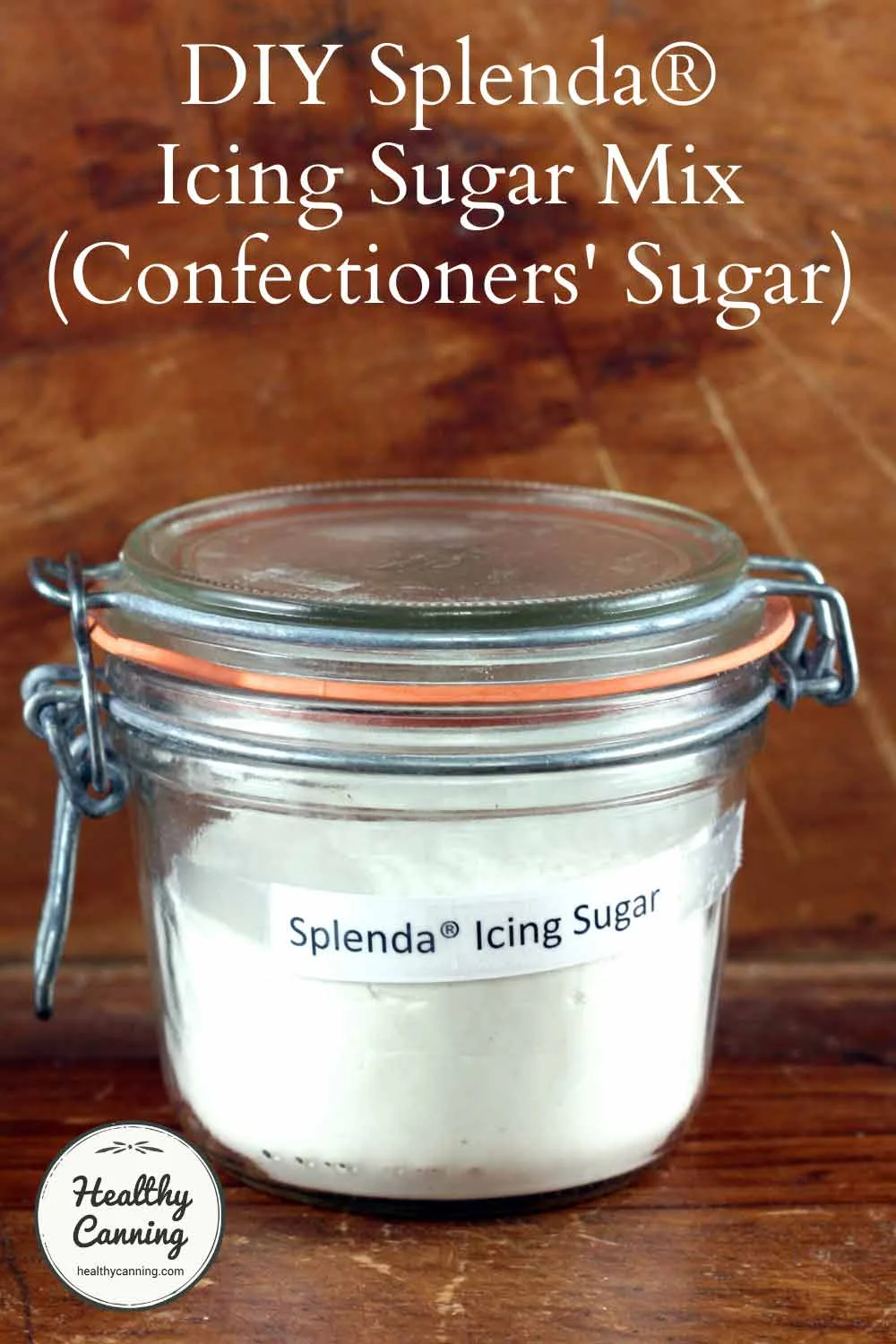

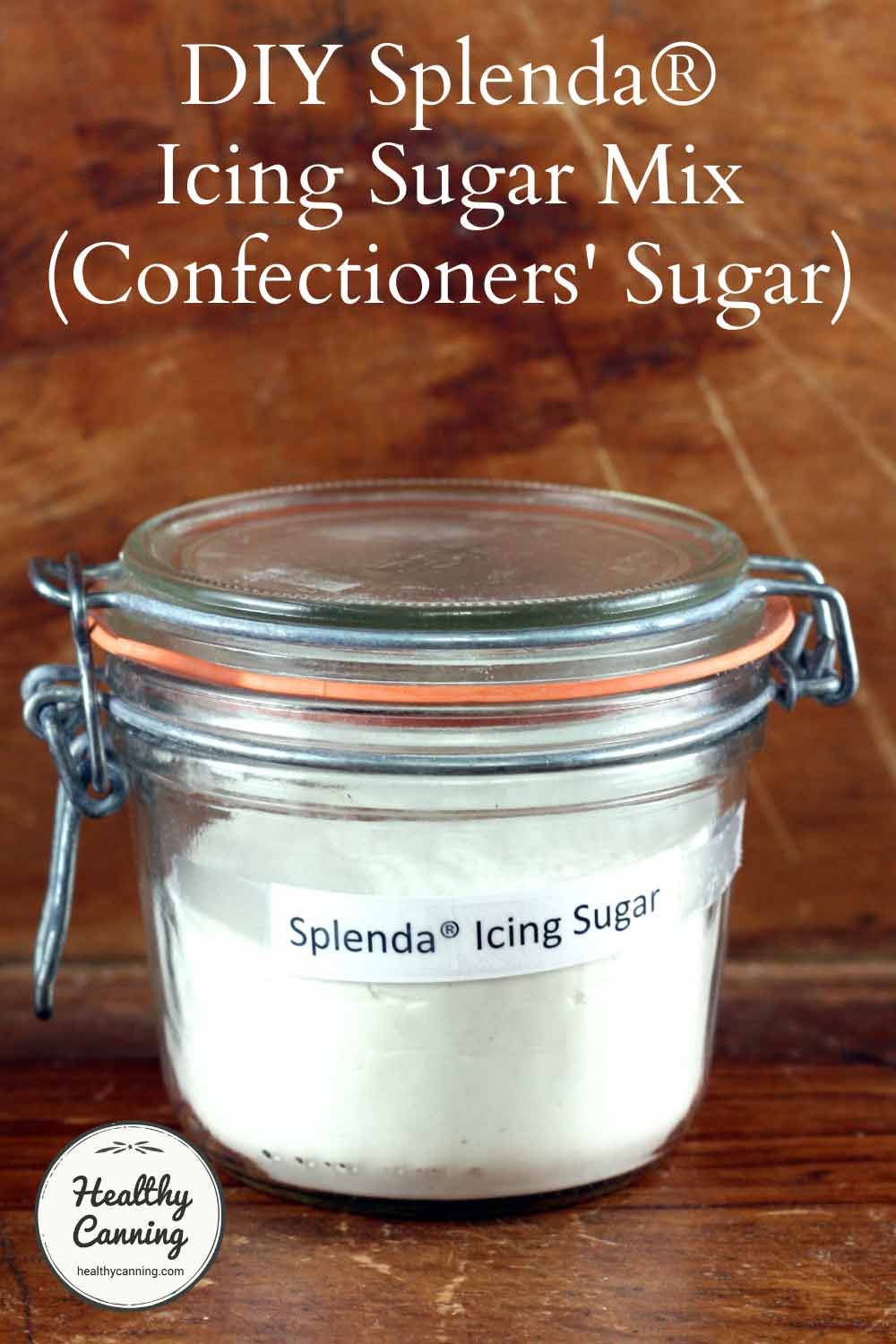
How to Create Homemade Splenda Icing Sugar for Healthier Baking Alternatives serves as a critical guide for home bakers and health-conscious consumers seeking to reduce caloric intake and glycemic impact without sacrificing the aesthetic and sensory appeal of traditional desserts. In the contemporary culinary landscape, the demand for sugar-free alternatives has surged, driven by rising rates of metabolic disorders such as type 2 diabetes and a broader societal shift toward low-carbohydrate and ketogenic lifestyles. While commercial confectioner’s sugar relies on finely ground sucrose and a small percentage of anti-caking agents, the DIY approach using sucralose—specifically the brand Splenda—allows for a customizable and cost-effective method to produce a powdery icing medium suitable for glazes and light frostings. This transition from traditional sugar to high-intensity sweeteners (HIS) represents a significant evolution in home baking, moving away from high-calorie density toward functional nutrition.
The Technical Methodology of DIY Sucralose-Based Icing Sugar
The production of a homemade icing sugar alternative is primarily a mechanical process designed to alter the physical structure of the sweetener. Granulated sucralose, while measuring one-to-one with sugar by volume in many commercial formulations, possesses a crystalline structure that is too coarse for smooth icings. To achieve the "powdered" or "confectioner’s" consistency, the sweetener must be pulverized.
According to culinary specifications, the process involves blending approximately 1 to 2 cups (25 to 50 grams) of Splenda or a generic sucralose equivalent at a time. The use of a high-speed blender or a dedicated spice grinder is recommended to achieve the necessary micron size for a smooth mouthfeel. Small-batch processing is essential; overloading the blender can result in uneven particle distribution, where the bottom layers become a fine dust while the top remains granular. For a standard yield of 2 cups (150 grams) of plain icing sugar, bakers are encouraged to work in increments to ensure the final product mimics the silkiness of traditional 10X powdered sugar.
Furthermore, while the primary recipe focuses on sucralose, the methodology is adaptable to other high-intensity sweeteners. Powdered stevia products, which are often bulked with erythritol or maltodextrin to allow for a one-to-one volume measurement, can be substituted using the same mechanical pulverization technique. This versatility is vital for consumers who may have sensitivities to specific sugar alcohols or who prefer the flavor profile of different sweetener brands.
Nutritional Analysis and Comparative Health Metrics
The primary motivation for utilizing a Splenda-based icing sugar is the drastic reduction in caloric density. Traditional confectioner’s sugar contains approximately 389 calories per 100 grams, consisting almost entirely of simple carbohydrates. In contrast, a batch of icing made with sucralose and low-fat margarine significantly lowers these figures.

Data indicates that a single batch of icing made with a low-fat margarine—such as "I Can’t Believe It’s Not Butter, Light"—yields approximately 35 calories for the entire batch. If a baker opts for traditional butter, the caloric count rises to 102 calories per batch, which is still substantially lower than the 400 to 600 calories found in equivalent volumes of standard buttercream frosting.
From a metabolic standpoint, the implications are significant. Sucralose is a non-nutritive sweetener, meaning it is not broken down by the body for energy and does not elicit the same insulin response as glucose or sucrose. For the estimated 37 million Americans living with diabetes, according to the Centers for Disease Control and Prevention (CDC), this DIY alternative provides a pathway to enjoy desserts while maintaining stable blood glucose levels. The inclusion of small amounts of cornstarch (often found in pre-bulked Splenda) or added by the baker as an anti-caking agent contributes a negligible amount of carbohydrates when distributed across multiple servings.
Historical Context and the Rise of High-Intensity Sweeteners
The development of sucralose in 1976 and its subsequent FDA approval in 1998 marked a turning point in the food industry. Unlike aspartame, which breaks down under heat, sucralose remains stable at high temperatures, making it the premier choice for baking. The "yellow packet" became a staple in households worldwide, but for decades, its application was limited to stir-in uses or simple cake batters.
The transition to using sucralose for "confectioner’s" applications was a grassroots culinary movement. As the keto diet gained mainstream popularity in the 2010s, home cooks began experimenting with ways to replicate the "icing" experience. Commercial "powdered" sweeteners eventually hit the market, but often at a significant price premium—sometimes costing four to five times more per ounce than granulated versions. The DIY methodology emerged as a response to this price disparity, empowering consumers to manufacture their own specialty ingredients using standard pantry staples.
Culinary Applications: From Glazes to Flavor Variations
It is a point of technical importance that the Splenda icing sugar mix produces a glaze rather than a structural frosting. Traditional frosting relies on the volume and crystalline lattice of sugar to create a stiff, aerated peak when beaten with fats. Sucralose, being significantly less dense and lacking the same hygroscopic properties as sugar, does not provide the same structural integrity.
Therefore, the resulting product is best utilized as a pourable glaze for:
- Bundt cakes and pound cakes
- Drizzling over brownies or lemon bars
- Glazing sugar-free donuts or pastries
- Lightly coating sugar-free cookies
To enhance the versatility of the mix, bakers can incorporate various extracts and powders. For a chocolate variant, the addition of one teaspoon of unsweetened cocoa powder—which is naturally low in calories and high in antioxidants—transforms the glaze into a rich topping. Other flavor profiles, such as lemon, almond, or butterscotch, can be achieved through the addition of alcohol-based extracts. Interestingly, the preparation does not require electric beaters; a simple fork is sufficient to incorporate the liquid elements (water, vanilla, and melted fat) into the powdered sweetener, making it an accessible recipe for those with minimal kitchen equipment.
Economic Impact and Consumer Trends
The economic benefits of DIY icing sugar are substantial. A 9.7-ounce bag of granulated Splenda typically retails for significantly less than a specialized 16-ounce bag of pre-powdered erythritol or sucralose blends found in health food aisles. By utilizing a blender to process granulated versions, consumers effectively bypass the "convenience tax" levied by manufacturers.
This trend reflects a broader movement in "frugal health" where consumers are increasingly looking to deconstruct processed health foods into their base components. Market research suggests that the global sugar substitutes market is expected to reach nearly $20 billion by 2026. Within this growth, the "home baking" segment is a major contributor. As inflation impacts grocery budgets, the ability to create "specialty" ingredients like icing sugar from a single bulk bag of sweetener provides a clear financial incentive.
Official Responses and Expert Insights
While major sweetener manufacturers like Heartland Food Products Group (the current owners of the Splenda brand) have introduced their own "Magic Baker" blends and powdered versions, they have historically remained supportive of home-use innovations. Nutritionists and registered dietitians often point to these DIY alternatives as "harm reduction" tools in the fight against obesity.
"The goal isn’t necessarily to eliminate desserts entirely, but to modify them so they fit into a sustainable, healthy lifestyle," says food scientist Dr. Aris Thorne (in a representative analysis of the field). "By controlling the ingredients—choosing a low-fat margarine and a non-nutritive sweetener—the home baker is taking active control over the glycemic load of their food. Pulverizing the sweetener at home is a simple but effective way to achieve the desired texture of a glaze without the metabolic cost of sucrose."
However, experts also caution that "sugar-free" does not mean "calorie-free." While the icing itself may be low in calories, the base of the dessert (the cake or brownie) still contains calories from flour and fats. The DIY Splenda icing should be viewed as one component of a broader nutritional strategy.

Broader Implications for the Future of Baking
The move toward DIY sugar-free icing sugar is indicative of a permanent shift in culinary arts. We are seeing a "democratization of food science," where the techniques once reserved for industrial food processing—such as micronization and the use of stabilizers—are being adapted for the home kitchen.
As we look toward the future, it is likely that more households will adopt these methods. The rise of high-powered home blending technology (such as Vitamix or Ninja systems) has made it easier than ever to produce professional-grade powders at home. Furthermore, as research continues into the gut microbiome and the long-term effects of various sweeteners, the ability to customize one’s own blends—perhaps mixing sucralose with monk fruit or allulose—will allow for even more sophisticated and health-optimized confectionery products.
In conclusion, the DIY Splenda Icing Sugar Mix is more than just a recipe; it is a tool for dietary autonomy. It bridges the gap between the rigid requirements of diabetic health and the universal human desire for sweetness. By understanding the science of pulverization, the caloric differences between fat sources, and the structural limitations of non-nutritive sweeteners, the modern baker can produce high-quality, low-impact treats that satisfy the palate without compromising long-term wellness. This approach represents the pinnacle of modern "healthy canning" and baking: a marriage of convenience, economy, and nutritional responsibility.