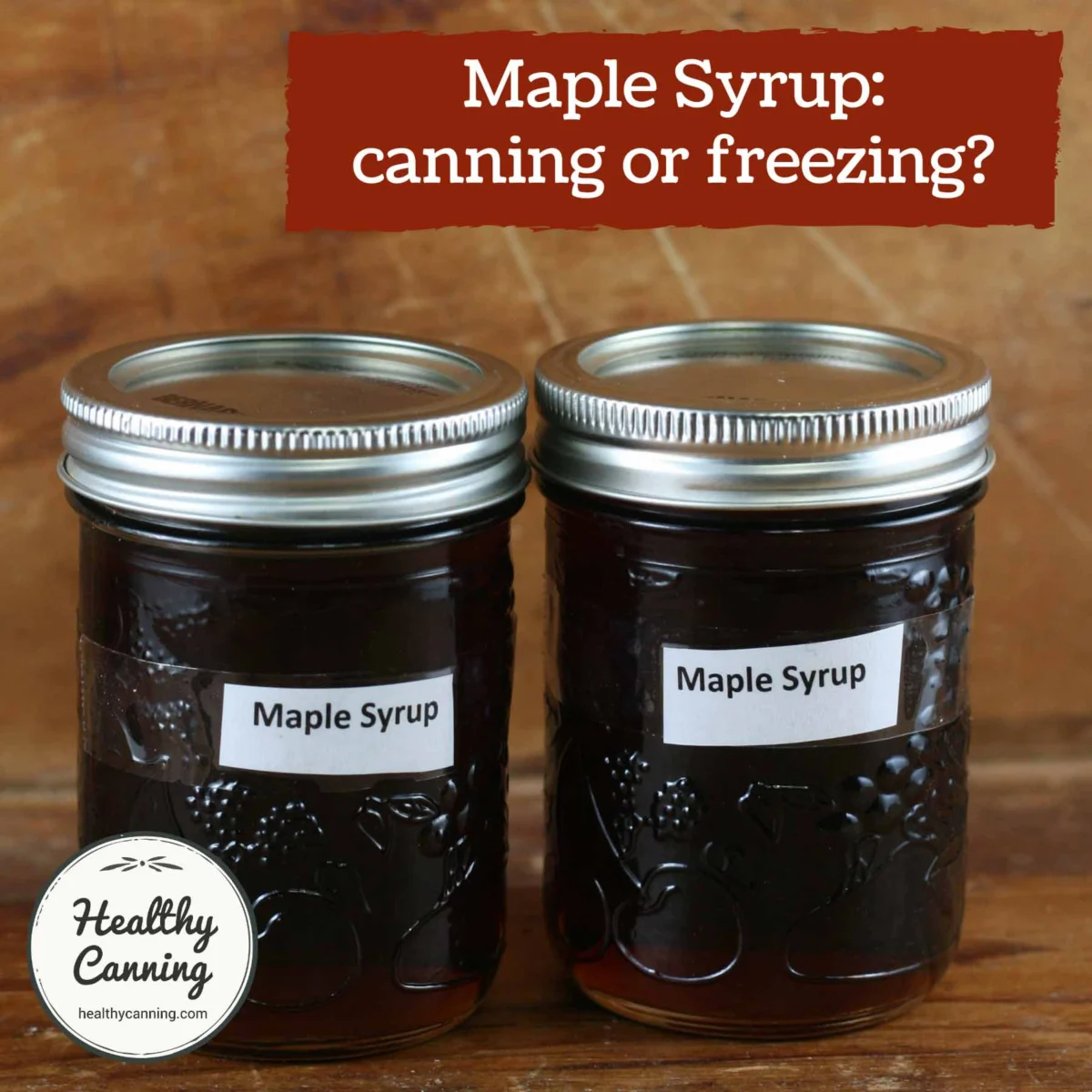

Pure maple syrup is a premium agricultural product that, despite its high sugar concentration, remains susceptible to spoilage if environmental conditions are not strictly managed. For many households, purchasing maple syrup in bulk is a cost-effective strategy; however, without an understanding of the biological and chemical vulnerabilities of the syrup, these large quantities are frequently lost to mould colonization. While commercial producers adhere to rigorous industrial standards, home consumers must navigate a complex set of recommendations regarding shelf storage, refrigeration, and long-term freezing to maintain both the safety and the sensory quality of the product.
The Scientific Foundation of Maple Syrup Stability
To understand how to store maple syrup, one must first understand its composition. In North America, legal standards dictate that maple syrup must reach a specific density to be classified as such. This density is measured using the Brix scale, which denotes the percentage of sucrose by weight in an aqueous solution. According to the North American Maple Syrup Council, the ideal density for finished syrup falls between 66° and 68° Brix.
This high sugar concentration is the primary mechanism of preservation. When the Brix level is maintained above 66°, the water activity of the syrup is lowered to a point where most bacteria, including Clostridium botulinum, cannot germinate. Although the average pH of maple syrup is approximately 5.15—well above the 4.6 threshold generally required to prevent botulism in low-acid canned foods—the low water activity provides the necessary safety margin. However, if the syrup is under-processed (below 66° Brix), it becomes prone to fermentation and mould. Conversely, if it exceeds 68° Brix, the excess sugar will precipitate out of the solution, forming hard crystals at the bottom of the container.

Initial Storage and the "Beige Jug" Exception
The shelf life of unopened maple syrup depends heavily on the container material. Glass, metal, and certain high-density "squeeze-type" plastics serve as excellent oxygen barriers. When sealed at the point of production, these containers can be stored at room temperature in a dark, cool cupboard for a year or more without significant degradation.
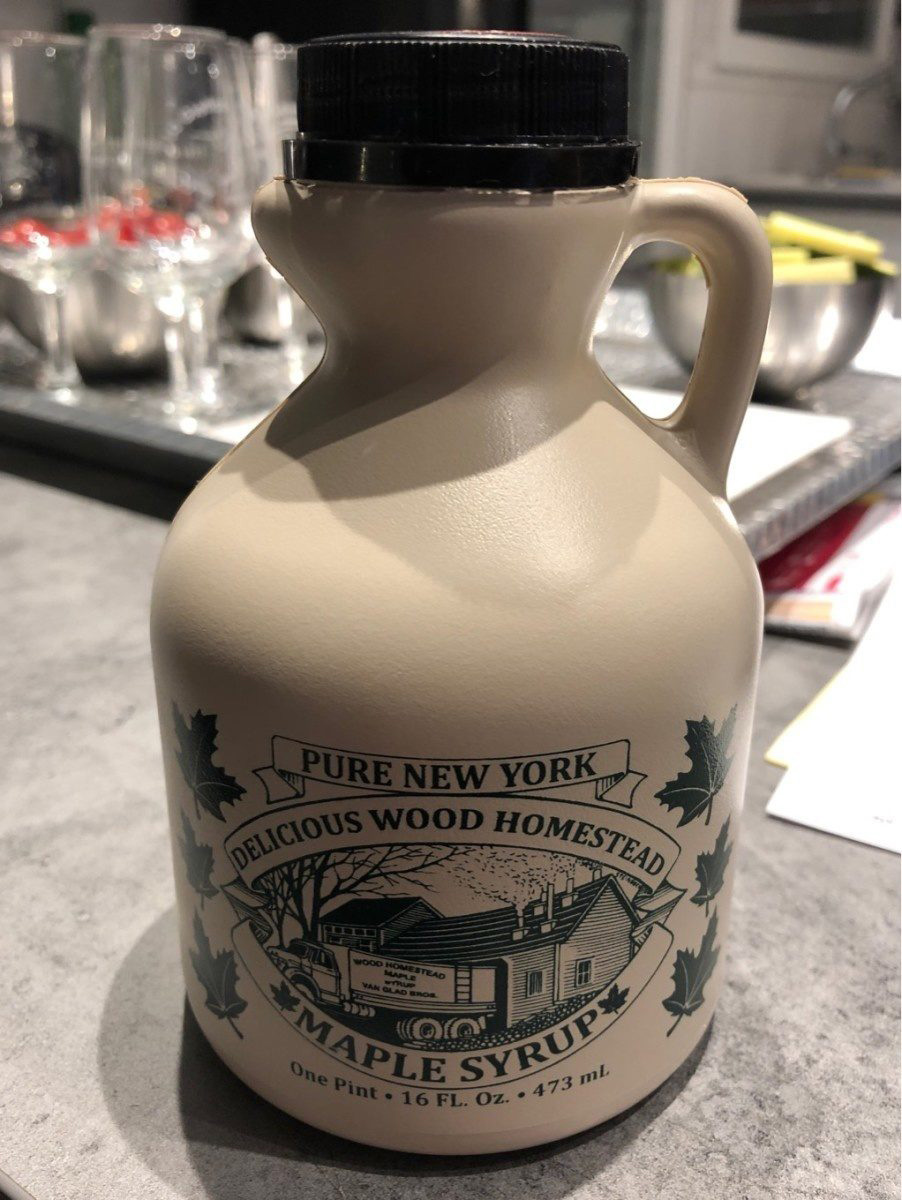
A notable exception exists for the traditional beige or grey plastic jugs often decorated with rural scenes. The Quebec Maple Syrup Producers (QMSP) Association warns that these specific containers, while iconic, are slightly porous to oxygen. Over time, oxygen ingress can darken the syrup and alter its flavor profile. Consequently, experts recommend that even unopened beige plastic jugs be stored in the refrigerator to prolong the product’s life.
Post-Opening Protocols: The Shift to Refrigeration
The moment the factory seal on a container of maple syrup is broken, the product is exposed to ambient air, which invariably contains fungal spores. Despite the high sugar content, certain xerophilic moulds can survive and eventually thrive in the syrup.
"Once opened, you should move your maple syrup to the fridge," notes food safety researcher Charmaine Yabsley. The combination of cold temperatures and low water activity significantly slows the metabolic processes of mould, though it does not stop them entirely. Consumers should be aware that refrigeration is a delay tactic rather than a permanent solution; if a large container is used slowly over many months, mould may eventually appear on the surface or as floating masses.
Freezing: The Gold Standard for Long-Term Preservation
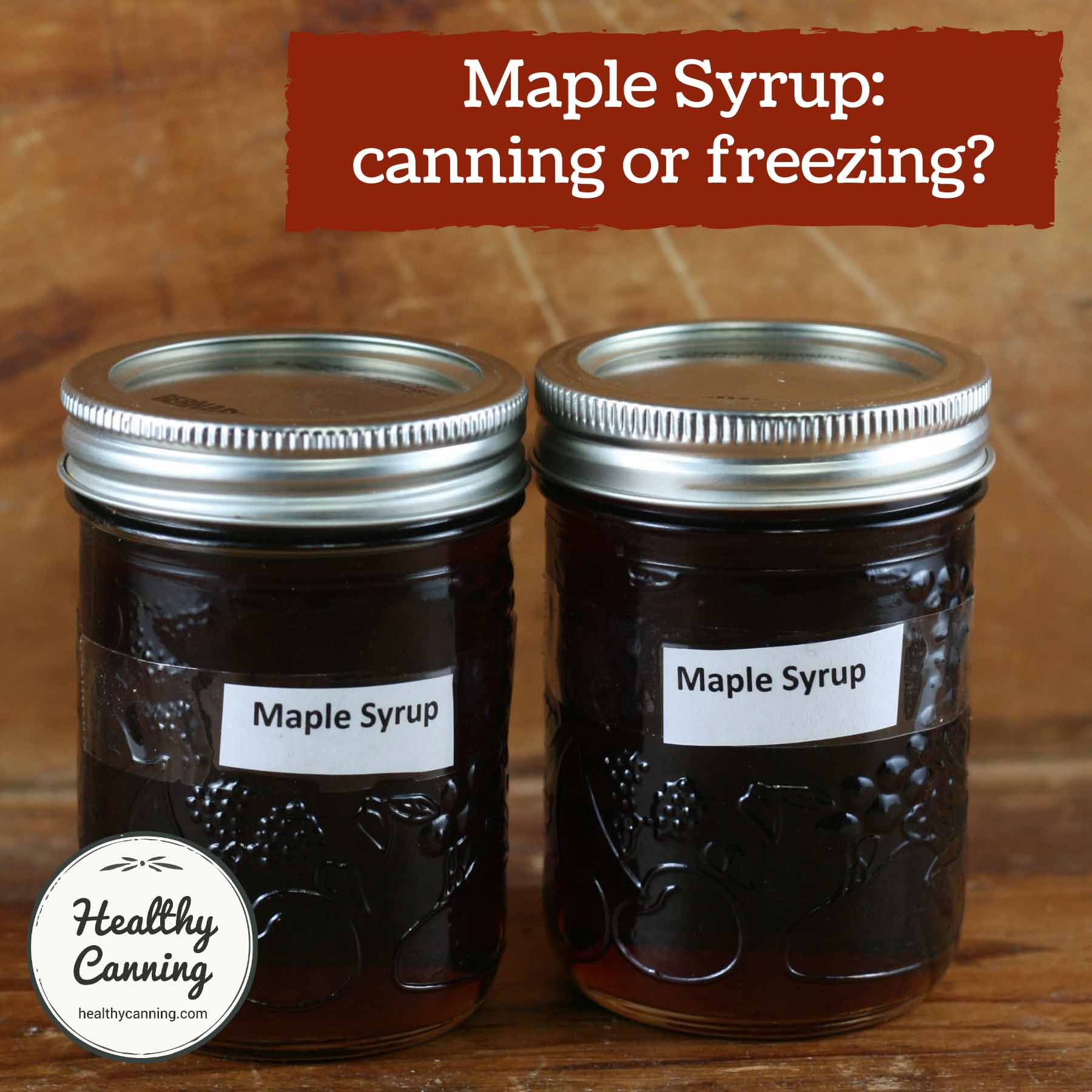
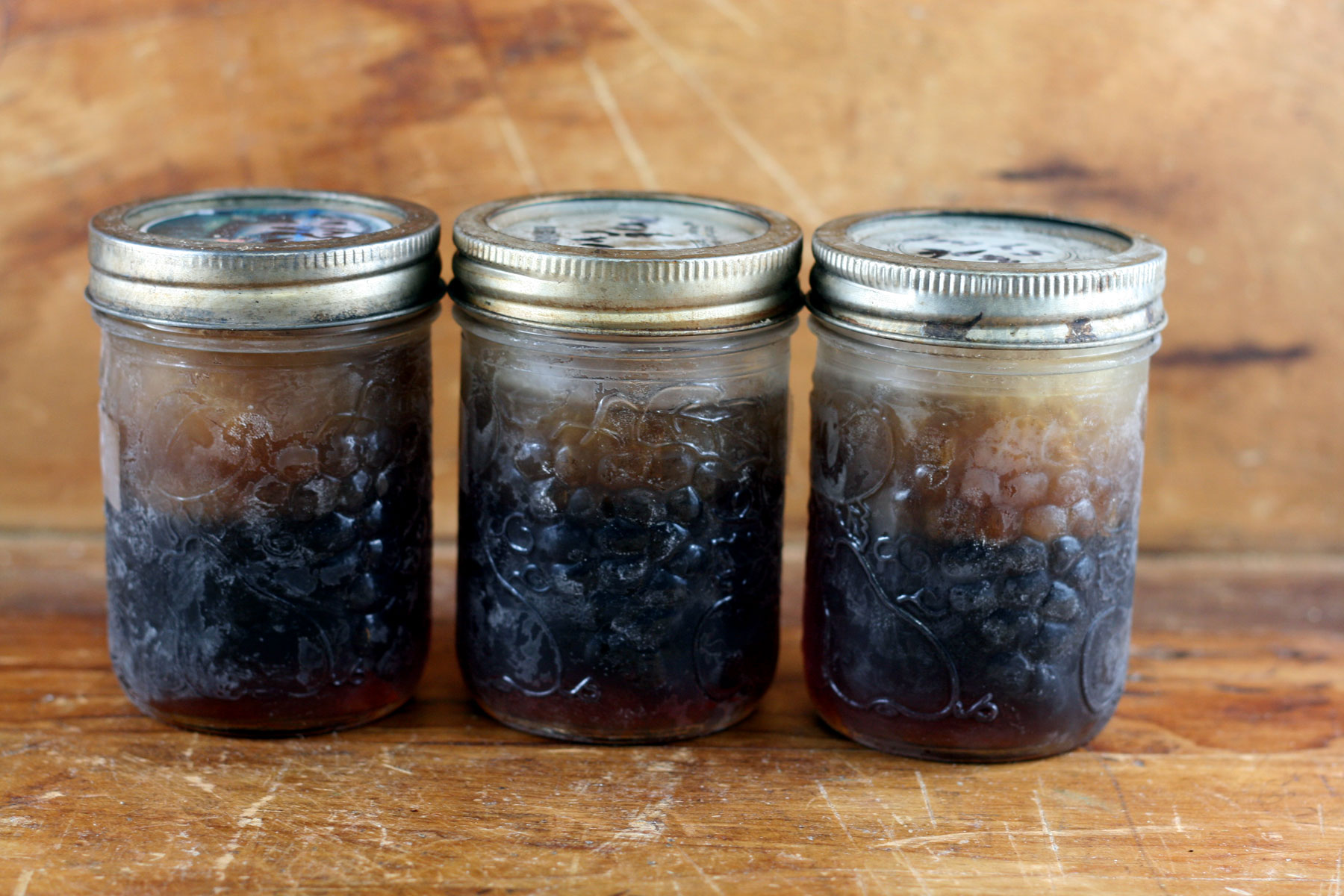
For households that cannot consume bulk purchases within a few months, freezing is the most effective and recommended preservation method. Unlike many other liquids, maple syrup does not freeze into a solid block due to its high sucrose content. Instead, it becomes highly viscous, taking on a texture similar to thick honey.
The Vermont Maple Sugar Makers’ Association confirms that maple syrup can undergo multiple freeze-thaw cycles without a loss of quality, provided that any condensation forming on the surface after thawing is stirred back into the liquid. Freezing effectively halts all mould growth by inactivating spores and depriving them of the warmth required for germination.
Best Practices for Freezing
- Container Selection: Glass Mason jars are preferred. While plastic jugs are common, they are more susceptible to oxygen transmission over long periods. Glass provides a non-reactive, impermeable barrier.
- Headspace Management: When freezing in glass, "headspace"—the gap between the liquid and the lid—is critical to prevent the jar from shattering. While generic advice often suggests one inch, the National Center for Home Food Preservation provides more specific metrics:
- For wide-mouth jars (pints), leave 1/2 inch (1.3 cm).
- For wide-mouth jars (quarts), leave 1 inch (2.5 cm).
- Thawing: Syrup can be thawed in the refrigerator or in a basin of lukewarm water. For immediate use, small amounts can be microwaved at low power in 15-second intervals. Boiling should be avoided during the thawing process to prevent altering the syrup’s chemistry.
The Risks and Realities of Home "Canning"
Many home preservers attempt to "re-can" bulk maple syrup into smaller jars for shelf storage. However, this process—more accurately described as "hot packing"—is generally discouraged for home use due to the high risk of quality degradation and the potential for failure.
In a commercial setting, hot packing involves heating syrup to between 82°C and 85°C (180°F to 185°F) and immediately bottling it. The heat of the syrup is intended to kill any spores on the interior surfaces of the container and the lid. At home, this is difficult to execute precisely.
The Downside of Heat Exposure
- Stack Burn: If syrup remains at high temperatures for too long after bottling, it undergoes a process called "stack burn," where the residual heat continues to cook the sugars, darkening the colour and imparting a scorched flavour.
- Sugar Sand (Niter): Heating syrup above 82°C often causes dissolved minerals to precipitate out, forming a cloudy sediment known as "sugar sand." While harmless, it is aesthetically unappealing and requires professional-grade filtering to remove.
- Heat-Resistant Moulds: Research from the University of Maine has shown that some fungal species are surprisingly heat-tolerant. In a study of 34 syrup samples, 32 were found to be contaminated with fungi despite standard bottling temperatures. Some spores were found to survive 75°C (167°F) for three minutes, suggesting that if the temperature drops even slightly during the home bottling process, the "seal" will not prevent spoilage.
The Inversion Technique and Its Limitations
In the maple industry, a technique known as "inversion" is used during hot packing. After the jar is filled with hot syrup and capped, it is tilted or turned upside down for five to ten minutes. This ensures the scalding liquid contacts the neck of the bottle and the underside of the lid, which are the most likely areas for spore contamination.
While this is standard in professional maple production, it is a "weak" preservation method compared to the boiling water bath processing used for fruits or pickles. Because boiling a filled jar of maple syrup would ruin its texture and flavour, producers rely on this 5-minute inversion. However, for the home cook, the risk of accidental burns from handling jars of 85°C liquid and the high probability of eventual mould growth make this a less-than-ideal choice compared to the simplicity of the freezer.
Chronology of Quality Decline
To maintain a supply of high-quality maple syrup, consumers should follow this general timeline of storage:
- Purchase: Ensure the container is factory-sealed and check the Brix/grade if available.
- Unopened Storage: Store glass or metal in a cool, dark pantry (up to 1-2 years). Move beige plastic jugs to the refrigerator immediately.
- Opening: Once the seal is broken, the "refrigeration clock" begins. Use within 6 to 9 months for peak flavour.
- Long-Term Strategy: If more than a quart remains after the first month of opening, transfer the excess to Mason jars and freeze.
Broader Impact and Implications
The management of maple syrup storage has significant economic implications for consumers. Given the rising costs of pure maple products—driven by fluctuating sap yields and the labour-intensive evaporation process—product loss due to mould is a significant waste of household resources.
Furthermore, the prevalence of "surface mould" on maple syrup has led to a dangerous myth that the mould can simply be scraped off and the syrup re-boiled. Food safety experts now advise against this. Some moulds produce mycotoxins that can migrate deep into the liquid, which are not always destroyed by boiling. The safest course of action is to prevent mould entirely through proper refrigeration and freezing.
Ultimately, while maple syrup is a hardy product in its sealed, high-density state, it becomes a fragile biological entity once introduced to the home kitchen. By prioritizing freezing over home canning and understanding the limitations of plastic packaging, consumers can ensure that their "liquid gold" remains safe and delicious from the first pour to the last.