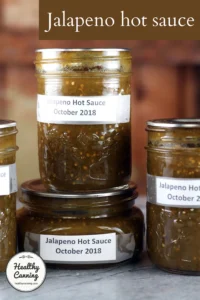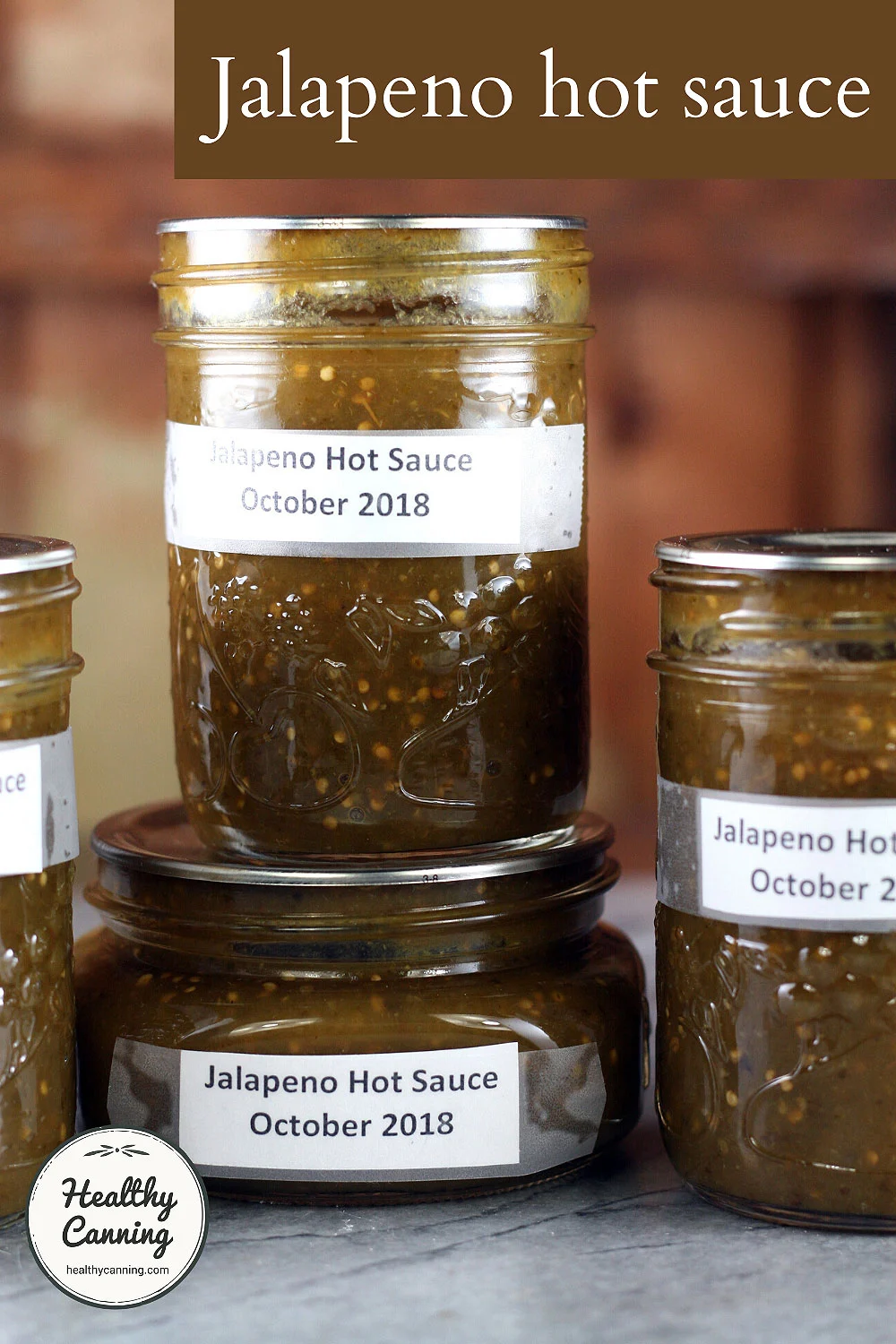

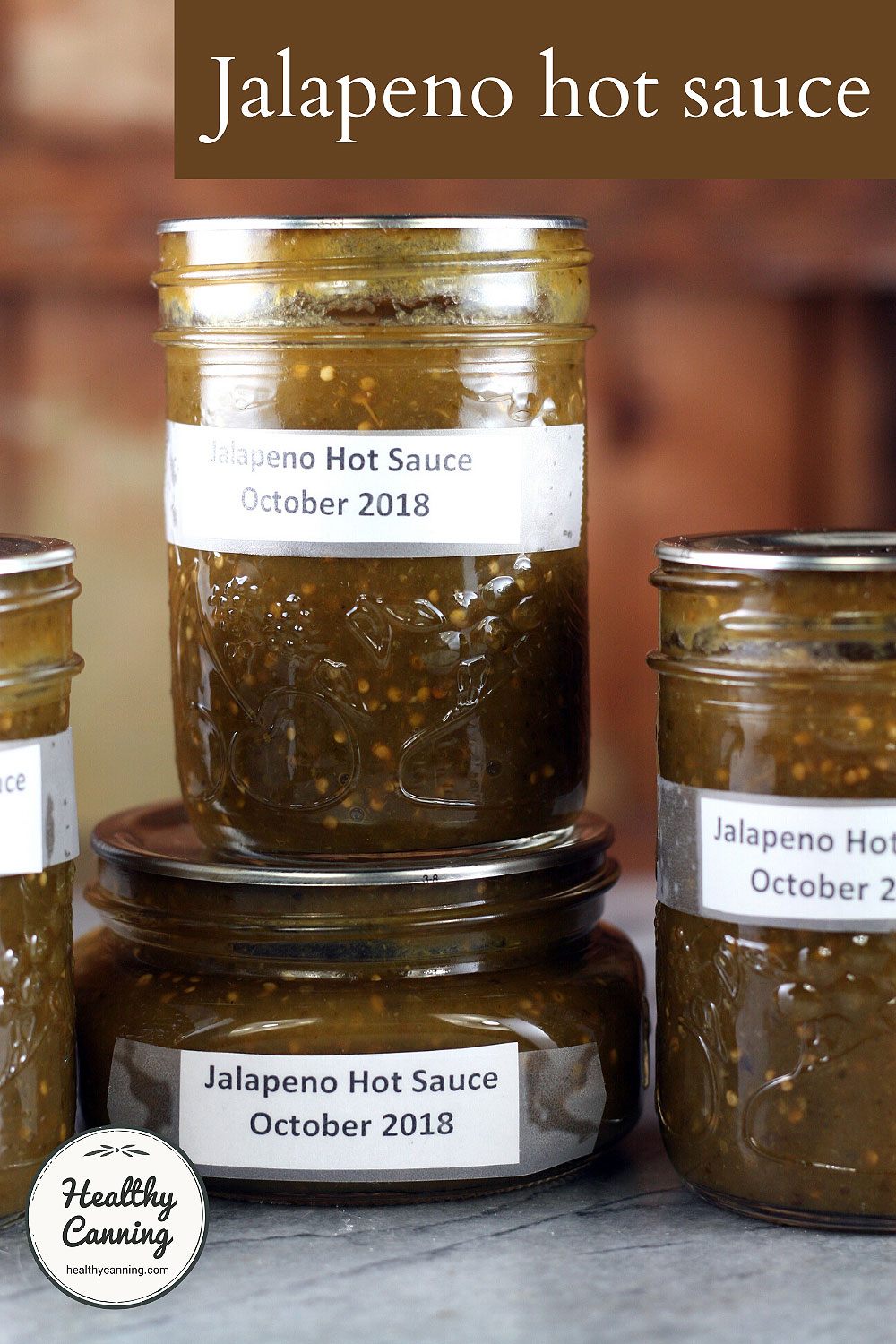
The art of home food preservation has seen a significant resurgence as consumers seek greater control over their food sources, ingredient transparency, and flavor profiles. Among the most sought-after recipes in the preservation community is a shelf-stable, high-heat condiment that balances safety with culinary depth. The development of a Jalapeno Hot Sauce based on the United States Department of Agriculture (USDA) guidelines for Cayenne Pepper Sauce represents a sophisticated intersection of traditional canning wisdom and modern flavor preferences. By utilizing a base of tomatillos and green jalapeno peppers, this recipe offers a thick, spoonable condiment that adheres to the rigorous safety standards required for ambient-temperature storage.
The Foundation of Safe Home Canning
The primary concern in home canning is the prevention of foodborne illnesses, most notably botulism, caused by the toxin-producing bacterium Clostridium botulinum. This bacterium thrives in low-acid, anaerobic environments, which makes the canning of vegetables a high-risk activity if not managed correctly. To mitigate this risk, home canners rely on high-acid environments—typically achieved through the addition of vinegar or lemon juice—to ensure a pH level of 4.6 or lower.
The Jalapeno Hot Sauce recipe is a modified version of the USDA’s established Cayenne Pepper Sauce. In the world of food preservation, modifications are generally discouraged unless they follow specific "safe swap" rules. According to the National Center for Home Food Preservation (NCHFP), certain substitutions are permissible if they do not decrease the overall acidity of the product. In this instance, the substitution of tomatillos for tomatoes and jalapenos for other pepper varieties is considered safe because tomatillos possess an acidity level similar to or higher than traditional tomatoes, and peppers can generally be swapped for one another by weight or volume without compromising the safety of the acidification process.
Technical Specifications and Preparation
The production of this hot sauce is a precision-oriented task requiring approximately four hours of total time, divided between one hour of preparation and three hours of cooking. The extended cook time is essential for achieving the "spoonable" consistency described by preservation experts, as it allows for the reduction of moisture and the concentration of flavors.

Jar Selection and Headspace
The recipe is versatile regarding container sizes, allowing for 125 ml (4 oz), 250 ml (8 oz), or 500 ml (16 oz) jars. Regardless of the jar size selected, a consistent headspace of 2 centimeters (approximately 1/2 inch) is mandatory. Headspace—the gap between the top of the food and the lid—is critical for ensuring a proper vacuum seal during the cooling process and for allowing food expansion during the heat processing stage.
Processing Parameters
For those at sea level, the processing time in either a water-bath canner or a steam canner is 10 minutes. This time must be adjusted based on altitude, as the boiling point of water decreases as elevation increases. Failure to adjust for altitude can result in under-processed food, as the internal temperature of the jars may not reach the level necessary to destroy spoilage organisms.
Chronology of the Preservation Process
The workflow for creating a batch of five 500-ml jars of Jalapeno Hot Sauce follows a strict chronological order to ensure both quality and safety.
- Ingredient Preparation: The process begins with the cleaning and chopping of jalapenos and tomatillos. While the recipe is based on canned tomatillos, fresh alternatives can be used if they are properly prepared. During this phase, it is recommended that handlers wear gloves to protect against capsaicin burns from the jalapeno peppers.
- The Simmering Phase: The combined ingredients are brought to a boil and then simmered. This phase lasts roughly three hours. During this time, the cellular structure of the peppers and tomatillos breaks down, and the vinegar integrates with the vegetable matter.
- Jar Sterilization and Heating: As the sauce nears its final consistency, canning jars are cleaned and kept warm to prevent thermal shock—a phenomenon where glass shatters upon contact with hot liquid.
- Filling and Debubbling: The hot sauce is funneled into the jars, leaving the required 1/2 inch of headspace. A non-metallic tool is used to remove trapped air bubbles, which could otherwise interfere with the vacuum seal or cause discoloration.
- Thermal Processing: The jars are placed in the chosen canner (water-bath or steam). The 10-minute processing timer begins only when the water reaches a full rolling boil or, in the case of a steam canner, when a steady stream of steam is emitted.
- Cooling and Verification: Once processed, jars are removed and left undisturbed for 12 to 24 hours. The final step is the "ping" test or visual inspection to ensure the lids have been pulled down by the vacuum, indicating a successful seal.
The Role of Acidity and Global Standards
The safety of this hot sauce relies heavily on the strength of the vinegar used. USDA recipes are formulated based on vinegar that has at least 5% acidity (acetic acid). In some regions, such as parts of Australia and New Zealand, commercially available vinegar may have only 4% acidity. In such cases, home canners must source specialized pickling vinegar or adjust the recipe to ensure the total acid content is sufficient to prevent bacterial growth.
Furthermore, the choice between water-bath canning and steam canning has become a topic of interest in recent years. While water-bath canning has been the standard for decades, the NCHFP officially recognized steam canning as a safe alternative in 2015, provided the processing times remain under 45 minutes. Steam canning is often preferred for its efficiency, as it requires significantly less water and reaches processing temperatures faster than a traditional water bath.
Official Responses and Expert Commentary
The National Center for Home Food Preservation (NCHFP), which serves as the primary authority on home canning safety in the United States, rarely adds subjective commentary to USDA recipes. However, they have issued a specific advisory regarding this particular sauce due to its potency. The NCHFP characterizes this as a "very hot sauce," suggesting that it be used sparingly as a condiment rather than a primary ingredient.
The organization emphasizes that while the recipe allows for the substitution of peppers, the total volume of peppers must remain constant. This is because the ratio of low-acid vegetables (peppers) to high-acid liquids (vinegar) is the pivot point upon which the safety of the entire batch rests. Culinary experts note that the use of green jalapenos and tomatillos creates a "Verde" style sauce that is distinct from the traditional red cayenne sauces found in supermarkets, offering a bright, acidic, and sharp heat profile.
Nutritional Data and Dietary Impact
From a nutritional perspective, the Jalapeno Hot Sauce is a low-calorie condiment suitable for various dietary regimens, including low-carb and heart-healthy diets. A single tablespoon serving contains approximately 8 calories, with negligible amounts of fat and protein.
- Carbohydrates: 1.6g per serving
- Sodium: 2mg per serving (exceptionally low for a preserved condiment)
- Fiber: 0.3g
- Sugar: 0.8g
The low sodium content is particularly noteworthy. Many commercially produced hot sauces rely on high salt concentrations for preservation and flavor. This home-canned version, however, uses the acidity of the vinegar and the natural flavors of the jalapeno and tomatillo to provide a robust palate without the need for excessive sodium, making it an ideal choice for individuals monitoring their blood pressure or salt intake.
Broader Implications for Food Security and Sustainability
The move toward home-canning recipes like this Jalapeno Hot Sauce reflects a broader trend in food security and sustainability. By preserving seasonal produce—such as a late-summer harvest of jalapenos—consumers can reduce their reliance on global supply chains and decrease food waste.
Furthermore, the ability to modify a USDA-approved recipe safely allows for culinary diversity within a framework of scientific rigor. As the "maker" movement continues to grow, the demand for verified, safe, and high-quality preservation methods is expected to rise. This jalapeno-based variant of a classic cayenne sauce serves as a blueprint for how home cooks can innovate while respecting the chemical realities of food safety.
In conclusion, the Jalapeno Hot Sauce recipe is more than a simple condiment; it is a testament to the importance of standardized food preservation. Through careful adherence to jar sizes, headspace, processing times, and acidity levels, home canners can produce a professional-grade hot sauce that is safe for long-term storage. As interest in artisanal and homemade foods persists, the reliance on validated recipes from organizations like the USDA and NCHFP remains the gold standard for protecting public health in the domestic kitchen.