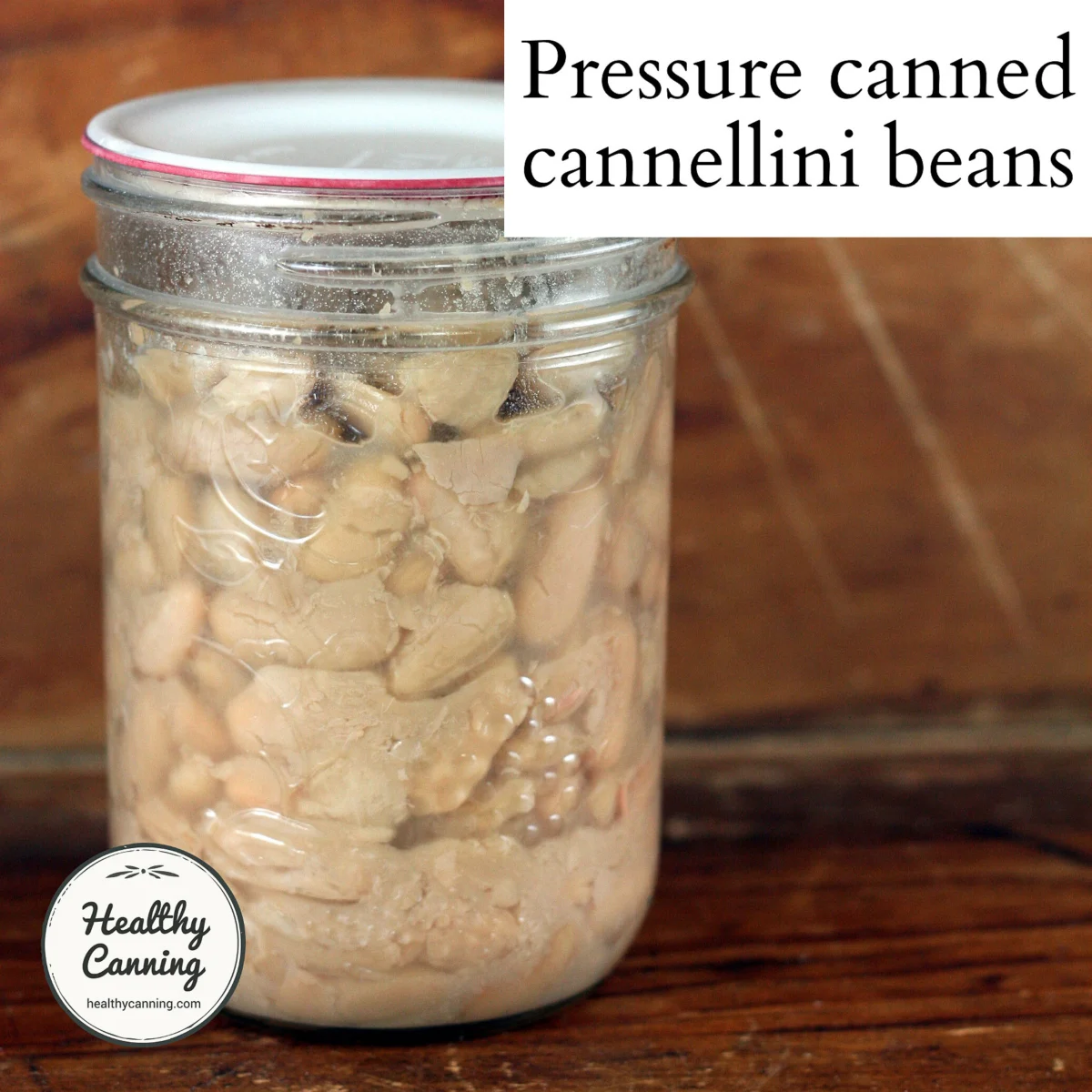

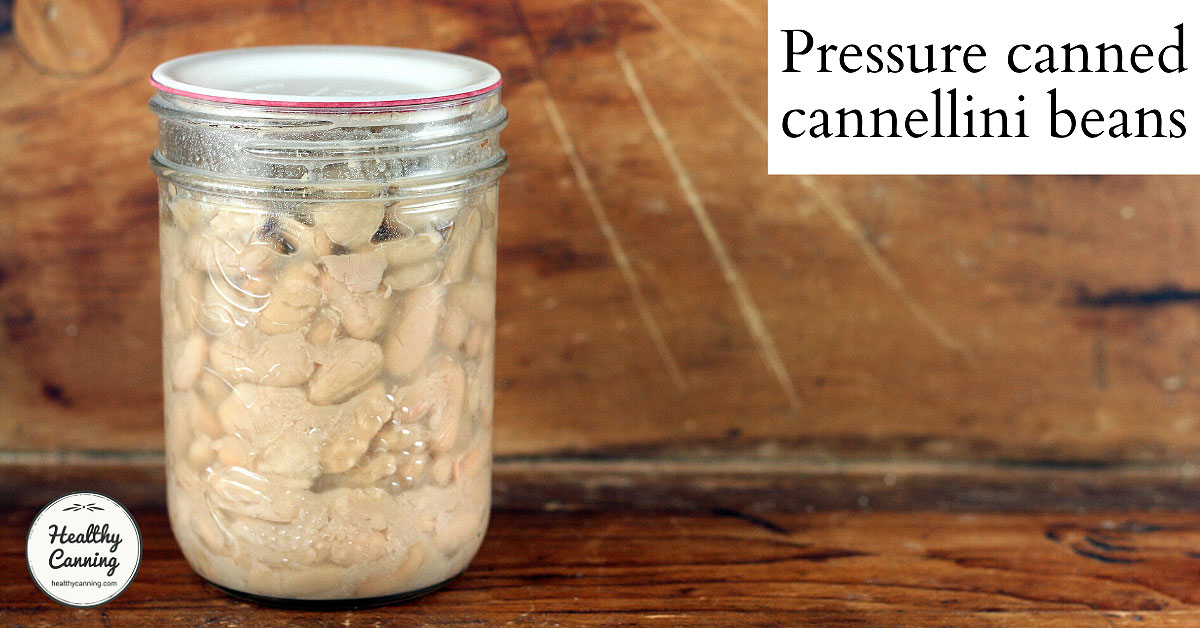
Home food preservation enthusiasts and home gardeners seeking to stock their pantries with shelf-stable, nutrient-dense legumes have increasingly turned to pressure canning as a reliable method for long-term food storage. Among the popular varieties selected for home processing are cannellini beans, also widely known as white kidney beans. Based on guidelines established in the United States Department of Agriculture (USDA) Complete Guide to Home Canning, home canners can successfully process dried cannellini beans to create a convenient, additive-free pantry staple. However, food safety experts and culinary professionals emphasize that understanding the specific texture outcomes, processing parameters, and equipment requirements is vital for achieving safe and satisfactory results.
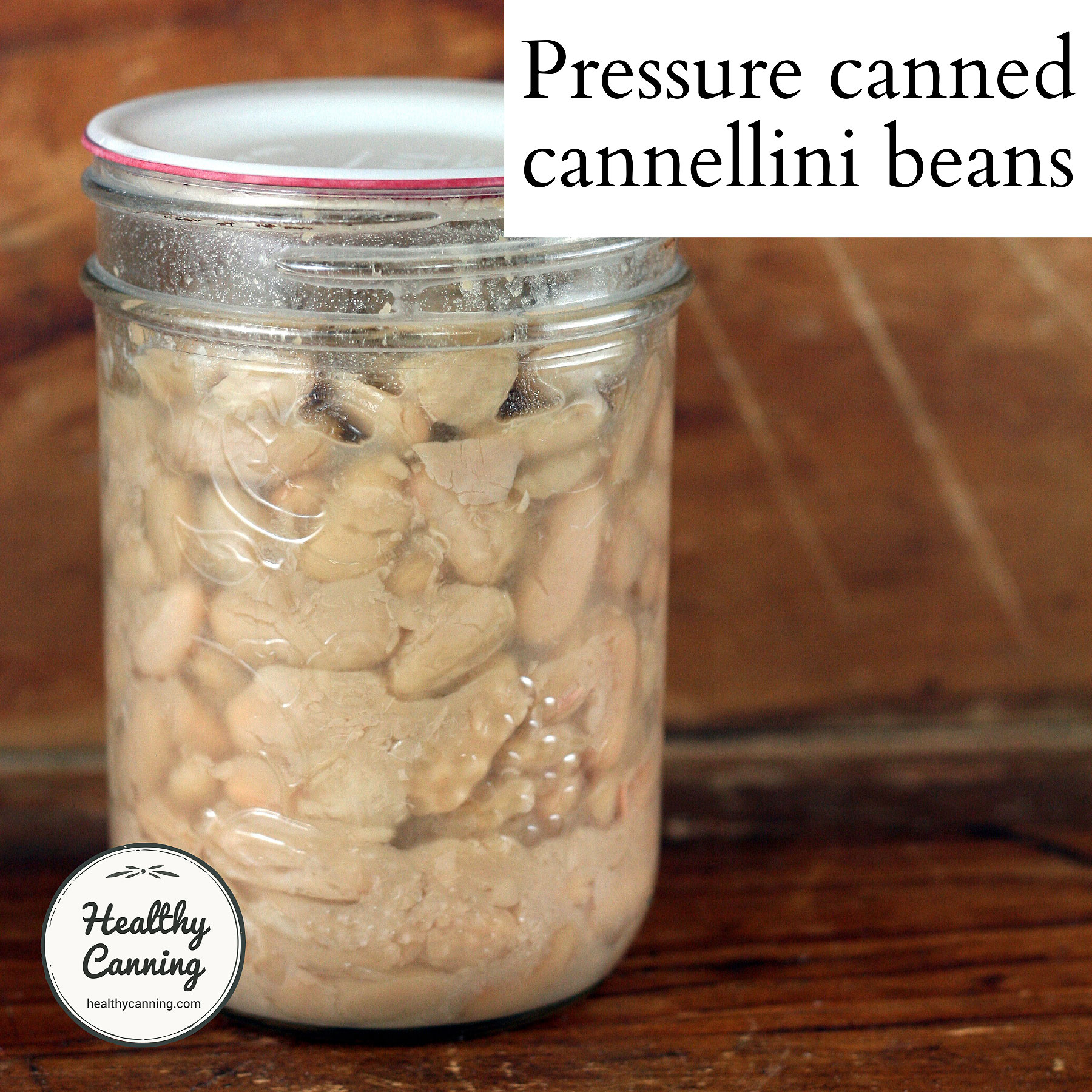
Unlike commercially canned beans, which often incorporate firming agents such as calcium chloride to maintain structural integrity during industrial thermal processing, home-canned cannellini beans emerge from the pressure canner with a notably soft texture. Because of this distinct tenderness, culinary specialists advise against using home-canned white kidney beans in dishes that require the legumes to hold their shape, such as cold bean salads or Mediterranean antipasto platters. Instead, these tender beans excel when incorporated into rustic soups, blended into smooth bean purées, or whipped into savory spreads and dips where their creamy consistency enhances the final dish.
The foundation of safe home-canned cannellini beans relies strictly on pressure canning technology. According to USDA protocols, low-acid foods—a category that includes all beans and legumes—cannot be safely processed using boiling water bath canners. Botulism, a severe and potentially fatal form of food poisoning caused by the bacterium Clostridium botulinum, produces spores that survive boiling temperatures in low-acid environments. Consequently, pressure canning, which achieves internal temperatures of 240°F (115°C) or higher, is the only scientifically validated method to neutralize these heat-resistant spores and render home-canned beans safe for pantry storage.
Establishing Safe Processing Parameters and Equipment Standards
To ensure safety and quality, home canners must adhere to precise processing specifications outlined in agricultural extension publications and federal guidelines. The USDA guidelines dictate specific parameters regarding jar sizes, headspace, processing times, and pressure adjustments based on geographic elevation.
When preparing to process cannellini beans, home canners may select from three standard jar sizes: quarter-litre (half-US-pint), half-litre (one US-pint), or one-litre (one US-quart) jars. Regardless of the jar size chosen, a consistent headspace of 3 centimeters (1 inch) must be maintained at the top of each jar to allow for proper sealing during the thermal expansion and cooling phases.
Processing times vary depending on the capacity of the jars utilized. For smaller containers—specifically quarter-litre and half-litre jars—the required processing time is 75 minutes at the designated pressure. For larger one-litre jars, the processing time increases to 90 minutes to ensure that heat penetrates thoroughly to the center of the container.
Pressure requirements are similarly stringent and depend heavily on the type of pressure canner gauge used and the local altitude. For weighted-gauge pressure canners operating at elevations between 0 and 300 meters (0 to 1,000 feet) above sea level, the required operating pressure is 10 pounds (69 kPa). For dial-gauge canners operating within the same altitude range, the required pressure is 11 pounds (76 kPa). Canners residing at elevations exceeding 300 meters (1,000 feet) must make mandatory altitude adjustments—increasing pressure to 15 pounds for weighted gauges or adjusting dial gauges accordingly—to compensate for lower atmospheric pressure, which alters the boiling point of water and internal thermal efficiency.
Nutritional Profile and Dietary Implications
From a nutritional standpoint, home-canned cannellini beans offer a powerhouse of macronutrients and micronutrients, making them a valuable addition to plant-based and omnivorous diets alike. According to nutritional analyses provided by agricultural and food science databases, a standard half-cup serving (approximately 130 grams) of cooked, unsalted cannellini beans contains roughly 100 calories.
The nutritional breakdown per serving includes approximately 17 grams of carbohydrates, 6 grams of protein, and a minimal 1 gram of fat, fitting well into heart-healthy dietary frameworks. Furthermore, these legumes are an exceptional source of dietary fiber, supplying about 5 grams per serving, which supports digestive health and helps regulate blood sugar levels. Micronutrient contributions are similarly robust, featuring approximately 250 milligrams of potassium, 40 milligrams of calcium, and 1.8 milligrams of iron. Sodium content remains naturally low—averaging around 30 milligrams per serving—provided that salt is omitted during the canning process, offering a significant advantage for individuals monitoring their sodium intake for cardiovascular health.
Historical Context and Regulatory Guidance of Home Canning
The resurgence of home food preservation in contemporary domestic kitchens reflects a broader cultural and economic shift toward self-sufficiency, food security, and waste reduction. Historically, pressure canning protocols were standardized during the mid-20th century as agricultural extension services sought to provide homemakers with scientifically tested, reliable methods to prevent foodborne illnesses. The publication of comprehensive manuals, such as the USDA Agriculture Information Bulletin No. 539, established the baseline standards that continue to govern safe home preservation practices today.
Food safety authorities stress that deviations from established canning recipes—such as altering processing times, reducing recommended pressures, or experimenting with untethered ingredient ratios—introduce severe microbiological risks. Master Food Preserver programs and university cooperative extension offices operate regional networks and seasonal telephone hotlines to assist home cooks in verifying recipe safety and troubleshooting equipment operations. Experts strongly encourage novices and experienced canners alike to consult these authorized resources rather than relying on unverified internet tutorials or anecdotal advice.
Broader Economic and Environmental Impact
The practice of home canning dried legumes yields notable economic and environmental benefits. Dried cannellini beans are shelf-stable, exceptionally affordable, and available in bulk quantities year-round. By purchasing dried beans and utilizing home energy resources to process them into shelf-ready jars, households can significantly reduce their reliance on single-use commercial metal cans and minimize grocery expenditures.
Furthermore, home food preservation contributes to local food resilience. By stocking pantries with home-preserved staples, households improve their readiness for unexpected supply chain disruptions, severe weather events, or economic fluctuations. As interest in sustainable living continues to expand, adherence to scientifically backed preservation guidelines ensures that the pursuit of culinary independence remains both safe and nutritionally rewarding.