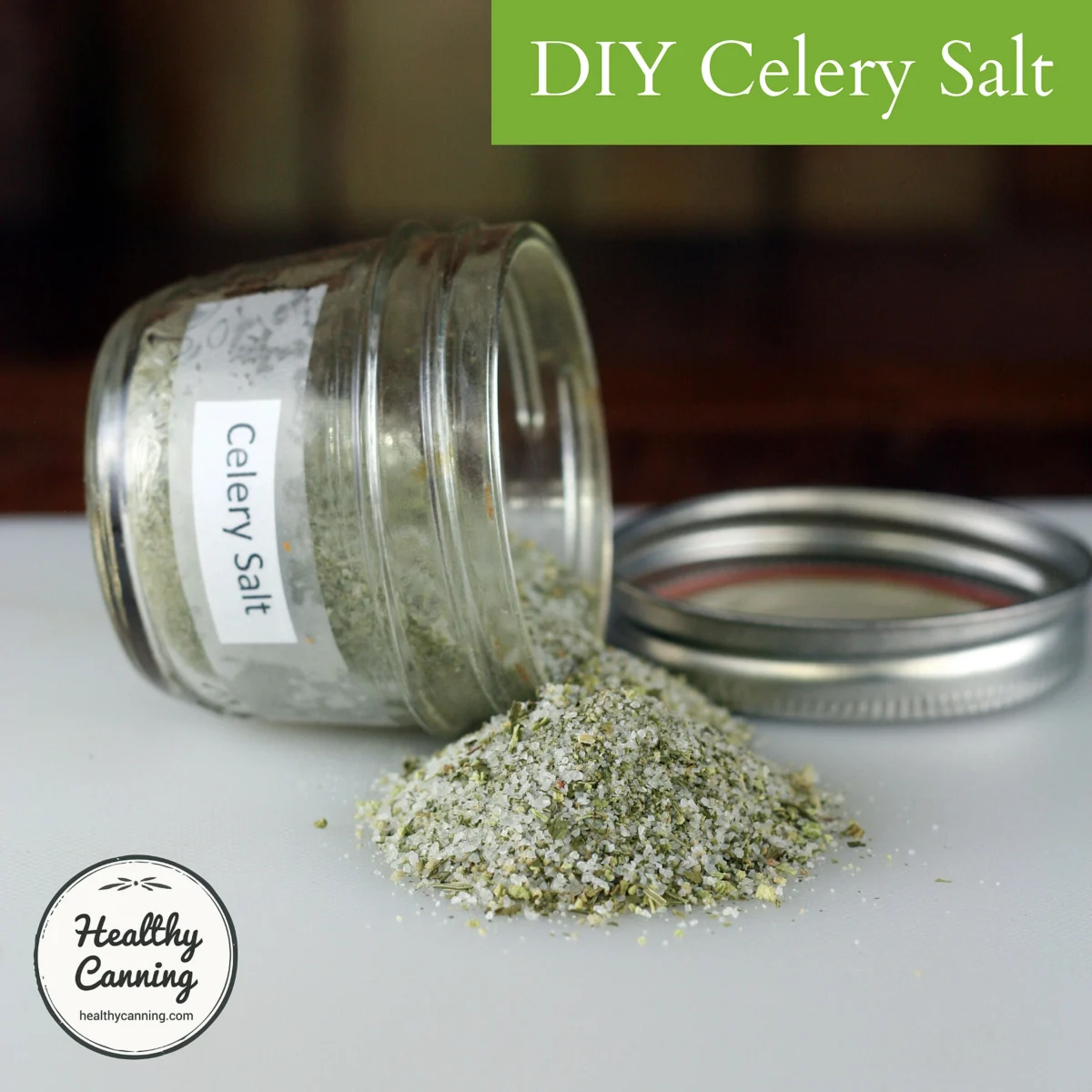

In an era defined by soaring grocery prices and a growing consumer desire for complete transparency in food sourcing, home cooks are increasingly looking inward to stock their pantries. Among the most versatile yet overlooked staples of the American kitchen is celery salt—a blend historically relied upon to elevate everything from summer barbecue classics and coleslaws to signature cocktails like the classic Bloody Mary. While commercially manufactured versions line supermarket shelves at increasingly inflated prices, a rising movement of culinary enthusiasts is discovering that crafting this savory seasoning at home requires minimal effort, takes just minutes, and costs only pennies on the dollar compared to store-bought alternatives.
Beyond significant financial savings, making celery salt at home opens the door to complete customization. Culinary traditionalists, health-conscious consumers, and gourmet home chefs alike are finding that DIY seasoning grants total control over ingredient quality, sodium levels, and flavor profiles. By moving away from mass-produced condiments laden with anti-caking agents and artificial additives, home cooks can transform simple raw ingredients into a bespoke pantry staple tailored precisely to their dietary needs and flavor preferences.
The Economic and Culinary Case for Homemade Seasoning
The financial argument for crafting basic spice blends at home is compelling. Commercially packaged specialty salts often carry a substantial markup, with consumers paying primarily for packaging, brand marketing, and long supply chain transport times. Conversely, purchasing the raw components—such as bulk celery seed or utilizing surplus dehydrated vegetables from a home garden—reduces the cost per ounce to mere fractions of a cent.
However, the advantages extend far beyond economics. When preparing celery salt in a domestic kitchen, the creator serves as the master blender. Traditional store-bought versions utilize standard table salt and heavily processed celery seed extract. A homemade approach, by contrast, allows for the integration of artisanal salts. Cooks can substitute standard sodium chloride with mineral-rich pink Himalayan salt, flaky sea salt harvested from coastal flats, or rich, wood-smoked salts that impart a complex, barbecue-like depth to the final mix.

Furthermore, this method provides an essential solution for individuals navigating strict dietary restrictions. For those managing hypertension, cardiovascular disease, or kidney conditions, reducing sodium intake is often a medical imperative. Commercial salt substitutes rarely offer specific savory blends like celery salt, leaving patients to sacrifice traditional flavor profiles. By utilizing specialized salt-free alternatives—such as herb-and-vegetable seasoning blends like Herbamare—health-conscious cooks can formulate a completely sodium-free celery salt that delivers the aromatic, herbal punch of celery without raising blood pressure or compromising dietary regimens.
Sourcing the Celery Component: Seeds versus Dehydrated Powder
The distinct, earthy, and slightly bitter aroma that defines celery salt comes entirely from the celery component, and home chefs have two primary methods for achieving this foundation. The traditional route involves utilizing whole celery seeds. Packed with natural essential oils, celery seeds provide an intense, concentrated flavor. To release these oils effectively, whole seeds are typically ground into a fine powder using a spice grinder, coffee mill, or traditional mortar and pestle before being blended with the salt base.
For gardeners and homesteaders equipped with a food dehydrator, an even more gourmet option exists: homemade celery powder. By dehydrating surplus fresh celery stalks, leaves, or trimmings that might otherwise go to waste, home cooks can pulverize the dried vegetable matter into a vibrant, nutrient-dense green powder. When combined with salt, this vegetable-derived powder yields a smoother, more rounded, and deeply authentic garden-fresh flavor profile that commercial manufacturers simply cannot replicate with seed extracts alone.
Step-by-Step Formulation: Yield, Proportions, and Methodology
While exact measurements can be adapted to suit individual taste preferences, a standard baseline recipe yields approximately 5 tablespoons, or roughly 75 grams, of finished seasoning. This quantity is ideal for home use, ensuring the spice remains fresh and potent before environmental humidity can cause clumping.

To construct a standard batch, the primary requirement is a clean, airtight glass jar or spice container. The blending process is remarkably straightforward:
- Gather the base components, ensuring a ratio of approximately one part ground aromatic (celery seed or dehydrated celery powder) to two or three parts salt, depending on desired intensity.
- If utilizing whole celery seeds, pulse them in a clean spice grinder until a uniform, fine powder is achieved. Care should be taken not to overheat the grinder, which can cause the delicate essential oils in the seeds to dissipate prematurely.
- Combine the ground celery component directly with the chosen salt or salt-substitute inside the designated storage vessel.
- Seal the jar tightly and shake vigorously for 30 to 60 seconds to ensure the aromatic compounds are evenly distributed throughout the mineral grains.
Culinary Applications and Usage Notes
Once bottled, homemade celery salt can be deployed in the exact same manner as any commercially purchased variant. Its applications span across multiple culinary genres. In American comfort food, it is an indispensable addition to potato salads, egg salads, and creamy dressings. It forms the essential savory backbone of Chicago-style hot dogs, where its bright, herbaceous tang cuts through rich meats and heavy toppings. Beyond solid foods, it is heavily relied upon in the beverage industry, most notably as a crucial rimming agent for authentic Bloody Marys and Caesar cocktails, where it complements the acidity of tomato juice and the heat of hot sauce.
Nutrition and Quality Control
Because the ingredient list for homemade celery salt is entirely modular, nutritional data will vary significantly based on the specific components selected. A traditional batch made with standard sea salt will retain the sodium content of that salt, whereas a batch formulated with a vegetable-based salt substitute will be virtually sodium-free.
One notable advantage of the DIY method is the absence of chemical anti-caking agents, flow agents, and synthetic preservatives commonly added to industrial spice blends to prevent moisture absorption. Because homemade blends lack these synthetic additives, storing the finished product in a cool, dark pantry inside an airtight glass container is essential. Adding a food-safe silica gel packet or a few grains of raw rice to the jar can help absorb ambient moisture, preventing the natural oils and salts from agglomerating over time.
Broader Implications of the DIY Food Movement
The rising popularity of DIY pantry staples like celery salt reflects a broader cultural shift among modern consumers. Driven by a desire for self-reliance, sustainability, and dietary personalization, home cooking is increasingly moving beyond basic meal preparation into the realm of scratch-made ingredients. Food preservation groups, master food preserver networks, and online culinary forums report a surging volume of inquiries regarding home-dehydrating, spice blending, and heritage preservation techniques.
This trend toward home-crafted kitchen fundamentals carries several positive implications. From an environmental standpoint, utilizing vegetable scraps—such as celery leaves and fibrous outer stalks—to create homemade powders contributes to the reduction of household food waste. Economically, mastering these foundational techniques insulates households against inflationary pressures in the commercial spice and condiment markets.
Ultimately, the humble act of blending salt and celery seed at home encapsulates the modern culinary zeitgeist: a harmonious intersection of thrift, health consciousness, and artisanal passion that proves exceptional flavor requires neither a commercial facility nor an extravagant budget.