
The American Homebrewers Association (AHA) has officially entered a transformative era, announcing its transition into a fully independent organization and unveiling a robust 2025 Strategic Plan designed to revitalize the hobby across the United States. On June 27, 2025, the AHA Founding Board of Directors confirmed that the organization is no longer managed by or existing under the umbrella of the Brewers Association, a 501(c)(6) trade group that primarily represents commercial craft breweries. This pivot marks a significant shift in the landscape of amateur fermentation, as the AHA seeks to realign its resources exclusively toward the needs of homebrewers and local brewing communities.
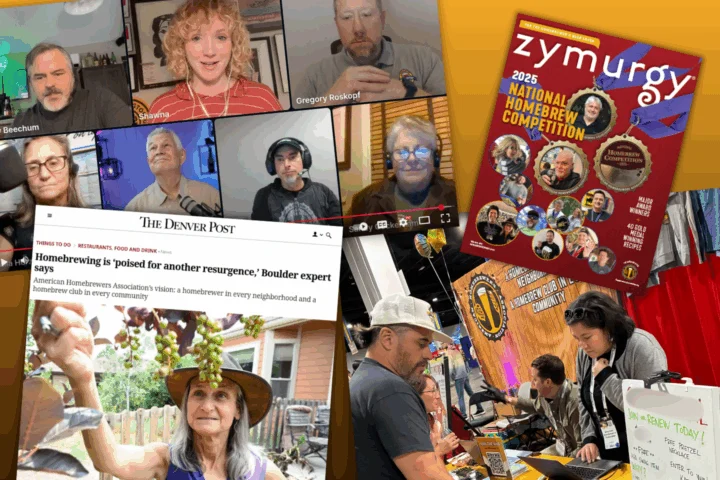
The announcement follows months of intensive deliberation and collaborative planning. Led by Executive Director Julia Herz and a Strategic Planning Task Force chaired by Shawna Cormier, the new roadmap aims to address the evolving demographics and interests of the modern homebrewer. The organization’s new vision statement—“A homebrewer in every neighborhood and a homebrew club in every community”—serves as the North Star for this independent chapter, signaling a move away from centralized corporate management toward a more localized, community-centric model.
The Path to Independence: A Chronology of Organizational Change
The decision to separate the AHA from the Brewers Association (BA) comes after decades of shared history. Founded in 1978 by Charlie Papazian, the AHA was the precursor to the modern craft beer movement. However, as the commercial craft beer industry grew into a multi-billion-dollar sector, the priorities of the BA and the AHA began to diverge. While the BA focused on legislative advocacy for commercial breweries and market access, the AHA remained dedicated to the education and community of hobbyists.
The timeline for this transition began in earnest in early 2025. In February, the AHA conducted a comprehensive survey to collect member input on the proposed vision for the organization. This feedback was then synthesized by the Strategic Planning Task Force, which included Vice-Chair Drew Beechum, Cody Matkin, Paulina van Eeden Hill, and Julia Herz. By March and April of 2025, the new AHA Founding Board of Directors was established to oversee the legal and operational separation from the Brewers Association.
The culmination of these efforts was the June 27 announcement, which provided the membership with a clear definition of the organization’s new mission: "We celebrate and promote the art, science, and joy of fermentation, championing a united and knowledgeable community of today’s and tomorrow’s homebrewers."
Strategic Priorities for 2025 and Beyond
The 2025 Strategic Plan is built upon four primary pillars, each designed to ensure the long-term sustainability and relevance of the association. These priorities reflect a commitment to both organizational stability and grassroots engagement.
-
Successful Organizational Transition and Governance: The immediate focus for the AHA is the successful execution of its independence. This involves establishing new administrative frameworks, financial independence, and a transparent governance structure. The founding board is tasked with creating the bylaws and operational protocols that will define the AHA as a standalone entity.
-
Cultivating and Supporting Community and Homebrew Clubs: Recognizing that local clubs are the lifeblood of the hobby, the AHA is prioritizing the growth and support of these groups. This includes providing better resources for club management, insurance programs, and platforms for local engagement.
-
Membership Growth and Value: To thrive as an independent body, the AHA must expand its membership base. The strategic plan emphasizes enhancing the value proposition for members, ensuring that the benefits of joining—ranging from educational content to discounts at breweries—outweigh the cost of dues.
-
Education, Competition, and Advocacy: The AHA will continue to lead in the educational space through its flagship publication, Zymurgy magazine, and the National Homebrew Competition. Additionally, the organization will maintain its role as an advocate for the legal rights of homebrewers at both the state and federal levels.
Leadership and the Move Toward Democratic Elections
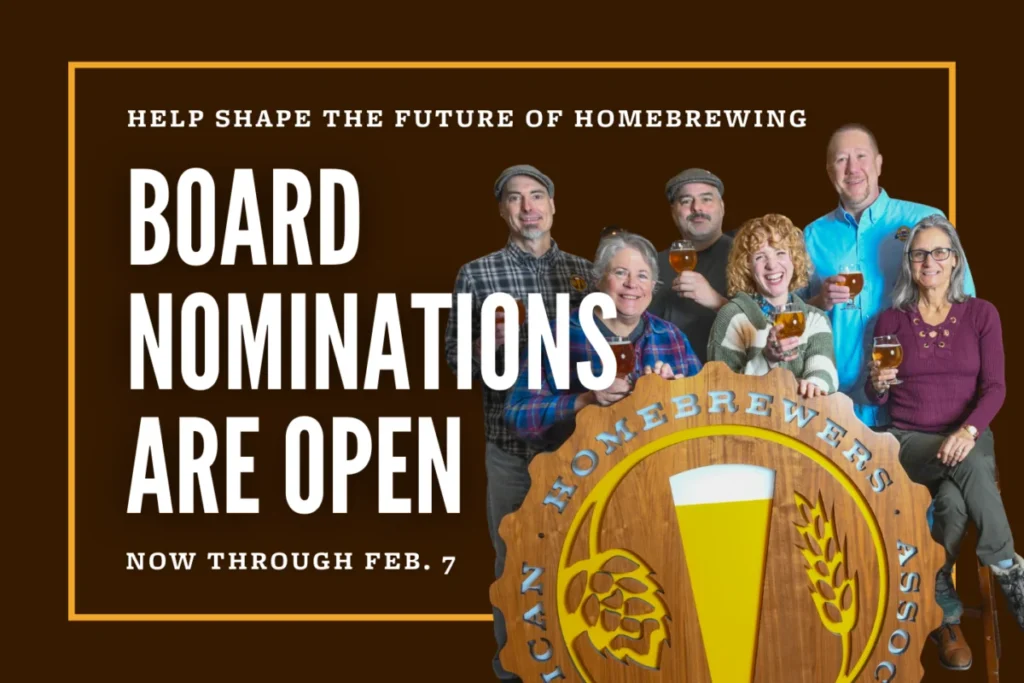
The current leadership, referred to as the Founding Board, is serving in a transitional capacity to ensure a smooth handoff from the Brewers Association. However, the 2025 plan emphasizes a return to democratic principles. In 2026, the AHA will conduct Board of Director elections, allowing the membership to vote on the individuals who will lead the organization into the future.
To prepare for this transition, the AHA has established several committees, including Governance, Membership & Club, Education & Events, Finance, and Diversity, Equity, and Inclusion (DEI). The organization is actively encouraging members to volunteer for these committees, viewing them as a "proving ground" for future board candidates. This strategy is intended to build a leadership pipeline of dedicated individuals who have a deep understanding of the association’s operations before taking on fiduciary responsibilities.
Analyzing the Implications for the Homebrewing Community
The independence of the AHA carries significant implications for the estimated 1.1 million homebrewers in the United States. Historically, some members felt that the AHA’s voice was sometimes overshadowed by the commercial interests of the Brewers Association. As a standalone organization, the AHA can now dedicate 100% of its budget and staff hours to the hobbyist experience.
This shift comes at a critical time for the hobby. While homebrewing saw a massive surge in the early 2010s, the market has stabilized in recent years. Data from the AHA suggests that while the "hardcore" enthusiast base remains strong, there is a need to lower the barrier to entry for younger and more diverse demographics. By focusing on "fermentation" more broadly—including mead, cider, and even fermented foods—the AHA is positioning itself to capture a wider audience interested in the "DIY" food and beverage movement.
Furthermore, the emphasis on local clubs addresses a post-pandemic reality where many social organizations have struggled to regain their footing. By providing clubs with a national support network, the AHA hopes to foster the social connections that keep homebrewers engaged in the hobby over the long term.
Educational Resources and the Science of Fermentation
Education remains a cornerstone of the AHA’s mission. The strategic plan reaffirms the organization’s commitment to promoting the "art and science" of brewing. This involves not only teaching the technical aspects of mashing, boiling, and fermentation but also exploring the creative boundaries of recipe formulation.
The National Homebrew Competition (NHC), the world’s largest amateur brewing competition, will continue to serve as a primary vehicle for educational feedback. By providing brewers with professional evaluations of their work, the NHC helps raise the overall quality of homebrewed beer. Additionally, the AHA’s digital resources and the long-running Zymurgy magazine are slated for updates to ensure they meet the technological expectations of a modern audience.
Industry Reactions and Economic Context
While the commercial craft beer industry has faced headwinds such as rising aluminum costs and changing consumer habits, the homebrewing sector represents a unique economic niche. Homebrewers are significant consumers of specialized equipment, malt, hops, and yeast. Retailers in the homebrew supply space have largely welcomed the news of the AHA’s independence, hoping that a more focused association will drive renewed interest in the hobby and, by extension, increased traffic to local homebrew shops.
Logically, the Brewers Association is expected to remain a close ally of the AHA, as homebrewers often become the most loyal customers and eventual employees of commercial craft breweries. The separation is viewed not as a divorce, but as a "coming of age" for the AHA, allowing both organizations to focus on their respective core competencies.
Looking Ahead: The 2026 Vision
As the AHA moves through the remainder of 2025, the focus will remain on the logistical details of independence. The success of this transition will be measured by the organization’s ability to maintain its membership levels and successfully launch its first independent board election in 2026.
The values established in the 2025 Strategic Plan—Inclusivity, Community, Education, Integrity, and Celebration—provide a moral framework for this new journey. By championing a "united and knowledgeable community," the AHA is betting on the idea that the passion for fermentation is a permanent fixture of American culture.
With the launch of this plan, the American Homebrewers Association has sent a clear message to its members and the broader beverage industry: the hobby is not just surviving, but evolving. As Julia Herz and the Founding Board chart this new course, the goal remains as clear as a well-fined pilsner—to put a homebrewer in every neighborhood and ensure that the joy of fermentation continues to flourish for generations to come.