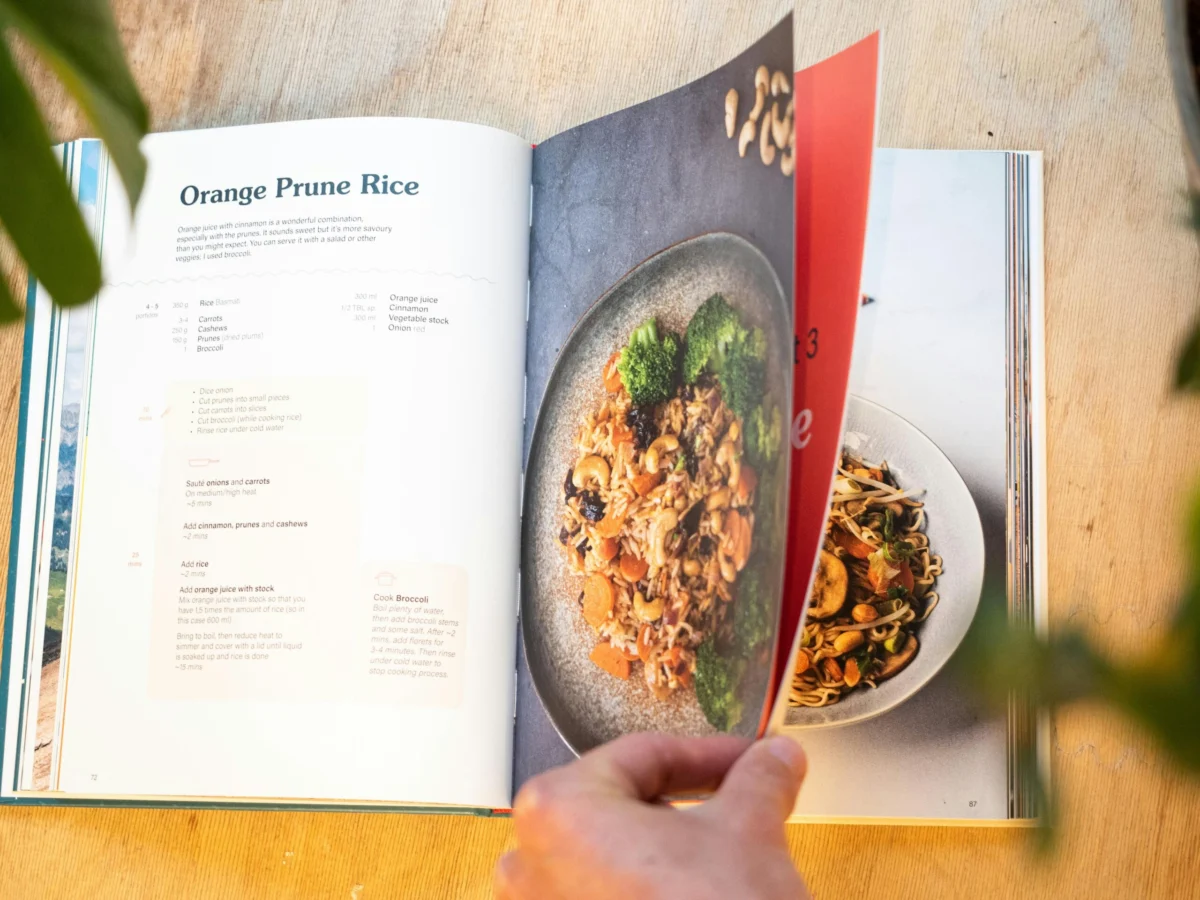

For nearly two decades, the realm of independent culinary content creation online has been a vibrant ecosystem. Independent creators, leveraging accessible platforms like WordPress, meticulously crafted digital cookbooks, fostering communities and building profitable ventures through a combination of search engine optimization (SEO), merchandise, and the sale of their own published recipe collections. This era, which gained significant momentum in the mid-2000s, saw a surge of individuals transforming their passion for food into sustainable online businesses, primarily driven by organic search traffic and direct audience engagement. The model was relatively straightforward: create compelling content, optimize it for discovery, and monetize the resulting viewership.
However, the inexorable march of artificial intelligence (AI) has begun to fundamentally reshape this established paradigm. Google’s strategic pivot towards AI-powered summaries in search results, often presented at the top of the page, has significantly reduced traditional SEO referral traffic. Concurrently, the consumer journey for meal inspiration is increasingly being rerouted through sophisticated AI chatbots such as ChatGPT, Gemini, and Claude. These conversational AI tools are becoming the initial point of exploration for many users seeking recipe ideas, ingredient substitutions, or cooking techniques, effectively bypassing the established network of recipe blogs.
This seismic shift has precipitated a growing schism within the creator community. On one side, a significant portion of creators view AI as an existential threat, a technological force poised to undermine their livelihoods and devalue their original work. On the other, a more forward-thinking segment is beginning to embrace AI not as an adversary, but as an integral component of the evolving digital creator economy, recognizing its potential to enhance, rather than replace, their creative output.
Will Templeton, co-founder and Chief Technology Officer of Allspice, a company at the forefront of developing AI solutions for the culinary content space, articulates a perspective that champions adaptation over resistance. He posits that the future for recipe creators lies not in fighting AI, but in strategically integrating it to amplify their core strengths. "As a creator, you should do what people come to you for, which is your creativity, your voice, your specific recipes," Templeton stated in a recent interview. "Stick to that, and then let these AI components help with everything else around that."
This philosophy advocates for AI to assume the responsibility for the more laborious and less creatively demanding aspects of running an online recipe business. A prime example is the application of AI as a first-line support system for frequently asked questions, particularly those concerning ingredient substitutions, which are often detailed within the recipe content itself.
"That’s the next step, where it answers all the questions that people are sending through," Templeton elaborated. "When someone asks a question that’s already in the blog post, it gets the right answer." This would free up creators from the repetitive task of answering the same queries across various platforms, allowing them to focus on recipe development and content creation.
Templeton also highlights a foundational challenge within the recipe space itself: the inherent inconsistency in how recipes are structured and presented online. "Everyone has a different way of writing recipes," he observed. "Some people write them right by the handbook, while others are just jotting down what they have." This variability, while a testament to individual creativity, presents a hurdle for AI systems attempting to parse and interpret recipe data accurately.
Allspice is actively addressing this challenge by developing a structured data layer beneath the raw recipe content. This innovative approach aims to map inconsistent and often unstructured inputs into a standardized format. This organized data can then power a suite of advanced features, including interactive guided cooking experiences, personalized pantry tracking, and more intelligent grocery list generation. In collaboration with partners like Pinecone, a vector database company, Allspice is working towards transforming static recipes into dynamic and interactive culinary tools.

The capacity of AI to transform a creator-generated recipe into an immersive guided cooking experience is a stark indicator of the rapid technological advancements in recent years. Merely half a decade ago, the development of high-production-value guided-cooking applications required substantial investment, with companies like Innit and Hestan investing heavily in proprietary technology. Today, an AI-powered tool like Allspice’s can achieve a similar outcome, turning a standard online recipe into an accessible, step-by-step interactive guide.
The broader implications of this technological evolution are significant for the recipe creator landscape. While it remains to be seen how the vast community of recipe creators will collectively adopt AI-driven tools offered by companies such as Bakespace (with its Bakebot), Allspice, and SideChef, the trajectory is undeniable. The era defined by search engine-driven discovery, which has dominated the past two decades, is gradually yielding to a future where AI plays an increasingly central role in content consumption and interaction. This shift necessitates a fundamental reevaluation of content strategy, audience engagement, and monetization models for those operating within the online culinary space.
The evolution of recipe creation and consumption has been a gradual, yet impactful, process. The early 2000s marked the nascent stages of digital recipe sharing, with amateur bloggers sharing their personal culinary adventures. By the mid-2000s, this had burgeoned into a legitimate online industry, with platforms like WordPress empowering creators to establish professional websites. The 2010s saw further sophistication with the rise of high-quality food photography and video content, making recipe blogs visually appealing and highly engaging. The late 2010s and early 2020s witnessed the initial integration of AI, primarily for content generation and basic analytics, but the current wave represents a far more profound integration, impacting discovery, interaction, and the very nature of culinary information.
The potential economic impact on creators is a subject of considerable discussion. While AI can automate tasks and create new engagement opportunities, concerns linger about the potential for AI-generated content to saturate the market, driving down ad revenue and potentially devaluing human-created recipes. Conversely, creators who successfully integrate AI into their workflow could see increased efficiency, enhanced audience engagement through interactive features, and new avenues for monetization, such as premium guided cooking experiences or personalized meal planning services.
Industry analysts suggest that the successful recipe creators of the future will be those who can effectively leverage AI as a co-pilot, augmenting their creativity and expanding their reach. This might involve using AI to analyze audience preferences and tailor content, to automate the creation of social media snippets, or to develop interactive elements that enhance the user experience. The key will be to maintain authenticity and the unique voice that audiences have come to expect.
Furthermore, the development of structured recipe data, as pursued by companies like Allspice, has broader implications beyond individual creator platforms. Standardized recipe data could enable a more interconnected culinary ecosystem, allowing for seamless integration across various apps and devices, from smart kitchen appliances to personalized nutrition platforms. This interoperability could unlock new possibilities for food discovery and consumption, further blurring the lines between digital and physical culinary experiences.
The journey from a static recipe blog to an interactive, AI-powered culinary guide represents a significant leap. As AI technology continues to mature and become more accessible, its influence on how we discover, prepare, and experience food will only deepen. The recipe creators who embrace this evolution, understanding its potential and proactively adapting their strategies, are likely to be the ones who not only survive but thrive in this new digital frontier.
The ongoing dialogue between creators, technology providers, and the broader food community will be crucial in shaping the future of online culinary content. As AI continues to integrate into our daily lives, its application in the kitchen and beyond promises to be one of the most dynamic and impactful areas of technological development.
For a deeper dive into this evolving landscape, listeners can access a full conversation with Will Templeton on The Spoon Podcast, available on Apple Podcasts and Spotify. The discussion further illuminates the nuances and opportunities presented by AI in the realm of online recipe creation and publishing.