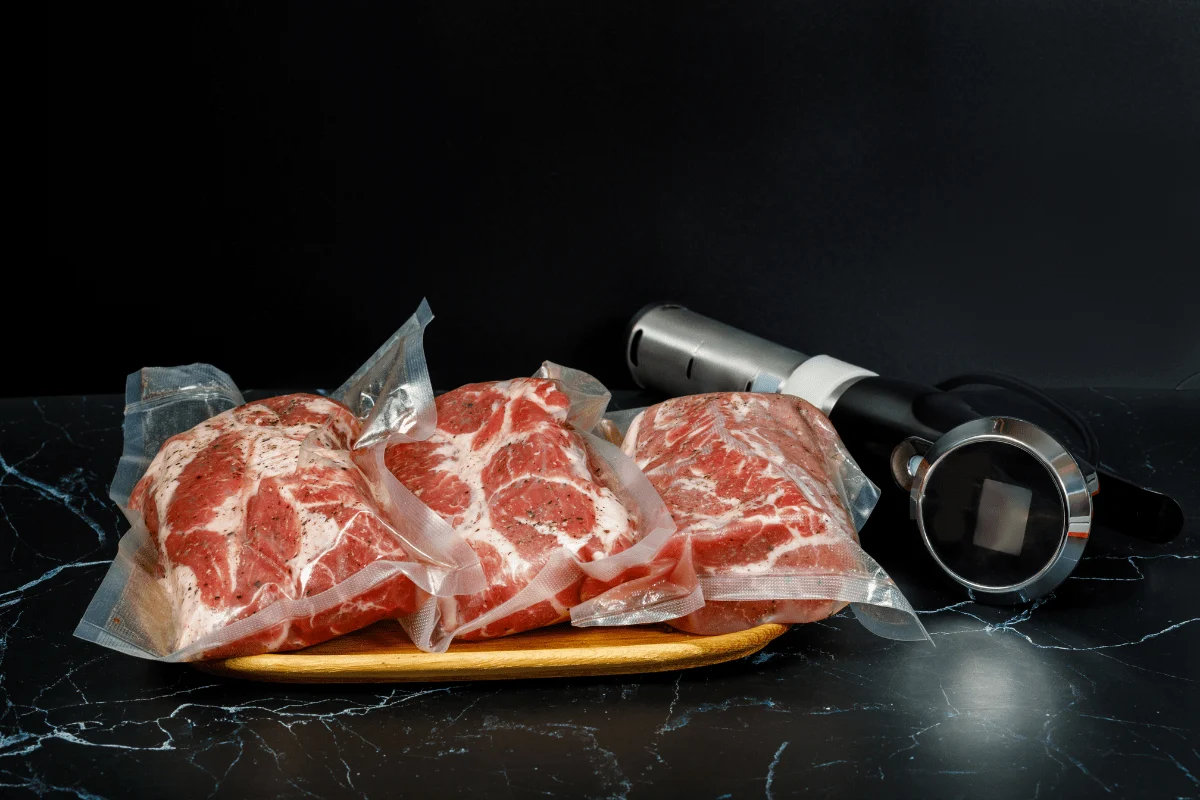

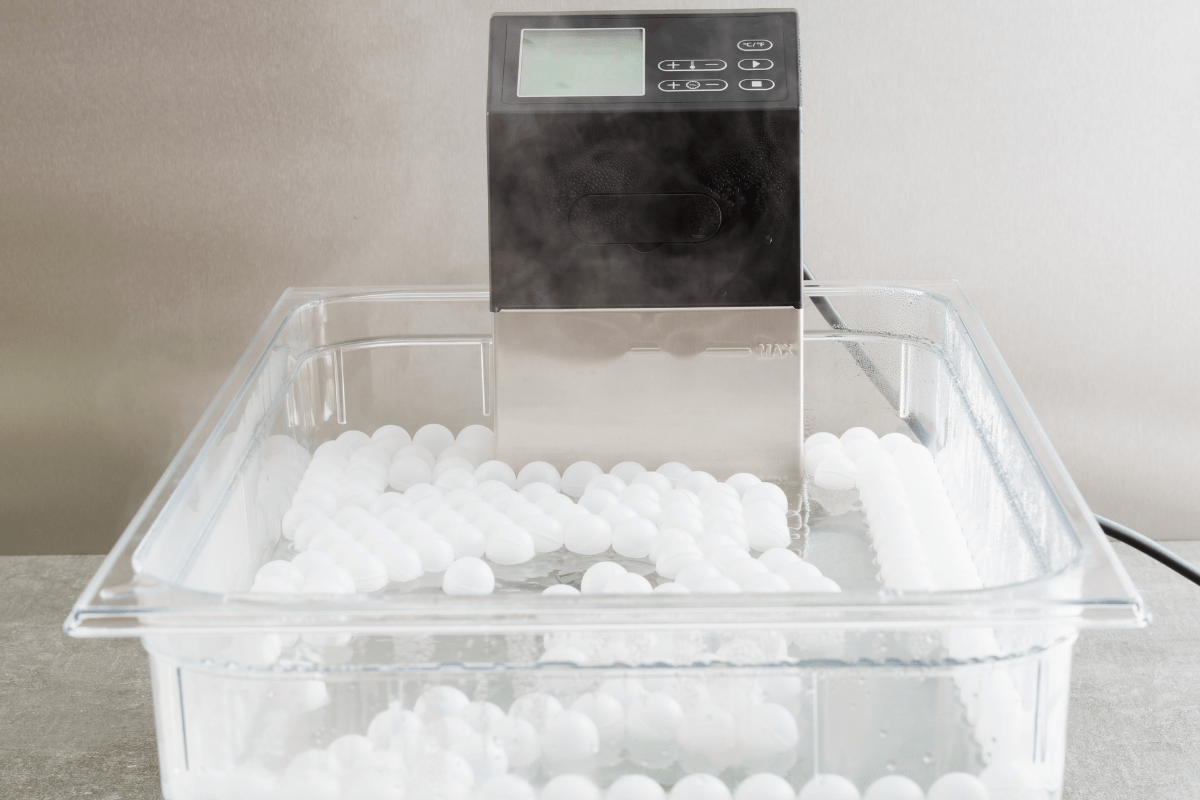
The culinary landscape has been significantly transformed by the integration of sous vide technology into professional kitchens, a method that, while once confined to specialized laboratories, is now a staple for chefs seeking unparalleled precision, consistency, and efficiency. This immersive cooking technique, involving vacuum-sealed food cooked in a precisely temperature-controlled water bath, has moved beyond its initial niche applications to become a cornerstone of modern gastronomic operations. Its adoption is driven by a confluence of factors, including advancements in commercial-grade equipment, a growing demand for consistently high-quality dishes, and the economic benefits it offers in terms of reduced waste and optimized labor.
The journey of sous vide from culinary school curiosity to essential kitchen tool is a testament to its inherent advantages. Early encounters in professional kitchens often involved large, multi-compartment water baths, allowing for direct comparisons with traditional cooking methods. The results were invariably striking: proteins cooked to a uniform doneness from edge to edge, a feat difficult to achieve with conventional searing or roasting alone. As the technology became more accessible and refined, professional chefs were able to gain extensive hands-on experience, leading to its widespread integration. Today, over a decade of experience with commercial sous vide machines reveals not only their practical applications but also the key considerations for any establishment looking to leverage this transformative cooking method.
Our Top Picks for Commercial Sous Vide Equipment
The selection of commercial sous vide equipment hinges on several critical factors, including durability, precision, capacity, and ease of use. For operations demanding the highest standards, investment in robust, reliable machinery is paramount.
Best Overall: PolyScience Creative Series Sous Vide Commercial Circulator
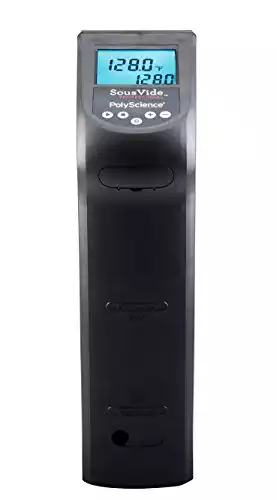
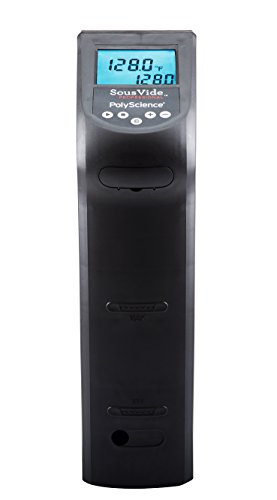
The PolyScience Creative Series circulator represents a pinnacle of commercial sous vide technology, consistently lauded for its blend of power, accuracy, and user-friendly design. This unit, while compact, delivers exceptional performance, making it suitable for a wide range of professional culinary applications. Its ability to maintain precise temperatures, even in large water baths, coupled with its robust construction, positions it as a leading choice for demanding kitchen environments.
Key Features of the PolyScience Creative Series:
- Compact and Portable Design: Facilitates easy storage and transport, beneficial for catering or off-site events.
- Exceptional Temperature Accuracy: Maintains water baths within a remarkable ±0.1°F, ensuring consistent cooking results.
- Durable and Dependable Construction: Engineered for continuous operation, even for multi-day cooking tasks, a critical requirement in professional kitchens.
- Large Water Bath Capacity: Capable of heating water baths up to 8 gallons, accommodating larger batches and various menu items.
- Automatic Restart Functionality: In the event of a power interruption, the circulator will automatically resume at the last set temperature, preventing spoilage and safeguarding product integrity. This feature is particularly valuable for overnight cooking or in kitchens prone to power fluctuations.
The PolyScience circulator’s design prioritizes ease of operation. A straightforward interface allows chefs to simply set the desired temperature and begin cooking. While this particular model does not feature a built-in timer, professional kitchens typically utilize separate timing devices, mitigating this as a significant drawback. The large, back-lit LCD display provides clear visibility of both current and target temperatures, enabling chefs to monitor the water bath’s status at a glance and quickly identify any temperature drops when cold ingredients are introduced. Its ability to accurately heat and maintain temperatures in substantial water volumes, even over extended periods, underscores its suitability for high-volume operations. The durability of its heating coil and water pump is a testament to its longevity, with many units reportedly in continuous use for over a decade.
Also Great: Anova Culinary Sous Vide Precision Cooker Pro
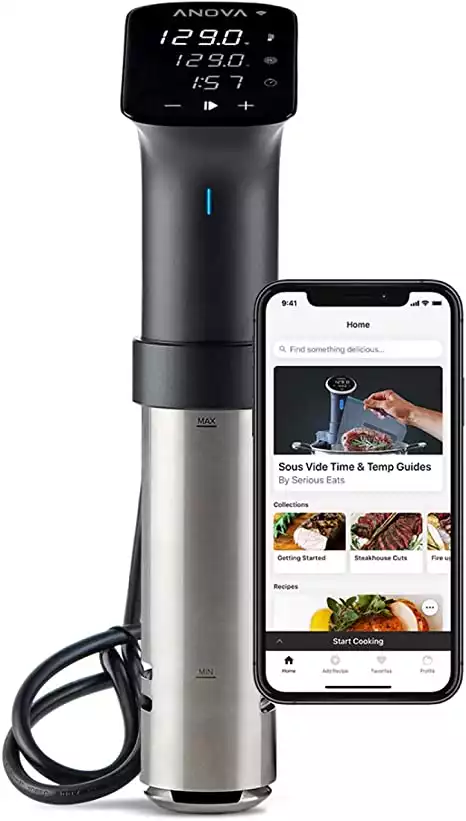
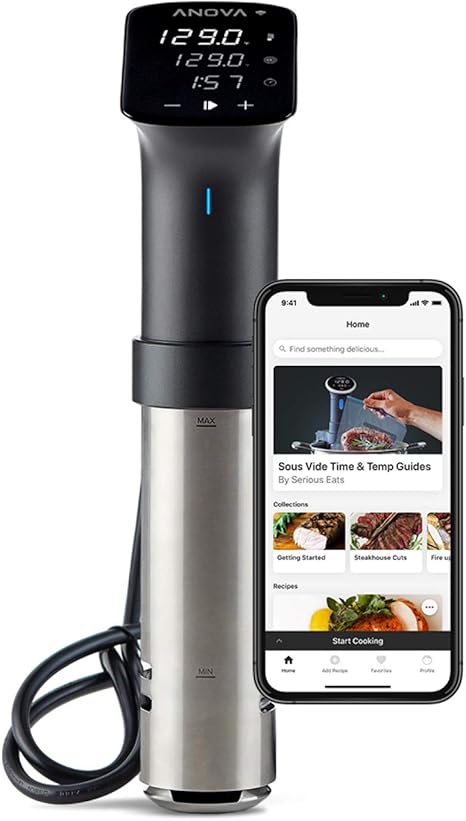
For operations seeking a balance between performance and cost-effectiveness, the Anova Culinary Sous Vide Precision Cooker Pro emerges as a compelling alternative. While not strictly classified as a commercial unit, its robust capabilities and impressive accuracy make it a viable and often preferred option for smaller establishments or those with less intensive sous vide needs. Its affordability, coupled with its advanced features, allows for the deployment of multiple units, thereby increasing operational flexibility.
Key Features of the Anova Culinary Sous Vide Precision Cooker Pro:
- App Compatibility and Wireless Control: Offers convenient remote operation and monitoring via a dedicated smartphone application.
- Extended Continuous Operation: Rated for up to 10,000 hours of continuous use, demonstrating significant durability for its class.
- Precise Temperature Control: Achieves temperature accuracy within 0.09°F, rivaling many commercial-grade machines.
- Integrated Timer: Eliminates the need for a separate timing device, streamlining the cooking process.
The Anova Precision Cooker Pro’s strength lies in its ability to deliver professional-level results at a more accessible price point. Its power, relative to its size, is noteworthy, allowing it to efficiently heat water baths. The strategic advantage of acquiring multiple Anova units for the price of a single high-end commercial circulator cannot be overstated. This enables parallel cooking operations, allowing chefs to manage multiple dishes with different temperature requirements simultaneously, a significant boon during both preparation and peak service hours. The intuitive touch-sensitive controls on the unit, combined with the sophisticated functionality of the Anova app, provide a flexible and user-friendly experience. The integrated timer is a practical addition that further enhances its operational efficiency. While its long-term durability under the extreme demands of constant, high-volume commercial use is less established than some dedicated commercial units, its proven performance and ongoing development suggest it is a highly capable and reliable option for many professional kitchens.
What to Look for in Commercial Sous Vide Equipment
Selecting the right sous vide equipment for a commercial setting requires a thorough understanding of the technology’s capabilities and the specific demands of the operation. Beyond brand names and price points, several technical specifications and practical considerations are crucial.
Type of Cooker: Immersion Circulators vs. Other Commercial Cooking Options
Immersion circulators have become the dominant force in precision cooking within commercial kitchens due to their inherent advantages. They offer a highly accurate and controllable method for achieving precise cooking temperatures, a critical factor for consistent dish quality. Their portability and ease of storage further enhance their appeal, especially in kitchens where space is at a premium. Compared to other specialized commercial cooking appliances, immersion circulators often present a more economical entry point without compromising on precision.
- Water Ovens: These all-in-one units integrate a water reservoir, heating element, and circulation motor into a single appliance. While they offer the convenience of a dedicated sous vide station, they can be bulky, consuming significant counter or storage space. Furthermore, their fixed bath size limits flexibility for varied cooking tasks.
- Combi-Ovens: A versatile workhorse in professional kitchens, combi-ovens utilize a combination of dry heat and steam. While capable of a wide array of cooking techniques, they generally lack the granular precision of immersion circulators for low-temperature cooking. Their high cost, starting in the thousands and quickly escalating, makes them a significant investment, and their efficacy for delicate sous vide applications is limited by their operational parameters.
Power, Wattage, and Speed: Impact on Performance
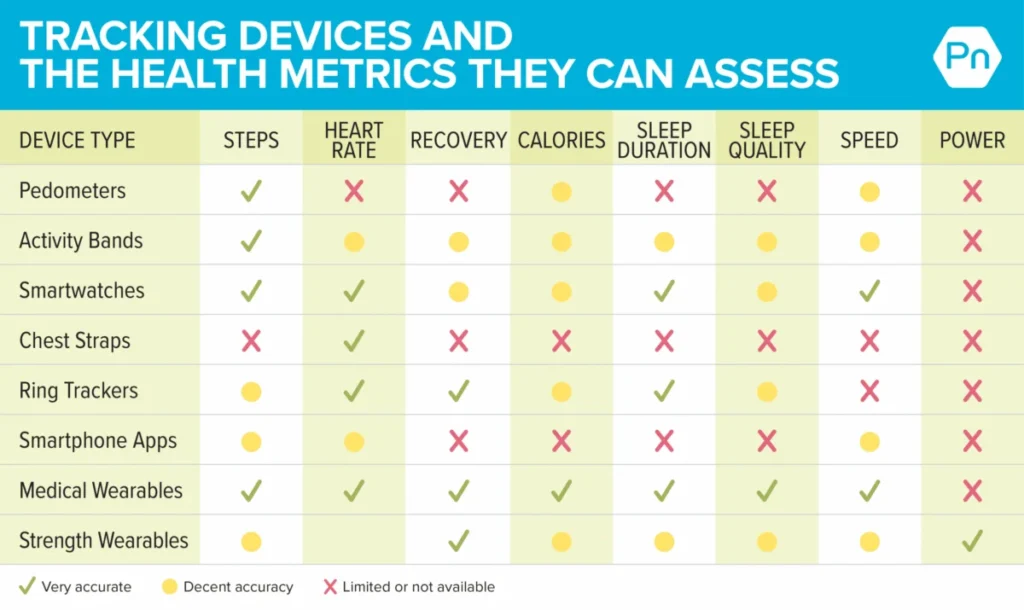
The power output of a sous vide circulator, typically measured in wattage, directly influences its ability to heat water and maintain temperature, especially in larger volumes. Commercial-grade units generally operate within the 1000 to 1200-watt range. Anything below this threshold often indicates a unit designed for home use, which may struggle to keep up with the demands of a professional kitchen.
A 1000-1200 watt circulator can bring a 3-5 gallon water bath to temperature in approximately 15 minutes. Larger baths, around 8 gallons, may take twice as long. Preheating the water source can significantly reduce these initial heating times. Crucially, these higher-powered machines exhibit a rapid recovery rate, quickly compensating for any temperature loss when cold ingredients are added to the bath, ensuring the integrity of the cooking process.
Precision: The Core of Sous Vide Cooking
Sous vide’s primary advantage lies in its unparalleled precision. The ability to cook ingredients to exact target temperatures is fundamental to achieving consistent results. Any sous vide unit falling short of 0.1°F accuracy should be approached with caution in a commercial setting. Most immersion circulators offer a similar temperature range, typically starting around 100°F, which is suitable for most culinary applications. Maximum temperatures generally reach around 200°F; beyond this point, traditional cooking methods like boiling water or combi-ovens become more efficient.
Compatible Containers: Leveraging Existing Kitchen Infrastructure
The choice of a cooking vessel for sous vide is often straightforward, as many professional kitchens already possess suitable containers. Large food-grade polycarbonate boxes, such as Cambro containers, are ideal. Their durability, ease of cleaning, and standardized sizing make them a practical and hygienic choice. Available in various capacities, including 4.75-gallon and 8-gallon versions, they can accommodate a wide range of cooking tasks, from small batches to large cuts of meat. Smaller, 3-gallon containers are also available for more specific or limited applications.

Controls: Simplicity and Readability
Commercial sous vide circulators should feature intuitive and straightforward control panels. The primary function is to set the desired cooking temperature, a task that should be accomplished with minimal effort. A clear, backlit or LED display is essential, allowing chefs to easily read the temperature at a glance, even in dimly lit kitchen environments or from a distance. While wireless connectivity and app control, as seen in some home units like the Anova Pro, are convenient for notifications, they are typically secondary considerations in a professional kitchen where direct, immediate control is often prioritized.
Vacuum Sealer: An Essential Sous Vide Companion
While not universally mandated, a vacuum sealer is highly recommended for commercial sous vide operations. Its primary function is to create airtight seals on food bags, ensuring complete impermeability to water. This prevents any risk of water dilution or contamination of the food during the cooking process. Furthermore, vacuum sealing enhances the efficiency of marination, allowing flavors to penetrate more deeply and quickly. The consistent and uniform cooking achieved with vacuum-sealed items contributes significantly to overall food quality and predictability. Investing in a reliable commercial vacuum sealer is a prudent decision that complements the sous vide process effectively.
Care and Maintenance: Ensuring Longevity
The durability of commercial sous vide immersion circulators necessitates straightforward care and maintenance routines. Regular cleaning of the heating coil and the circulation pump ensures optimal performance and longevity. Wiping the coil clean after each use is recommended. For any mineral buildup, running a cleaning cycle with a solution of equal parts water and white vinegar can effectively dissolve residue. Maintaining a clean water bath and ensuring it is filled only with water will prevent debris from entering and obstructing the pump. Periodic checks of the circulator housing and removal of any collected debris with tools like tweezers or toothpicks will further prolong the unit’s operational life.
What You Can Expect to Spend
The investment in a true commercial-grade sous vide immersion circulator typically ranges around $1000. While this may seem substantial, it is often considered a cost-effective investment when compared to the price of other essential commercial kitchen appliances. For operations with less frequent or less intensive sous vide requirements, the Anova Culinary Sous Vide Precision Cooker Pro offers a more budget-friendly alternative, priced in the low hundreds of dollars, while still delivering impressive performance.
Frequently Asked Questions About Commercial Sous Vide
What Is a Commercial Sous Vide Used For?
Commercial sous vide cooking offers a vast array of applications across various kitchen departments, including bars, savory cooking, and pastry. Its most prevalent use is for the precise cooking and holding of proteins during service, which eliminates guesswork regarding doneness and significantly expedites the delivery of dishes to diners. It is also invaluable for achieving exact textures and consistencies in items like eggs, where minute temperature variations can dramatically alter the outcome.
Commercial vs. Home-Use Sous Vide: Which is Better?
For home kitchens, consumer-grade sous vide models are generally sufficient. Modern home units offer comparable accuracy to professional models at a fraction of the cost. The primary advantage of commercial units lies in their enhanced durability and, in some cases, their compliance with commercial sanitation certifications. These features are often more than necessary for typical home use.
What Type and Size of Cooking Vessel Will I Need?
For most common sous vide applications, a 4.5-gallon Cambro food box is an ideal size. However, almost any large pot can be adapted, though these may not fit as neatly on countertops. For larger items, such as three-pound bone-in pork chops, larger 8-gallon models are necessary.
Is There a Cost Economy or Value-Add Benefit to Cooking with Sous Vide in a Commercial Kitchen?
Sous vide cooking presents significant economic advantages and value additions in a commercial setting. Its inherent precision leads to consistently perfect results, minimizing overcooking and undercooking, thereby reducing food waste. Furthermore, it liberates valuable oven and stovetop space, alleviating congestion during busy service periods.
What Happens If My Power Supply is Interrupted?
Many commercial circulators, including top-tier models, feature an auto-restart function. This ensures that if the power is interrupted, the unit will automatically resume cooking at its last set temperature once power is restored. This feature provides crucial peace of mind for multi-day cooking processes, especially when no staff are present.
My Recommendation for Commercial Sous Vide Integration
Integrating commercial sous vide equipment into a professional kitchen operation is a strategic decision that promises both cost savings and enhanced cooking efficiency. The PolyScience Creative Series stands out as a testament to durability and accuracy, representing a long-term investment that pays dividends in consistent quality and operational reliability. While its initial cost is higher, its longevity and performance justify the expenditure, especially when viewed against the backdrop of other commercial kitchen appliances.
For smaller operations, or those with less frequent sous vide utilization, the Anova Culinary Sous Vide Precision Cooker Pro offers an excellent value proposition. It delivers impressive accuracy and power at a more accessible price point, making it a pragmatic choice for establishments looking to explore the benefits of sous vide without a significant upfront investment.
Regardless of the chosen circulator, the necessity of appropriately sized containers for the water bath is paramount. Accessories such as wire racks can further optimize the setup, ensuring efficient circulation and even cooking. Embracing sous vide technology is not merely an adoption of a new technique; it is an investment in precision, consistency, and operational excellence that can redefine culinary standards and profitability.