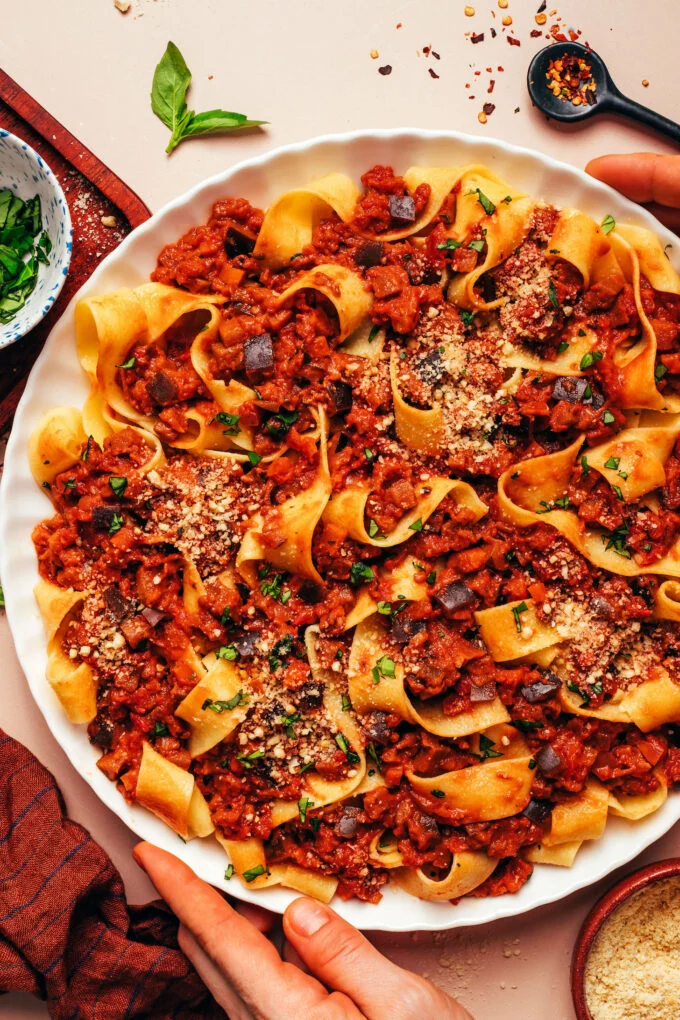

The introduction of this recipe comes at a time when consumer interest in Mediterranean-inspired, plant-based diets is at an all-time high. Market analysis from the Good Food Institute suggests that plant-based retail sales have grown significantly over the past five years, with "meat-alternative" categories increasingly moving beyond processed analogues toward vegetable-centric preparations. By utilizing eggplant as the primary protein-mimicking vehicle, this dish addresses a growing demand for "whole-food" plant-based options that avoid the heavy processing often found in store-bought meat substitutes.

The Evolution of Bolognese in Modern Gastronomy
Bolognese sauce, or ragù alla bolognese, traces its culinary roots back to the city of Bologna in the Emilia-Romagna region of Italy. Historically, the dish has been defined by its use of minced beef, a soffritto base of aromatics, wine, and a small amount of milk or cream to tenderize the meat. While regional variations exist, the fundamental structure of the sauce is anchored in the slow rendering of fats and the long-term reduction of proteins.
The adaptation of this dish into an eggplant-based version reflects a broader historical trend in Italian cooking: the "cucina povera" or "kitchen of the poor," which focuses on resourcefulness and utilizing seasonal, accessible ingredients. In contemporary practice, this evolution is driven less by necessity and more by dietary diversity. Culinary historians have noted that as Italian foodways have traveled globally, they have undergone constant deconstruction. The substitution of eggplant—a nightshade vegetable prized for its sponge-like texture and ability to absorb savory liquids—for ground meat is a logical progression in this history, effectively mimicking the "meaty" mouthfeel that is the hallmark of a traditional ragù.

Recipe Chronology and Technical Composition
The development of the Easy Eggplant Bolognese follows a precise, four-stage technical process designed to maximize flavor development within a single vessel. This approach is intended to reduce culinary friction, thereby lowering the barrier to entry for home cooks.
- Preparation and Soffritto Base: The process begins with the fine dicing of onions and carrots. When sautéed, these aromatics provide the necessary sugars and depth that form the backbone of any classic ragù.
- Eggplant Integration: The eggplant is cubed into uniform, small pieces. During the cooking phase, these cubes are browned to trigger the Maillard reaction—a chemical reaction between amino acids and reducing sugars that gives browned food its distinctive flavor.
- Deglazing and Reduction: The addition of wine serves as a crucial technical step, deglazing the pan to lift the caramelized "fond" from the bottom. This is followed by the introduction of crushed tomatoes and concentrated tomato paste.
- Final Emulsification: The incorporation of a dairy-free fat source, such as cashew milk, is a modern innovation that replicates the traditional use of dairy in authentic Bolognese. This adds a level of creaminess that balances the high acidity of the tomato base.
Nutritional Analysis and Dietary Implications
From a nutritional standpoint, the transition from a meat-based Bolognese to an eggplant-based alternative offers significant shifts in dietary intake. Traditional beef-based Bolognese is typically high in saturated fats, cholesterol, and total caloric density. In contrast, this plant-based version provides a substantial increase in dietary fiber and micronutrients, specifically Vitamin C and potassium, while maintaining a lower caloric profile.

According to the provided nutritional data, a single serving of this dish contains approximately 284 calories, 8.3 grams of fiber, and 6.6 grams of protein. While it does not match the protein density of a meat-based counterpart, it serves as a nutrient-dense alternative that can be easily modified. For instance, the inclusion of red lentils or the addition of legume-based pasta can effectively bridge the protein gap, making the dish a viable complete meal for those adhering to strict vegan or vegetarian guidelines.
Broader Impact on Home Cooking Trends
The rise of "one-pot" cooking methods, as exemplified by this recipe, aligns with current consumer trends prioritizing efficiency and waste reduction. Data from the National Kitchen and Bath Association indicates that the modern consumer is increasingly interested in minimalist kitchen setups. By consolidating the cooking process into a single Dutch oven or heavy-bottomed pot, this recipe minimizes cleanup and energy consumption, catering to the busy, time-conscious demographic that characterizes the contemporary workforce.

Industry experts also point to the "flexitarian" movement—consumers who are not strictly vegan but are actively reducing their meat consumption—as the primary audience for these types of recipes. By framing the dish as an "Italian-inspired entrée" rather than a strict dietary restriction, the recipe maintains broad appeal. It removes the stigma sometimes associated with plant-based cooking, focusing instead on the sensory experience of the dish: the brightness of the tomatoes, the creaminess of the sauce, and the savory depth of the browned eggplant.
Challenges and Expert Culinary Perspectives
Despite the success of such recipes, some culinary traditionalists argue that removing meat from a Bolognese changes the fundamental character of the dish. However, proponents of modern plant-based cooking argue that the "bolognese" designation now functions as a category of texture and viscosity rather than a strict adherence to animal-derived ingredients.

To address the lack of savory "umami" found in meat, this recipe relies on the interaction between tomato paste, aromatics, and the saltiness of the reduction. Chefs have long used these ingredients to create a "fifth taste" profile that satisfies the palate. Furthermore, the inclusion of instructions for optional additions—such as vegan meatballs or ground meat for those who prefer a hybrid approach—demonstrates a pragmatic understanding of the home cook’s needs. This inclusivity ensures the recipe remains a versatile tool rather than a static, dogmatic instruction.
Future Implications for Plant-Forward Dining
The success of the Easy Eggplant Bolognese highlights a shift in how recipes are disseminated in the digital age. Through visual storytelling and detailed, accessible instructions, this dish has moved from a private kitchen experiment to a widely shared, peer-reviewed culinary resource.

Looking forward, the integration of such recipes into the mainstream suggests that the divide between "meat-based" and "plant-based" cooking is narrowing. As home cooks become more comfortable with techniques that draw flavor from vegetables rather than relying on animal proteins, the potential for further innovation in the kitchen grows. Whether through the use of fermented ingredients, diverse grain bases, or advanced preparation techniques like this one-pot method, the culinary landscape is clearly moving toward a more sustainable and accessible future.
In summary, the Easy Eggplant Bolognese serves as more than just a recipe; it is a synthesis of historical technique, modern nutritional awareness, and the practical demands of the 21st-century home kitchen. By embracing the versatility of the eggplant and refining the classic methods of the Italian ragù, this dish demonstrates that the future of cooking is not necessarily about subtraction, but about the thoughtful re-evaluation of how we construct our daily meals.