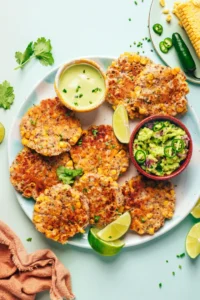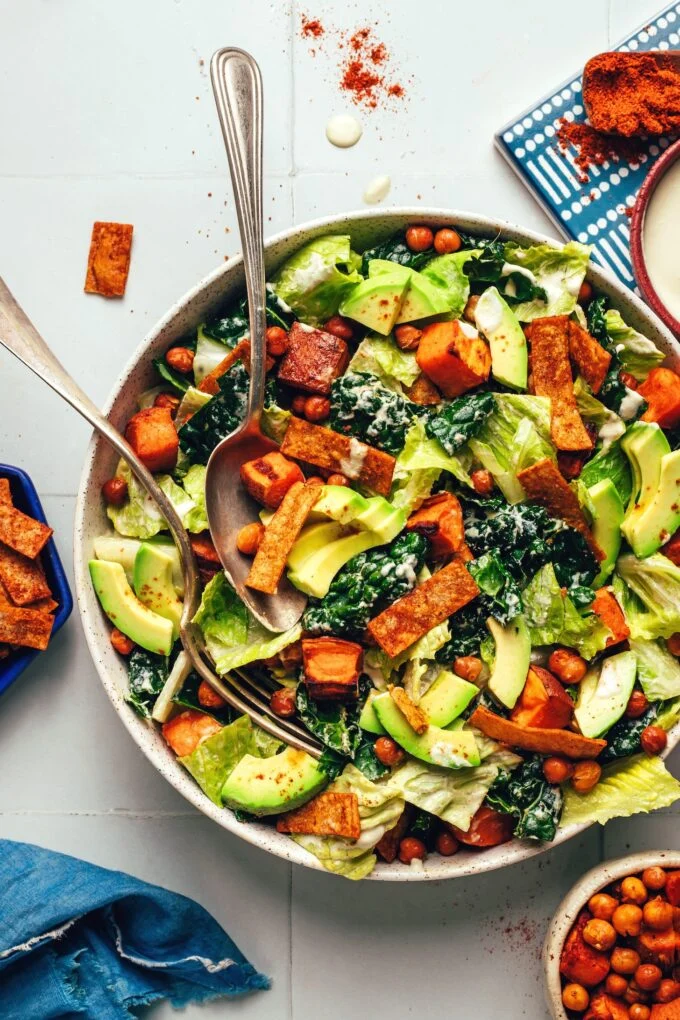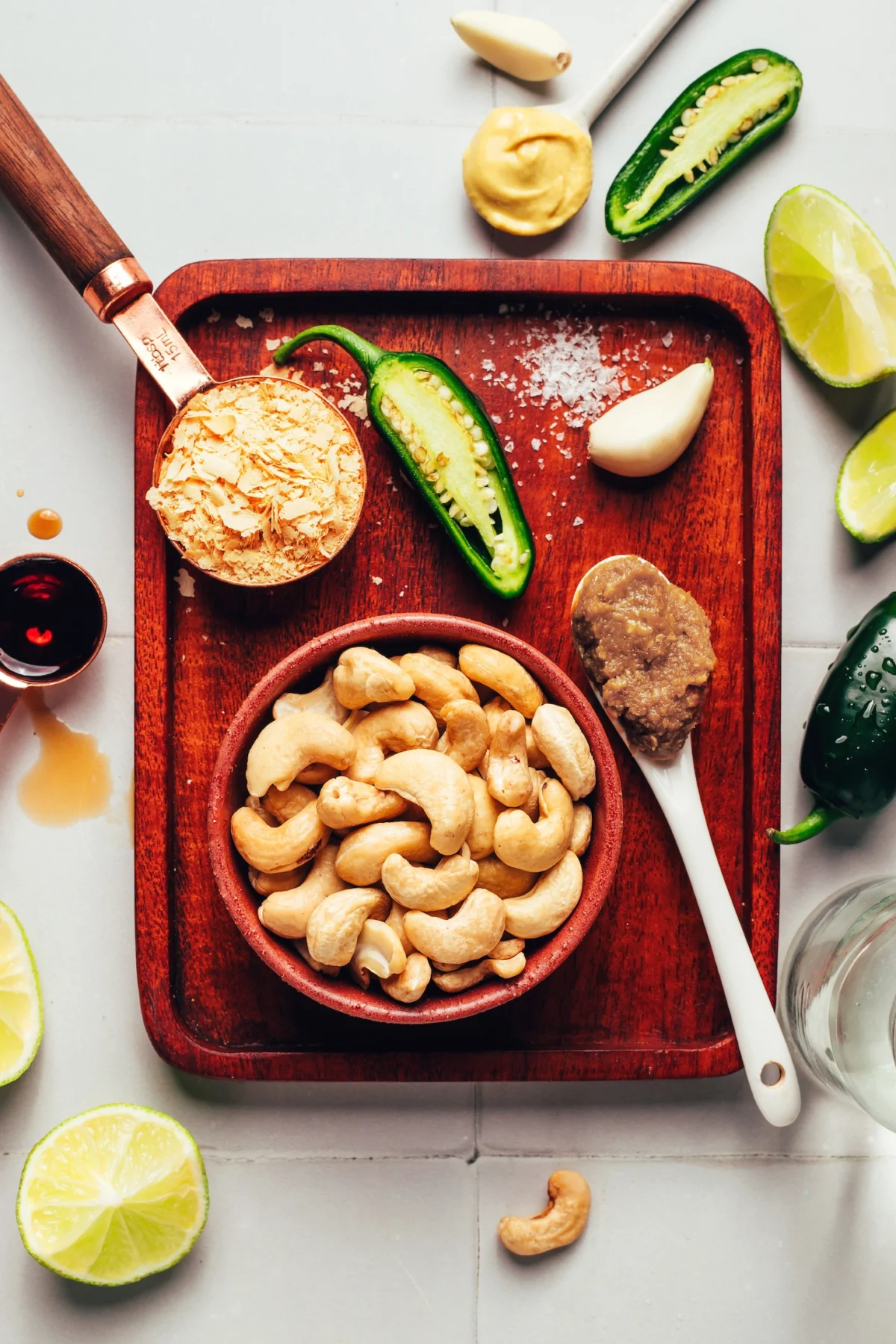

The culinary landscape of plant-based gastronomy has witnessed a significant shift toward high-efficiency, nutrient-dense condiments, as exemplified by the recent emergence of the Cheesy Jalapeño Cashew Dressing. This specific formulation, popularized by the digital culinary platform Minimalist Baker, represents a broader trend in the $2.3 billion global salad dressing market, which is increasingly pivoting toward "clean-label" and dairy-free alternatives. The recipe underscores a move away from traditional oil-and-vinegar emulsifications or heavy dairy-based creams, opting instead for a whole-food, nut-based architecture that provides both satiety and complex flavor profiles. By utilizing a high-speed blending process and a specific array of nine ingredients, the dressing achieves a "cheesy" profile without the use of animal products, a feat of modern food science and home-cooking efficiency.
Culinary Composition and Chemical Synergy
The structural integrity of the Cheesy Jalapeño Cashew Dressing relies on the high fat and protein content of raw cashews. Unlike many other nuts, cashews possess a unique starch content that, when pulverized and hydrated, creates a smooth, heavy cream-like consistency. This physical property allows the nut to serve as a versatile base for vegan sauces, replacing heavy cream, mayonnaise, or sour cream.

The flavor profile of the dressing is built upon the principle of umami and acid balance. The inclusion of nutritional yeast—a deactivated yeast (Saccharomyces cerevisiae) rich in B vitamins—provides the primary "cheesy" notes. This is further deepened by the addition of miso paste, a fermented soybean product that introduces complex glutamates, enhancing the savory depth of the condiment. To balance these heavy, savory notes, the recipe incorporates fresh lime juice for acidity and a touch of maple syrup to mitigate the heat of the jalapeños. The result is a multi-dimensional sauce that addresses the four primary taste receptors: salty, sweet, sour, and spicy.
Chronology of Plant-Based Dressing Evolution
To understand the significance of this cashew-based dressing, one must examine the timeline of vegan condiment development over the past two decades.
- The Early 2000s (The Oil Era): During the early stages of mainstream veganism, dressings were largely limited to vinaigrettes. Creamy textures were difficult to replicate, often relying on low-quality hydrogenated oils or thickeners like xanthan gum and guar gum to simulate the mouthfeel of dairy.
- 2010–2015 (The Rise of Tahini and Avocado): As whole-food, plant-based (WFPB) diets gained traction, chefs began utilizing tahini (sesame paste) and avocado as creamy bases. While effective, these ingredients often imparted strong characteristic flavors that could not easily mimic traditional "ranch" or "cheese" sauces.
- 2015–Present (The Cashew Revolution): With the proliferation of high-speed blenders like Vitamix and Blendtec in home kitchens, the ability to emulsify nuts into perfectly smooth liquids became accessible to the average consumer. This period saw the "cashew cream" become the gold standard for dairy-free alternatives in both professional and domestic settings.
- 2024 (The Minimalist Era): Current trends emphasize speed and ingredient minimalism. The Cheesy Jalapeño Cashew Dressing represents this peak efficiency, requiring only five minutes of preparation time and nine total ingredients, reflecting a consumer base that demands gourmet-quality flavor with minimal labor.
Comprehensive Nutritional Data and Health Implications
A comparative analysis of the Cheesy Jalapeño Cashew Dressing against traditional dairy-based dressings reveals significant differences in nutritional density and inflammatory potential. According to the provided data, a standard 2-tablespoon serving of this cashew dressing contains approximately 70 calories.

Nutritional Breakdown per Serving:
- Total Fat: 4.9g (primarily monounsaturated and polyunsaturated fats from cashews).
- Saturated Fat: 0.9g (significantly lower than the 2-5g found in cream-based dressings).
- Protein: 2.8g (enhanced by the nutritional yeast and miso).
- Carbohydrates: 5g (with 1.2g of sugar and 0.8g of fiber).
- Sodium: 171mg (derived from salt, miso, and Dijon mustard).
- Vitamins/Minerals: Contains trace amounts of Vitamin C (3.1mg), Iron (0.8mg), and Calcium (8mg).
From a public health perspective, the substitution of cashews for dairy fats can be beneficial for cardiovascular health. Cashews are a rich source of oleic acid, the same heart-healthy monounsaturated fat found in olive oil. Furthermore, the inclusion of fresh garlic and jalapeño introduces phytochemicals such as allicin and capsaicin. Capsaicin, in particular, has been studied for its thermogenic properties and its ability to improve metabolic health.
Market Trends and Consumer Behavior
The release of this recipe coincides with a surge in consumer interest in "functional foods"—products that provide health benefits beyond basic nutrition. By incorporating miso paste, the dressing introduces probiotics (though blending at high speeds may impact some live cultures, the fermented byproduct remains) and high-quality fermentation markers.

Industry analysts note that the "Minimalist Baker" approach—limiting recipes to 10 ingredients or fewer, one bowl/blender, and under 30 minutes of prep—addresses a critical "pain point" in the health food sector. Historically, healthy cooking was viewed as time-consuming and expensive. By streamlining the process to a 5-minute blender task, the barrier to entry for healthy eating is lowered. This democratization of high-quality, plant-based nutrition is a driving force in the continued growth of the vegan sauce sector, which is projected to grow at a CAGR (Compound Annual Growth Rate) of nearly 8% through 2030.
Technical Preparation and Troubleshooting
While the process is described as simple, achieving the optimal texture requires an understanding of mechanical emulsification. The recipe suggests that soaking cashews is not strictly necessary if a high-speed blender is used, but it remains an option for those using standard equipment.
Technical Troubleshooting for Home Preparations:

- Texture Issues: If the dressing remains "gritty," it indicates that the blender’s RPM (revolutions per minute) is insufficient to break down the cashew fibers or that the ratio of liquid to solids is too low. Adding 1-2 tablespoons of water or lime juice can facilitate better circulation within the blender jar.
- Heat Regulation: High-speed blending for more than two minutes can generate significant friction heat. For a cold salad dressing, users are encouraged to use cold water or pulse the blender to maintain a chilled temperature.
- Flavor Balancing: The potency of jalapeños can vary significantly based on the season and the specific pepper. Professional chefs recommend "tasting as you go," noting that the heat of the pepper is concentrated in the seeds and the internal pith (ribs).
Official Responses and Culinary Reception
While there is no single governing body for salad dressings, the reception from the digital culinary community has been overwhelmingly positive. Food critics and home cooks alike have noted the versatility of the sauce. Beyond its primary use as a salad dressing, it has been adopted as a dip for "Crispy Breaded Cauliflower Wings" and a condiment for "Chickpea Shawarma Sandwiches."
Statements from culinary influencers suggest that the "savory-cheesy-spicy" trifecta is currently the most sought-after flavor profile in the plant-based sector. This mirrors the success of spicy cashew-based "queso" dips in high-end vegan restaurants in urban centers like Los Angeles and New York. The Cheesy Jalapeño Cashew Dressing effectively bridges the gap between a light vinaigrette and a heavy dipping sauce, making it a "hybrid" condiment suitable for a variety of gastronomic applications.
Broader Impact and Environmental Implications
The shift toward nut-based dressings also carries environmental implications. While nut farming—particularly cashews—requires significant water resources, the carbon footprint remains lower than that of industrial dairy production. The reduction in plastic waste is another factor; by producing dressings at home using bulk-purchased nuts and pantry staples, consumers reduce their reliance on single-use plastic bottles typical of commercial dressing brands.

Furthermore, the inclusivity of the recipe—being gluten-free, vegan, and oil-free—addresses the needs of a diverse population with varying dietary restrictions. As food allergies and sensitivities (such as lactose intolerance and celiac disease) continue to be diagnosed at higher rates, the demand for "all-access" recipes like this one is expected to intensify.
In conclusion, the Cheesy Jalapeño Cashew Dressing is more than a simple recipe; it is a clinical example of how modern food technology, nutritional science, and consumer demand for efficiency are converging. It represents a move toward a more thoughtful, health-conscious, and sustainable way of eating that does not sacrifice the sensory pleasures of traditional comfort foods. As the culinary world continues to evolve, the principles of minimalism and whole-food substitution seen here will likely become the standard for the next generation of home cooking.