
The seemingly innocuous statement, uttered by a highly competent legal professional, underscores a pervasive challenge in contemporary health and wellness: the tendency to prioritize niche, often less impactful, interventions over foundational lifestyle changes. While the individual, whom we will refer to as Anna, exhibited sharp critical thinking in her professional life, her approach to personal health revealed a common susceptibility to the allure of "magic bullet" solutions, even when more fundamental issues remained unaddressed.
Anna’s decision to invest in BPA-free containers stemmed from concerns about microplastics and their purported links to hormonal disruption and weight gain. This focus emerged despite her admitting to struggles with consistent exercise, frequent reliance on takeout, and sacrificing sleep for digital distraction. When presented with the suggestion of more consistent workouts or home-cooked meals, her response was telling: "Yeah, but I’ve tried that a thousand times. If it were that simple, it would have worked already." This sentiment reflects a widespread skepticism towards basic health practices, often fueled by repeated failed attempts at grand overhauls and the pervasive marketing of complex, "cutting-edge" solutions.
The Paradox of Public Health Knowledge and Action
The disconnect between knowing what constitutes healthy behavior and consistently enacting it is a significant public health challenge. Decades of research and public health campaigns have firmly established the fundamental pillars of health: regular physical activity, a diet rich in whole foods, adequate sleep, and responsible substance use. Yet, data consistently reveals low adherence rates to these basic recommendations.
A striking statistic highlights this paradox: a 2016 study, analyzing data from the National Health and Nutrition Examination Survey (NHANES), found that only approximately six percent of American adults consistently met five key health behaviors – not smoking, maintaining a healthy body weight, consuming adequate fruits and vegetables, engaging in sufficient physical activity, and moderate alcohol consumption. This figure, though specific to the United States, broadly reflects a global trend where despite readily available information, a vast majority struggle with basic health maintenance. This struggle has profound implications, contributing to the soaring prevalence of preventable chronic diseases such as type 2 diabetes, cardiovascular disease, and certain cancers, placing immense burdens on healthcare systems and diminishing quality of life.
The Allure of the "Magic Bullet" and the Distraction Economy
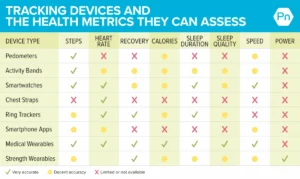
The wellness industry, a multi-trillion-dollar global market, thrives on this paradox. It often promotes intricate diets, specialized supplements, advanced gadgets, and bespoke routines as the keys to unlocking optimal health. While some of these products or strategies may offer marginal benefits, their primary impact often lies in diverting attention and resources from the fundamental, albeit less glamorous, habits that yield the greatest health dividends.
Concerns about specific environmental contaminants like BPA (Bisphenol A), a chemical used in some plastics, exemplify this diversion. While regulatory bodies like the FDA continue to review research on BPA safety, often concluding that current exposure levels are safe, public perception remains wary. Investing in BPA-free products, while a personal choice, can become a "distraction tactic" if it supplants efforts to address more significant dietary or lifestyle issues. The time and mental energy spent researching and purchasing such items, or following a complex detox protocol, could often be more productively directed towards consistent meal preparation, a regular sleep schedule, or daily physical activity. This is not to dismiss valid scientific concerns but to highlight the hierarchy of impact in health interventions.
Understanding the Barriers to Basic Health Habits
Why do individuals, even those with high levels of intelligence and critical thinking, fall into these "behavioral traps"? Behavioral science offers several explanations:
-
Ambivalence and Resistance as Natural Responses: The process of change inherently involves a push-and-pull. Ambivalence describes the simultaneous desire for change and the desire to maintain the status quo. For instance, wanting to eat healthier while also craving indulgent treats. Resistance, often experienced as procrastination or avoidance, stems from the discomfort or perceived loss associated with altering established routines. These are not signs of weakness but normal psychological reactions to the demands of adapting to new behaviors. Recognizing them as such allows for a more compassionate and strategic approach to habit formation.
-
Ambition Overload and the Planning Fallacy: Many individuals, when motivated to change, embark on ambitious, multifaceted plans that demand a complete overhaul of their lifestyle. This "all-or-nothing" approach often stems from the planning fallacy, a cognitive bias where people underestimate the time, costs, and risks associated with future actions, while overestimating their ability to complete tasks. Such grand plans quickly become unsustainable when confronted with the complexities of daily life, leading to rapid burnout, feelings of failure, and ultimately, abandonment of the goals. The immediate psychological relief derived from making an idealistic plan often outweighs the realistic assessment of its execution.

-
The Quest for Novelty and "Secret" Knowledge: There is a pervasive belief that if simple health behaviors were truly effective, everyone would be healthy. This leads to a search for advanced, "industry-secret," or "cutting-edge" strategies, often marketed with promises of rapid or effortless results. This desire for novelty and differentiation can overshadow the proven efficacy of consistent, basic actions. The perceived "boringness" of fundamental habits like eating vegetables or going for a walk makes them less appealing than the latest superfood or high-intensity interval training craze. However, most "hardcore" or "secret" methods prove unsustainable, inaccessible, or lack scientific validation, leading to further frustration and distraction from what truly works.
-
The Illusion of Perfection: The health and fitness industry frequently propagates an unattainable ideal of "perfect" health – a state free from minor ailments, requiring immaculate adherence to diet and exercise, and characterized by constant energy and emotional equilibrium. This pursuit of perfection often leads to self-sabotage. When faced with inevitable deviations (a missed workout, an indulgent meal, a stressful period), individuals operating under a perfectionist mindset tend to abandon their efforts entirely, believing they have "failed." This "all-or-nothing" thinking prevents the adoption of flexible, resilient habits that can accommodate the unpredictable nature of real life. True, sustainable health acknowledges and integrates human imperfection, allowing for "good enough" efforts rather than demanding flawless execution.
Strategies for Enabling Realistic and Effective Action
Overcoming these barriers requires a deliberate shift from aspirational perfection to pragmatic consistency, focusing on fundamental actions and fostering a supportive environment. Health experts and behavioral scientists recommend several key strategies:
-
Explore the "Why" Before the "How": Before embarking on any health change, it is crucial to understand the deeper, intrinsic motivations. Superficial reasons like "I want to lose weight" often lack the sustained emotional power to overcome obstacles. Tools like "The 5 Whys" (repeatedly asking "why" to peel back layers of motivation) can help uncover core values, desires, and the true consequences of inaction. For instance, wanting to lose weight might ultimately be driven by a desire for more energy to play with grandchildren, improved self-confidence, or a wish to avoid specific health complications. This deeper understanding provides a more resilient drive during challenging times.
-
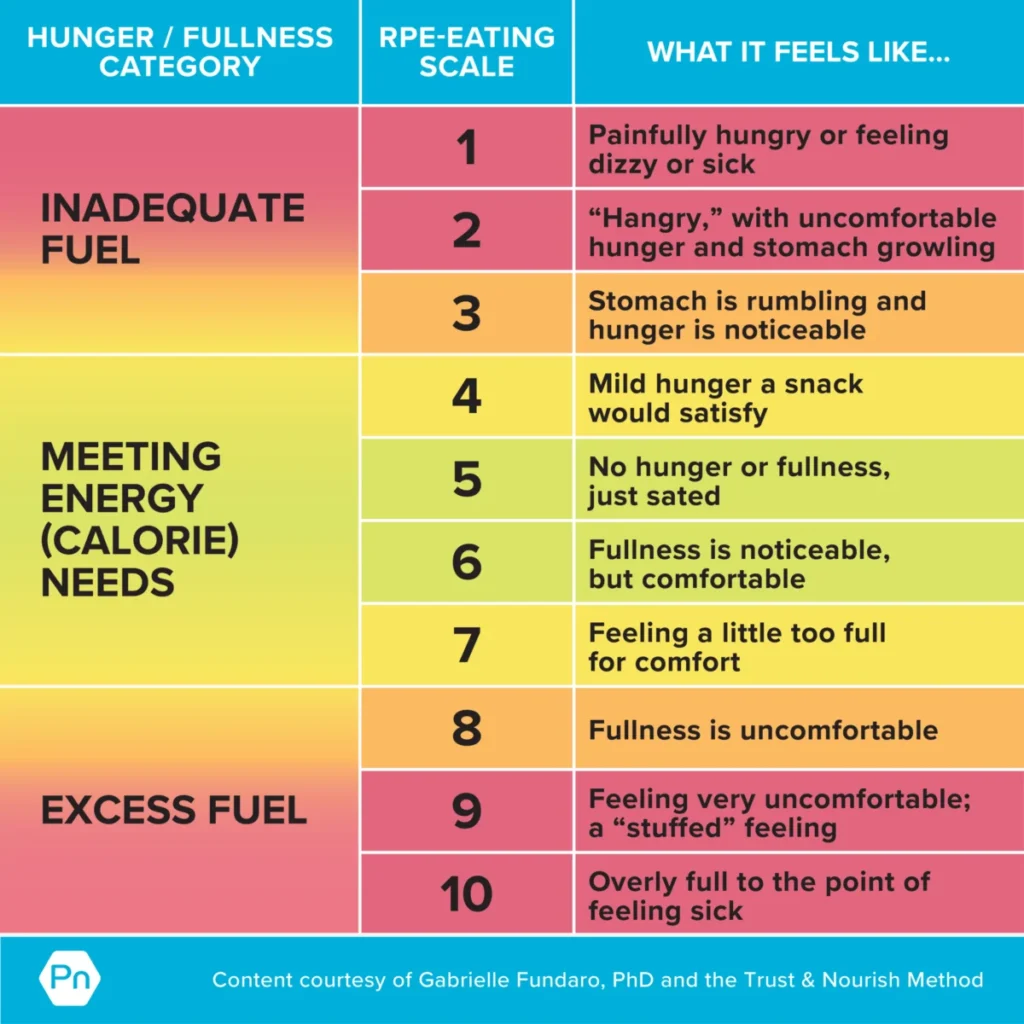
Prioritize High-Impact, Essential Actions: Effective change is incremental and strategic. Instead of attempting a complete lifestyle overhaul, identify the few "essential" actions that will yield the greatest return on investment for a specific goal. For weight management, these might include consistent protein intake, daily movement, and adequate sleep. A structured approach, such as identifying a broad "domain" (e.g., Nutrition), then a specific "skill" (e.g., mindful eating), a "practice" (e.g., eating to satisfaction), and finally a "daily action" (e.g., recording hunger/fullness levels), can help narrow the focus to manageable, impactful steps. This avoids ambition overload and builds confidence through small, consistent wins.
-
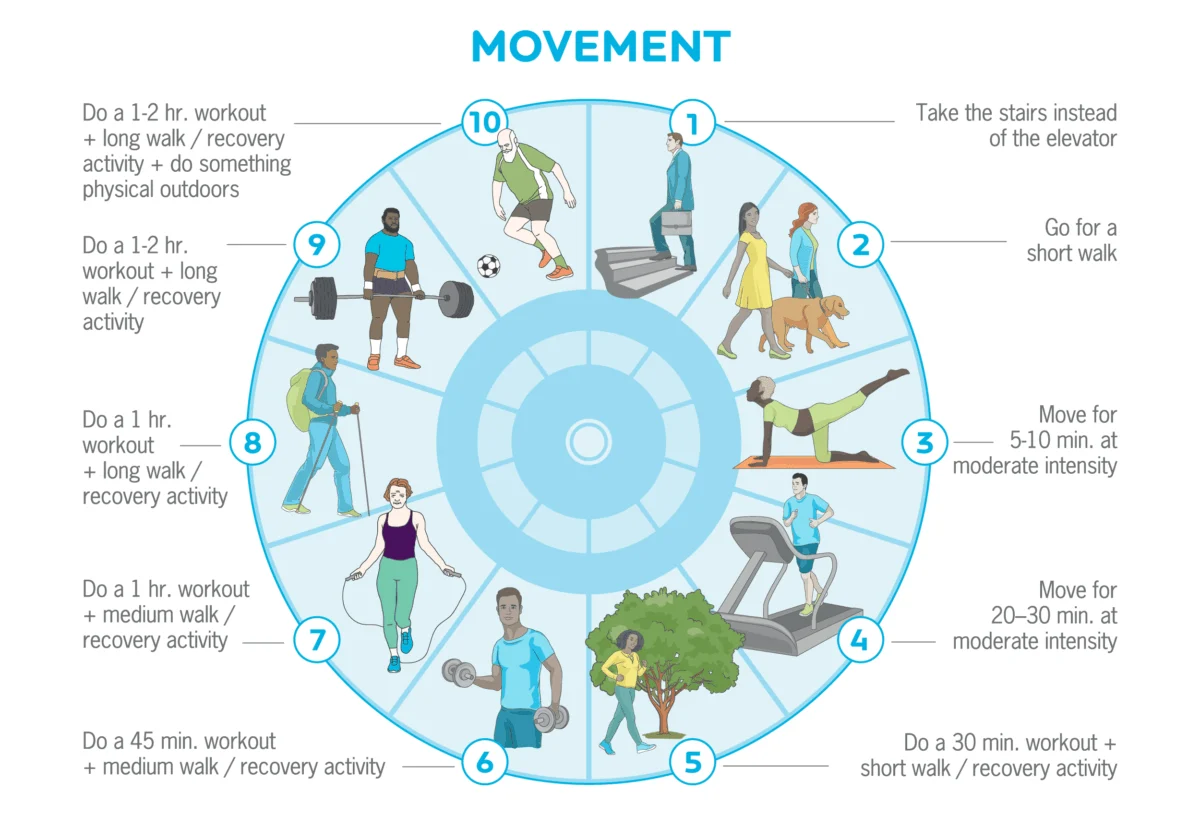
Establish a Flexible Range of Action: The "Dial" Concept: Recognize that life is dynamic, and consistent "peak performance" is unrealistic. Instead of an "on/off" switch for healthy habits, visualize them on a "dial." Define a "floor" – the absolute minimum action you commit to, even on your worst day (e.g., 5 minutes of walking, one extra serving of vegetables). Also define a "ceiling" – your ideal, maximum effort (e.g., an hour-long gym session, extensive meal prep). This creates a flexible range, allowing adaptation to varying life circumstances. When stress is high or time is short, turning the dial down to the "floor" ensures continuity, preventing complete abandonment. This "good enough" approach maintains momentum and prevents the cycle of all-or-nothing failure. The critical insight is that doing the bare minimum consistently is a success, not a failure, especially over the long term.
-
Engineer a Supportive Environment (Ecosystem Design): Human behavior is significantly influenced by environment. Relying solely on willpower in a challenging environment is often a losing battle. Instead, proactively design an "ecosystem" that makes desired behaviors easier and undesired ones harder. This involves:
- Optimizing Physical Space: A "kitchen makeover" where healthy foods are visible and accessible, and less healthy options are hidden or removed, is a classic example. Similarly, laying out workout clothes the night before or setting up a dedicated exercise space can lower activation energy for physical activity.
- Managing Digital Environment: Reducing screen time or curating social media feeds to include positive health influences can support mental well-being and reduce comparison-induced stress.
- Cultivating Social Support: Surrounding oneself with individuals who share similar health goals or offer positive encouragement can significantly bolster adherence.
- Implementing Cues and Reminders: Using alarms, sticky notes, or habit-tracking apps can serve as gentle nudges to perform desired actions.
This proactive environmental engineering leverages behavioral science principles, making healthy choices the "obvious" or default option, thereby reducing the reliance on finite willpower.
Embracing "C+ Effort" for Long-Term Health
The journey to sustainable health is rarely a straight line of perfection. It is a messy, winding path characterized by progress, setbacks, and continuous adaptation. For many, particularly those with perfectionist tendencies, the idea of "C+ effort" can be challenging. However, it represents a crucial shift in mindset: a recognition that consistent, imperfect action far surpasses sporadic bursts of perfection followed by prolonged periods of inaction.
This approach fosters self-compassion, acknowledging human vulnerabilities and limitations rather than battling against them. There will be periods of "A" performance, where all health habits align effortlessly. But during stressful times, illness, or major life changes, dialing down to a "C+" – doing just enough to maintain momentum – is a strategic victory, not a failure.
Ultimately, living a healthy and meaningful life is about striving for one’s best within the confines of reality, embracing flexibility, learning from mistakes, and understanding that "good enough" is often the most powerful catalyst for lasting change. The cumulative effect of consistent, imperfect effort on fundamental habits will always outweigh the ephemeral pursuit of a perfect, yet unsustainable, "magic bullet."