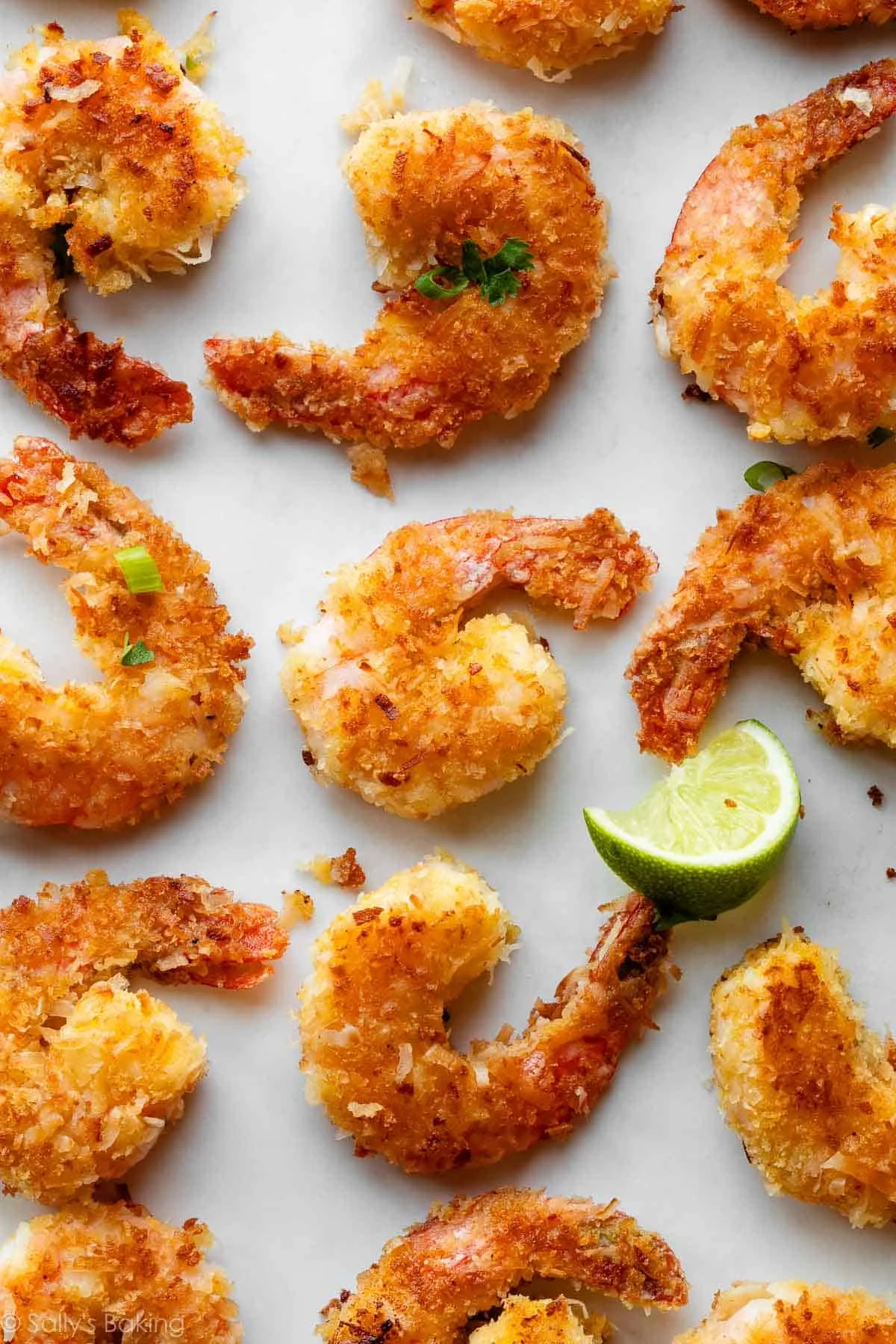

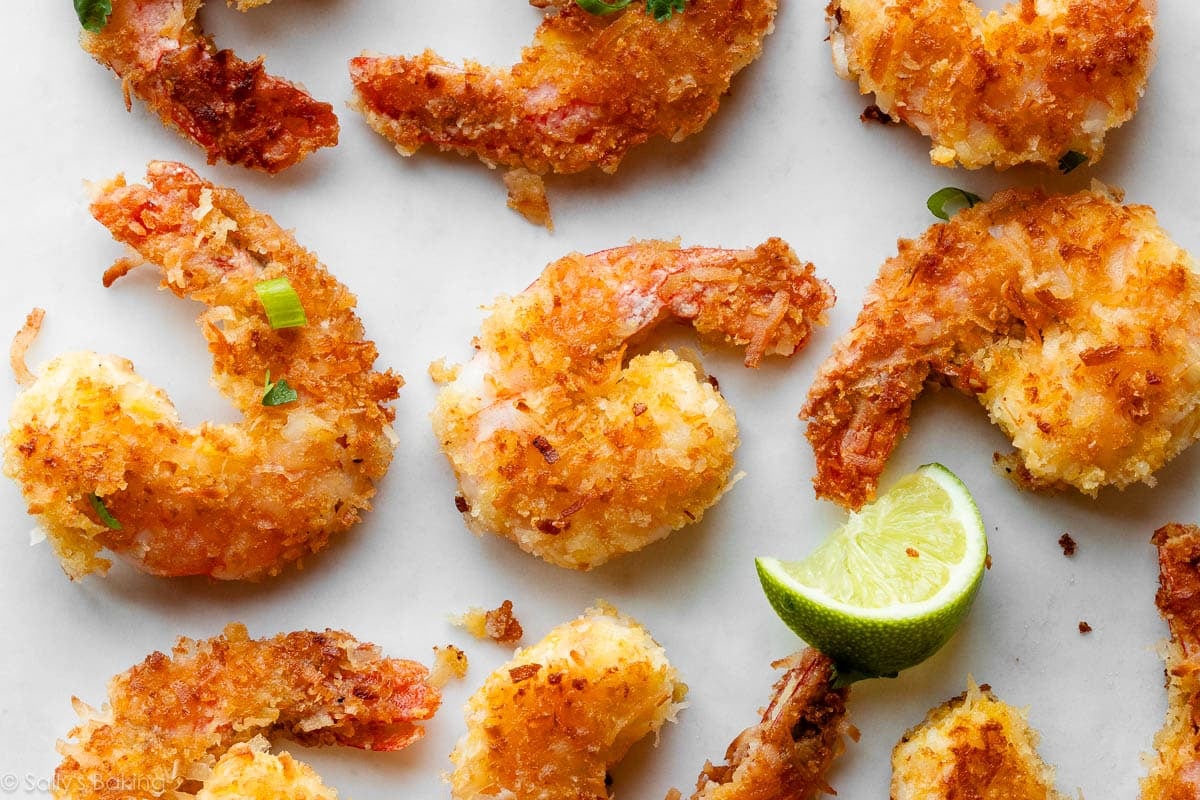
The allure of golden, sweet, and exquisitely crisp coconut shrimp has long captivated palates as a quintessential crowd-favorite, whether gracing the tables of upscale restaurants or served as a delightful finger food at social gatherings. What was once considered a restaurant-exclusive delicacy is now increasingly accessible to home cooks, thanks to reliable and straightforward recipes that demystify its preparation. One such recipe, first unveiled in 2014 and meticulously refined over the years, stands out for its beginner-friendly approach, promising perfectly crunchy results in approximately 30 minutes, utilizing readily available ingredients. This dish, often rapidly disappearing from serving platters, is not merely an appetizer; its versatility allows it to transition effortlessly into a satisfying meal when paired with a fresh salad, or remain a highly sought-after snack, invariably devoured with enthusiasm. The journey to mastering this beloved dish at home is surprisingly simple, yielding results that often surpass commercially prepared versions in both freshness and flavor.
The Recipe’s Enduring Appeal and Evolution in Home Kitchens
Originally published nearly a decade ago in 2014, this particular coconut shrimp recipe has demonstrably stood the test of time, evolving through several iterations that include updated photography and expanded success tips. This longevity underscores its inherent reliability and ease of execution, attributes that resonate deeply with a broad spectrum of home chefs. The continuous refinement of such recipes reflects a broader commitment within the culinary community to enhancing user accessibility and ensuring consistent results, transforming what might seem like a complex restaurant staple into an achievable home-cooked triumph. The author’s dedication to simplifying the process has cultivated a loyal following, with numerous testimonials validating the recipe’s effectiveness. For instance, a home cook identified as Paul enthusiastically shared his experience, stating: "I made these tonight for an appetizer for us and they turned out PERFECTLY! Thank you so much for such a great recipe. I cannot wait until we have guests to make these for them." Such feedback not only affirms the recipe’s consistent performance but also highlights its potential to elevate home entertaining, offering a gourmet experience with minimal fuss. This consistent performance positions the recipe as a go-to option for those seeking to replicate restaurant-quality fare without the associated complexities, making it a valuable addition to any culinary repertoire for midweek meals or spontaneous gatherings. The enduring popularity of such a dish also speaks to a broader cultural shift towards appreciating homemade versions of classic comfort foods and appetizers.
Deconstructing Culinary Success: The Science of Crispiness and Flavor
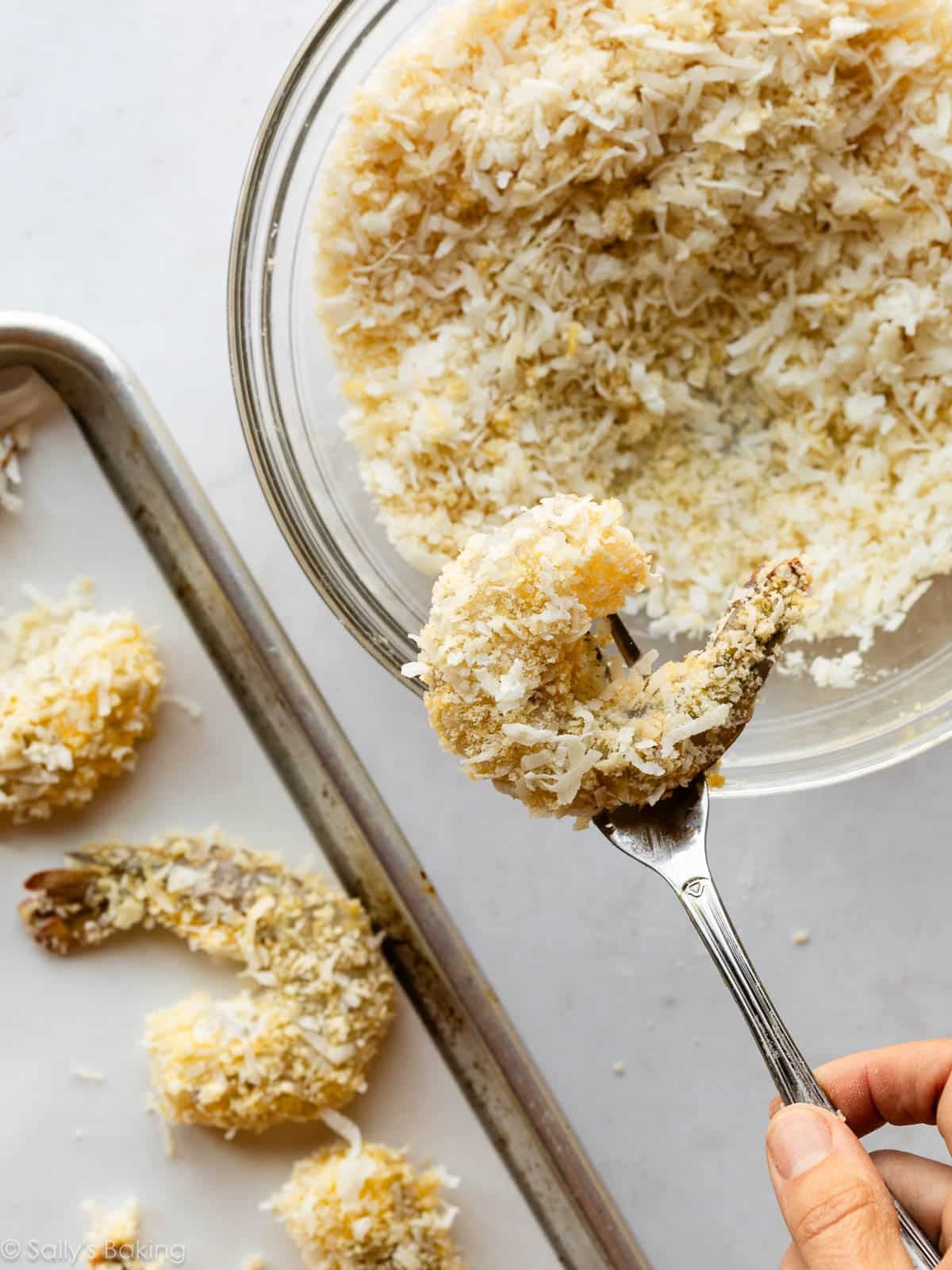
The hallmark of exceptional coconut shrimp lies in its golden, crunchy exterior, a textural delight achieved through a carefully orchestrated coating process. This recipe distinguishes itself by employing a unique three-layer breading system, moving beyond a simple coconut dip to ensure maximum adhesion and an unparalleled crispness. Each shrimp is first dusted in an all-purpose flour mixture, which serves a critical function: it provides a dry, porous surface that effectively binds the subsequent egg wash. This initial layer ensures that the wet egg mixture adheres uniformly, creating a solid foundation for the final coating. The beaten egg then acts as a crucial adhesive layer, allowing the definitive breading to cling securely and robustly to the shrimp. This ultimate layer is a masterful blend of sweetened shredded coconut and Panko breadcrumbs, a combination chosen for its specific textural and flavor contributions.
Panko, a Japanese-style breadcrumb, is paramount to achieving an unparalleled crispness due to its distinct flaky, airy texture. Unlike conventional breadcrumbs, which are often denser and finely ground, Panko crumbs are larger and more porous. This structural difference means that Panko absorbs significantly less oil during the frying process, resulting in a lighter, more brittle, and remarkably crisp crust. Concurrently, the sweetened shredded coconut not only imbues the shrimp with its characteristic tropical flavor but also plays a vital role in the cooking process. The sugar in the coconut caramelizes upon frying, contributing to the beautiful golden hue and adding another layer of complex sweetness and crunch. This caramelization creates a delicate crispness that is distinct from the Panko’s structural crunch. The importance of firmly pressing this coconut-Panko mixture onto each shrimp cannot be overstated; this mechanical action ensures a thick, even coating that resists detaching during cooking, culminating in those irresistible, perfectly coated bites. This multi-layered approach is a testament to the meticulous understanding of ingredient interaction and cooking dynamics, elevating the dish from a simple fried seafood to a truly gourmet experience that tantalizes both the palate and the senses.
Selecting the Perfect Shrimp: A Foundation for Flavor and Texture
The quality and preparation of the shrimp itself form the bedrock of this recipe’s success. Culinary experts consistently recommend using large, raw shrimp that have been peeled, deveined, and, crucially, retain their tails. The tails serve a dual purpose: they facilitate easier handling during the breading and frying stages, especially when serving as an appetizer, and they contribute to a more appealing presentation, offering a natural "handle" for diners. Large shrimp are preferred because they possess a more substantial, succulent flesh that shrinks less significantly during cooking compared to their smaller counterparts, thus retaining optimal juiciness and a satisfying bite. While medium shrimp can be used, their diminished size post-frying may alter the desired textural balance, making them less ideal for this specific preparation. For those with medium shrimp on hand, alternative preparations such as a honey garlic shrimp recipe might be more suitable, where a smaller size does not detract from the overall dish.
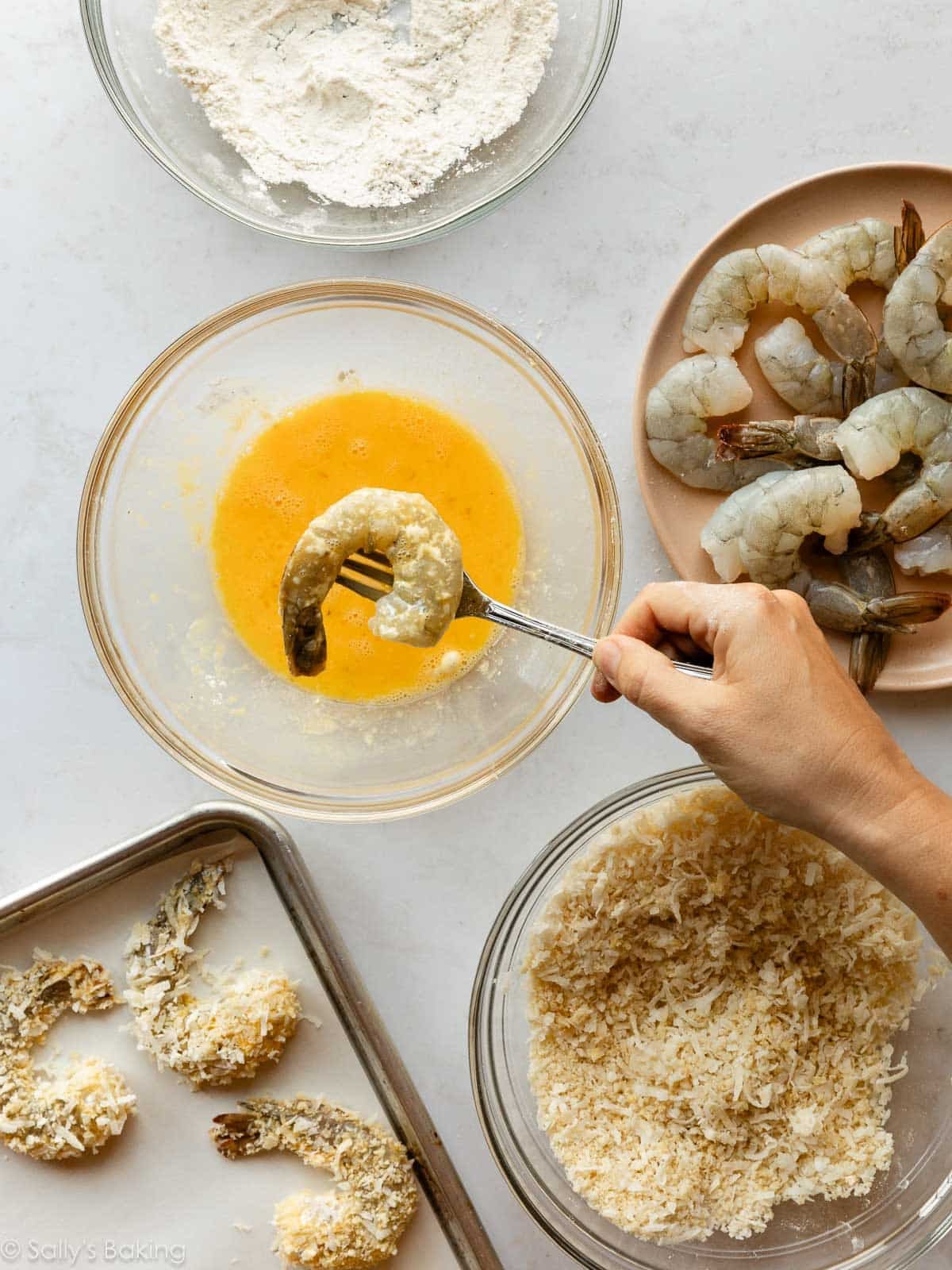
The source of shrimp is also a critical consideration. While fresh shrimp are often lauded for their superior flavor and texture, high-quality frozen raw shrimp are an entirely acceptable and often more convenient alternative, widely used in professional and home kitchens alike. The global shrimp industry is vast, with both wild-caught and farmed varieties available. Regardless of origin, the key to successfully utilizing frozen shrimp lies in proper thawing and preparation: they must be completely thawed, typically overnight in the refrigerator or under cold running water, and then thoroughly patted dry before proceeding with the breading process. Excess moisture on the shrimp’s surface is a common impediment to coating adhesion, leading to a less crisp and potentially uneven crust that can slide off during frying. This attention to detail in shrimp selection and preparation ensures that the delicate seafood core remains tender and flavorful, providing a perfect counterpoint to the crunchy, sweet exterior, and preventing common pitfalls that can compromise the dish’s quality.
Other Essential Ingredients for a Flawless Execution
Beyond the star ingredient, shrimp, and the distinctive coating components, a few fundamental pantry staples complete the ensemble required for this delectable dish. All-purpose flour is essential for the initial dusting, providing the necessary dry base for the subsequent layers of egg and coconut-Panko. This foundational layer is surprisingly critical, as it ensures uniform adhesion and contributes to the overall crispness. Fresh eggs, lightly beaten, act as the critical bonding agent, forming a cohesive bridge between the flour-dusted shrimp and the final breading mixture. Without this crucial liquid layer, the coconut and Panko would struggle to adhere, leading to a patchy and inconsistent coating. A pinch of salt and pepper, applied judiciously, seasons both the shrimp directly and the flour mixture, enhancing the overall flavor profile without overpowering the natural sweetness of the coconut or the delicate taste of the shrimp. These seasonings are not merely afterthoughts; they are integral to balancing the flavors and bringing out the best in the seafood.
Finally, a neutral-flavored oil suitable for pan-frying, such as vegetable, canola, or grapeseed oil, is indispensable. The choice of oil is crucial, as it needs to have a sufficiently high smoke point to withstand medium heat without burning, yet remain neutral enough not to impart undesirable flavors to the finished dish. Oils with lower smoke points can break down, producing off-flavors and potentially harmful compounds. The oil facilitates the cooking process, transferring heat efficiently to crisp the coating and cook the shrimp rapidly. These seemingly simple ingredients, when combined with careful technique and an understanding of their individual roles, unlock the full potential of the coconut shrimp, transforming them into an irresistible culinary creation that is both sophisticated and approachable. The synergy between these components is what allows for the consistent achievement of a truly exceptional dish.
Mastering the Fry: Techniques for Optimal Results and Safety
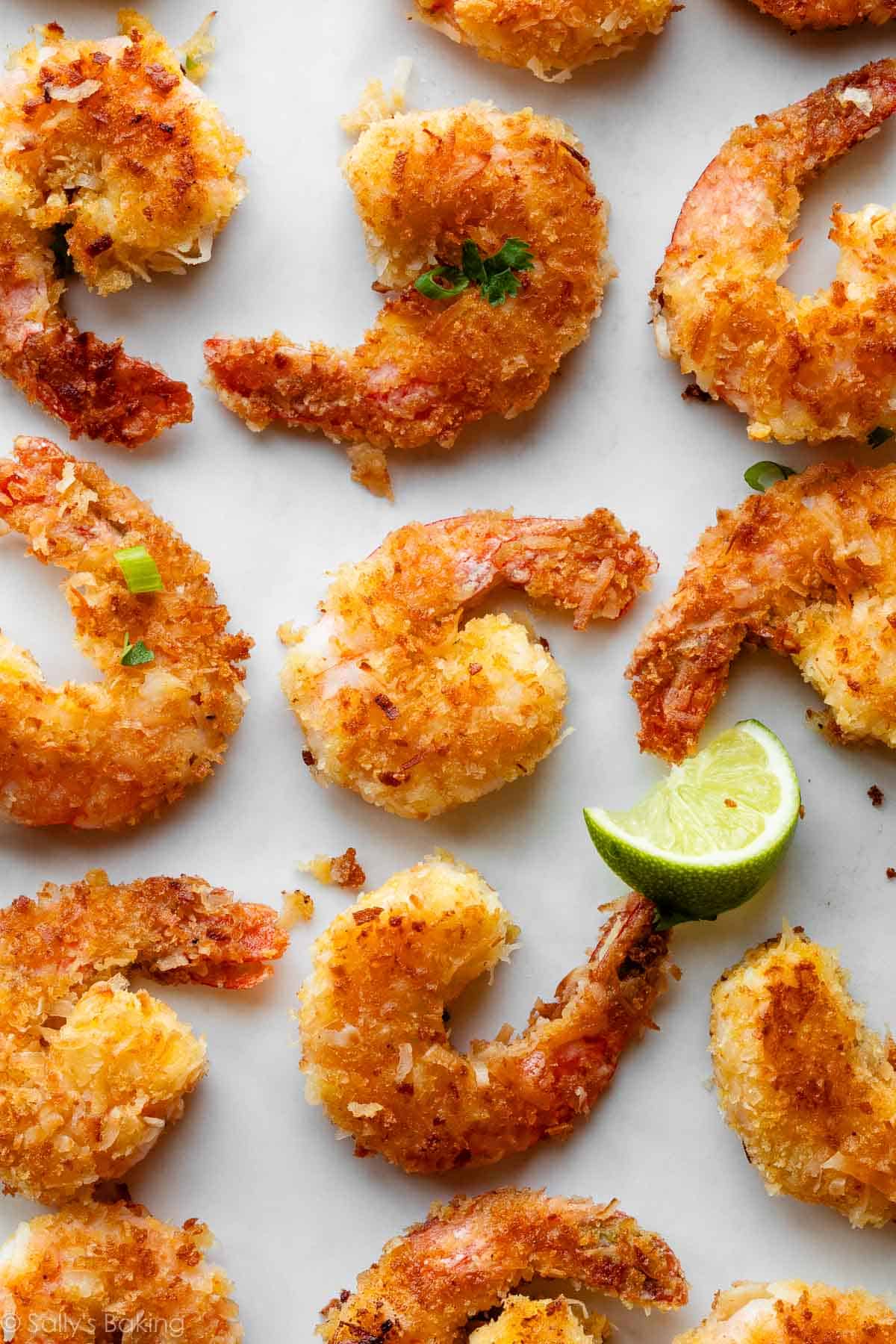
The pan-frying stage is where the magic truly happens, transforming the coated shrimp into golden, crispy perfection. However, achieving this requires adherence to specific techniques to ensure both culinary success and kitchen safety. A foundational principle is to use enough oil to adequately cover the bottom of your skillet, creating a shallow bath for the shrimp to cook evenly. The depth of the oil should be sufficient to allow the shrimp to be partially submerged, promoting even browning on the sides without requiring excessive flipping. Professional-grade tongs are an invaluable tool for safely maneuvering and flipping the shrimp, minimizing splatter and ensuring uniform cooking on all sides. Their length and grip allow for precise control, reducing the risk of burns from hot oil.
Crucially, the frying process must be managed in batches. Overcrowding the pan is a common error that leads to a significant drop in oil temperature. When too many cold items are added to hot oil simultaneously, the oil’s temperature plummets, which can result in soggy, greasy shrimp, as the coating absorbs excess oil rather than crisping up. Furthermore, overcrowded conditions hinder even cooking and browning, leading to inconsistent results. Maintaining a consistent medium heat is paramount: if the oil is too hot, the delicate coconut coating will burn rapidly before the shrimp has a chance to cook through, resulting in a charred exterior and raw interior; conversely, if the oil is too cool, the coating will absorb an undesirable amount of oil, rendering the shrimp heavy, less palatable, and lacking the desired crispness. The ideal medium heat allows the coating to crisp and brown slowly while the shrimp cooks quickly to a tender, juicy state. Upon achieving that perfect golden-brown crispness, the cooked shrimp should be promptly transferred to a plate lined with paper towels. This crucial step allows any residual oil to drain away, preserving the desired crisp texture and preventing the shrimp from becoming greasy. By meticulously following these frying guidelines, home cooks can consistently produce coconut shrimp that rival, if not surpass, those found in professional kitchens, characterized by their ideal texture, flavor, and visual appeal.
The Essential Accompaniment: Crafting the Perfect Dipping Sauce
While the inherent flavors of golden, sweet, and crisp coconut shrimp are undeniably appealing on their own, the culinary experience is often elevated exponentially by the presence of a complementary dipping sauce. This principle is akin to serving zucchini fritters with a Greek yogurt dip; the right accompaniment provides a harmonious contrast that enhances the main dish, adding layers of flavor and complexity. For coconut shrimp, a sweet-and-spicy dipping sauce is frequently recommended, offering a tantalizing counterpoint to the shrimp’s inherent sweetness and the richness of the fried coating. The interplay of sweet, savory, and spicy elements creates a dynamic sensory experience that keeps diners reaching for more.
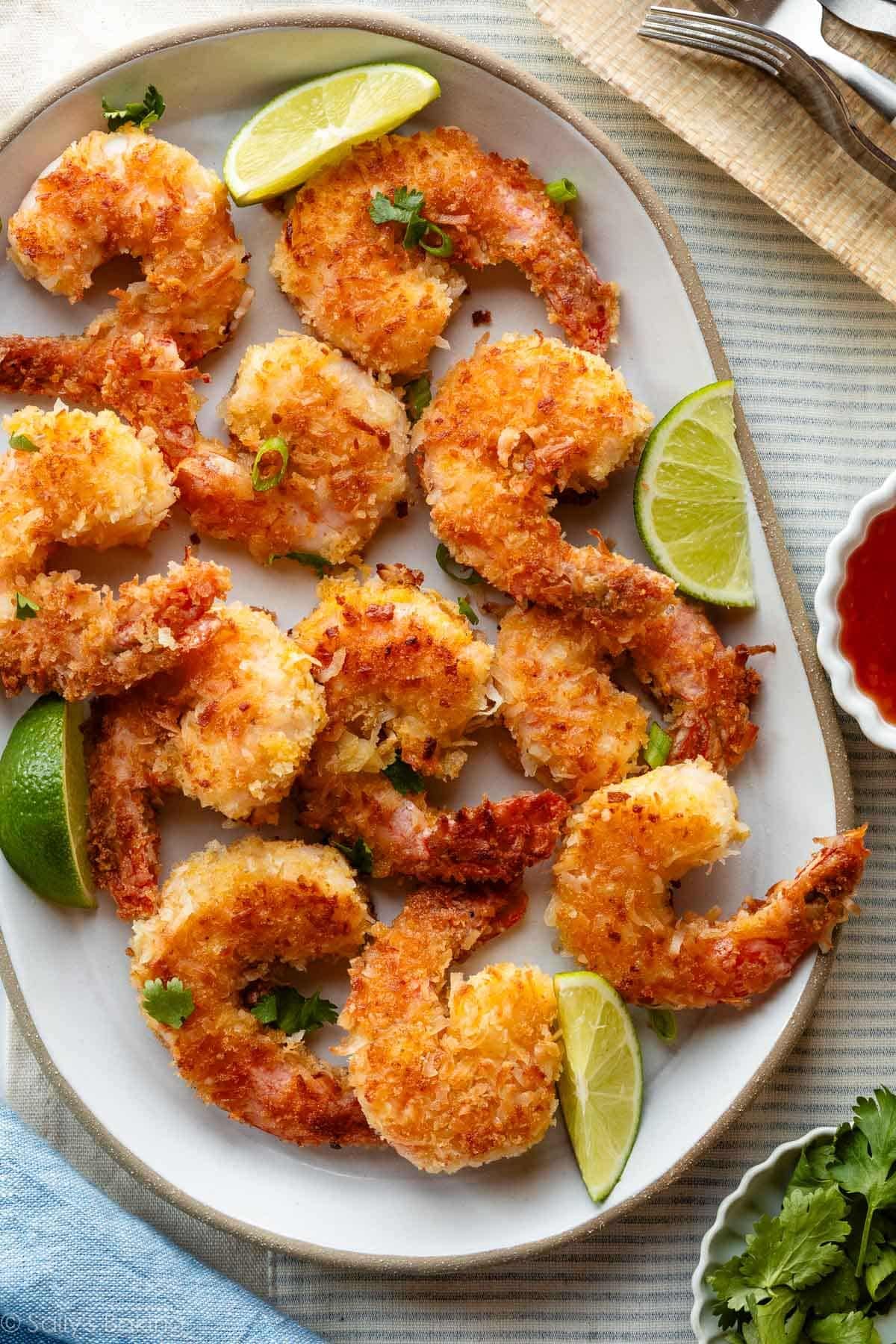
This recipe specifically champions an exceptionally easy, two-ingredient orange chili sauce, which leverages readily available store-bought components to create a sophisticated flavor profile with minimal effort. The combination of Thai chili sauce, known for its vibrant heat, tangy notes, and subtle garlic undertones, with orange preserves, which contribute a fruity sweetness and a subtle citrus zest, creates a dynamic and irresistible dipping experience. The preserves add a depth of flavor and a glossy texture that enhances the sauce’s appeal. This quick concoction embodies the perfect balance of sweet and spicy, providing a flavorful kick that complements the tropical essence of the coconut shrimp without overpowering its delicate flavor. The ease of preparation for this dipping sauce further reinforces the recipe’s overall accessibility, ensuring that home cooks can achieve a gourmet-level accompaniment with minimal effort, even on a busy weeknight. The synergy between the crunchy, juicy shrimp and the bright, piquant sauce is what transforms each bite into an unforgettable culinary moment, solidifying coconut shrimp’s status as a beloved dish and demonstrating how simple additions can significantly elevate a meal.
Practical Considerations for the Modern Home Chef
The demands of the modern kitchen often necessitate flexibility and efficiency, and this coconut shrimp recipe offers several practical advantages for the busy home cook. Addressing common inquiries, the use of frozen raw shrimp is entirely permissible and often a convenient choice, provided they are thoroughly thawed and meticulously patted dry to ensure optimal coating adhesion. It is crucial to distinguish between raw and pre-cooked frozen shrimp; the latter is not recommended for this recipe due to differences in texture and cooking properties that would result in an inferior product.
For those looking to streamline meal preparation, the breading process can be completed a few hours in advance. Once coated, the shrimp can be arranged in a single layer on a baking sheet, covered loosely, and refrigerated until ready for frying, allowing for greater flexibility in timing, particularly useful when entertaining guests. Furthermore, the longevity of this dish extends beyond its initial preparation. Cooked coconut shrimp can be frozen for up to two months without significantly compromising quality. When reheating, it is recommended to do so from frozen in a preheated 350°F (175°C) oven or an air fryer. These methods are preferred as they allow the coating to regain its desired crispness, preventing the undesirable sogginess that can occur with microwave reheating, which tends to steam rather than crisp the exterior.
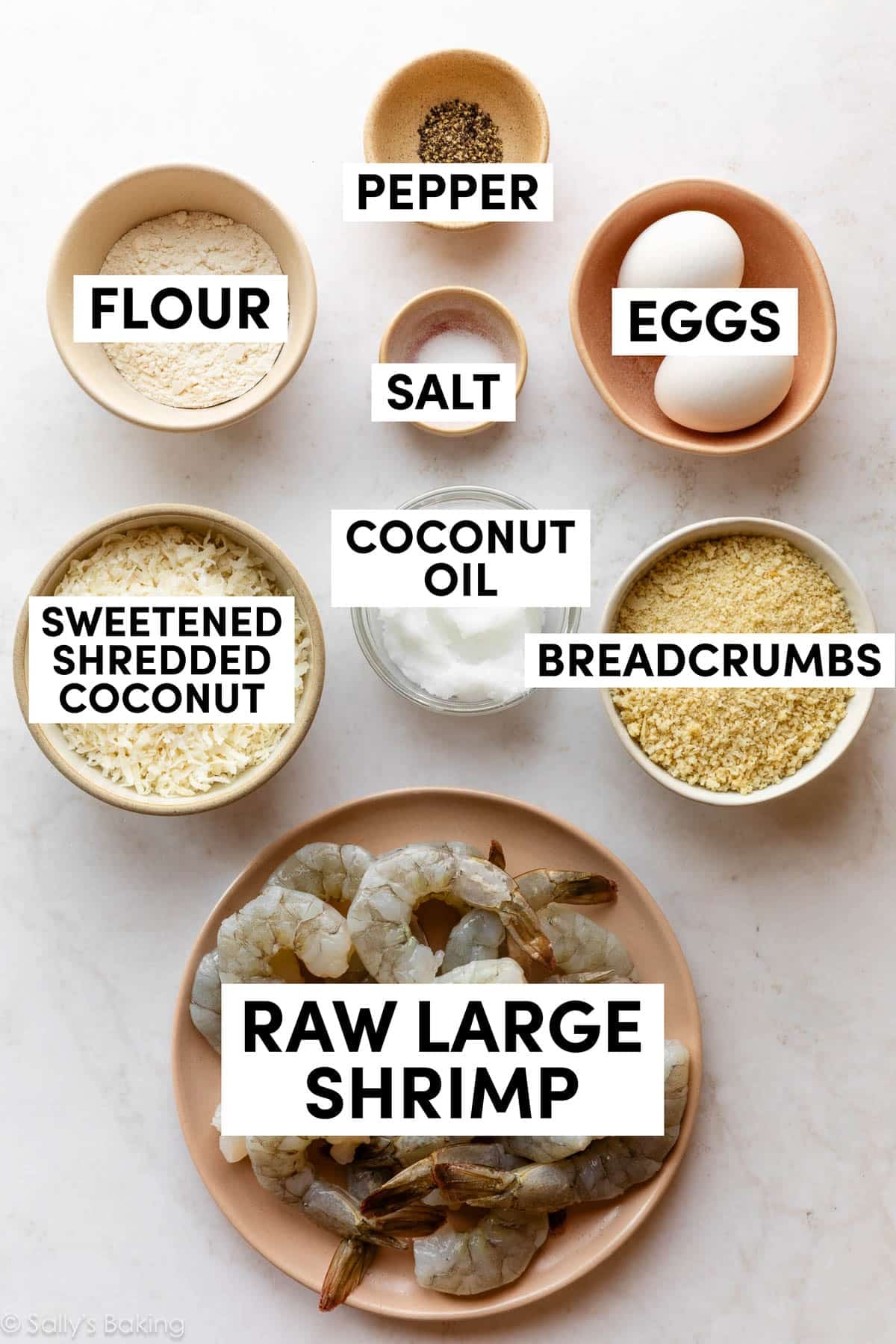
Regarding ingredient substitutions, while unsweetened coconut can technically be used, it will result in a less caramelized and less sweet coating, altering the dish’s signature profile. The sugar in sweetened coconut plays a crucial role in developing that irresistible golden crispness and flavor. Similarly, while regular breadcrumbs can substitute Panko, the distinct flakiness and lower oil absorption of Panko are integral to achieving the superior crisp texture that defines this recipe. Regular breadcrumbs tend to absorb more oil and produce a denser, less airy crust. These practical insights empower home cooks to confidently integrate this delightful dish into their culinary routines, balancing convenience with uncompromising quality and ensuring a consistently delicious outcome.
Broader Culinary Context and Market Trends
The enduring popularity and accessible nature of recipes like homemade coconut shrimp are indicative of broader trends in the culinary landscape. There has been a discernible shift towards home cooking, fueled by a desire for healthier, more customizable meals, and the immense satisfaction derived from creating "restaurant-quality" dishes in one’s own kitchen. This trend is amplified by the proliferation of online food blogs and recipe platforms, which serve as invaluable resources for culinary inspiration and instruction. These platforms democratize gourmet cooking, making sophisticated techniques and international flavors accessible to a wider audience, often accompanied by detailed step-by-step guides and visual aids, much like the updated version of this coconut shrimp recipe. The ability to access and follow expert-tested recipes has empowered a new generation of home cooks to experiment with diverse cuisines.
The demand for quick, yet impressive, appetizers and main courses has also steadily risen, reflecting contemporary lifestyles that often balance busy schedules with a desire for flavorful, wholesome food. Coconut shrimp perfectly fits this niche, offering a relatively quick preparation time—around 30 minutes—without sacrificing taste or presentation. Its appeal as a finger food also aligns with the growing popularity of casual dining and social entertaining at home, where ease of consumption and sharing are key. Furthermore, the combination of sweet and savory elements, often found in various global cuisines, resonates with an increasingly adventurous palate among home cooks, who are eager to explore diverse flavor profiles. This recipe, therefore, is not just a guide to making a delicious dish; it is a microcosm of evolving culinary practices and consumer preferences, demonstrating how traditional restaurant favorites can be successfully translated and embraced within the domestic sphere. The widespread appreciation for such dishes, as evidenced by positive reader feedback and continued engagement, highlights a dynamic and vibrant home cooking culture that values both quality and convenience.
Conclusion: An Invitation to Culinary Exploration
The journey from raw shrimp to a platter of golden, sweet,