
Evolution and Historical Context of Seasonal Baking
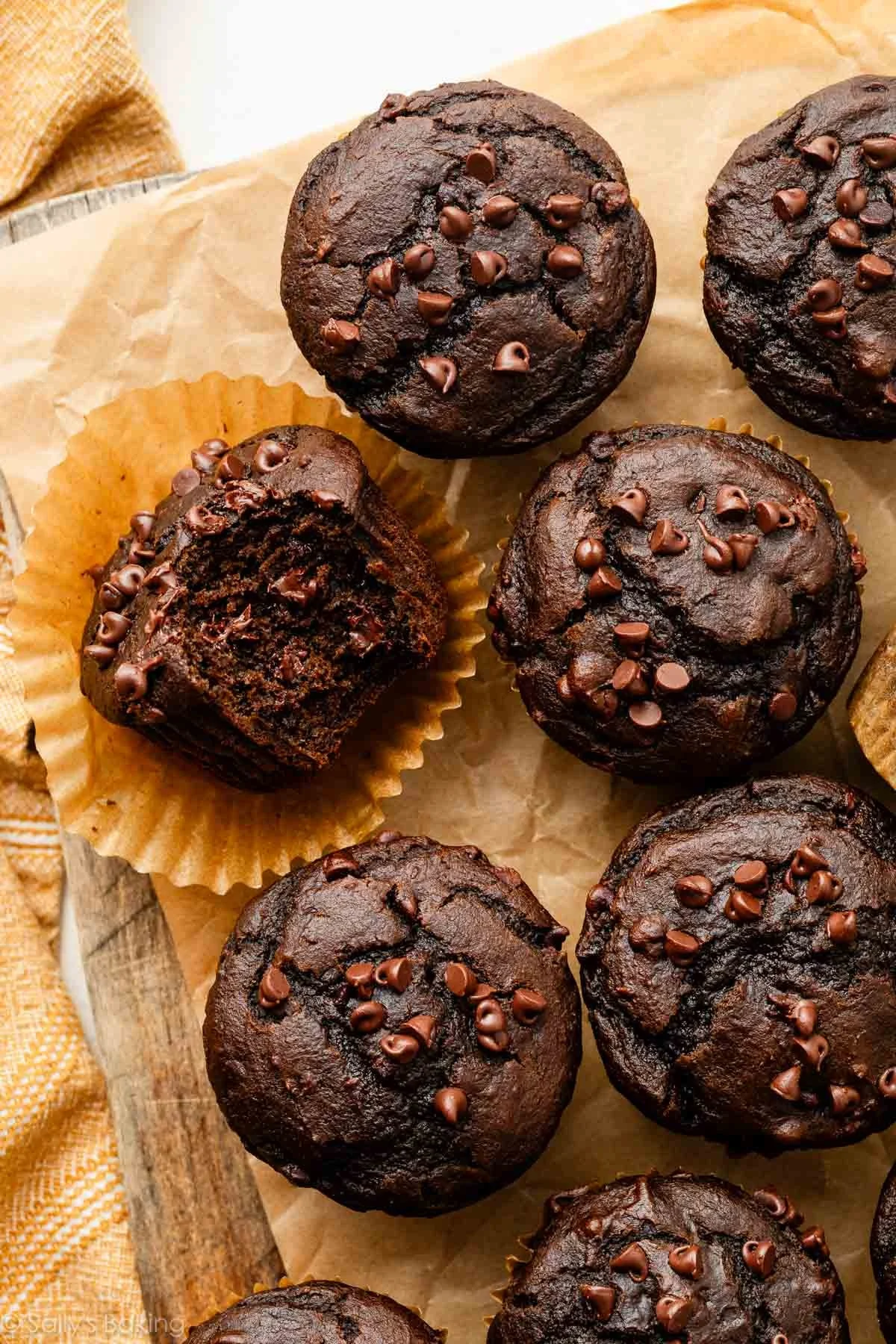
The tradition of combining pumpkin with chocolate is not a recent phenomenon but rather a reflection of shifting consumer trends in home baking. In the early 2010s, the culinary landscape was dominated by the rapid expansion of "pumpkin spice" as a commercial cultural phenomenon. By 2014, the market saw an saturation of singular-flavor profiles, leading bakers to innovate by blending disparate flavor profiles. The development of the Chocolate Pumpkin Muffin served as a strategic response to this saturation, providing a dual-sensory experience.
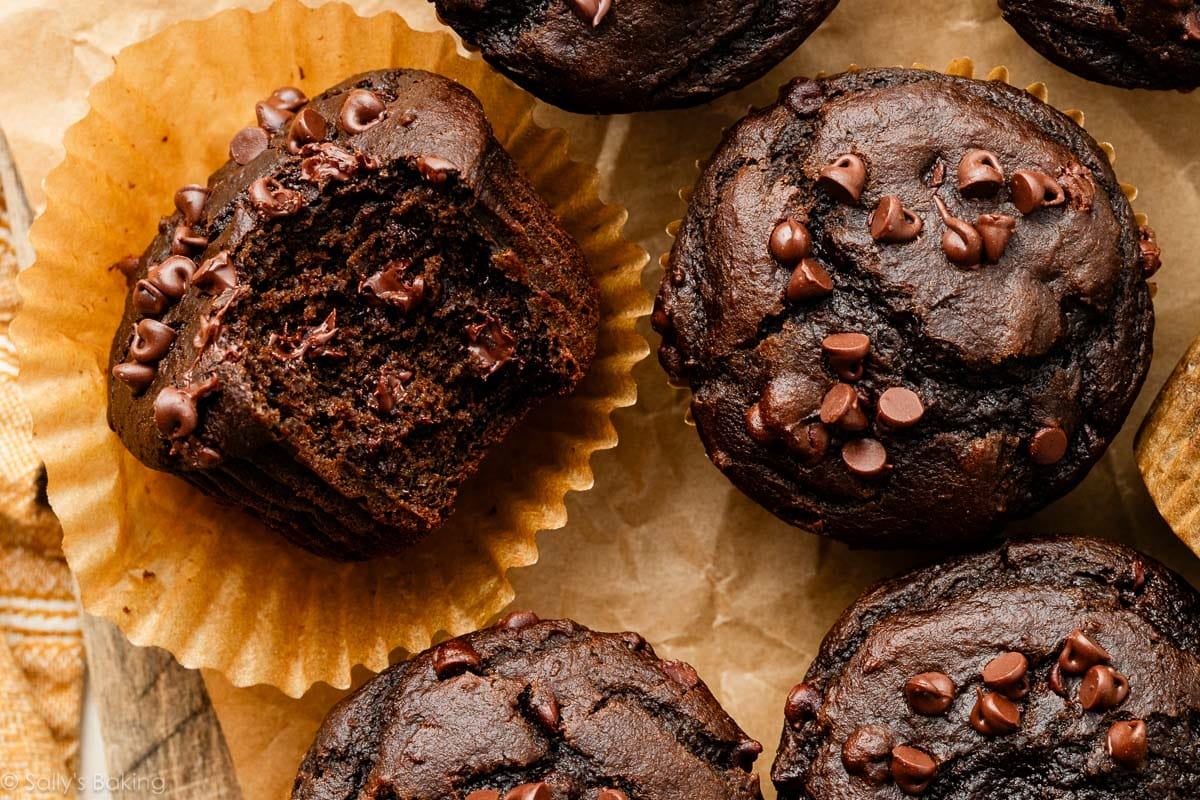
Since the original recipe’s publication, culinary professionals have revisited the formula to optimize texture and flavor depth. The primary modification in the modern iteration involves the incorporation of specific chemistry—specifically the hydration of cocoa solids—to move beyond the simple addition of chocolate chips to a standard batter. This transition from a "pumpkin muffin with chocolate chips" to a "deeply chocolate-infused pumpkin muffin" marks a maturation in home-baking standards, reflecting a broader shift toward complex, multi-layered flavor profiles in domestic kitchens.
The Science of Ingredient Interaction
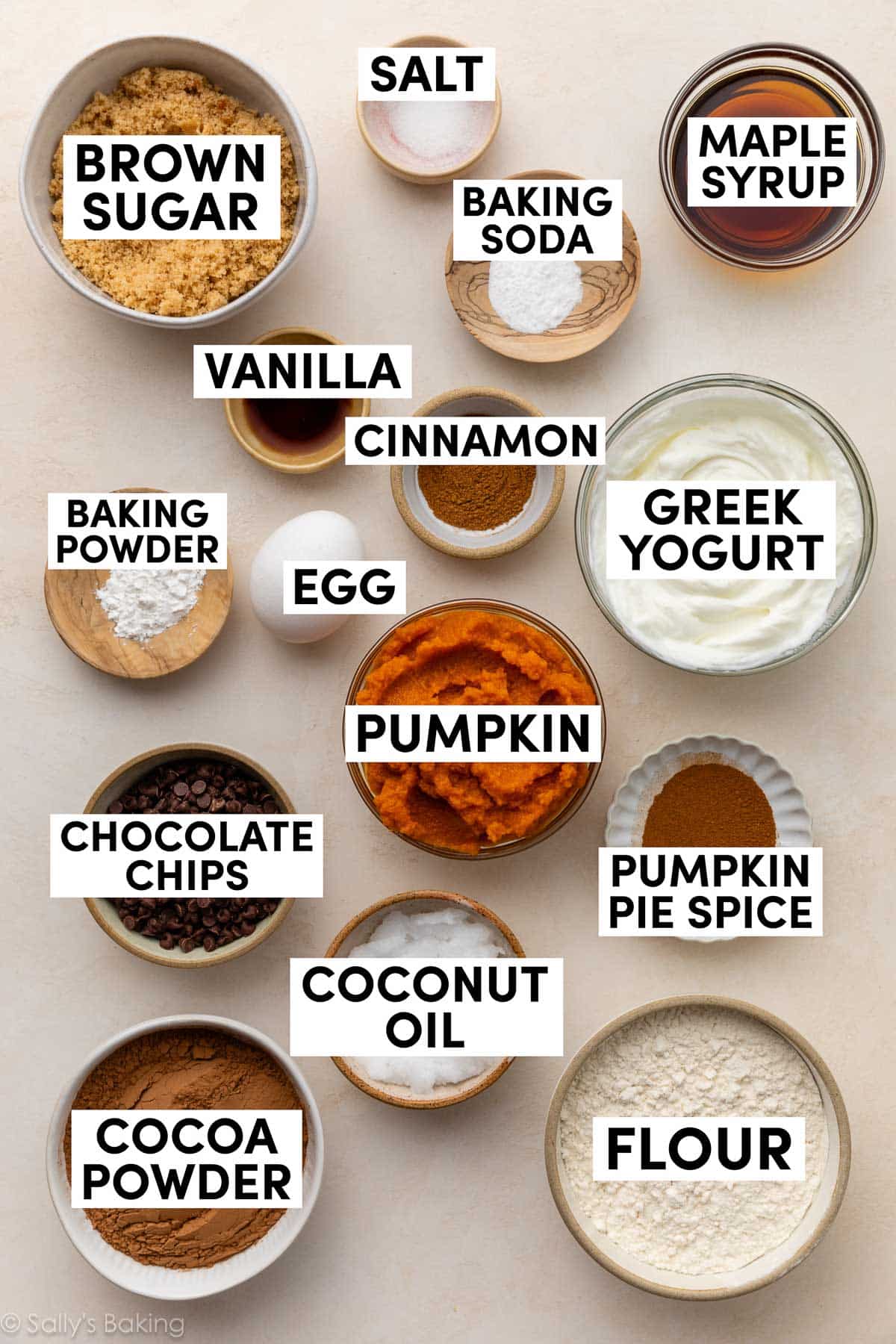
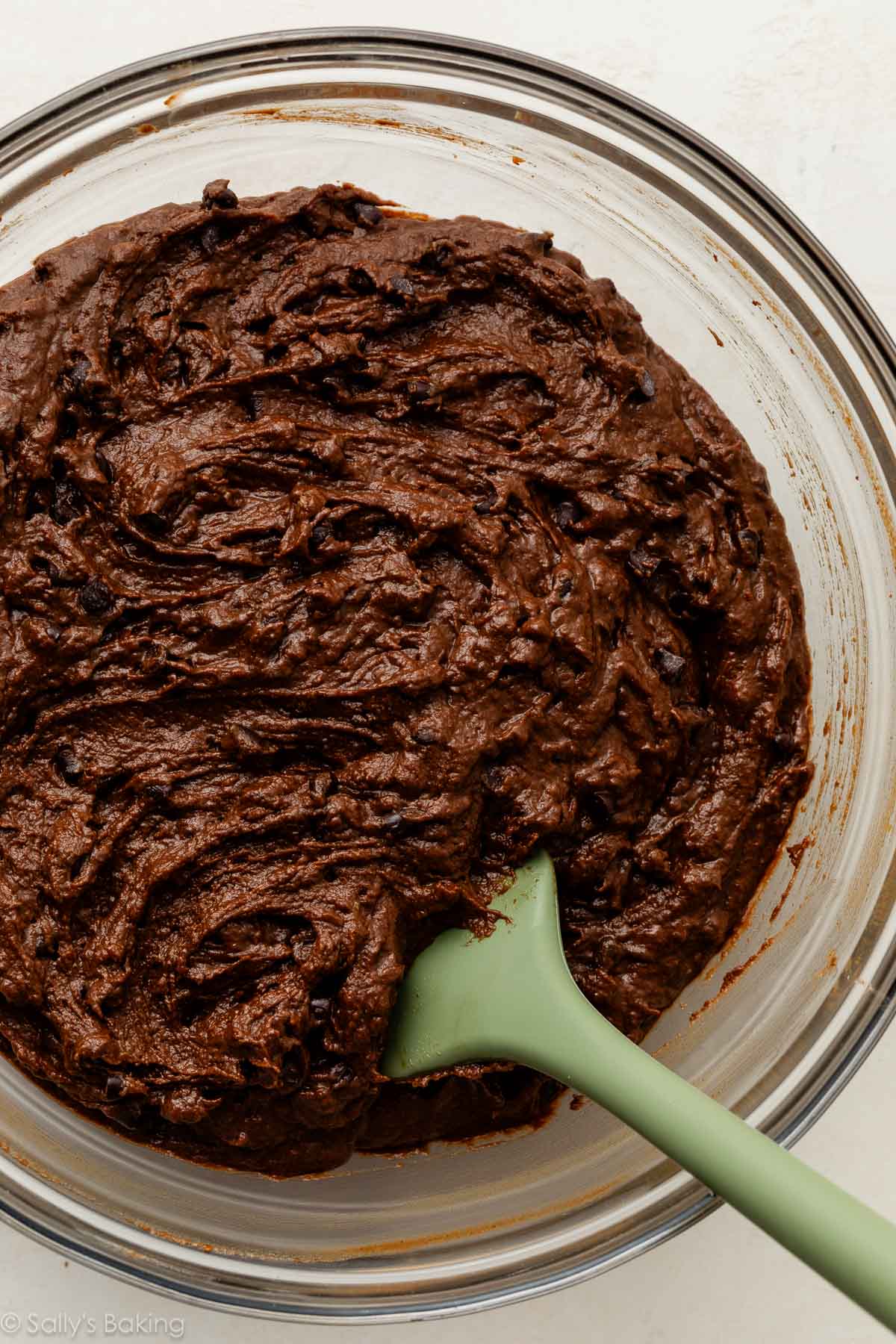
The efficacy of this recipe relies on several key chemical interactions that determine the final quality of the crumb. Central to the process is the "blooming" of cocoa powder. Cocoa contains fat and flavor compounds that are often locked within the powder’s structure. When introduced to warm coconut oil, the cocoa undergoes a physical change that releases these trapped flavor particles, resulting in a more pronounced chocolate intensity. This is a common technique in high-end pastry work, here adapted for home use to ensure that the chocolate does not simply provide color but acts as a primary flavor driver.
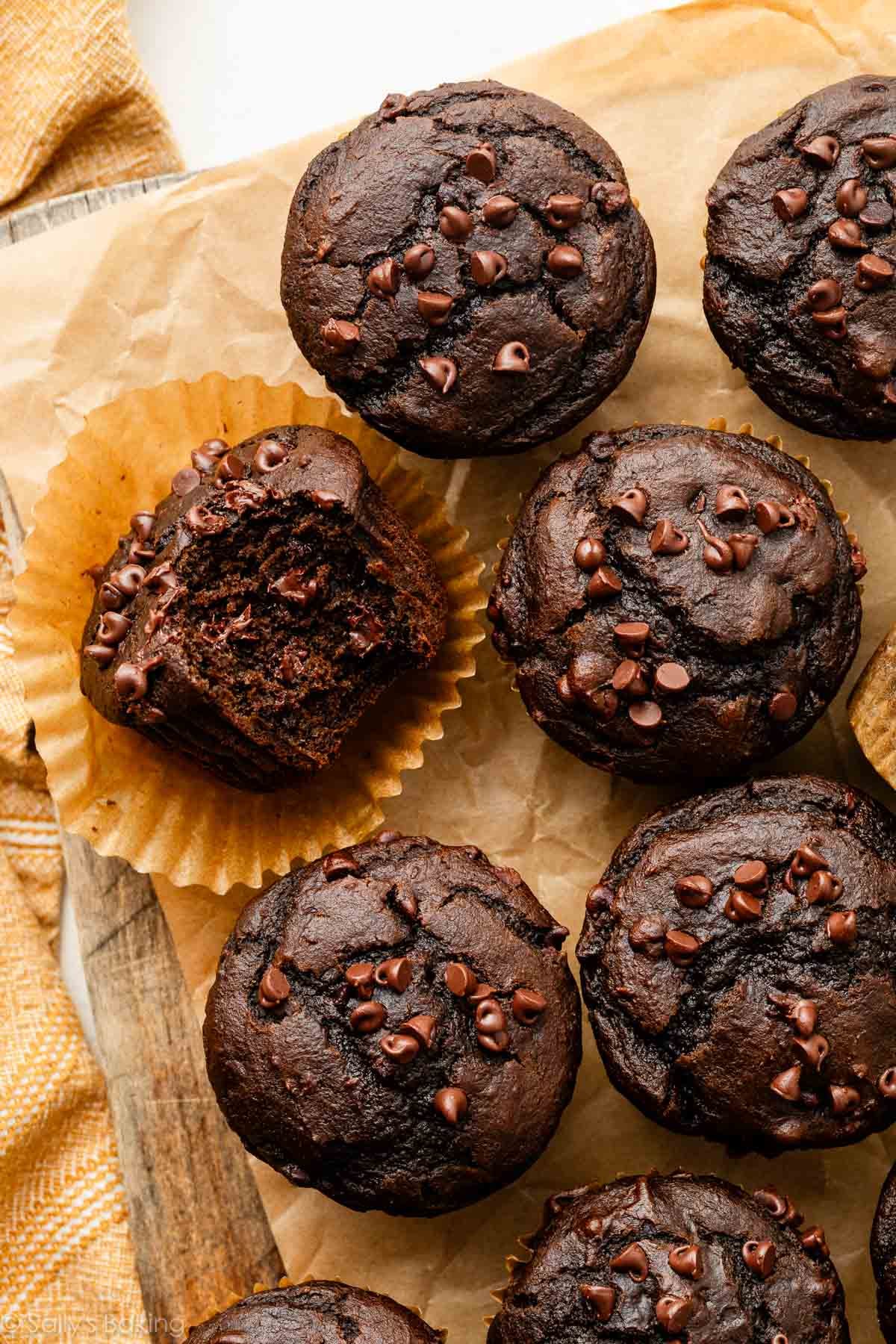
The moisture profile of the muffin is maintained through the inclusion of pumpkin puree and Greek yogurt. Pumpkin puree, primarily composed of water and fiber, provides a dense, soft structure that prevents the drying effect often associated with cocoa-heavy baked goods. Simultaneously, the acidity of the Greek yogurt reacts with baking soda to provide a leavened, airy lift, ensuring that despite the density of the chocolate, the final product remains light and moist. The substitution of traditional fats for melted coconut oil further influences the final texture, providing a clean flavor profile that does not compete with the warm, aromatic notes of the pumpkin spice blend.
Thermal Dynamics and Baking Techniques
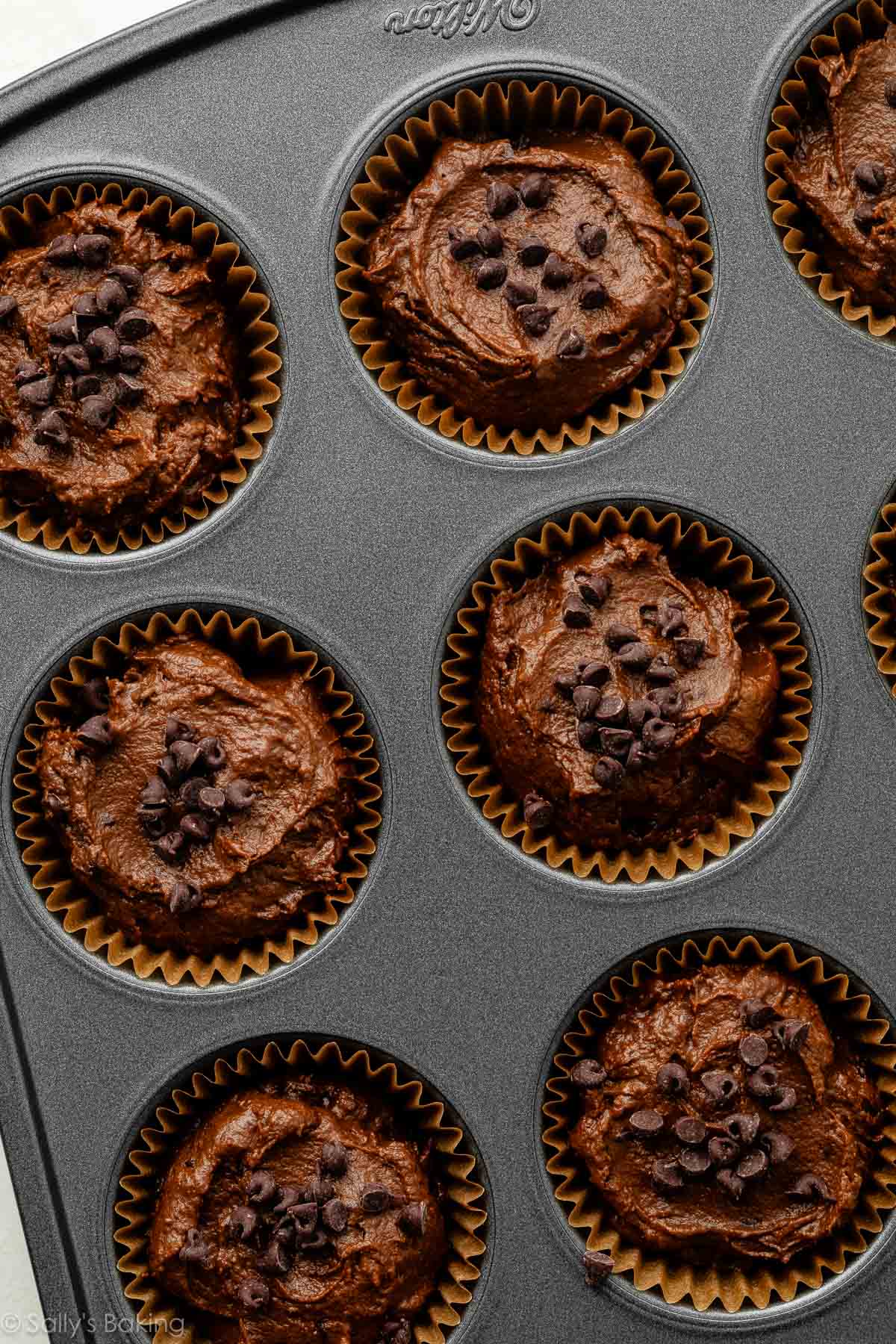
A significant factor in the professional-grade presentation of these muffins is the "dual-temperature baking" method. Industry standards for muffin production often involve a initial high-heat phase, typically around 425°F (218°C). This rapid exposure to heat causes the moisture within the batter to evaporate quickly, creating a steam-driven lift that pushes the batter upward, resulting in the characteristic "bakery-style" domed top.

Following this five-minute initial blast, the oven temperature is reduced to 350°F (177°C). This lower temperature allows the structure of the muffin to set slowly, preventing the exterior from burning or becoming overly crusty while the interior continues to cook. This thermal control is critical in recipes that contain high sugar content, such as those using maple syrup, as it prevents the premature caramelization of sugars that would otherwise lead to a bitter, burnt exterior.
Economic and Consumer Trends
Data from the baking industry suggests that consumer interest in "cozy," nutrient-dense, yet indulgent snacks experiences a predictable, sharp increase during the third and fourth quarters of the year. The surge in searches for pumpkin-related recipes consistently begins in late August and peaks in late October. The inclusion of maple syrup as a sweetener, rather than refined white sugar, aligns with a broader consumer preference for "whole-food" sweeteners, a trend that has seen consistent growth since 2018.
Furthermore, the rise of the "no-mixer" baking movement reflects a consumer demand for efficiency. As modern households prioritize time-saving techniques, recipes that rely on manual, one-bowl preparation methods have gained significant traction. This shift has not negatively impacted quality; rather, it has encouraged a return to fundamental techniques—such as proper whisking and folding—which often yield better results than over-processing batter in a stand mixer.
Nutritional Considerations and Dietary Flexibility
While primarily a dessert, the inclusion of pumpkin provides a modest increase in fiber and vitamin A content compared to traditional all-flour muffins. The shift toward using Greek yogurt instead of sour cream or heavy dairy adds a protein component, which, while minor, contributes to the satiating quality of the snack. For consumers with specific dietary requirements, the recipe’s base structure—flour, pumpkin, and oil—is highly modular. Variations using gluten-free flour blends or plant-based yogurt alternatives have been widely reported by home bakers, suggesting that the core formula is robust enough to accommodate a variety of dietary preferences without requiring significant changes to the hydration levels or baking times.
Broader Implications for Home Baking
The continued relevance of the Chocolate Pumpkin Muffin underscores the public’s enduring interest in "seasonal fusion." By successfully combining two disparate flavor profiles, the recipe provides a blueprint for how home bakers can experiment with more complex flavor pairings. The focus on high-quality ingredients—such as pure cocoa powder and authentic pumpkin spice blends—reflects a move toward "elevated baking," where the process of preparation is treated with the same level of care as the final product.
As the retail baking sector continues to see price fluctuations in raw materials, such as flour and cocoa, the ability to create high-quality bakery items at home remains an economically viable and psychologically rewarding activity. The longevity of this specific recipe, spanning a decade of revisions, highlights its status as a foundational element in the modern repertoire of autumn baking. Whether served as a morning breakfast accompaniment or an evening dessert, the Chocolate Pumpkin Muffin remains a representative example of how simple, accessible ingredients can be transformed through precise, time-tested culinary techniques.
The shift toward these recipes also indicates a departure from overly complicated, professional-grade recipes that require extensive specialized equipment. The modern home baker prioritizes accessibility and reliability, yet refuses to sacrifice the sophisticated flavor profiles found in commercial patisseries. This demand for the intersection of simplicity and quality will likely continue to drive the development of new, refined iterations of seasonal classics for years to come. Through the application of scientific baking principles—such as the thermal control of the oven and the blooming of cocoa solids—the home kitchen is increasingly capable of producing results that mirror the quality of artisanal bakeries, cementing the place of the Chocolate Pumpkin Muffin as a staple of the fall season.