
After a notable hiatus stretching back to 2013, the acclaimed Khymos blog has re-emerged as a pivotal voice in the intersection of food and science, publishing a comprehensive list of recommended books that delve into the scientific underpinnings of culinary arts. The recent update, focusing heavily on titles published in 2020, signifies a renewed commitment to guiding enthusiasts and professionals through the ever-evolving landscape of gastronomic literature. This resurgence of curated recommendations underscores a broader trend in the culinary world: a deepening embrace of scientific principles to enhance understanding, technique, and creative expression in the kitchen.
A Resurgence of Scientific Culinary Exploration
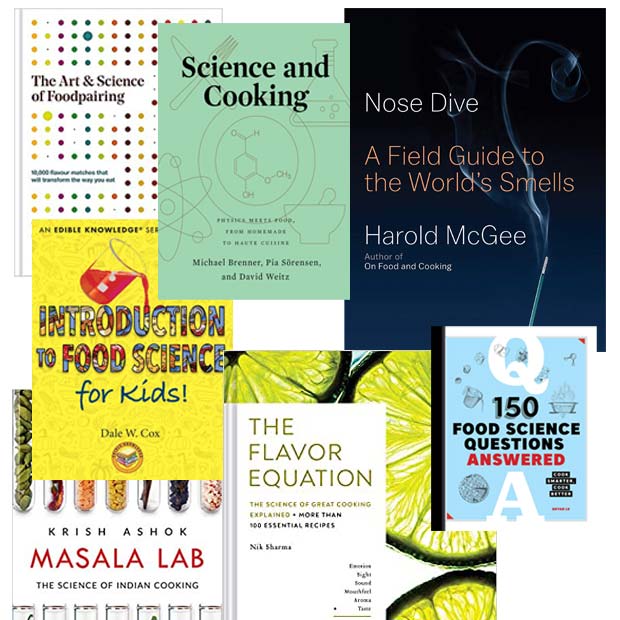
The Khymos blog, historically recognized for its meticulous attention to the scientific dimensions of food, has long served as a resource for those seeking to move beyond mere recipes and understand the ‘why’ behind cooking processes. The seven-year gap in book recommendations, while extensive, has allowed for a significant accumulation of new knowledge and publications in the field. This latest compilation not only catches up on a wealth of information but also signals a vibrant period of innovation and intellectual curiosity within food science. The selections reflect a discerning eye for works that integrate scientific rigor with practical application, catering to a diverse audience from curious home cooks to seasoned chefs and academic researchers. The enduring appeal of such content highlights a sustained public fascination with the scientific alchemy that transforms raw ingredients into delectable dishes.
Deep Dive into 2020’s Essential Reads
The year 2020 proved to be a fertile ground for significant contributions to culinary science literature, with several titles earning high praise for their innovative approaches and accessible explanations. The Khymos blog spotlighted a collection of books that collectively represent the breadth and depth of contemporary food science discourse.
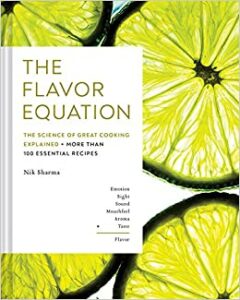
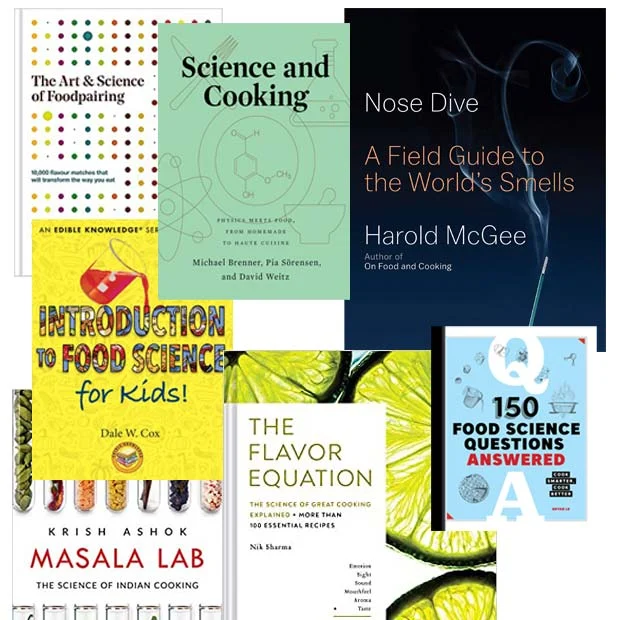
One standout recommendation is "The Flavor Equation" by Nik Sharma. Spanning 352 pages, this 2020 publication uniquely integrates scientific insights directly into its approximately 100 recipes. Sharma’s innovative "Flavor Approach" sections within each recipe provide concise, actionable scientific hints, demystifying complex flavor interactions for the home cook. The book dedicates a substantial third of its content to exploring flavor from myriad perspectives, making scientific concepts remarkably accessible. Its commitment to metric units is an added bonus, catering to a global audience and scientific precision. Sharma, known for his distinctive food photography and unique blend of Indian heritage and Californian culinary sensibilities, brings a fresh and practical perspective to flavor science, moving beyond traditional ingredient lists to explain how and why flavors work. This approach empowers cooks to develop a deeper intuition for ingredient combinations and cooking methods.
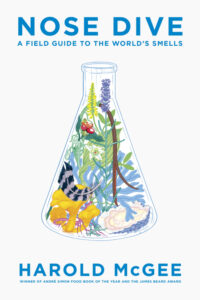
Another monumental work highlighted is "Nose Dive: A Field Guide to the World’s Smells" by Harold McGee. Clocking in at 688 pages, McGee’s 2020 release builds upon his legendary status established by "On Food and Cooking: The Science and Lore of the Kitchen," a seminal text that ignited interest in scientific cooking for countless individuals, including the Khymos blogger. "Nose Dive" dedicates itself entirely to the intricate world of olfaction, extending beyond food to encompass the entire sensory universe. While it meticulously names volatile molecules, the narrative remains engaging and non-intimidating, designed to appeal to anyone with a keen interest in sensory perception. McGee’s profound ability to translate complex chemical processes into understandable and captivating prose ensures that the scientific aspects enhance rather than detract from the reading experience. The book’s exploration of the molecular basis of smell offers profound implications for chefs and food developers, enabling more informed ingredient pairings and flavor construction. The observation about different covers in the UK and US editions subtly hints at the book’s broad international appeal and distribution.
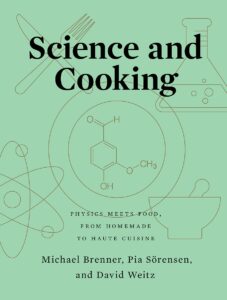
The list also features "Science and Cooking: Physics Meets Food, From Homemade to Haute Cuisine" by Michael Brenner, Pia Sørensen, and David Weitz. This 320-page volume, published in 2020, is a direct outgrowth of the highly successful "Science and Cooking" course launched ten years prior at Harvard University. The course itself has gained global recognition, with many of its lectures freely available on YouTube, featuring an impressive roster of celebrated chefs, scientists, and authors. The book, much like the course, expertly integrates principles from applied mathematics, chemistry, and physics with culinary topics, often pairing scientific explanations with practical recipes. The authors’ diverse scientific backgrounds provide a robust framework for understanding everything from emulsion stability to heat transfer in cooking. The inclusion of metric units further aligns with scientific standards and global usability. This book serves as a testament to the institutionalization of food science education and its growing acceptance in mainstream academia.
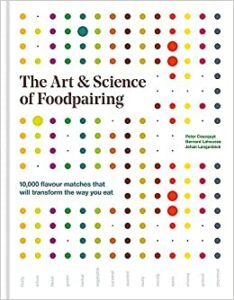
"The Art and Science of Foodpairing" by Peter Coucquyt, Bernard Lahousse, and Johan Langenbick is another significant 2020 addition, spanning 388 pages. This book emerges from the extensive work of the Foodpairing company, a pioneer in using data analytics and aroma profiles to identify novel ingredient combinations. The Khymos blog has a historical connection to this concept, having previously featured an interview with Bernard Lahousse and reports from The Flemish Primitives conferences, where foodpairing concepts were often discussed. While the scientific validity of flavor pairing has faced scrutiny and remains a subject of debate, the book demonstrates how scientific analysis can inspire new culinary creativity. By bridging objective data with subjective artistic interpretation, it offers a framework for innovation that transcends traditional culinary boundaries. It highlights the evolving role of technology and data science in influencing culinary trends and practices.
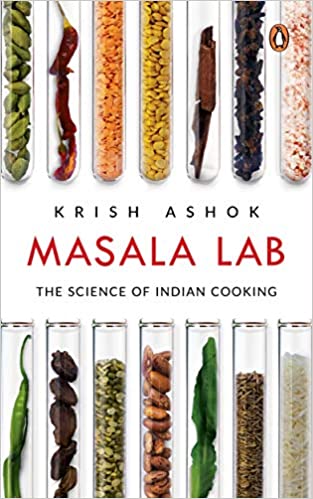
A particularly exciting development noted is "Masala Lab" by Krish Ashok, a 280-page 2020 publication. The blog expresses delight at seeing regional cuisines, specifically Indian, receiving a rigorous scientific treatment. Krish Ashok, an electronic/software engineer, applies an analytical and curious mind to the complexities of Indian cooking. This book represents a crucial expansion of the food science genre beyond Western culinary traditions, offering insights into the chemistry and physics behind spices, fermentation, and traditional Indian techniques. The author’s background allows for a unique blend of technical precision and cultural appreciation. The eagerness to acquire this book, despite its limited availability (primarily Amazon India), underscores the growing global appetite for scientifically informed approaches to diverse culinary heritages. "Masala Lab" is a vital step towards a more inclusive and global understanding of culinary science.
"150 Food Science Questions Answered: Cook Smarter, Cook Better" by Bryan Le, a 198-page book from 2020, is recommended for those new to applying a scientific mindset in the kitchen. Structured as a Q&A, it covers cooking basics, flavor fundamentals, ingredient categories, and essential food safety and storage. Its accessible format makes it an ideal reference tool for quick look-ups and general browsing, promising to pique the interest of anyone seeking practical scientific explanations for everyday cooking phenomena. Le’s work exemplifies the trend of democratizing food science, making it digestible and immediately useful for the average home cook.
Finally, "Introduction to Food Science for Kids!: A Kitchen-Based Workbook" by Dale W Cox, a concise 112-page workbook published in 2020, is hailed for its direct approach. The title itself articulates its purpose: to introduce children to fundamental chemical and physical concepts through kitchen-based experiments. This book underscores the growing recognition of the kitchen as an invaluable, hands-on laboratory for early STEM education, fostering curiosity and scientific literacy from a young age. It represents a vital initiative in cultivating the next generation of scientifically informed eaters and innovators.
Reflecting on Influential Works from 2014-2019
While the original post only vaguely references "highlights from 2014-2019," the spirit of Khymos’s recommendations implies a continued appreciation for works that bridged the gap between empirical cooking and scientific understanding. This period witnessed a continued flourishing of literature that built upon the foundations laid by pioneers like Harold McGee and Hervé This. Influential works from this timeframe that would undoubtedly align with the blog’s ethos include:
- "Salt, Fat, Acid, Heat: Mastering the Elements of Good Cooking" by Samin Nosrat (2017): While not strictly a science book, Nosrat’s approach breaks down cooking into fundamental elements, offering a deeply intuitive and practical understanding that resonates with scientific principles. Her clear explanations of how these elements interact in dishes provide a foundational understanding for any aspiring food scientist.
- "The Food Lab: Better Home Cooking Through Science" by J. Kenji López-Alt (2015): A behemoth of a book, López-Alt’s work is a testament to rigorous experimentation in the home kitchen. He systematically tests common cooking assumptions, providing scientific explanations and optimal techniques for a vast array of dishes, making complex science profoundly practical and accessible.
- "Modernist Cuisine at Home" by Nathan Myhrvold, Maxime Bilet, and Francisco Migoya (2012, though its influence spans this period): While the original "Modernist Cuisine" was monumental, the "at Home" version brought the cutting-edge techniques and scientific understanding of its predecessor to a more approachable scale for home cooks. Its detailed explanations and stunning photography made advanced culinary science tangible.
- "Gastrophysics: The New Science of Eating" by Charles Spence (2017): Spence, an experimental psychologist, explores the multi-sensory experience of eating, delving into how sight, sound, and touch, alongside taste and smell, influence our perception of food. This book pushes the boundaries of food science into the realm of cognitive psychology, offering profound insights into consumer behavior and culinary design.
- "Cook’s Science: How to Think Like a Chef, Have More Fun in the Kitchen, and Cook Better Food" by Cook’s Illustrated (2016): This title from the trusted America’s Test Kitchen brand exemplifies the practical application of scientific inquiry. It combines rigorous testing with clear explanations of why certain techniques work, empowering home cooks with a deeper understanding and better results.
These books, among others, collectively contributed to a sustained momentum in popularizing food science, making it an indispensable part of modern culinary education and practice.
The Expanding Landscape of Culinary Science Education
The books recommended by Khymos, particularly those from 2020, reflect a significant expansion in how culinary science is disseminated and consumed. The Harvard "Science and Cooking" course, a prime example, has leveraged digital platforms like YouTube to reach millions globally, transcending geographical and financial barriers to education. This trend is further amplified by authors like Nik Sharma and Krish Ashok, who integrate scientific explanations into practical recipe formats, making the learning process seamless and enjoyable. The availability of books tailored for children, such as "Introduction to Food Science for Kids!", signifies a concerted effort to introduce scientific literacy at an earlier age, using the engaging and familiar context of the kitchen. This educational outreach is crucial for fostering a generation that is not only skilled in cooking but also understands the underlying principles, leading to more informed food choices and culinary innovation.
Implications for the Modern Kitchen and Beyond
The renewed focus on scientific culinary literature by Khymos blog has several far-reaching implications. Firstly, it reaffirms the enduring value of understanding the science behind food preparation. For home cooks, this means moving beyond rote memorization of recipes to a more intuitive and adaptable approach, capable of troubleshooting and innovating. For professional chefs, it translates into a deeper mastery of ingredients and techniques, enabling the creation of novel dishes and a more consistent output.
Secondly, the inclusion of titles like "Masala Lab" underscores a critical diversification of food science. For too long, the scientific exploration of cuisine has been largely dominated by Western perspectives. The scientific treatment of regional cuisines validates traditional knowledge systems and opens new avenues for research and appreciation, enriching the global culinary dialogue.
Finally, the emphasis on accessibility, from integrated scientific hints in recipes to Q&A formats and children’s workbooks, highlights a successful effort to democratize food science. It’s no longer an esoteric field reserved for specialists but a vibrant area of inquiry that can engage anyone with an interest in food. This intellectual curiosity, fueled by accessible literature, promises to continue shaping culinary trends, driving innovation in food product development, and promoting a more nuanced understanding of nutrition and sustainability. The Khymos blog’s return to book recommendations is not just an update; it’s a reaffirmation of the vital, dynamic relationship between science and the art of cooking.