
The Evolution of Morning Nutrition
The modern morning routine is characterized by a "time-poverty" phenomenon, a term coined by sociologists to describe the subjective feeling of having insufficient time to complete necessary tasks. According to data from the Bureau of Labor Statistics, the average time allocated to food preparation and cleanup has been steadily declining among working professionals over the last decade. Consequently, breakfast—historically considered the most important meal of the day—is the first to be compromised.
Market research from food industry analysts indicates that the convenience food sector has responded to this shift with a surge in pre-packaged breakfast items. However, many of these products are criticized for high sodium content, refined carbohydrates, and excessive preservatives. The transition toward homemade, freezer-friendly breakfast wraps represents a consumer-led movement to reclaim control over ingredient quality while maintaining the speed of a drive-thru experience.
Technical Methodology of Sheet Pan Cooking
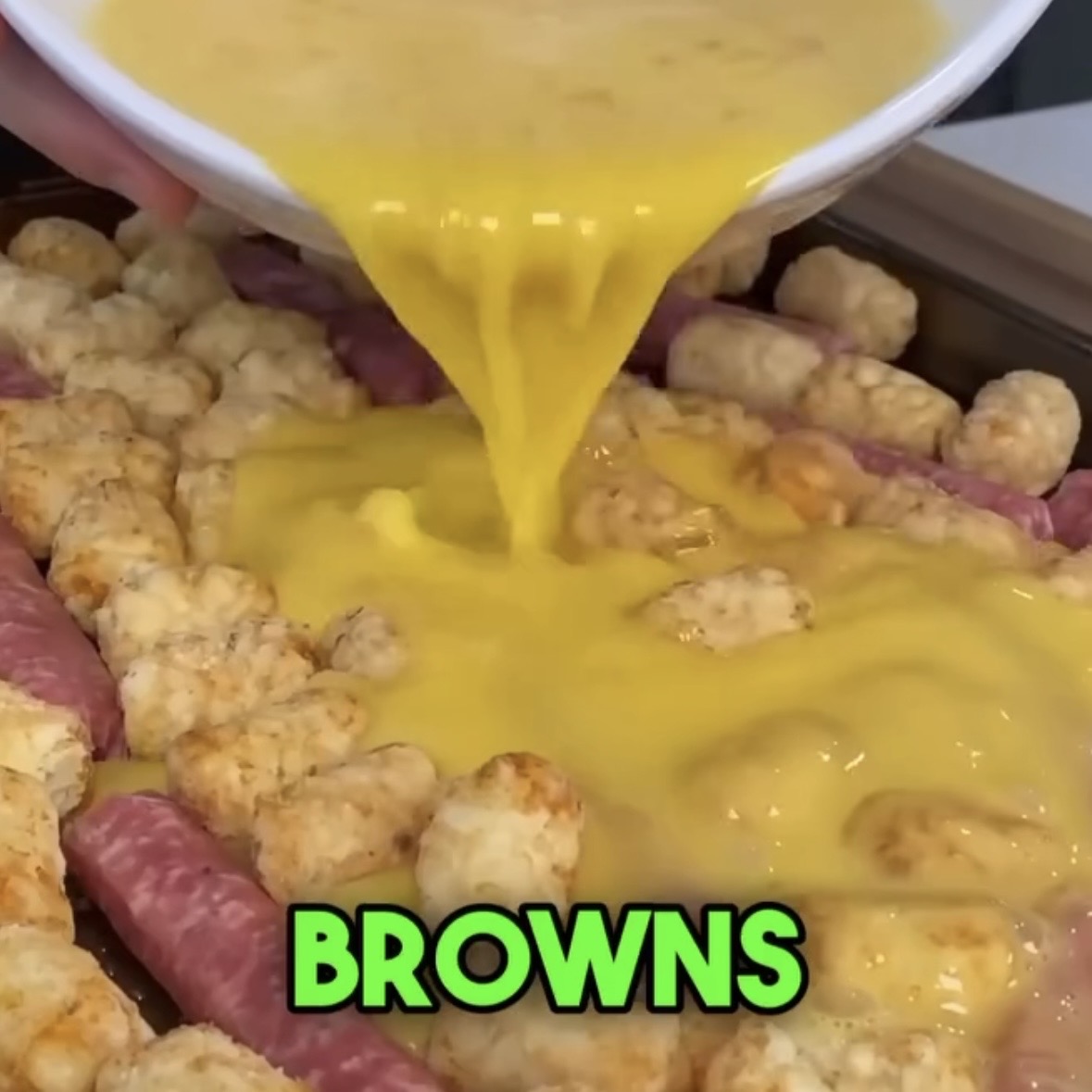
The core of this culinary shift lies in the adoption of sheet pan preparation. By utilizing a single high-walled baking tray, cooks can execute the simultaneous thermal processing of proteins, such as eggs and breakfast meats, alongside starches like potato-based tater tots.
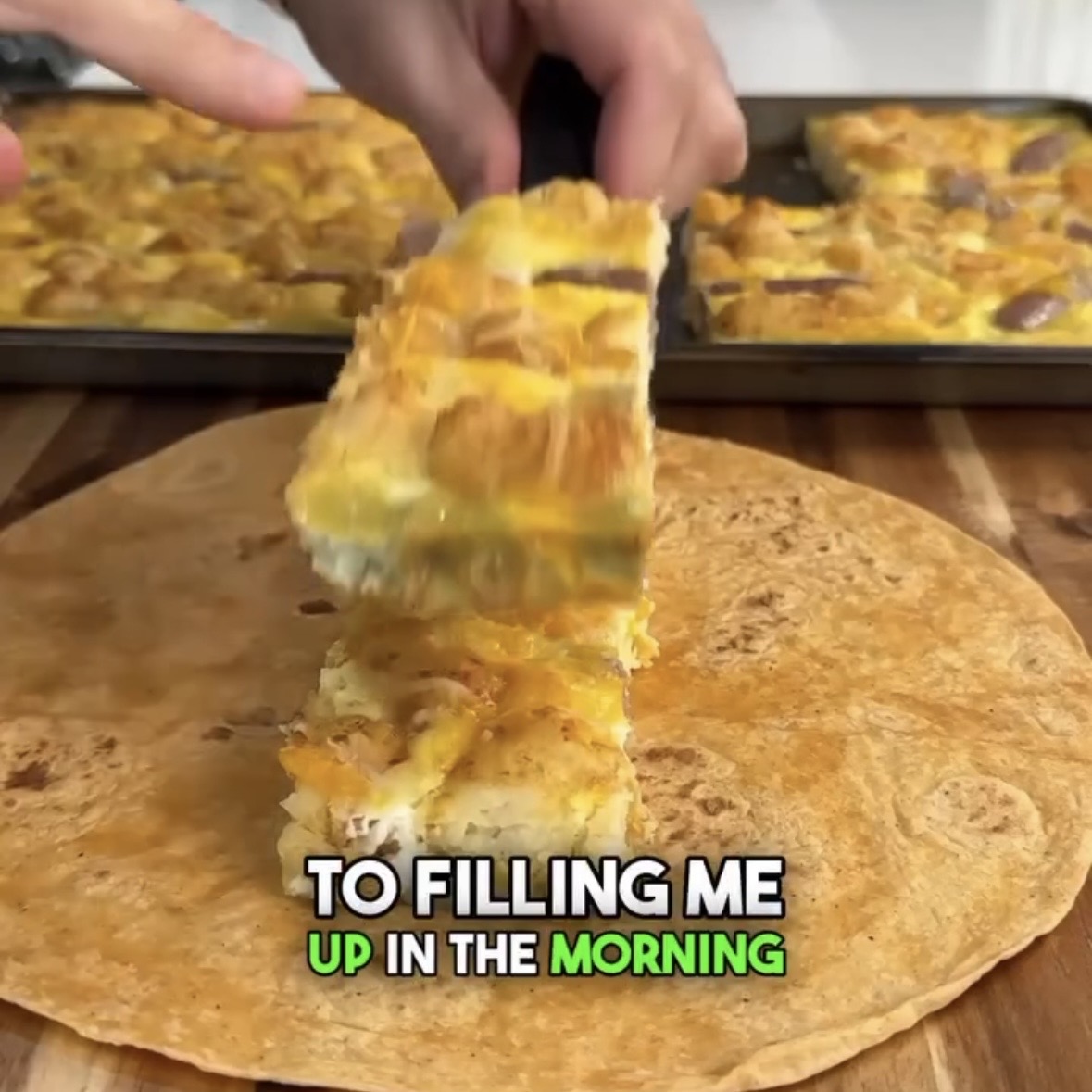
Technically, the process involves preheating an oven to 400°F (200°C). The primary advantage is the reduction of "active" cooking time; rather than monitoring multiple pans on a stovetop, the cook utilizes the oven’s ambient heat to achieve consistent results. Scientific studies on convective heat transfer demonstrate that sheet pan roasting provides a more uniform Maillard reaction—the chemical process that creates flavor and color in food—across disparate ingredients when properly spaced. This method not only optimizes time but also simplifies post-preparation sanitation, a significant factor for individuals managing busy weekly schedules.
Chronology and Implementation
The implementation of a successful freezer-friendly meal prep cycle follows a structured timeline designed to maximize shelf life and safety.
- Preparation Phase (Sunday Evening): This involves the mise en place of ingredients. Eggs are whisked and seasoned, proteins are pre-cooked or prepared for the oven, and starches are portioned.
- Thermal Processing Phase: Ingredients are placed on the sheet pan according to their required cooking times to ensure that eggs are fully set without overcooking the accompanying meats or vegetables.
- Assembly Phase: Once the components have reached an internal temperature of at least 165°F (74°C) for safety, they are portioned into flour or whole-grain tortillas. The wraps are then tightly sealed to prevent freezer burn.
- Preservation Phase: The wraps are blast-chilled or cooled at room temperature before being moved to the freezer. This prevents condensation, which can lead to soggy textures upon reheating.
Supporting Nutritional and Economic Data
From a nutritional standpoint, the transition to home-prepped wraps allows for precise macronutrient control. A typical commercial breakfast sandwich may contain upwards of 1,000 milligrams of sodium and high levels of saturated fats. Conversely, a home-prepared wrap utilizing lean proteins and controlled portions of cheese can offer a balanced profile of 20–30 grams of protein and complex carbohydrates, which are proven to stabilize blood glucose levels throughout the morning.
Economically, the cost-per-serving of a sheet pan breakfast wrap is estimated to be approximately 60% lower than comparable items purchased at commercial fast-food establishments. When projected over a calendar year, the savings represent a significant budgetary reallocation for the average household. Furthermore, the reduction in single-use packaging associated with commercial breakfast items contributes to a lower environmental footprint, aligning with broader consumer trends toward sustainability.

Official Perspectives on Meal Prep
Dietitians and nutritionists have increasingly endorsed the practice of "batching" as a form of "nutritional defense." By removing the decision-making process from the morning hours, individuals reduce the likelihood of "decision fatigue," a cognitive state that often leads to impulsive, poor dietary choices.
According to organizational experts, tools such as digital meal planners have seen a 25% increase in user adoption since 2022. These platforms provide the logistical framework—shopping lists, portion calculations, and inventory tracking—necessary to sustain long-term meal prep habits. The success of the sheet pan wrap is rooted in its simplicity, which lowers the barrier to entry for novice cooks and encourages adherence to healthier eating patterns.
Broader Implications for Public Health
The movement toward home-prepped, freezer-ready meals is more than a trend; it is a systemic response to the erosion of traditional home cooking in favor of ultra-processed convenience. Public health initiatives in various jurisdictions have begun highlighting the link between home-cooked meals and reduced incidences of diet-related chronic conditions, such as Type 2 diabetes and cardiovascular disease.
By providing a template that is both modular and scalable, the sheet pan wrap serves as an entry point for individuals who may feel overwhelmed by more complex culinary requirements. The ability to customize these wraps—incorporating local vegetables, varying protein sources, or adjusting for dietary restrictions like gluten-free or vegetarian diets—underscores the versatility of the method.
Future Outlook
As the industry continues to evolve, the focus on "reheatable" technology will likely expand. Innovations in food-safe, microwave-friendly wrapping materials and the development of recipes that maintain texture upon defrosting are at the forefront of this niche. For the average professional, the goal remains the same: reclaiming the morning.
By moving away from the reactive nature of purchasing meals on the go and toward the proactive nature of the sheet pan method, consumers are effectively automating their nutritional intake. This shift, supported by data on cost savings, health outcomes, and time efficiency, suggests that the breakfast wrap is not merely a transient food trend, but a foundational component of a modern, organized lifestyle. As research continues to validate the benefits of planned nutrition, the role of such efficient preparation methods will likely become an integral part of public health discourse, emphasizing that high-quality nutrition does not have to come at the expense of time.