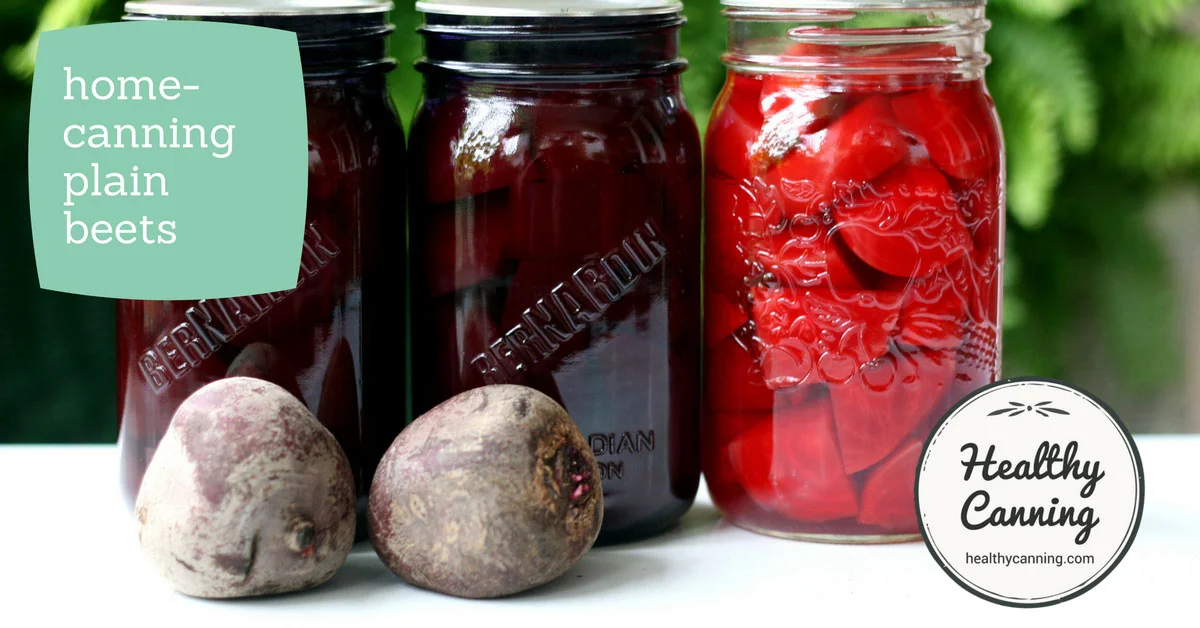

The preservation of seasonal produce has long been a cornerstone of domestic self-sufficiency, offering a tangible connection to agriculture through the winter months. Among root vegetables, the beetroot stands out for its earthy sweetness, vibrant color, and nutritional density. Pulling a jar of home-canned plain beets from the pantry on a brisk winter evening provides a quick, nutrient-rich side dish that requires minimal preparation—whether simply warmed with a dollop of sour cream and fresh dill, or quickly roasted in olive oil or duck fat. However, while the culinary rewards of home-canned beets are well-documented, preserving low-acid vegetables demands rigorous adherence to food safety science. To ensure a safe, high-quality product, home canners must strictly follow established guidelines from the United States Department of Agriculture (USDA), utilizing pressure canning exclusively.
Understanding Food Safety and the Non-Negotiable Need for Pressure Canning
Food preservation safety is rooted in controlling biological hazards, most notably Clostridium botulinum, a bacterium that thrives in low-acid, oxygen-free environments like sealed jars. Beets are classified as a low-acid vegetable, meaning their natural pH levels are not high enough to inhibit the growth of botulinum spores on their own. Consequently, the USDA and the National Center for Home Food Preservation (NCHFP) state unequivocally that plain beets must be processed using a pressure canner capable of reaching internal temperatures of 240°F (115°C) or higher.

Historical data underscores the critical nature of this requirement. Between 1990 and 2012, at least ten documented cases of botulism poisoning occurred in the United States alone due to individuals attempting to preserve plain beets via the boiling-water bath method rather than pressure canning. Water-bath canning only reaches temperatures of 212°F (100°C), which is insufficient to destroy botulinum spores. Food safety experts emphasize that water-bath processing of plain beets carries a historical documentation trail of illness as old as home canning itself.
It is also vital to distinguish between preparing the root vegetable and its foliage. While beet greens (tops) can be preserved at home, they must be processed separately following distinct guidelines designed for leafy greens, such as those established for spinach and chard. Furthermore, home canners must never rely on acidification methods—such as adding a small amount of vinegar to a water bath—to render plain beets safe for non-pressure processing. Although some historical literature from the mid-20th century, notably during World War II metal rations, erroneously suggested acidifying beets for boiling-water canning to preserve their color, modern food science has thoroughly discredited this practice as dangerous and inadequate for neutralizing botulism risks.
Essential Equipment, Quantities, and Preparation Metrics
Successful pressure canning relies on precise measurements, proper equipment calibration, and careful raw material selection. When sourcing produce, home canners should anticipate needing approximately 1.25 kilograms (about 3 pounds) of raw beets to yield a single 1-litre (US quart) jar of finished product. As a general baseline, roughly 10 medium-sized raw beets, measuring about 9 centimeters (3 inches) in diameter with skins intact, weigh approximately 2 kilograms (4.5 pounds).
Jars may be prepared in either half-litre (1 US pint) or 1-litre (1 US quart) sizes, maintaining a strict 3-centimeter (1-inch) headspace. The processing method requires a pressure canner operating at either 10 pounds of pressure for a weighted-gauge system, or 11 pounds of pressure for a dial-gauge system. Crucially, canners residing at elevations above 300 meters (1,000 feet) must adjust their processing pressure upward—increasing to 15 lbs for weighted gauges or adjusting dial gauges according to official altitude specification charts—to compensate for lower atmospheric pressure.
Processing times vary by jar size. Half-litre (pint) jars require a processing time of 30 minutes, while 1-litre (quart) jars require 35 minutes. Salt may be added to the jars for seasoning purposes only, typically at a rate of one-half teaspoon per pint or one teaspoon per quart, but food safety authorities emphasize that salt plays no role in preservation safety.
Step-by-Step Processing and Pre-Cooking Protocols
The USDA-approved procedure mandates that beets must be thoroughly washed, peeled, and pre-cooked before they are placed into canning jars. Leaving approximately 2.5 to 5 centimeters (1 to 2 inches) of the taproot and stem attached during the initial boiling or steaming phase is a traditional technique intended to minimize color bleeding, though a significant amount of pigment loss is inevitable during thermal processing.
Beets must be sorted by size prior to pre-cooking. Smaller beets cook through much faster than larger specimens; sorting allows the cook to remove smaller roots as they become tender, preventing them from turning mushy while larger roots finish cooking. The pre-cooking phase should continue only until the skins slip off easily—typically achieved after boiling or steaming for 15 to 25 minutes, depending on size.
Once pre-cooked, the beets must be peeled promptly. Peeling is a critical food safety step because it significantly reduces the initial bacterial load introduced into the jars. Following peeling, beets may be left whole if they are less than 5 centimeters (2 inches) in diameter, or sliced and cubed if they are larger.
A vital nuance in the USDA procedure involves thermal management during jar packing. The tested protocol assumes that the prepared beets will be packed into jars while still hot. Canners are strongly advised against plunging cooked beets into cold ice water to make handling easier for peeling. If the beets have cooled significantly during the peeling process, they must be reheated—such as by briefly warming them in a microwave—before being loaded into hot, sterilized jars and covered with boiling water or fresh boiling cooking liquid, maintaining the required 1-inch headspace.
Nutritional Profile and Biochemical Behavior of Betalains
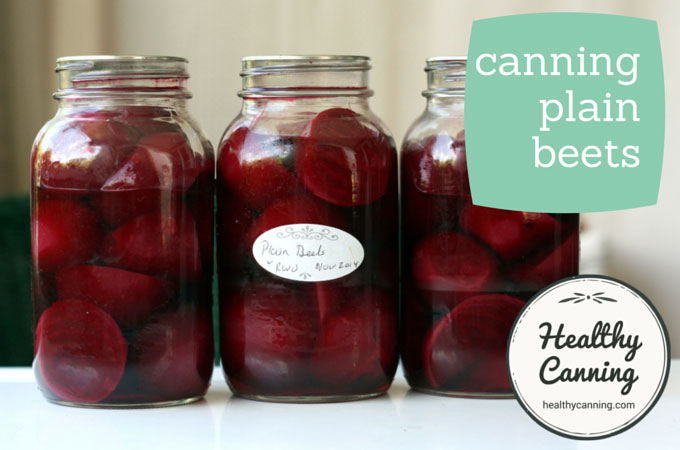
From a nutritional perspective, home-canned plain beets offer a wholesome dietary addition. A standard 175-gram serving of canned plain beets provides approximately 124 kilocalories, 4 grams of protein, roughly 30 grams of carbohydrates, 3.6 grams of dietary fiber, and approximately 4.8 grams of naturally occurring sugars, while remaining exceptionally low in sodium (around 2 mg naturally).
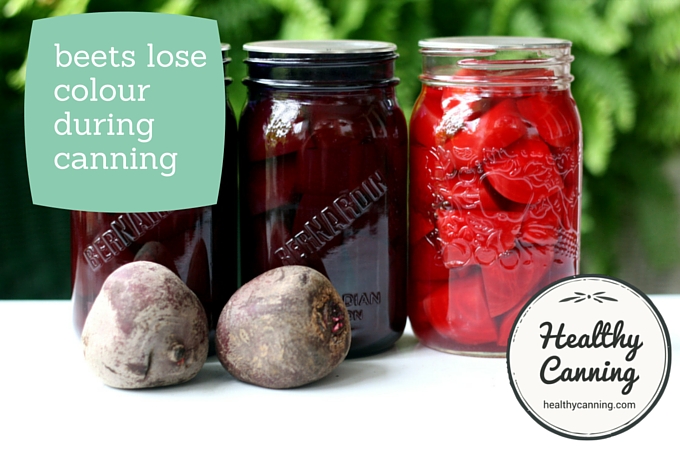
However, home canners frequently express concern over the visual appearance of their jars immediately after processing. The vibrant red pigments characteristic of beets—known chemically as betalains—are highly sensitive to sustained high temperatures. During the pressure-canning process, these pigments can temporarily transform into colorless compounds, leaving freshly processed beets looking faded, pale, or yellowish-pink.
Agricultural extension services, including Penn State Extension, reassure home preservers that this chemical reaction is largely reversible. In many cases, the rich, dark red color will naturally return after the jars have been stored in a cool, dark pantry at room temperature for a few days to a few weeks. Selecting specific cultivars known for color retention, such as ‘Detroit Dark Red’ or the elongated ‘Formanova’ variety, can also help mitigate pigment loss during thermal processing.
Judging Criteria and Standards of Excellence

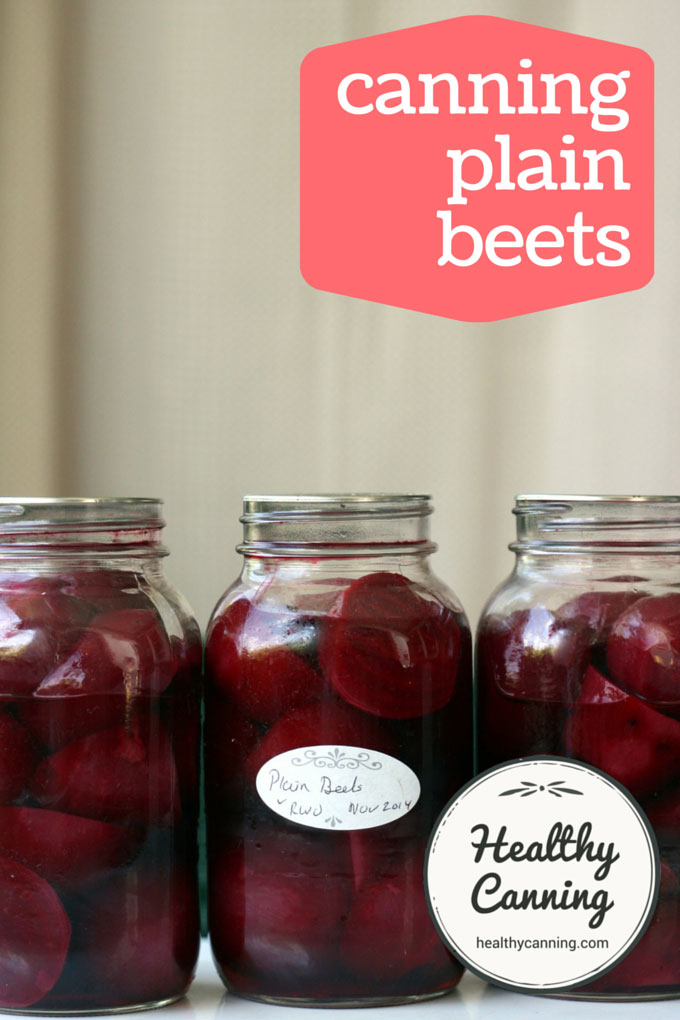
In professional food preservation competitions and educational evaluations governed by the NCHFP, canned plain beets are judged against rigorous quality standards. An exemplary jar of home-canned beets features uniform size and shape, with pieces either neatly cubed, sliced, or uniform whole roots measuring under 5 centimeters in diameter. The color should be deep, dark, and even, free from brownish-red discoloration, excessive fading, or pale white interior rings.
The canning liquid must be sparkling clear and naturally reddish, completely free of cloudiness, starch sediment, or particulate matter. Finished jars must exhibit no traces of stray stems, roots, or residual skin. Furthermore, the texture should be tender yet firm; beets exceeding 7 centimeters (3 inches) in diameter are generally avoided for canning because they tend to develop a woody, fibrous texture that detracts from the final culinary experience.
Broader Implications and Modern Preservation Culture
The enduring popularity of home-canned plain beets reflects a broader cultural appreciation for traditional food preservation techniques balanced with contemporary scientific rigor. While historical methods occasionally strayed into unsafe territory due to material shortages or a lack of microbiological understanding, modern home economics programs and agricultural extension offices provide accessible, standardized education that prioritizes consumer safety.
By respecting the biochemical limitations of low-acid foods and investing in reliable pressure-canning equipment, home gardeners and culinary enthusiasts can safely enjoy the bounty of the harvest year-round. Adhering strictly to USDA processing times, altitude adjustments, and hot-pack protocols ensures that preserving root vegetables remains a rewarding, worry-free practice that bridges historical culinary traditions with modern public health standards.