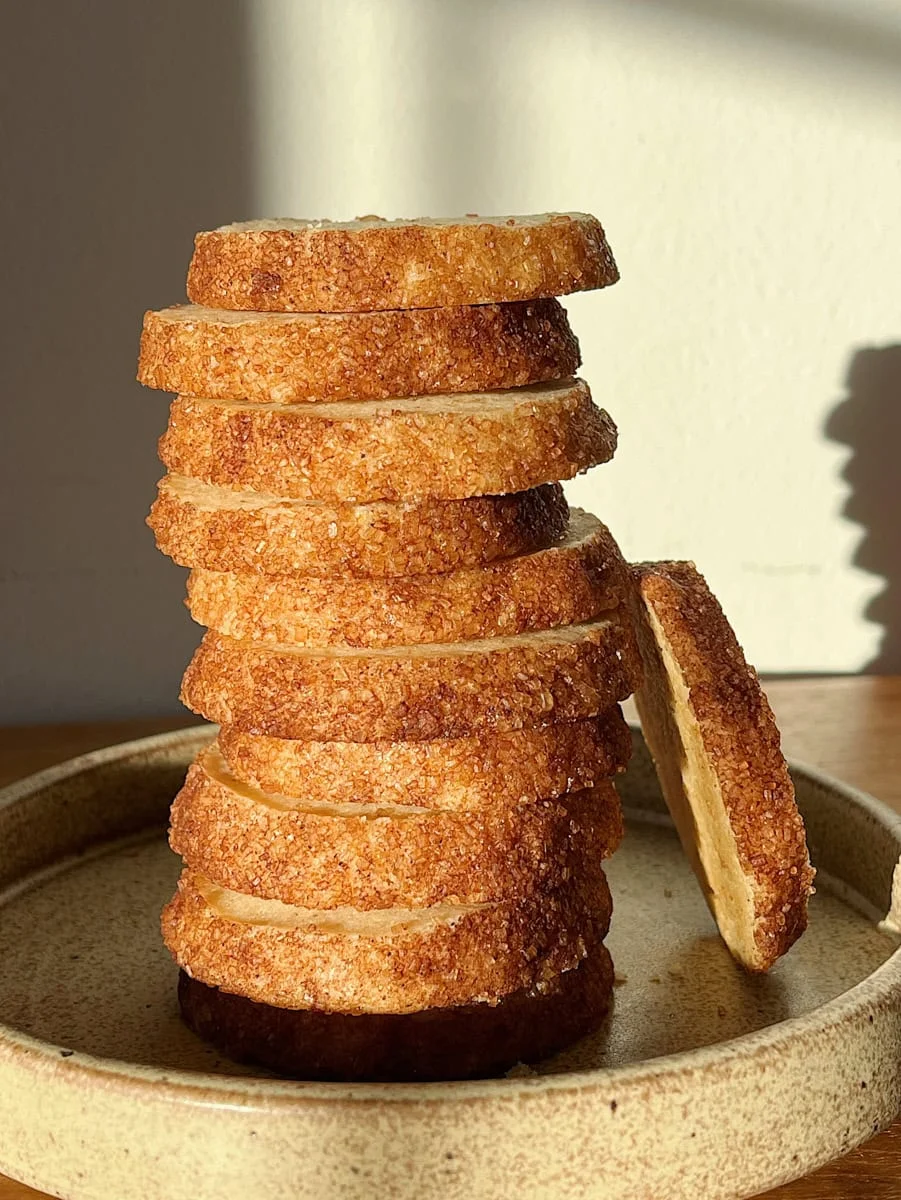

The holiday season, a time synonymous with festive gatherings and shared moments, often sees kitchens transform into bustling hubs of culinary creativity. Amidst the elaborate preparations, the demand for efficient, crowd-pleasing recipes becomes paramount. Enter the slice-and-bake cookie, a champion of convenience that allows for large-batch production with minimal fuss. These sourdough discard cinnamon toast cookies, with their simple preparation and deeply satisfying flavor profile, are poised to become a cornerstone of any holiday cookie repertoire. Their appeal lies not only in their ease but also in their ability to transform a common baking byproduct – sourdough starter discard – into a delectable treat.
The genesis of this particular recipe lies in the desire to create a cookie that balances simplicity with exceptional flavor, a goal that often proves elusive. Traditional cookie ratios, while effective for many applications, can result in a texture that is overly stiff or floury, particularly in slice-and-bake varieties that lack the aeration or chewiness provided by eggs. This recipe innovates by adjusting the flour-to-fat ratio, incorporating sourdough discard to contribute a subtle tang and enhance moisture. The resulting dough, when paired with a generous coating of Demerara sugar and cinnamon, evokes the comforting nostalgia of cinnamon toast, a beloved sweet treat. While these cookies may not boast the visual fanfare of elaborately decorated confections, their irresistible flavor ensures they will be swiftly devoured, proving that substance often triumphs over superficial embellishment.
A Shift in the Standard Cookie Ratio
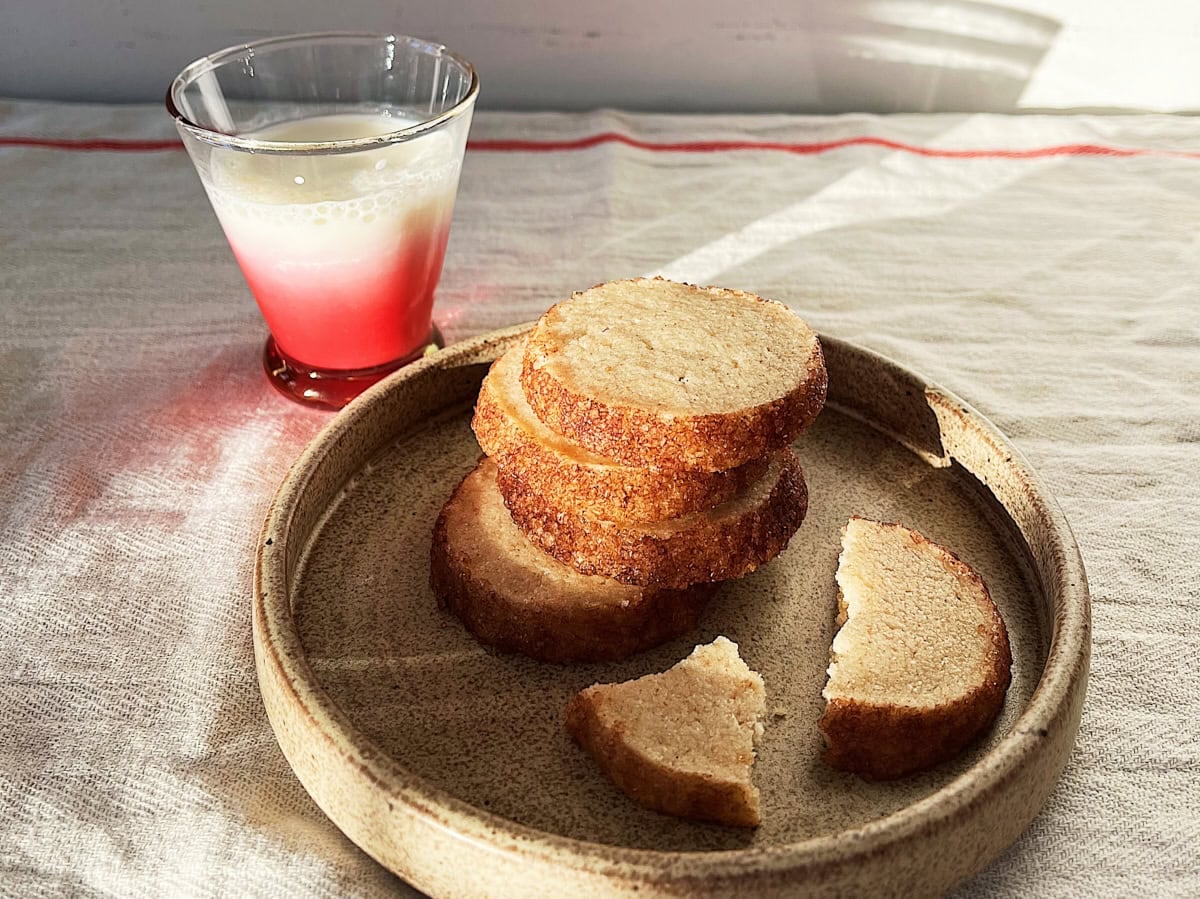
The foundational principle of many cookie recipes adheres to a standard ratio of one part sugar, two parts butter, and three parts flour by weight. This ratio, while a reliable starting point, can lead to a dense and somewhat dry texture in slice-and-bake cookies, especially when the sugar content is moderate and there’s no leavening from eggs. To achieve a more desirable crumb – tender, slightly crumbly, yet yielding – this recipe deviates from the norm. By employing 250 grams (approximately 2 cups) of all-purpose flour, augmented by an additional 35 grams from sourdough starter discard, the ratio shifts significantly. This results in a more balanced interplay between sugar (150 grams), butter (226 grams), and flour (just under 285 grams total), leaning towards a more tender and less flour-forward outcome. The inclusion of sourdough discard not only impacts texture but also introduces a nuanced tang that beautifully complements the sweetness of the dough and the cinnamon-sugar coating.
The Importance of High-Quality Butter
In recipes where a limited number of ingredients are the stars, the quality of each component becomes critical. This is particularly true for these sourdough discard cinnamon toast cookies. The dough relies heavily on the rich, creamy flavor of butter. Opting for a high-quality butter, such as a European-style butter with a higher fat content and a more pronounced flavor, can elevate the cookie from good to exceptional. The subtle differences in flavor and texture imparted by premium butter are noticeable and contribute significantly to the overall enjoyment of the finished product.
Leveraging Sourdough Starter Discard
Sourdough starter discard, often a byproduct of maintaining a sourdough starter, presents a unique opportunity for bakers. This recipe harnesses its potential by incorporating a modest amount into the cookie dough. While shortbread-style cookies traditionally omit water, the presence of sourdough discard, which contains moisture, introduces a subtle complexity. The author notes that browning the butter, a technique often used to evaporate excess water and deepen flavor in other cookie recipes, could also be applied here with delicious results. However, the inherent moisture from the starter discard negates the necessity for this extra step, streamlining the preparation process. The inclusion of discard adds a faint tang and contributes to a more tender crumb, a testament to the versatility of this fermented flour and water mixture.
Enhancing Flavor with Additions and Variations
While the base recipe is designed for classic simplicity, the potential for flavor customization is vast. The author suggests a range of additions that can further enhance the cookies’ appeal:
- Citrus Zest: Lemon, grapefruit, or orange zest can be rubbed into the sugar before creaming with the butter, infusing the dough with bright, aromatic notes.
- Exotic Extracts: Rose water, orange flower water, or almond extract can be used in place of, or in addition to, vanilla extract. Caution is advised with these potent extracts, suggesting a starting point of ¼ teaspoon.
- Toasted Sesame Oil: A teaspoon of toasted sesame oil can impart a delightful toasty undertone.
- Textural Additions: Chopped chocolate or toasted nuts can be incorporated for added crunch and complexity.
- Powdered or Ground Teas: Instant coffee or espresso, matcha, hojicha, or even finely ground Earl Grey tea leaves can be added for unique flavor profiles.
For the coating, beyond the classic cinnamon and Demerara sugar, the author suggests ground cardamom or sumac as interesting alternatives to cinnamon. Toasted white or black sesame seeds also offer a visually appealing and flavorful coating. The FAQ section provides further guidance on specific measurements for these variations.
Streamlining Dough Preparation with Electric Mixers
The process of creaming butter and sugar is crucial for achieving the right cookie texture. While it can be accomplished by hand with sufficient effort, an electric mixer – either a hand mixer or a stand mixer – significantly simplifies and speeds up this step. The author even highlights a preferred hand mixer model, underscoring the importance of efficient tool utilization in baking. This efficiency is particularly beneficial during the busy holiday season, allowing bakers to prepare dough for large batches with greater ease.
The Criticality of Chilling the Dough
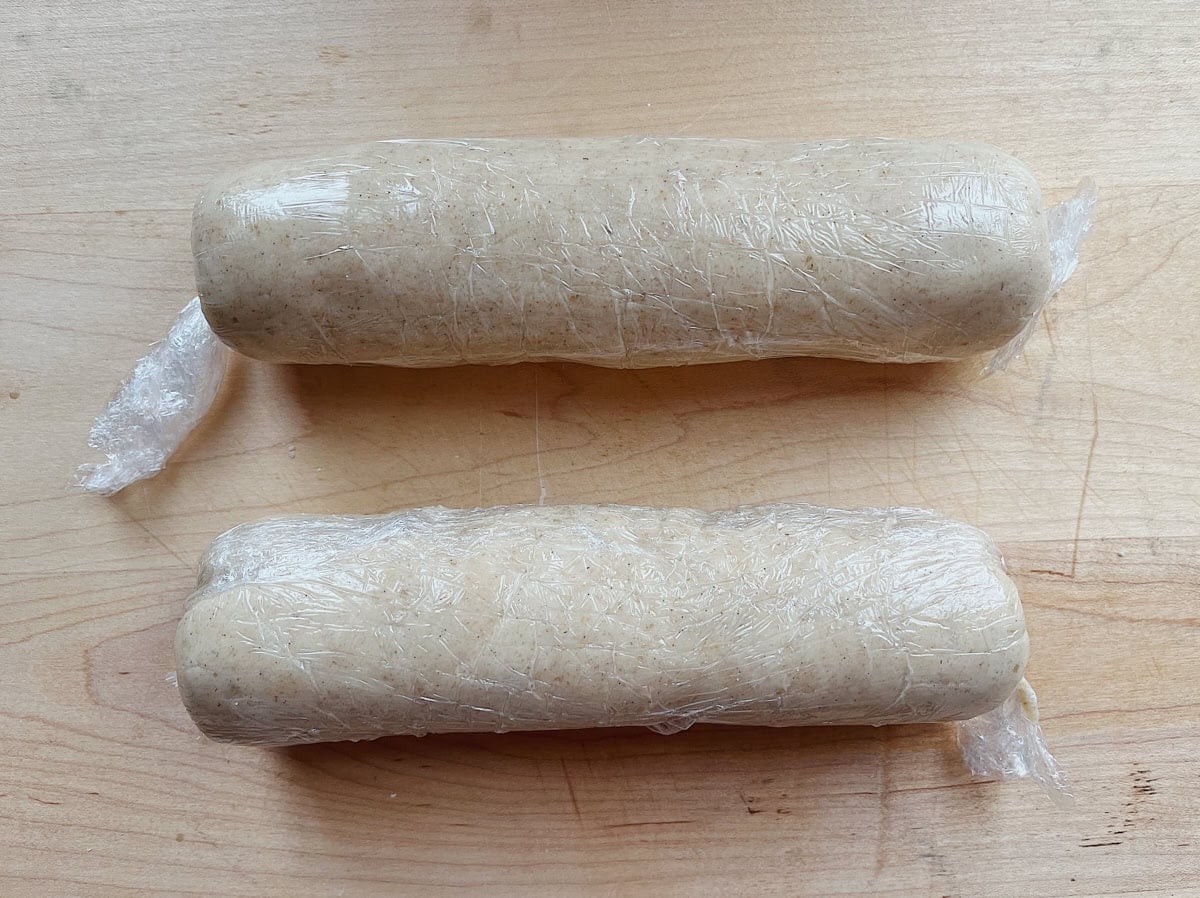
Given the higher butter-to-flour ratio in these cookies, the dough can be quite soft and prone to spreading during baking. To counteract this and ensure neat, well-defined cookie rounds, a thorough chilling period is essential. Refrigerating the dough for a minimum of two hours solidifies the butter, firming up the dough and preventing excessive spread in the oven. This step is not merely optional but integral to achieving the desired cookie shape and texture.
A Glimmer of Flavor and Sparkle: The Cinnamon Sugar Rim
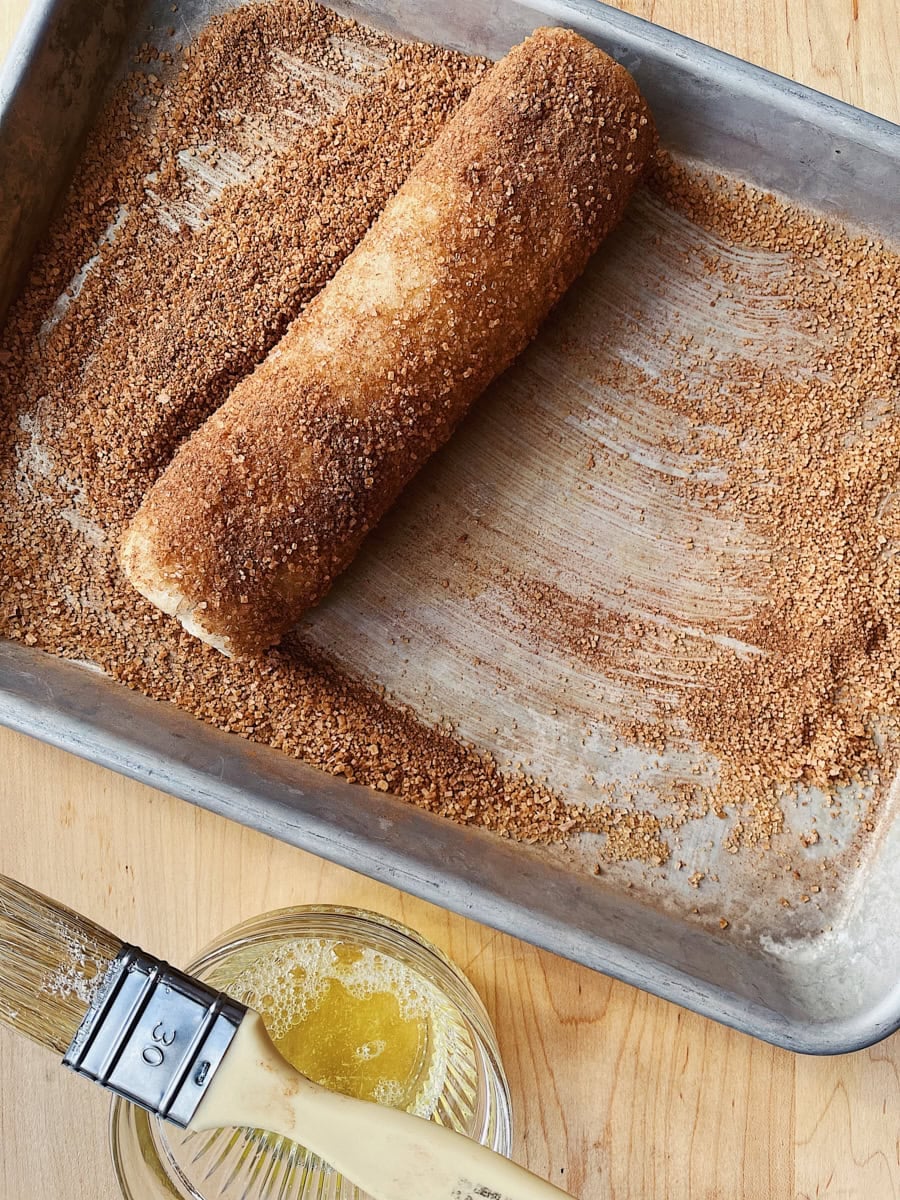
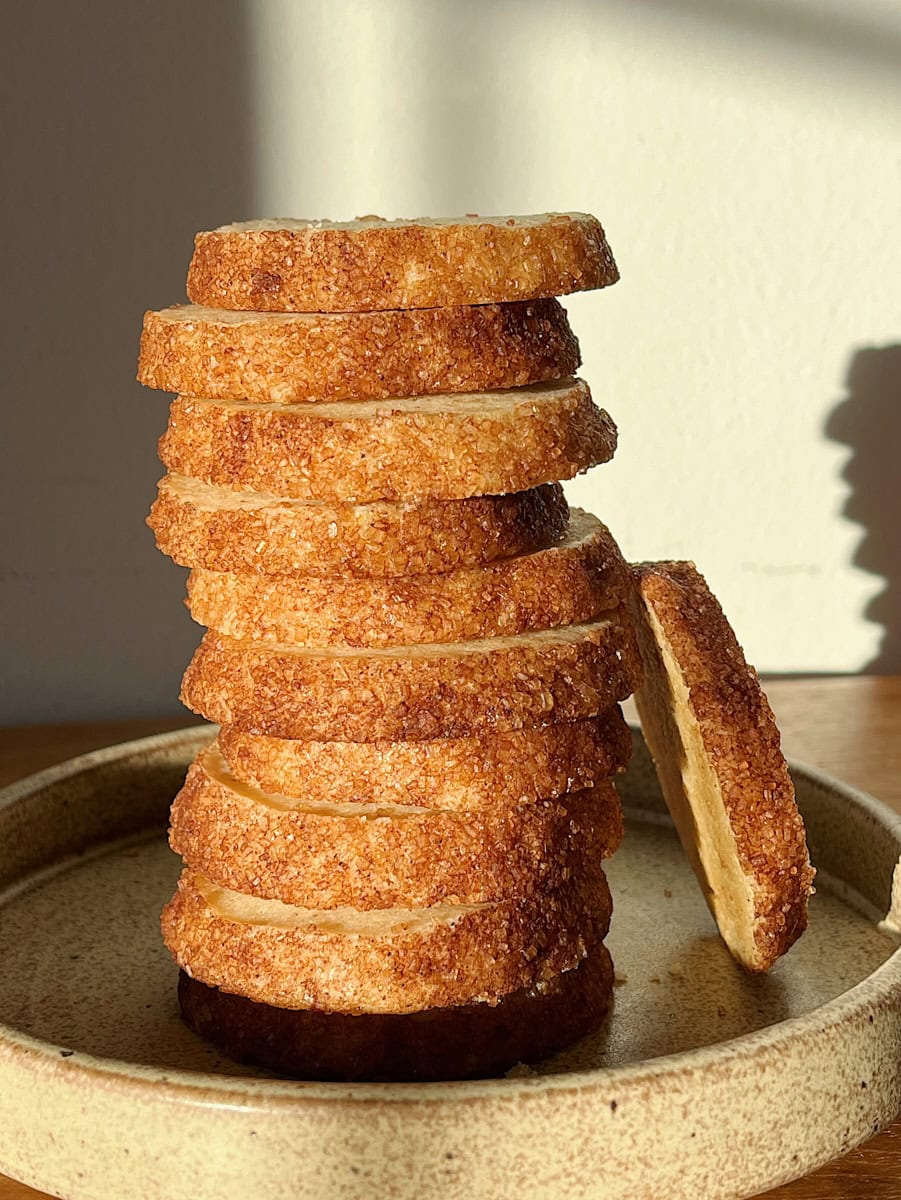
The signature "cinnamon toast" character of these cookies is amplified by their exterior coating. A simple yet effective blend of Demerara sugar and cinnamon creates a delightful textural contrast and a burst of sweet, spicy flavor with every bite. This coating not only enhances the taste but also provides a subtle sparkle, making the cookies visually appealing without resorting to overly elaborate decorations. The choice of Demerara sugar, with its larger crystals and slightly molasses-rich flavor, offers a more satisfying crunch and depth compared to fine granulated sugar.
The Art of the Bake: Patience for Perfection
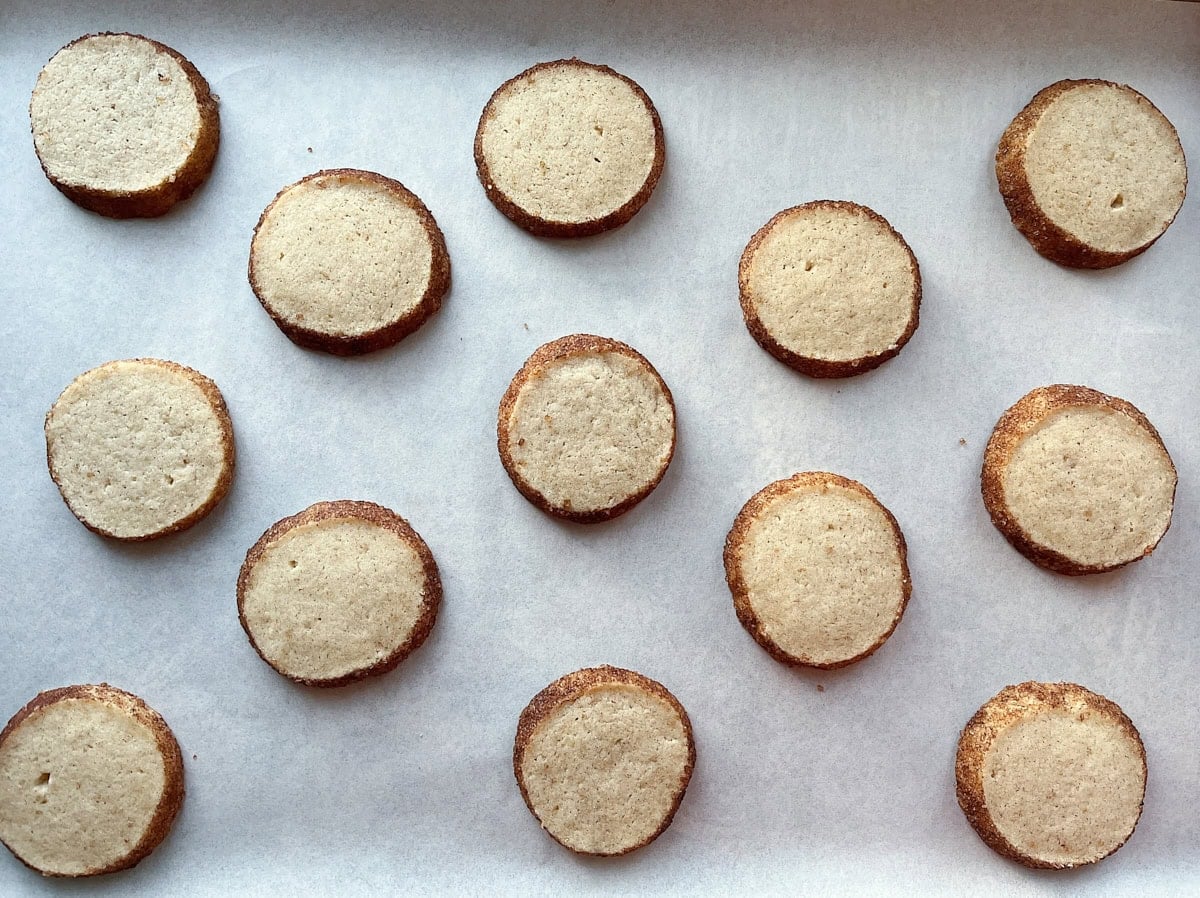
The presence of water in the sourdough starter contributes to a more hydrated dough, which can influence baking time. Unlike some cookies that readily show browning as an indicator of doneness, these sourdough discard cinnamon toast cookies may not darken significantly on top. This can make it challenging to gauge when they are perfectly baked. The author emphasizes the importance of looking at the bottoms of the cookies for a golden hue, and importantly, advises against underbaking. A slightly underbaked slice-and-bake cookie can result in an undesirable soft texture, whereas a perfectly baked one offers a satisfying crispness. A minimum baking time of 14 minutes is recommended, with the understanding that individual ovens may vary.
Addressing Common Baking Queries: The FAQ Section
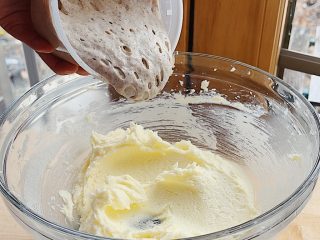
The recipe’s accompanying FAQ section addresses several practical considerations for bakers, offering solutions and further insights:
- Flavor Variations: Reinforces the extensive possibilities for customizing dough and coating flavors, directing users to the detailed suggestions provided earlier.
- Alternative Flours: Offers guidance on incorporating heartier wheat flours (whole wheat, rye, spelt) or pseudocereals like buckwheat, as well as the addition of cornmeal for texture. This encourages experimentation for those seeking different nutritional profiles or flavor complexities.
- Reusable Wraps: Advises against using beeswax-based wraps for dough storage due to potential wax leaching, instead recommending parchment paper or a specific brand of washable stretch wrap. This highlights a commitment to food safety and practical advice.
- Freezing Sliced Cookies: Provides clear instructions for freezing pre-sliced cookies, ensuring their quality for up to three months. This is a valuable tip for maximizing holiday baking efficiency, allowing for baking fresh cookies on demand.
- Achieving Round Cookies: Offers a simple trick for reshaping cookies during baking if they spread unevenly, ensuring a visually pleasing final product.
The Legacy of Sourdough Discard Recipes
This recipe is part of a broader movement within the baking community to utilize sourdough starter discard creatively. For bakers dedicated to maintaining active sourdough starters, discard can accumulate rapidly. Instead of being discarded, it can be transformed into a myriad of delicious baked goods, from breads and pizzas to cakes and cookies. This practice not only reduces food waste but also introduces unique flavors and textures to conventional recipes. The extensive collection of sourdough starter discard recipes available from the source suggests a thriving ecosystem of bakers dedicated to this sustainable and flavorful approach.

In conclusion, the sourdough discard cinnamon toast cookie is more than just a recipe; it’s a testament to efficient, flavorful, and sustainable baking practices. Its simplicity, adaptability, and comforting taste make it an indispensable addition to any holiday celebration, proving that even the most common baking byproducts can be elevated into something truly special. As the holiday season approaches, this recipe offers a delightful pathway to creating memorable treats that are both easy to make and exceptionally delicious.