
The debate surrounding vegetable and seed oils has roared back into public consciousness, fueled by viral social media trends, bestselling diet books, and conflicting nutritional advice. From TikTok videos branding them "toxic sludge" and "the hateful eight" to fervent discussions about their role in chronic disease, these ubiquitous cooking fats are at the center of a nutritional firestorm. Yet, this isn’t a new controversy; discussions about the merits of vegetable oils have existed since their initial introduction into the marketplace, evolving with scientific understanding and cultural shifts.
The modern resurgence of this debate, significantly amplified by the rise of diets like the carnivore diet, positions animal fats as ancient, natural, and superior, while demonizing vegetable oils as modern, processed, and profit-driven inventions responsible for a litany of health woes including obesity, anxiety, depression, and inflammatory bowel conditions like ulcerative colitis. Countering this narrative, other experts maintain that many vegetable oils are harmless, potentially health-promoting, and often a healthier alternative to saturated fats like butter. This stark divergence leaves consumers bewildered: who is right? The truth, as is often the case in nutrition, is far more complex than any viral meme can convey. This article aims to disentangle the science from the sensationalism, providing a factual, objective overview to empower informed dietary choices.
Understanding Vegetable and Seed Oils: A Classification
Often used interchangeably, the terms "vegetable oils" and "seed oils" primarily refer to fats extracted from the seeds of various plants. Common examples found in most grocery aisles include:
- Canola oil (from rapeseed)
- Soybean oil
- Corn oil
- Sunflower oil
- Safflower oil
- Cottonseed oil
- Grapeseed oil
- Rice bran oil
It is crucial to distinguish these from oils derived from the fleshy fruit of plants, such as olive oil, avocado oil, palm oil, and coconut oil, which possess distinct fatty acid profiles and processing methods. This distinction is often overlooked in the broader "seed oil" critique, leading to mischaracterizations.
The Manufacturing Process: From Plant to Plate
A key point of contention lies in how vegetable oils are produced. Unlike olive or avocado oil, which are extracted from naturally fatty fruits and can sometimes be made with minimal processing at home, most seed oils come from plants with a relatively low fat content. For instance, a cup of green olives contains approximately 20 grams of fat, whereas a cup of corn yields only about 2 grams. This low yield necessitates an extensive, multi-step industrial process to extract the oil efficiently and economically.
The typical industrial processing of common seed oils involves several stages:
- Cleaning and Crushing: Seeds are cleaned to remove impurities, then crushed to break down cell walls and increase the surface area for oil extraction.
- Pre-Pressing (Optional): For seeds with higher oil content, a mechanical expeller press might be used to squeeze out some initial oil, often resulting in "expeller-pressed" varieties which are less refined.
- Solvent Extraction: The crushed seeds (or remaining meal after pre-pressing) are mixed with a chemical solvent, most commonly hexane, to dissolve and extract the remaining oil. This step is highly efficient but raises concerns for some about chemical residues.
- Degumming: Water is added to remove phospholipids (gums), which can cause cloudiness and reduce shelf life.
- Refining (Neutralization): The oil is treated with an alkali solution (like sodium hydroxide) to remove free fatty acids, which contribute to off-flavors and odors, and make the oil less stable. This process is called neutralization.
- Bleaching: Activated clays are used to absorb pigments and other impurities, lightening the oil’s color and removing substances that could cause rancidity.
- Deodorizing: The oil is heated under a vacuum to very high temperatures (typically 200-240°C) and steam is passed through it to remove volatile compounds responsible for strong flavors and odors. This step is crucial for creating the neutral taste desired in many processed foods.
- Hydrogenation (for solid fats): While not applied to all liquid vegetable oils, some are partially or fully hydrogenated to create solid fats like margarine or shortening. This process involves adding hydrogen atoms to unsaturated fatty acids, increasing their saturation and solidity. Partial hydrogenation, historically common, leads to the formation of trans fatty acids.
During this intensive processing, many of the health-promoting compounds present in the original seed, such as polyphenols, vitamins, and other stabilizing antioxidants, are significantly reduced or lost. Critically, the high heat and chemical treatments, particularly during deodorization, can also transform small amounts of unsaturated fats into trans fatty acids. This transformation also occurs during deep frying, where vegetable oils are repeatedly heated to high temperatures. While the term "toxic" might be an exaggeration for most processed oils consumed in moderation, the scientific consensus is clear: trans fats are detrimental to health. The Food and Drug Administration (FDA) recognized this, banning manufacturers from adding artificial trans fats to processed foods in 2018 due to their established links to heart disease.
The "Toxic" Claims: Unpacking the Arguments

The anti-vegetable oil narrative typically hinges on several key arguments:
- Historical Discrepancy: Critics argue that human diets evolved with animal fats for millennia, while vegetable oils are a relatively recent invention, emerging largely in the last century. They assert that humans are not biologically adapted to consume these novel fats.
- Profit-Driven Production: The narrative suggests that vegetable oils were introduced and aggressively marketed by corporations seeking to profit from cheap, easily grown crops, often at the expense of public health.
- Omega-6 Imbalance and Inflammation: A central claim is that modern diets contain an excessive amount of omega-6 polyunsaturated fatty acids (PUFAs) from vegetable oils, leading to an unfavorable omega-6 to omega-3 ratio. This imbalance is theorized to promote chronic inflammation, contributing to various diseases like diabetes, obesity, and cardiovascular issues.
- Oxidation and Damaged Fats: Due to their chemical structure, PUFAs are inherently more susceptible to oxidation (rancidity) when exposed to heat, light, or air. Critics contend that the industrial processing and subsequent cooking of these oils lead to the formation of harmful oxidized compounds, which then cause oxidative stress and inflammation in the body.
- "Unnatural" and Stripped Nutrients: The extensive processing described above is portrayed as stripping the oils of their natural protective nutrients, leaving behind an "empty" fat that is prone to degradation and harmful upon consumption.
While some of these arguments have theoretical bases, the scientific evidence supporting the notion that moderate consumption of modern vegetable oils, particularly less refined or high-oleic varieties, directly causes widespread chronic disease is often weak or taken out of context. The primary concern often shifts from the oils themselves to the context in which they are consumed – predominantly within ultra-processed foods.
Scientific Consensus and Dietary Recommendations
Major health organizations, including the American Heart Association (AHA), the World Health Organization (WHO), and the U.S. Dietary Guidelines, generally recommend limiting saturated and trans fats and replacing them with unsaturated fats, particularly monounsaturated fatty acids (MUFAs) and polyunsaturated fatty acids (PUFAs). The nuance lies in the type of unsaturated fat and its processing.
Professional nutrition bodies, like Precision Nutrition (PN), offer practical guidance, often categorizing fats and oils based on their impact on health:
- "Eat More": Includes oils with robust scientific backing for health benefits, rich in MUFAs and antioxidants.
- "Eat Some": Refers to oils that are generally health-neutral or mildly beneficial when consumed in reasonable amounts, often less refined versions of common seed oils.
- "Eat Less": Encompasses oils and fats that, due to their fatty acid profile or extensive processing, should be limited.
This framework acknowledges that not all vegetable oils are created equal, and their impact is heavily influenced by factors like fatty acid composition, processing methods, and overall dietary context.
Head-to-Head: A Deeper Dive into Specific Oils
To illustrate the nuances, let’s examine some common comparisons:
Extra Virgin Olive Oil (EVOO) vs. Expeller-Pressed Canola Oil
These two oils represent some of the least refined options in their respective categories.
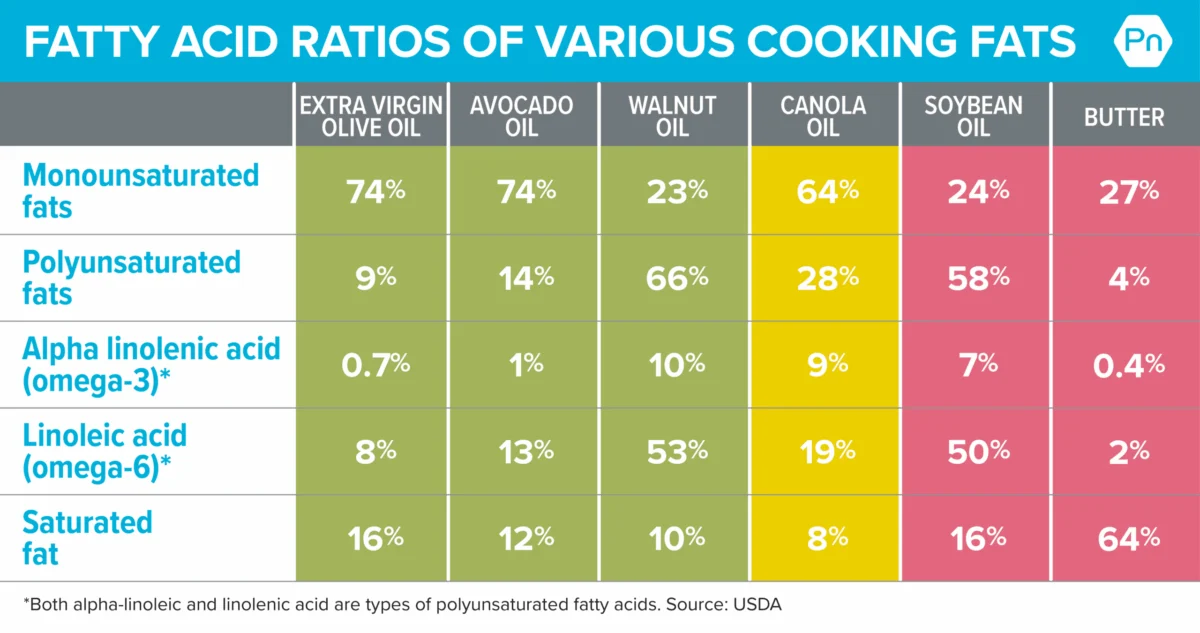
- The Case for Extra Virgin Olive Oil (EVOO): EVOO is produced by simply grinding and mechanically pressing olives, without the use of heat or chemical solvents. It is exceptionally rich in heart-healthy monounsaturated fatty acids (MUFAs) and retains a high concentration of the olive fruit’s original polyphenols. These powerful plant-based compounds are known for their anti-inflammatory and antioxidant properties, protecting cells from damage.
- Supporting Data: A wealth of research supports EVOO’s health benefits. For example, a study involving over 22,000 adults in Southern Italy found that those consuming more than two tablespoons of olive oil daily had a 20% lower mortality risk over 13 years compared to those consuming less than one tablespoon. Other studies link olive oil consumption to reduced risks of heart disease, stroke, type 2 diabetes, metabolic syndrome, and certain cancers. Furthermore, EVOO helps lower LDL ("bad") cholesterol, especially when it replaces saturated fats.
- Smoke Point Myth: Historically, EVOO’s relatively low smoke point (350-410°F or 175-210°C) led to recommendations against cooking with it. However, modern research indicates that EVOO’s high concentration of MUFAs and protective polyphenols make it remarkably stable under heat. One study that heated various oils to 464°F (240°C) and then held them at 356°F (180°C) for several hours found EVOO to be more stable than any other oil tested, including canola oil.
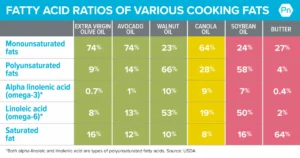
- The Case for Expeller-Pressed Canola Oil: Canola oil, a hybrid developed in Canada from the rapeseed plant, is one of the most affordable cooking oils. Expeller-pressed canola oil is mechanically pressed without chemical solvents or high heat, preserving more of its beneficial compounds. It is rich in MUFAs (though less so than olive oil) and alpha-linolenic acid (ALA), a plant-based omega-3 fatty acid. Canola oil also contains phytosterols, which can positively influence blood cholesterol, particularly when it replaces butter.
- Winner: Extra Virgin Olive Oil. The sheer volume and consistency of research supporting EVOO’s health-promoting qualities are unmatched. Its superior fatty acid profile and high polyphenol content make it a clear winner. However, expeller-pressed canola oil offers a budget-friendly and neutrally flavored alternative, suitable for baking, and can be a healthy component of a balanced diet when used in moderation. It is considered at least health-neutral, if not somewhat beneficial.
Expeller-Pressed Canola Oil vs. Refined Canola Oil

This comparison highlights the impact of processing methods.
- Expeller-Pressed Canola Oil: As mentioned, this method uses mechanical pressure, avoiding harsh solvents or high heat, which helps retain beneficial compounds like ALA and phytosterols.
- Refined Canola Oil: The refining process (solvent extraction, degumming, bleaching, deodorizing) removes some protective alpha-linolenic acid and can introduce small amounts of trans fatty acids. This results in an oil with a proportionally lower omega-3 content and a higher omega-6 content.
- Winner: Expeller-Pressed Canola Oil. While the margin is small, the less processed version is preferable due to better retention of beneficial compounds and lower risk of trans fat formation. Canola oil generally starts with a more favorable fatty acid profile than some other common vegetable oils like soybean oil, which contains less MUFA and more omega-6.
The Omega-6 Conundrum: Inflammation or Essential?
A significant part of the anti-seed oil narrative revolves around omega-6 fatty acids, specifically linoleic acid, which is abundant in many seed oils.
- The Argument for Inflammation: Critics contend that the typical Western diet, rich in seed oils, leads to a massively imbalanced omega-6 to omega-3 ratio (often 16-20:1, far from the historically suggested 1:1 to 4:1 ideal). This imbalance is theorized to promote a pro-inflammatory state, increasing the risk of chronic diseases.
- The Scientific Nuance: While some inflammatory pathways do involve omega-6 derivatives, the overall picture is more complex. Many nutritional scientists now debate whether this imbalance, particularly from dietary intake, directly causes chronic inflammation, especially when omega-6s come from whole foods. For example, nuts and seeds, which are naturally rich in omega-6 fats, are consistently associated with a range of health benefits, including reduced blood cholesterol and inflammation.
- Recent Research: A 2019 study published in the American Heart Association journal Circulation concluded that, if anything, the consumption of omega-6 fats reduced the risk for stroke, heart disease, and early death. Harvard Health has similarly stated, "No need to avoid healthy omega-6 fats."
- Crucial Distinction: The key lies in the source. Omega-6s in whole foods (nuts, seeds) come packaged with fiber, polyphenols, protein, vitamins, and minerals, forming a complex matrix of beneficial compounds. Refined oils, however, have lost most of these protective elements, leaving primarily fatty acids that are more prone to oxidation.
Refined Vegetable Oil vs. Butter: Saturated vs. Oxidized
This matchup generates the most intense debate.
- The Case for Butter: Proponents argue that saturated fats, abundant in butter, have been unfairly demonized, pointing to past dietary advice that encouraged replacing butter with trans-fat-laden margarine, a public health misstep. While some research suggests a complex relationship between saturated fat and heart disease, excessive saturated fat intake (above 10% of total calories) does appear to increase LDL cholesterol and may elevate heart disease risk.
- Saturated Fat Nuance: Not all saturated fats impact cholesterol equally. The milk fat globule membrane (MFGM) found in some dairy products (like full-fat milk, cream, cheese, yogurt) can limit the cholesterol-raising properties of saturated fat. However, butter is low in MFGM and consequently raises blood cholesterol more than these other dairy items. The U.S. Dietary Guidelines recommend capping saturated fat at less than 10% of calorie intake; a single tablespoon of butter contains 7 grams, about a third of the daily limit for a 2000-calorie diet, underscoring the need for moderation.
- The Case for Refined Vegetable Oils (Against): Due to their polyunsaturated nature, these fats are inherently less stable and more prone to oxidation than saturated or monounsaturated fats. The refining process strips away protective phytochemicals and antioxidants, further increasing their vulnerability to oxidation. The theory is that this oxidation can contribute to systemic inflammation.
- The Ultra-Processed Food Connection: While moderate home use of refined oils for light cooking may not be a major concern, the biggest source of these oils for most people is ultra-processed foods (UPFs). UPFs involve extensive industrial processing and often undergo repeated heating, which further oxidizes the oils. Beyond the oils, UPFs are typically high in added sugars, sodium, and unhealthy additives, while being low in beneficial nutrients like fiber, vitamins, and minerals. They are also engineered to be hyper-palatable, calorie-dense, and difficult to stop eating, contributing significantly to obesity and other chronic diseases.
- Supporting Data: A large review involving nearly 10 million people linked UPF consumption to a higher risk of premature death. Other studies connect high UPF intake to obesity, type 2 diabetes, cardiovascular disease, cancer, and adverse mental health outcomes.
- Conclusion: A Draw. Both refined vegetable oils and butter should be consumed in moderation. Refined vegetable oils are rich in PUFAs and stripped of protective compounds, with some concerns about oxidation and trans fat formation. Butter is high in saturated fat, which can be problematic in excess, and lacks the MFGM found in other dairy. The key takeaway is that neither is a "health-promoting" food in large quantities; rather, they are ingredients whose impact is contextualized by the overall diet. Prioritizing minimally-processed foods naturally reduces intake of both.
Navigating the Oil Aisle: Informed Choices for Health
Given the complexities, here’s actionable advice for making informed choices:
- Prioritize Minimally-Processed Whole Foods: The most effective strategy is to obtain the majority of your fats from whole, minimally-processed foods. These include avocados, olives, nuts, seeds, and fatty fish like salmon. These sources come packaged with a rich array of fiber, protein, vitamins, minerals, and antioxidants, which synergistically contribute to health. To identify minimally processed foods, consider: Is it close to its natural state? Does it have few ingredients? Are the ingredients recognizable?
- Embrace Extra Virgin Olive Oil (EVOO) and Similar Options: If budget allows, EVOO is an excellent choice for most cooking and dressings due to its robust research backing, high MUFA content, and antioxidant profile. Cold-pressed avocado oil and walnut oil are also good options; avocado oil is rich in MUFAs and heat-stable, while walnut oil, rich in PUFAs, is best used in dressings to preserve its delicate compounds.
- Consider Budget-Friendly Alternatives: For those on a tighter budget, expeller-pressed canola oil, high-oleic sunflower oil, and high-oleic safflower oil are solid runner-up options. Their higher MUFA content (compared to standard versions) and lower levels of processing (for expeller-pressed) make them reasonable choices for cooking and baking.
- Limit Deep-Fried Foods: Regardless of the oil used, deep-fried foods should be relegated to the "eat less" category. The extreme heat and repeated use of oil in deep frying can lead to the formation of harmful compounds, including trans fats and oxidized lipids.
- Focus on Overall Dietary Pattern: The impact of any single food, including cooking oils, is less significant than the overall dietary pattern. A diet rich in colorful plants, lean proteins, and whole grains, with fats primarily from whole food sources, naturally minimizes the potential downsides of refined oils while maximizing health-protective nutrients.
- Moderation is Key: While EVOO and avocado oil are beneficial, they are still calorie-dense fats. Aim for 1-3 servings of oils or butter per day as part of a balanced diet, prioritizing whole food fats where possible.
Conclusion: Beyond the Hype
The debate over vegetable and seed oils underscores the complexity of nutritional science. While social media often simplifies complex issues into binary "good" or "bad" categories, the scientific reality is nuanced. Refined vegetable oils, particularly when incorporated into ultra-processed foods, can contribute to less healthy dietary patterns. However, demonizing all vegetable oils, especially less refined or high-oleic varieties used in moderation within a balanced diet, overlooks their potential benefits and ignores the context of overall food consumption.
By understanding the differences in processing, fatty acid profiles, and the broader impact of dietary choices, consumers can move beyond sensationalized claims and make informed decisions that genuinely support their health. Prioritizing whole, minimally-processed foods and choosing less refined oils when needed remains the most evidence-based approach to healthy eating.