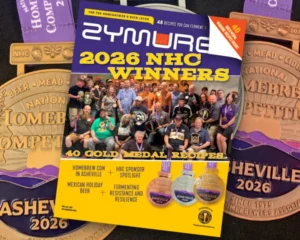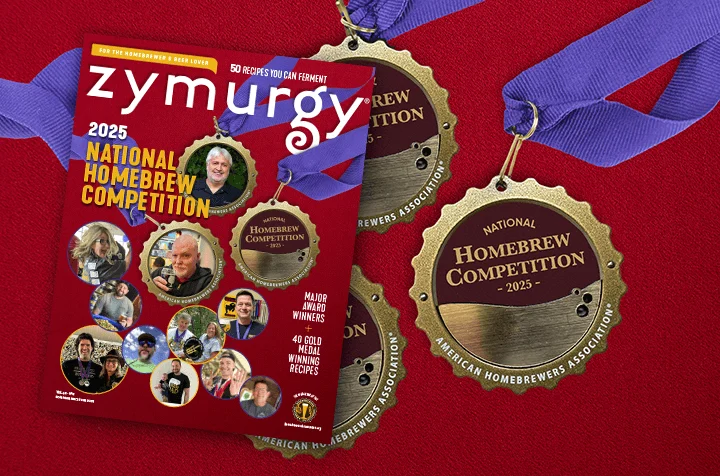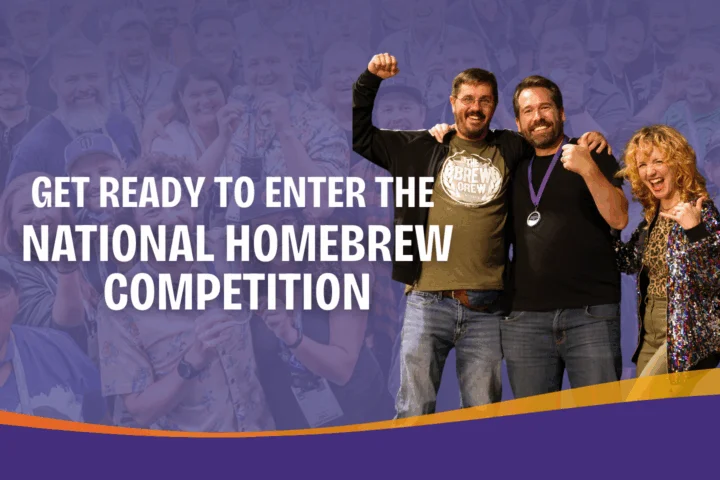

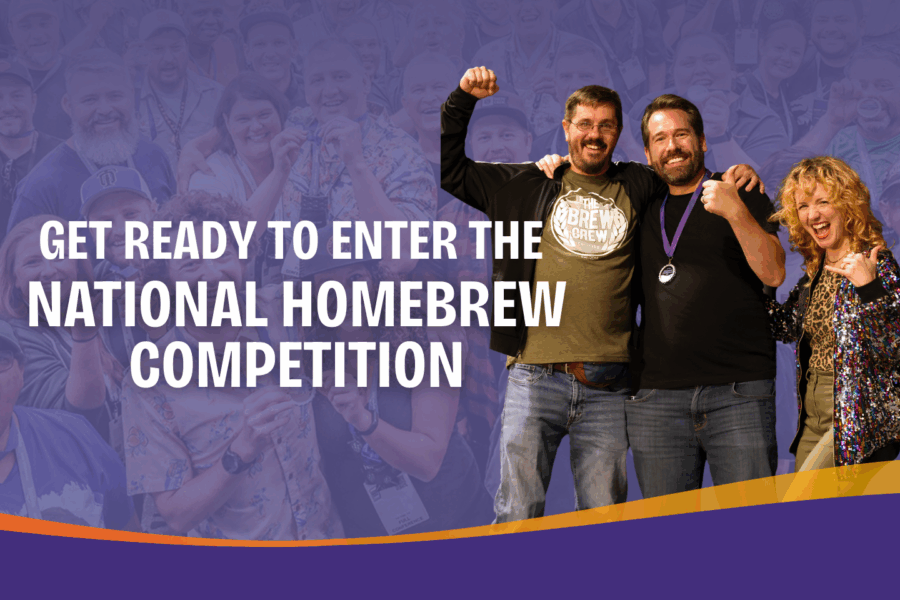
The American Homebrewers Association (AHA) has officially announced the commencement of the 2026 National Homebrew Competition (NHC), a landmark event that signifies the 48th year of the world’s most prestigious and expansive amateur brewing contest. This announcement comes at a pivotal moment for the organization, following its transition to an independent entity in July 2025. The 2026 competition is set to continue its long-standing tradition of celebrating the artistry and technical proficiency of home-based fermentation, while introducing a revitalized organizational structure led by the AHA Founding Board and a dedicated Events Committee. Since its inception in 1979, the NHC has served as the definitive platform for amateur brewers, cider makers, and meadists to receive professional evaluation, with more than 170,000 entries judged over the past four decades.
The upcoming competition cycle represents more than just a contest; it is a reflection of the evolving landscape of the craft beverage industry and the enduring passion of the hobbyist community. As the AHA enters this new era of independence, the 2026 NHC is being designed to enhance the participant experience through streamlined logistics and a continued partnership with the Beer Judge Certification Program (BJCP). The NHC remains the ultimate benchmark for homebrewing success, offering a rigorous multi-stage judging process that culminates in the awarding of some of the most coveted honors in the global brewing community.
Historical Context and the Evolution of the NHC
The National Homebrew Competition was established shortly after the federal legalization of homebrewing in the United States. In 1978, President Jimmy Carter signed H.R. 1337, which included an amendment to allow for the home production of beer and wine for personal or family use. This legislative shift paved the way for the formation of the American Homebrewers Association by Charlie Papazian and the launch of the first NHC in 1979. At its debut, the competition was a modest gathering of enthusiasts; however, it quickly grew in tandem with the burgeoning craft beer movement of the 1980s and 1990s.
Over the years, the NHC has acted as a primary incubator for the professional craft beer industry. Many of the most celebrated figures in modern brewing—including Ken Grossman of Sierra Nevada Brewing Co., Sam Calagione of Dogfish Head Craft Brewery, and Vinnie Cilurzo of Russian River Brewing Company—began their journeys as homebrewers. The competition’s rigorous standards and emphasis on technical accuracy have historically raised the bar for quality, influencing not only the amateur circuit but also the commercial sector. By providing a structured environment for feedback and competition, the NHC has helped define beer styles and judging criteria that are now utilized worldwide.
Organizational Independence and New Leadership
A defining feature of the 2026 competition is the new administrative framework of the American Homebrewers Association. In July 2025, the AHA transitioned to an independent operational model, moving away from its previous affiliation with the Brewers Association. This shift was motivated by a desire to return to a member-centric focus and to allow the organization more flexibility in addressing the specific needs of the homebrewing community.
The 2026 NHC is the first major event managed under this new paradigm. The "AHA Founding Board," a group of volunteer member leaders, has taken an active role in the planning process alongside the newly appointed AHA staff. This collaborative approach ensures that the competition remains grounded in the values of the community while benefiting from professional event management. The Events Committee has been tasked with modernizing the competition’s infrastructure, focusing on improving the registration process, regional judging logistics, and the integration of digital tools for judge feedback.
The Competition Framework: From First Round to Final Round
The 2026 NHC will maintain its proven two-stage format, designed to manage the high volume of entries while ensuring that every submission receives a thorough evaluation.
The First Round: Regional Excellence
The First Round consists of regional judging sessions held at various locations across the United States. These sites are staffed by volunteers and BJCP-certified judges who evaluate entries based on style accuracy, technical execution, and overall sensory appeal. Participants enter their beverages into specific categories defined by the BJCP Style Guidelines, which cover a vast array of beer, cider, and mead styles. The primary objective of the First Round is to provide every entrant with a detailed score sheet containing constructive feedback, a feature that participants often cite as the most valuable aspect of the competition.
The Final Round: The Pinnacle of Achievement
Entries that achieve top honors in the First Round advance to the Final Round. This concluding stage brings together the "best of the best" for a final evaluation by a panel of high-ranking BJCP judges and industry experts. The Final Round typically takes place in conjunction with the National Homebrewers Conference (Homebrew Con), where the winners are announced during a high-profile awards ceremony. The 2026 Final Round will include the crowning of the Homebrewer of the Year, the Cidermaker of the Year, and the Meadmaker of the Year, as well as the recognition of the top-performing homebrew clubs.
Technical Standards and the Role of the BJCP
The integrity of the NHC is intrinsically linked to the Beer Judge Certification Program (BJCP). Founded in 1985 through a joint effort by the AHA and the Home Wine & Beer Trade Association, the BJCP is an independent organization that trains and certifies judges of beer and related fermented products. For the 2026 NHC, the BJCP will provide the standardized framework used for all evaluations.
Judges are required to undergo rigorous testing to demonstrate their ability to identify flavor profiles, detect off-flavors (such as diacetyl, acetaldehyde, or oxidation), and articulate how well a beverage fits its intended style. This scientific and sensory approach ensures that the NHC results are objective and reproducible. In the 2026 cycle, the AHA and BJCP are expected to emphasize the importance of technical feedback, helping brewers troubleshoot their processes and refine their recipes for future iterations.
Supporting Data: The Scale and Impact of Homebrewing
The NHC serves as a statistical microcosm of the broader homebrewing movement. Data from previous years indicates a consistent interest in a wide variety of styles, with India Pale Ales (IPAs) often dominating the entry counts. However, recent trends have shown an uptick in entries for traditional European lagers, sour ales, and experimental meads.
Historical data highlights the following:
- Total Entries: Over 170,000 since 1979.
- Participation: Thousands of unique brewers from all 50 states and multiple international locations participate annually.
- Economic Contribution: While homebrewing is a hobby, it supports a significant retail sector. According to past industry reports, the homebrew supply industry contributes hundreds of millions of dollars to the U.S. economy through the sale of grains, hops, yeast, and specialized equipment.
- Innovation: Many "emerging" commercial styles, such as New England IPA or Pastry Stouts, saw their early development and refinement within the homebrewing community before reaching the commercial mainstream.
Timeline and Key Milestones for 2026
The AHA has outlined a preliminary timeline for the 2026 competition cycle to allow brewers sufficient time for planning and fermentation.
- February 2026: Release of the full competition handbook. This document will detail the specific categories, registration fees, shipping deadlines, and drop-off locations for the First Round.
- Spring 2026: Registration window opens. Due to the high demand, registration is often managed through a lottery or a first-come, first-served system to ensure regional sites are not overwhelmed.
- Late Spring 2026: First Round judging takes place at regional sites across the country.
- Summer 2026: Final Round judging and the National Homebrewers Conference. This event serves as the grand finale of the competition year, featuring educational seminars, social events, and the awards banquet.
Broader Impact and Implications
The 2026 National Homebrew Competition arrives at a time when the "DIY" culture is experiencing a resurgence. As consumers become more interested in the provenance and craftsmanship of their food and beverages, homebrewing offers a unique intersection of science, culinary art, and community. The NHC provides a structured goal for hobbyists, encouraging them to master the complexities of water chemistry, microbiology, and recipe formulation.
Furthermore, the competition fosters a sense of camaraderie and healthy rivalry among homebrew clubs. These organizations are the backbone of the hobby, providing local support networks and educational resources. The "Homebrew Club of the Year" award at the NHC is a highly contested title that reflects the collective skill and organization of these local groups.
From an industry perspective, the NHC remains a vital talent scout. Professional breweries often look to the winners of the NHC as potential recruits for brewing positions, recognizing that the discipline required to win a national award translates well to a commercial production environment. The competition also influences market trends; if a particular style gains traction in the NHC, it is often a precursor to increased demand for that style in taprooms and retail shelves.
Preparation for Participants: The Path to Success
As the February 2026 announcement approaches, the AHA has encouraged brewers to begin their preparations. Success in the NHC often requires a combination of creative recipe design and meticulous attention to detail. Veteran competitors emphasize the importance of:
- Sanitation: The most common reason for low scores is contamination, which can lead to souring or off-flavors.
- Style Adherence: Brewers must ensure their entry fits the specific parameters (original gravity, bitterness, color, and flavor profile) of the chosen BJCP category.
- Packaging: Proper bottling or canning techniques are essential to ensure the beverage arrives at the judging site in peak condition, with appropriate carbonation and no signs of oxidation.
- Feedback Utilization: Reviewing score sheets from previous years or local competitions is considered the best way to identify areas for improvement.
Conclusion
The 2026 National Homebrew Competition stands as a testament to the resilience and creativity of the homebrewing community. Under the new leadership of the independent American Homebrewers Association, the event is poised to reach new heights of excellence. By honoring the 48-year legacy of the NHC while embracing a future-forward approach to competition management, the AHA continues to fulfill its mission of promoting the hobby and hobbyists of homebrewing. As the countdown to February begins, the global brewing community waits with anticipation for the next chapter in this storied competition, ready to put their best ferments to the test on the world’s largest stage.