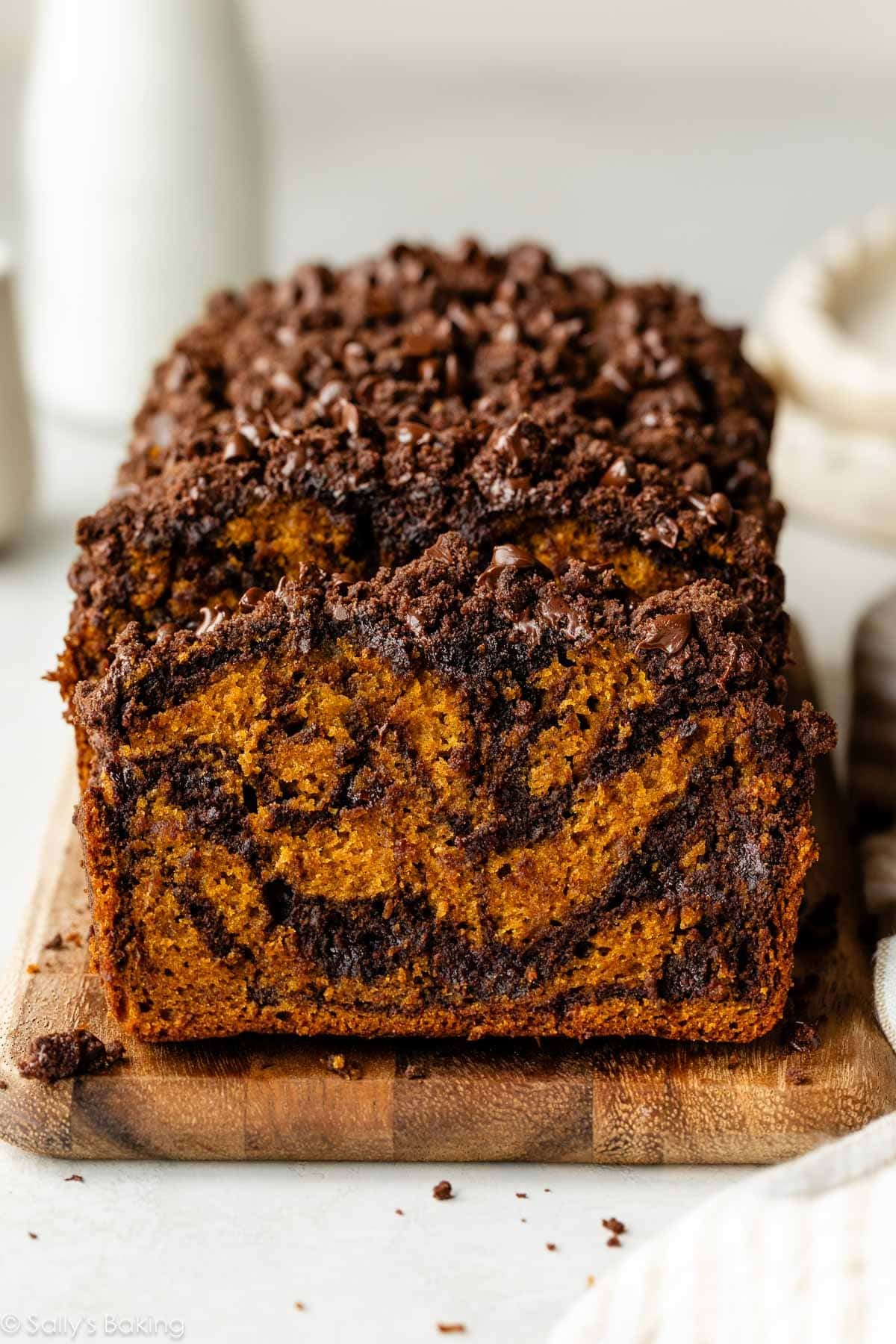
The emergence of the Chocolate Marble Pumpkin Bread marks a notable shift in contemporary home baking, representing a strategic evolution of traditional autumnal quick breads into more sophisticated, dessert-oriented loaf cakes. By integrating a multi-textural profile—specifically the inclusion of a chocolate-based streusel topping and a dual-batter swirling technique—this recipe reflects broader industry trends toward "gourmet home-cooking," where standard recipes are elevated through the incorporation of professional pastry methods.

Historical Context and Evolution of Quick Breads
Quick breads, categorized by the use of chemical leavening agents such as baking powder and baking soda rather than yeast, have long been a staple of North American culinary traditions. Historically, pumpkin bread gained prominence in the mid-20th century, closely following the commercial availability of canned pumpkin puree. Over the past decade, however, home bakers and culinary influencers have sought to disrupt the monotony of seasonal baking by introducing complex flavor pairings.
The transition from a basic pumpkin loaf to a marble-effect dessert signals a departure from rustic preparation toward visual presentation. Culinary analysts observe that the "marble" aesthetic—achieved by blending two distinct batters—has historically been associated with high-end pound cakes. The application of this technique to a pumpkin base suggests a deliberate effort to bridge the gap between simple breakfast items and high-end artisanal pastries.
Technical Methodology: The Single-Batter Approach
The innovation of this particular recipe lies in its efficiency. Rather than requiring the baker to prepare two independent recipes, the process relies on a single master batter. Data from test kitchens suggests that this methodology reduces preparation time by approximately 35% compared to traditional marbled loaves, which often necessitate separate mixing bowls and distinct ingredient ratios for each color profile.
The process follows a precise chronological order to ensure structural integrity:

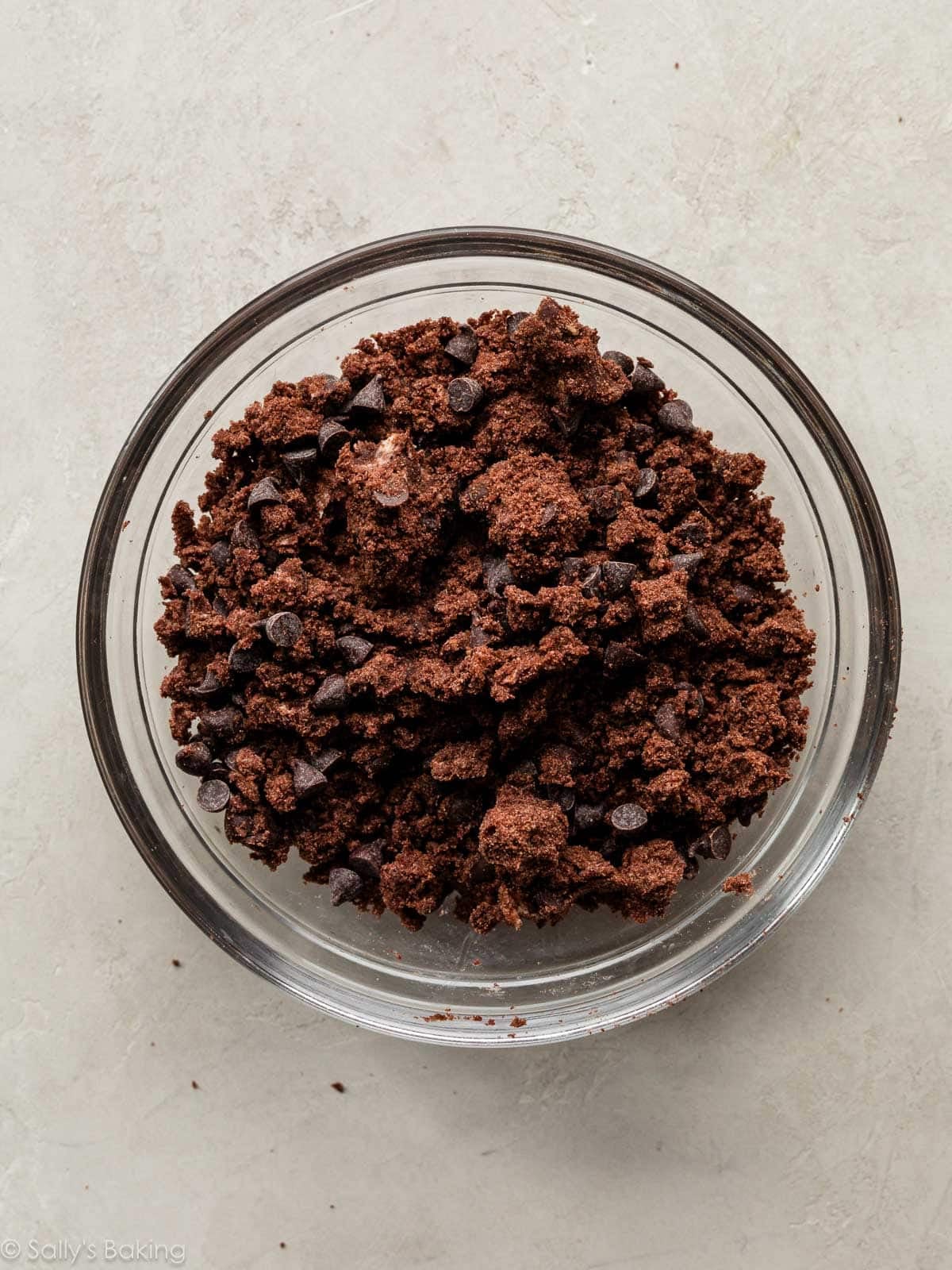
- Preparation of the Chocolate Crumb: The streusel is formulated first and kept at low temperatures (refrigerated or frozen). This step is critical; thermal regulation of the topping ensures that it retains its shape during the bake, preventing it from dissolving into the pumpkin batter.
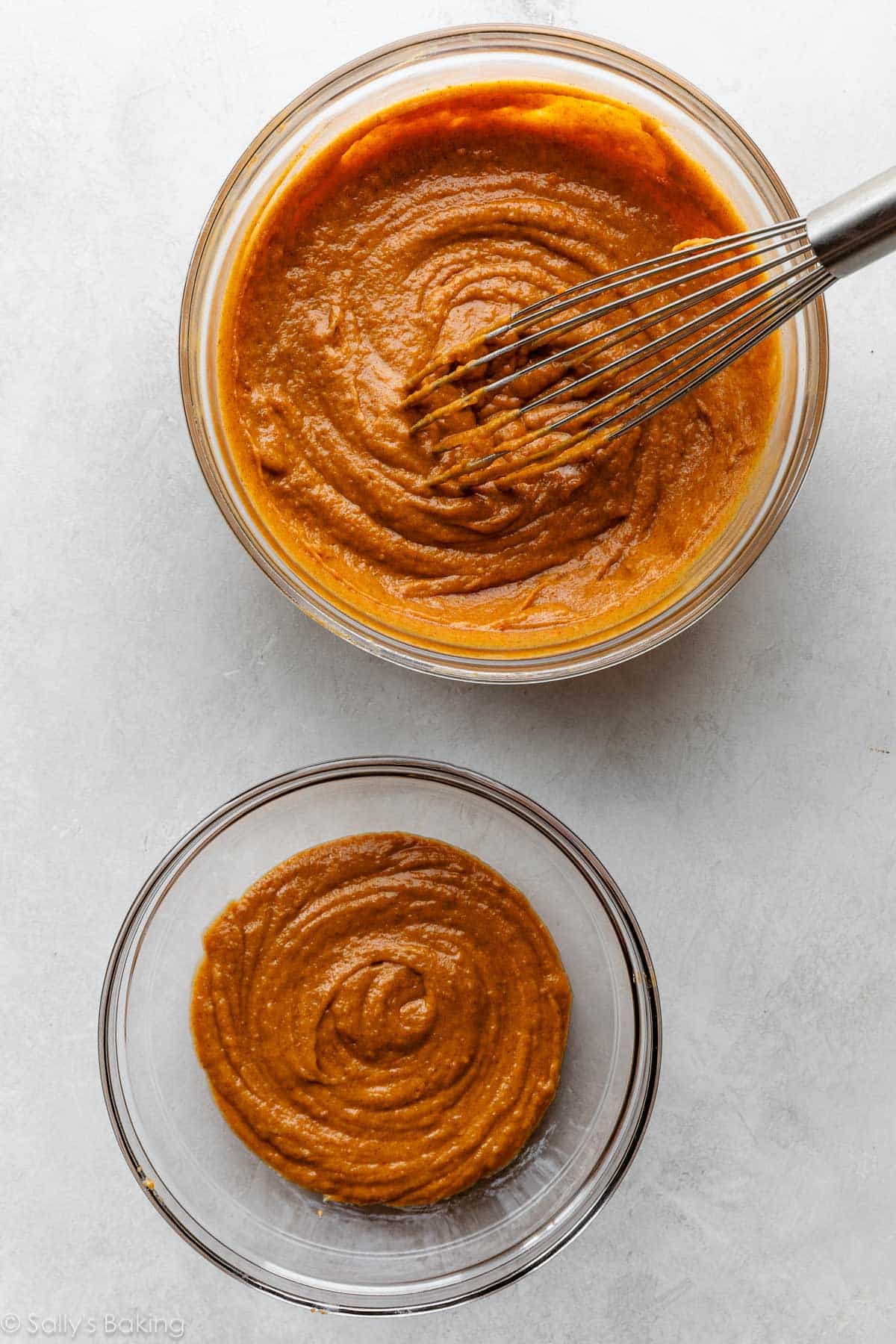
- Batter Division: The master pumpkin batter is split, with a portion—approximately 280 grams—reserved for the chocolate modification.
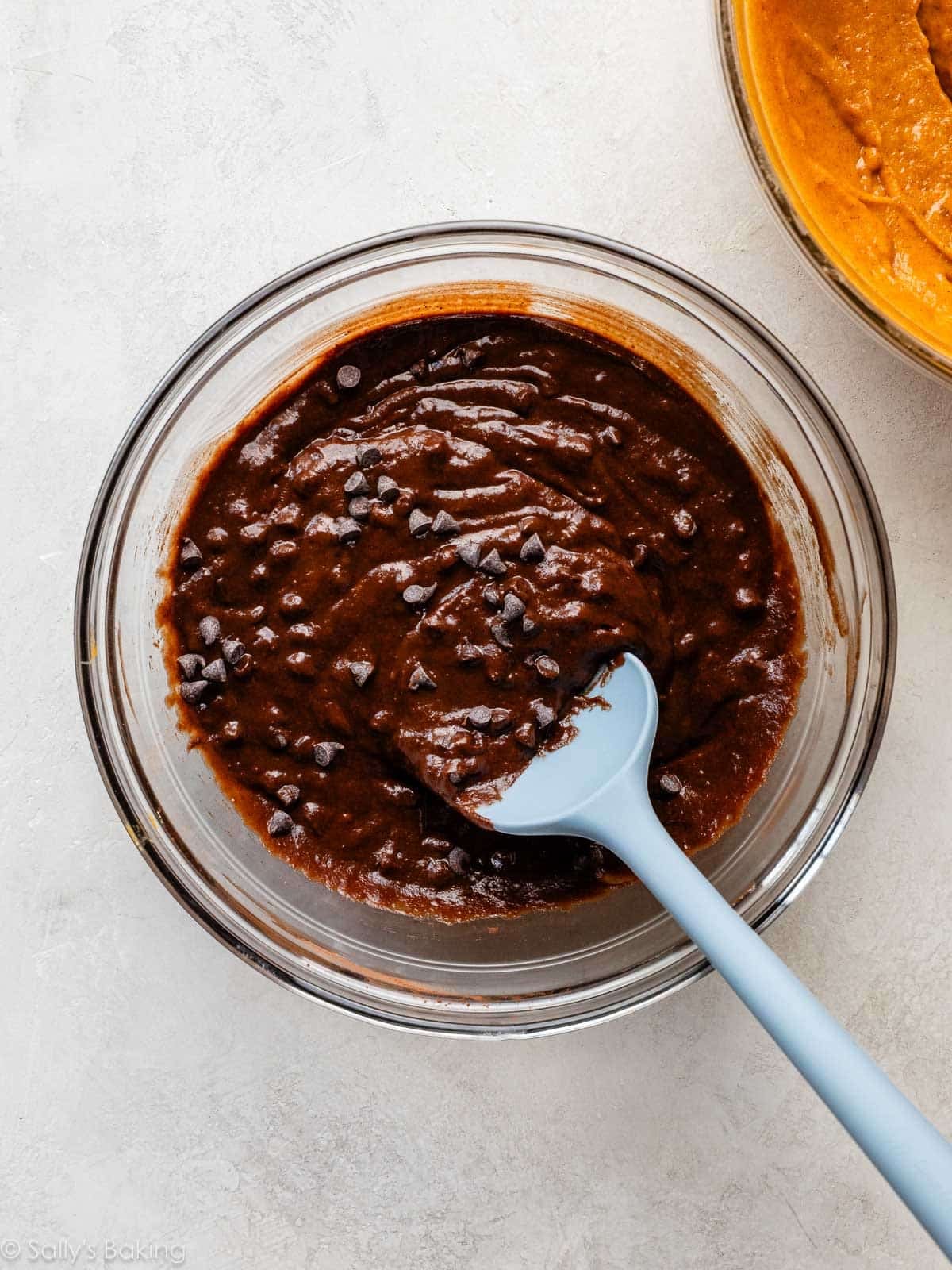
- Chemical Integration: The addition of cocoa and espresso powder necessitates the inclusion of warm liquid, typically milk. This step is not merely for consistency; it is a chemical process known as "blooming," where the heat allows the cocoa solids to release their full aromatic potential and solubility, ensuring an even distribution of flavor.
- The Marbling Phase: The structural success of the loaf depends on the folding technique. Culinary professionals recommend avoiding over-mixing, which would result in a muddy, uniform color rather than distinct streaks of cocoa and pumpkin.
Material Science: The Role of the Parchment Sling
The implementation of a "parchment sling" serves as an essential mechanical intervention in this recipe. In the production of dense, moist loaves, the removal process is often where the structural integrity of the bread is compromised. By lining the loaf pan with a parchment sheet that extends over the long edges, the baker creates a manual hoist.
This technique is particularly necessary for this recipe due to the inclusion of the chocolate crumb topping, which is susceptible to shedding and disintegration if the loaf is inverted during the extraction process. From a food safety and quality control perspective, this ensures the aesthetic appeal of the final product remains intact, which is a significant factor in the perceived value of home-baked goods.
Market Trends and Consumer Reception
Consumer sentiment toward "seasonal comfort foods" remains exceptionally high during the autumn months. Market research indicates that demand for pumpkin-based products typically peaks between late September and November, with a noticeable rise in interest regarding "remixed" versions of traditional staples.
Test panels and home-baking forums have reported high levels of satisfaction with this specific variation. The inclusion of espresso powder is a significant factor in this positive reception; the bitterness of the espresso cuts through the inherent sweetness of the pumpkin and the richness of the chocolate, creating a more balanced, mature flavor profile. This addition of coffee-based elements to chocolate desserts is a hallmark of modern pastry innovation, designed to enhance the chocolate’s depth rather than merely increasing the sweetness.
Economic and Culinary Implications
The shift toward more complex, "bakery-style" home recipes has economic implications for the baking industry. As home bakers gain access to higher-quality ingredients—such as Dutch-processed cocoa and high-fat European-style butter—the line between professional output and domestic production continues to blur.
Furthermore, the emphasis on precise measurements—such as the recommendation to use a kitchen scale for the 280-gram batter split—indicates a transition toward professionalization in the home kitchen. This reflects a broader societal interest in culinary education and the pursuit of repeatable, high-quality results.
The Chocolate Marble Pumpkin Bread is not merely a seasonal novelty; it is a case study in modern recipe development. By focusing on technical execution—the "blooming" of cocoa, the thermal management of the crumb topping, and the structural utility of the parchment sling—this recipe transforms a standard quick bread into a professional-grade experience. As the culinary landscape continues to evolve, it is expected that these "hybrid" recipes will continue to dominate the home baking market, providing consumers with both the comfort of nostalgia and the excitement of technical innovation.