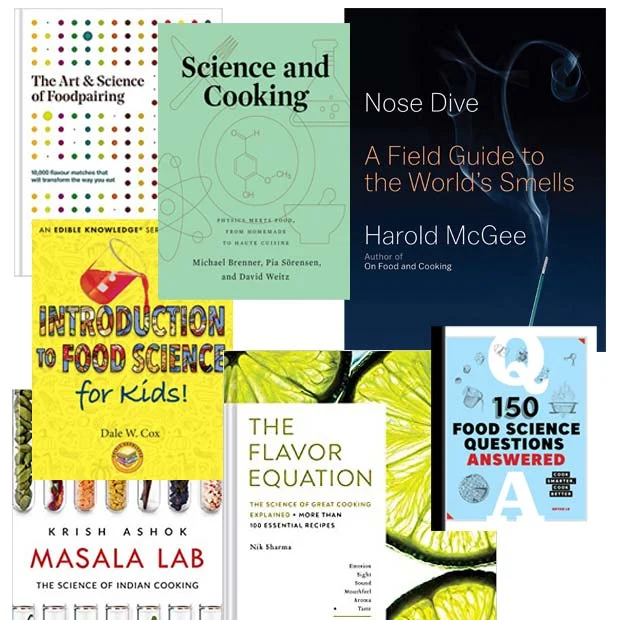

After an extended hiatus from actively curating literary recommendations, the esteemed Khymos blog has re-emerged to present a comprehensive list of notable books published in 2020, focusing on the fascinating intersection of food and science. The blog, long recognized for its insightful explorations into molecular gastronomy and the scientific underpinnings of cooking, last offered a similar compilation of "notable new books" in 2013. This recent publication signals a renewed commitment to guiding enthusiasts and professionals alike through the ever-expanding landscape of culinary science literature, highlighting titles that promise to enrich understanding and inspire innovation in the kitchen.
A Resurgence in Culinary Science Literature: The 2020 Collection
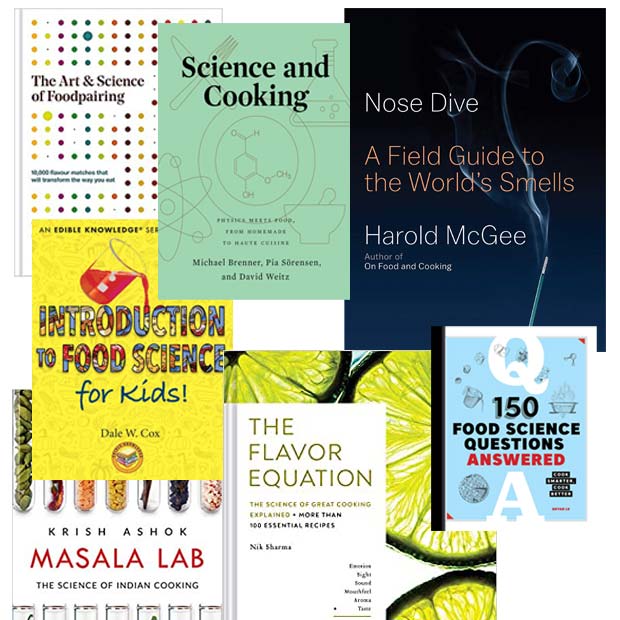
The 2020 selection curated by Khymos reflects a vibrant year for food science publishing, encompassing works that range from practical recipe-driven guides to deep dives into the sensory world and academic explorations of cooking principles. This collection underscores a growing public appetite for understanding the "why" behind culinary techniques, bridging the gap between kitchen artistry and scientific rigor.
Detailed Reviews of Featured 2020 Titles
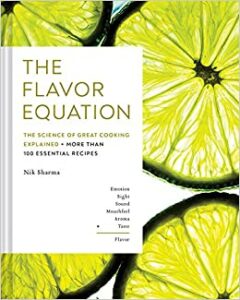
1. The Flavor Equation by Nik Sharma
Author Background and Approach: Nik Sharma, a former molecular biologist turned food writer and photographer, is celebrated for his unique ability to translate complex scientific concepts into accessible culinary insights. His previous works have consistently garnered critical acclaim for their innovative recipes and stunning visuals. The Flavor Equation, spanning 352 pages, continues this tradition by offering approximately 100 recipes where scientific principles are not merely mentioned but are intricately woven into the fabric of each dish.
Scientific Integration: A standout feature of the book is its innovative "The Flavor Approach" section integrated within each recipe. This provides concise, actionable scientific hints that explain why certain ingredients or techniques achieve specific flavor outcomes. Sharma demystifies concepts like maillard reaction, umami perception, and aroma release, making them tangible for the home cook. The remaining third of the book delves into the multifaceted nature of flavor, exploring it from chemical, physical, and psychological perspectives.
Accessibility and Practicality: Despite its scientific depth, the book is designed to be easily accessible, avoiding overly technical jargon where possible. The inclusion of metric units is a significant bonus for a global audience, further enhancing its practicality. Khymos’s "Highly recommended!" endorsement highlights its success in integrating science seamlessly into practical cooking, making it an invaluable resource for those seeking to elevate their culinary understanding.
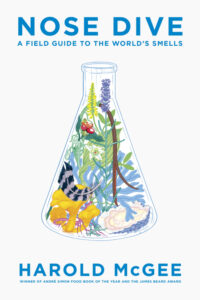
2. Nose Dive: A Field Guide to the World’s Smells by Harold McGee
The Legacy of Harold McGee: Harold McGee is an undisputed titan in the field of food science writing. His seminal work, On Food and Cooking: The Science and Lore of the Kitchen (first published in 1984), is widely credited with igniting widespread interest in the scientific aspects of food and cooking, serving as a foundational text for chefs, home cooks, and scientists alike. His latest endeavor, Nose Dive, a voluminous 688-page tome, shifts focus entirely to the often-underappreciated sense of smell.
Scope and Depth: Unlike his previous works that covered the broader spectrum of food science, Nose Dive embarks on an ambitious journey to catalogue and explain smells not just pertaining to food, but across the entire natural and anthropogenic world. From the scent of rain (petrichor) to the complex bouquet of wine, and the myriad aromas encountered in everyday life, McGee meticulously details the volatile molecules responsible for these olfactory experiences.
Scientific Engagement and Reader Experience: While the book names and discusses various volatile molecules, McGee’s masterful narrative style ensures that the scientific detail does not overwhelm the general reader. Instead, it serves to deepen appreciation for the hidden chemical world that shapes our perception of reality. The Khymos blog expresses keen anticipation for a proper deep dive into this work, acknowledging its potential to be as transformative as On Food and Cooking. The note regarding different UK and US covers also highlights the global reach and diverse packaging of such significant works.
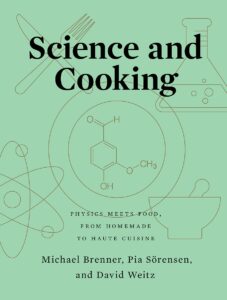
3. Science and Cooking: Physics Meets Food, From Homemade to Haute Cuisine by Michael Brenner, Pia Sørensen, and David Weitz
Origins from Harvard University: This 320-page book is a direct outgrowth of the highly successful "Science and Cooking" course first launched at Harvard University a decade prior to its publication. The course, which has gained international recognition, famously features lectures by renowned chefs, scientists, and authors who explore the scientific principles behind culinary techniques. Many of these lectures are freely available on YouTube, demonstrating a commitment to public education.
Interdisciplinary Expertise: The authors—Michael Brenner (applied mathematics), Pia Sørensen (chemistry), and David Weitz (physics)—bring a formidable interdisciplinary background to the subject. This diverse expertise allows for a comprehensive exploration of how physics, chemistry, and mathematics govern culinary processes, from emulsion stability to heat transfer and phase transitions.
Integration of Science and Recipes: The book excels in its integration of scientific explanations with practical recipes, making abstract concepts tangible. It bridges the gap between the theoretical world of the lab and the practical application in the kitchen, appealing to both academic minds and hands-on cooks. The explicit mention of metric units again underscores its appeal to a broader, scientifically-minded audience. This work serves as a testament to the power of cross-disciplinary collaboration in advancing culinary understanding.
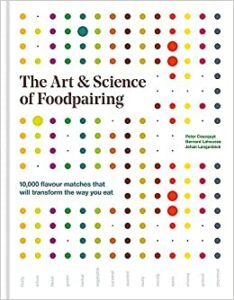
4. The Art and Science of Foodpairing by Peter Coucquyt, Bernard Lahousse, and Johan Langenbick
The Foodpairing Phenomenon: This 388-page book compiles the extensive research and practical applications developed by the company Foodpairing, co-founded by Bernard Lahousse, who has previously been featured in Khymos interviews and reports from The Flemish Primitives conferences. Foodpairing is built on the premise that ingredients share aromatic compounds, and therefore, ingredients with similar aromatic profiles are likely to pair well, even if traditionally they are not combined.
Controversy and Innovation: The concept of flavor pairing, while inspiring much culinary innovation, has also faced criticism and is considered controversial by some in the gastronomic community. Detractors often argue that sensory perception and cultural context play a far greater role than mere chemical commonalities. However, the Foodpairing company has rigorously pursued this concept, utilizing gas chromatography-mass spectrometry to analyze aromatic compounds.
Balancing Science and Art: The book navigates this debate by acknowledging where scientific data might reach its limits and where culinary artistry takes over. It provides a wealth of data-driven pairings alongside creative applications, ensuring that even skeptics can find inspiration. For those who have followed Khymos’s long-standing interest in flavor pairing, this book represents a significant culmination of research and practical guidance, promising "inspiration in the kitchen anyhow."
5. Masala Lab by Krish Ashok
A Scientific Lens on Regional Cuisine: Khymos expresses particular delight in this 280-page book, which applies a scientific treatment to regional cuisines, specifically Indian cooking. This represents an important diversification within the food science genre, which has historically focused more on Western culinary traditions. Krish Ashok, an electronic/software engineer by profession, brings a curious and analytical mind to the intricacies of Indian culinary practices.
Demystifying Traditional Techniques: Masala Lab likely breaks down traditional Indian cooking methods, explaining the scientific principles behind techniques like tempering spices, making curries, and preparing flatbreads. This approach not only demystifies complex processes but also empowers cooks to innovate and adapt recipes based on a deeper understanding of ingredient interactions.
Accessibility and Impact: The blog notes that the book was primarily available through Amazon India at the time of the review, indicating its initial targeted market. However, the enthusiasm for its content suggests a broader appeal and a significant contribution to making global cuisines accessible through a scientific framework. It highlights the universal applicability of food science principles across diverse culinary landscapes.
6. 150 Food Science Questions Answered: Cook Smarter, Cook Better by Bryan Le
Practical Q&A Format: This 198-page book is structured as a series of questions and answers, making it an ideal reference for those new to applying a scientific mindset in the kitchen. The questions are logically organized into chapters covering cooking basics, flavor fundamentals, main ingredient groups, and crucial food safety and storage.
Target Audience and Utility: Khymos recommends this book specifically for individuals who are beginning their journey into culinary science. Its format allows readers to quickly look up specific queries, but also encourages casual browsing, where readers are "confident [they]’ll find something that grabs [their] interest." It serves as an excellent entry point, providing clear, concise explanations without overwhelming detail, encouraging smarter and better cooking practices.
7. Introduction to Food Science for Kids!: A Kitchen-Based Workbook by Dale W Cox
Early STEM Education: This 112-page workbook is explicitly designed to introduce children to fundamental chemical and physical concepts through the engaging medium of kitchen experiments. The title perfectly encapsulates its purpose, making science approachable and fun for a younger audience.
The Kitchen as a Laboratory: The kitchen naturally functions as an accessible, hands-on laboratory, making it an ideal environment to demonstrate scientific principles such such as states of matter, emulsions, reactions, and thermodynamics. Books like Cox’s capitalize on children’s natural curiosity about food to foster an early appreciation for STEM subjects. This book serves as a valuable resource for parents, educators, and anyone looking to spark scientific interest in young minds through practical, edible experiments.
Broader Context: The Enduring Appeal of Food Science Literature
The resurgence of recommendations from Khymos in 2020 reflects a sustained and growing interest in food science literature, a trend that has steadily gained momentum since the early 21st century. The roots of this genre can be traced back to pioneering works like Harold McGee’s On Food and Cooking, which revolutionized how both professional chefs and home cooks perceived their craft. Before McGee, scientific principles were often implicitly understood or passed down through tradition; his work made them explicit and accessible.
The "molecular gastronomy" movement, popularized by chefs like Ferran Adrià, Heston Blumenthal, and Nathan Myhrvold (with his monumental Modernist Cuisine series), further propelled food science into the mainstream. This movement, while sometimes seen as overly intellectual or elitist, undeniably fostered a deeper inquiry into the physical and chemical transformations that occur during cooking. Publishers responded to this curiosity, leading to an increase in books that explore the science of cooking in varying degrees of depth and accessibility.
Implications for Culinary Practice and Education
The impact of these books extends far beyond the intellectual curiosity of a niche audience. For professional chefs, understanding the science behind ingredients and techniques allows for greater precision, consistency, and innovation. It empowers them to create novel textures, stabilize emulsions, and manipulate flavors with a level of control previously unimaginable. For example, understanding protein denaturation can help a chef achieve the perfect steak, while knowledge of hydrocolloids can unlock new textures in sauces and foams.
For home cooks, these books offer a path to "cooking smarter, cooking better," as Bryan Le’s title suggests. They demystify common kitchen failures, explain why certain recipes work, and provide a framework for improvisation. The integration of scientific explanations with recipes, as seen in The Flavor Equation and Science and Cooking, makes learning practical and immediately applicable. The emphasis on metric units in several recommendations also points to a globalizing culinary perspective, where precision is paramount.
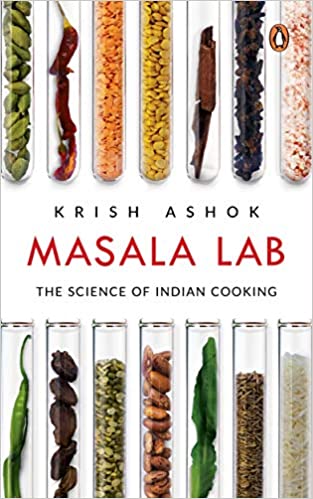
Moreover, the inclusion of books like Masala Lab and Introduction to Food Science for Kids! signifies an important broadening of the genre. Applying scientific analysis to diverse cultural cuisines not only validates traditional knowledge but also makes it more broadly understandable and adaptable. Introducing food science to children at an early age through engaging workbooks ensures that the next generation approaches food with a foundational understanding of its chemical and physical properties, potentially fostering healthier eating habits and a lifelong appreciation for scientific inquiry.
Future Outlook
The Khymos blog’s renewed commitment to recommending food science literature underscores the ongoing vitality and evolution of this field. As scientific research continues to unravel the complexities of flavor, nutrition, and cooking processes, the demand for accessible, well-researched books that translate these discoveries will undoubtedly persist. These publications serve as crucial conduits, transforming cutting-edge science into practical knowledge that enriches culinary experiences for everyone, from the amateur enthusiast to the seasoned professional. The 2020 selections collectively represent a robust snapshot of a dynamic intellectual movement, promising continued innovation and deeper appreciation for the art and science of food.