
The world of coffee has undergone a profound transformation, evolving from a simple commodity to a complex specialty beverage, increasingly understood and refined through scientific principles. This shift, often termed the "Third Wave of Coffee," emphasizes meticulous cultivation, ethical sourcing, expert roasting, and precise brewing techniques, elevating coffee to an artisanal craft akin to fine wine or craft beer. This evolving landscape has spurred enthusiasts and professionals alike to delve into the intricate chemistry and physics that dictate the final taste in the cup, moving beyond intuition to a data-driven approach to brewing.
The Scientific Revolution in the Coffee Cup: A Chronology
Historically, coffee consumption has seen several distinct phases. The "First Wave" focused on mass consumption, convenience, and affordability, often characterized by instant coffee or pre-ground vacuum-packed varieties. The "Second Wave," pioneered by companies like Starbucks, introduced the concept of specialty drinks, espresso bars, and a more sophisticated cafe experience, though still largely prioritizing milk-based beverages and darker roasts. The "Third Wave," which gained significant momentum in the early 21st century, marks a paradigm shift. It champions transparent sourcing, lighter roasts that highlight inherent bean characteristics, and precise brewing methods that extract optimal flavors. Scandinavia, in particular, has emerged as a global hub for this movement, fostering a vibrant scene of innovative roasters and dedicated enthusiasts.
This deep dive into coffee science often begins with a personal journey of discovery, much like the author’s transition from a casual, caffeine-driven drinker to an avid connoisseur. Initially, coffee served as a functional stimulant, a necessity for a demanding post-PhD commute. Over 15 years, this relationship matured, transforming into an appreciation for the nuanced flavors inherent in specialty, lightly roasted, single-sourced beans. This evolution is common among coffee lovers who, after years of simply consuming, begin to explore the vast spectrum of tastes and aromas coffee offers.

The year 2020, marked by unprecedented global changes, paradoxically provided an ideal environment for such focused exploration. Reduced social interaction created more time for contemplation and, for many, a deeper engagement with home-based hobbies. For the author, this manifested in a Coffee Advent Calendar from Kaffebox, a Scandinavian subscription service delivering monthly shipments from various Nordic roasters. This experience, involving 24 days of blind tasting, proved revelatory, highlighting the impact of bean origin and processing on flavor, and underscoring the learning curve inherent in coffee appreciation: "When you win, you win — when you lose you learn."
Simultaneously, experimentation with various hand grinders, alongside a trusty Rancilio Rocky, introduced a significant variable into the daily routine. This initial frustration, stemming from an inability to consistently produce good pour-over coffee, became a catalyst for rigorous study. The realization of how challenging it was to achieve reproducible results prompted a comprehensive review of existing scientific literature and industry best practices. While previous explorations into extraction (water, oil, ethanol, beer brewing, Norwegian egg coffee, Aeropress, salt in coffee, espresso) had been published on Khymos, the recent immersion revealed a previously unappreciated depth of knowledge, particularly concerning pour-over and drip coffee. The past decade has witnessed an explosion of scientific publications directly applicable to both professional cafes and home brewing, signaling a maturation of coffee science.
Mastering Extraction: Key Parameters and Their Scientific Underpinnings
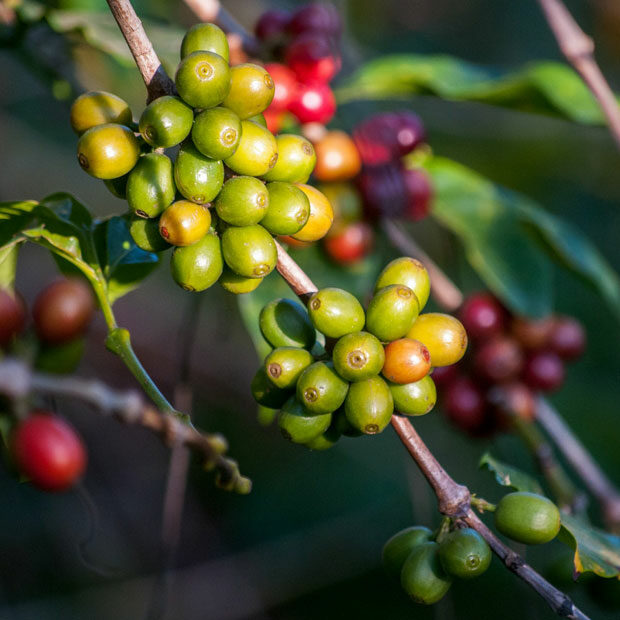
The journey from a Coffea arabica fruit on a shrub to a brewed cup involves countless variables, many beyond the consumer’s control, such as farming practices, harvesting, and initial processing. However, once a bag of roasted beans reaches the kitchen, a set of critical parameters come into play, allowing the brewer to significantly influence the final product. Understanding and controlling these variables is central to the scientific pursuit of the perfect cup.
Brew Ratio (BR): The Foundation of Strength
The Brew Ratio (BR) is the most fundamental parameter in coffee brewing, defining the proportion of water to coffee grounds. Typically expressed as a ratio of water mass to coffee mass, a common starting point for drip or pour-over coffee is 60 grams of coffee for 1000 grams of water, yielding a BR of 16.7 (1000/60). This simple number acts as a "recipe" anchor, similar to a baker’s percentage for dough, allowing for easy scaling up or down. Brew ratios for black coffee generally fall within the range of 15-25:1, with lower ratios indicating stronger coffee and higher ratios resulting in a milder brew. Adjusting the BR directly impacts the perceived strength and can significantly alter the balance of flavors extracted.
Total Dissolved Solids (TDS): Quantifying Strength
Beyond a subjective assessment of strength, Total Dissolved Solids (TDS) offers an objective, measurable metric. TDS represents the percentage by mass of soluble coffee compounds dissolved in the water. For many, coffee that is "too strong" often manifests as bitterness, which can sometimes be alleviated by merely adding hot water, revealing underlying fruity notes. This subjective experience highlights the need for a precise measure like TDS.
The principle behind coffee extraction is straightforward: hot water dissolves soluble compounds from ground coffee. Traditionally, TDS could be measured gravimetrically by evaporating a known mass of coffee beverage and weighing the residual solids. However, this method is impractical for home or cafe use due to the small quantities involved (1.2-1.5% TDS, or 12-15 grams per liter) and the need for highly accurate laboratory balances (0.0001g precision).
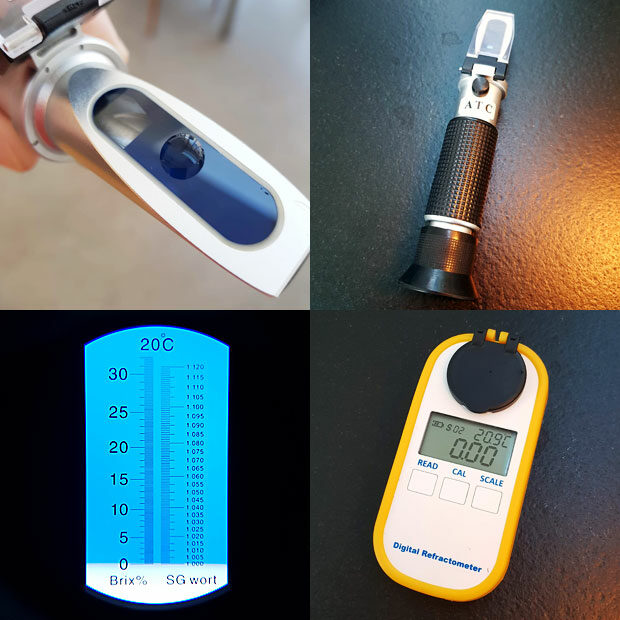
Fortunately, refractometry provides a more accessible solution. Refractometers measure the refractive index of a liquid, which changes based on the concentration of dissolved solids. Light travels at different speeds through pure water versus water containing dissolved coffee compounds, and this difference is quantifiable.
- Handheld Refractometers: These analog devices, often available with a %Brix scale, offer an affordable entry point. A conversion factor (e.g., %TDS = %Brix x 0.85) allows for estimation. While useful for determining if TDS falls within a typical range (1.2-1.5% TDS, corresponding to roughly 1.4-1.8% Brix), their resolution (0.0-0.2 %Brix) is insufficient for fine-tuning. Despite this, a handheld refractometer is a versatile kitchen tool, valuable for measuring sugar content in sorbets (aiming for ~26% Brix) or specific gravity (SG) in homebrewed beer.
- Digital Refractometers: These offer higher accuracy, often with 0.01 °Brix readout and automatic TDS conversion. While pricier, they provide the precision necessary for detailed analysis and optimization.
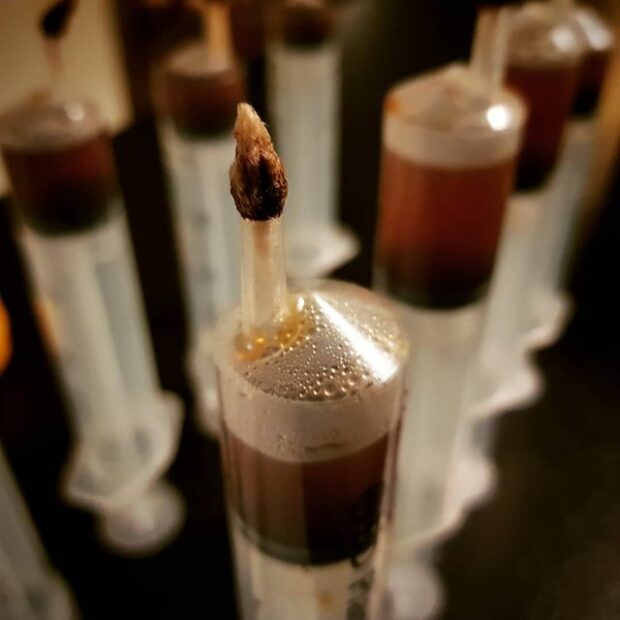
For accurate TDS measurement during extraction, particularly for time-sensitive experiments, samples must be hot-filtered to halt further extraction and then cooled completely before measurement. A simple, cost-effective DIY method involves using plastic syringes with cotton plugs for hot filtering and cooling. This minimizes evaporation, ensures samples cool uniformly, and avoids the expense of lab-grade syringe filters. The plunger system allows for precise sample delivery without additional pipettes, making it an efficient, low-waste workflow for the home coffee scientist. It’s a sobering thought that a "normal" cup of black coffee is still over 98% water, underscoring the delicate balance of dissolved solids that define its character.
Extraction Yield (EY & EEY): Measuring Efficiency and Flavor Profile
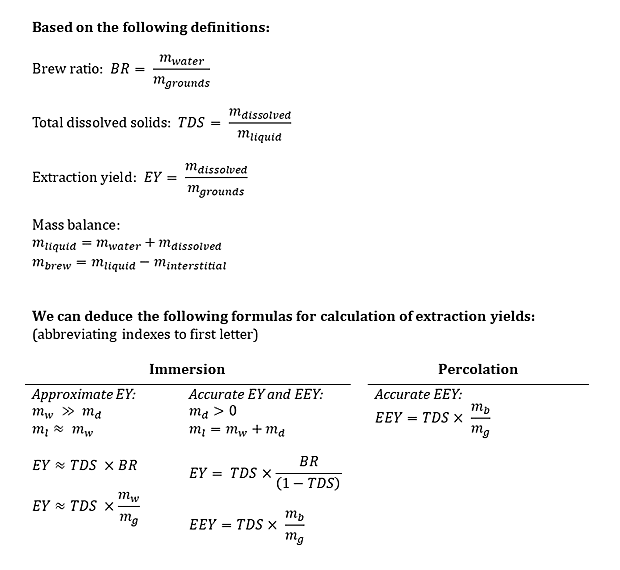
Once TDS is known, the Extraction Yield (EY) can be calculated, representing the percentage of the dry coffee grounds that have been dissolved into the brew. This metric is crucial for understanding the efficiency of the brewing process and its impact on flavor. The Specialty Coffee Association (SCA) often references the "Coffee Brewing Control Chart," which plots TDS against EY, indicating an ideal "sweet spot" for balanced extraction (typically 18-22% EY and 1.15-1.35% TDS).
However, calculating EY can be complex, particularly when differentiating between immersion and percolation brewing methods due to the "interstitial liquid" remaining within the grounds. The author proposes two definitions:
- Extraction Yield (EY): Focuses on the total solids extracted from the grounds into the entire liquid mass (brew + interstitial).
- Effective Extraction Yield (EEY): Focuses on the total solids delivered into the cup.
For an immersion brew (e.g., French press), where all liquid is mixed, EY and EEY are often similar, assuming the entire liquid mass is consumed. For percolation brews (e.g., pour-over), where fresh water continually passes through the coffee bed, the interstitial liquid in the spent grounds does not contribute to the final cup, making EY and EEY distinct. Leading coffee scientists like Scott Rao and Jonathan Gagné have extensively discussed these nuances, highlighting the importance of precise definitions for accurate analysis.
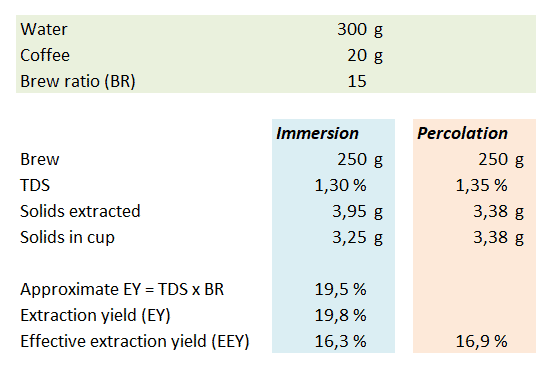
An example illustrates this: Using 20g of coffee and 300g of water, yielding 250g in the cup.
- Immersion Brew: If TDS is 1.30%, the total dissolved solids (m_dissolved) in the entire liquid mass (300g water + m_dissolved) is ~3.95g, leading to an EY of ~19.8%. However, only 250g reaches the cup, containing ~3.25g solids, for an EEY of ~16.3%.
- Percolation Brew: If TDS in the cup is 1.35%, the solids in the 250g cup are ~3.38g, resulting in an EEY of ~16.9%. In percolation, EY typically equals EEY as the focus is on what is delivered to the cup.
This example demonstrates that percolation methods are often more efficient at delivering solids to the cup, while immersion might extract slightly more total solids from the grounds into the overall liquid mass. The difference in extracted solids (e.g., 3.95g vs. 3.38g in the example) is significant enough to explain the distinct flavor profiles of immersion and percolation coffees. The hundreds of chemical compounds extracted will not be identical in composition when different total masses are dissolved.
Accuracy in EY calculations is paramount. An uncertainty of 0.02% TDS can translate to a significant error (e.g., +/- 0.25g coffee at 20% EY), particularly with lower-resolution handheld refractometers where 0.1% TDS uncertainty is common, leading to errors of +/- 1.3g coffee or +/- 1.7% in EY for a 15g dose. Factors like evaporation during brewing also affect the brew ratio and, consequently, yield calculations, though often disregarded for practical reasons. Even the 1-4% water content within roasted beans should ideally be factored into highly accurate yield calculations.
Grind Size and Particle Size Distribution (PSD): The Heart of Extraction
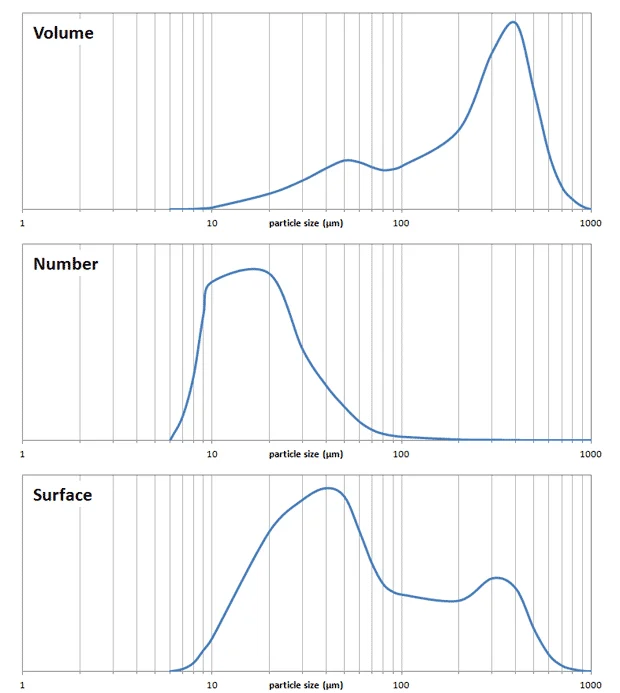
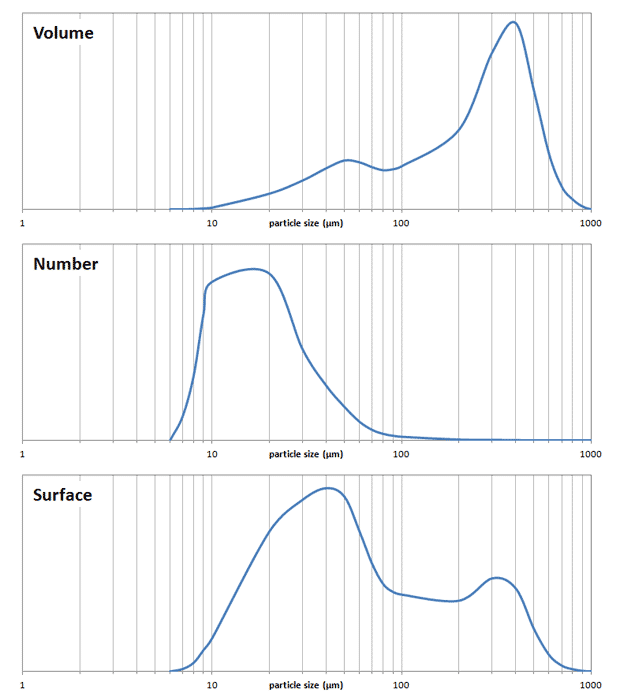
After the quality of the beans themselves, grind size and its distribution (PSD) are arguably the most critical factors influencing extraction. When a roasted coffee bean is ground, it shatters into a range of particles: large "boulders," medium-sized fragments, and very fine particles, often termed "fines" (generally defined as <100 µm). A uniform grind size is notoriously difficult to achieve.
The visualization of PSD is crucial. While volumetric distributions are common, they can be misleading. A volume distribution might show a low percentage of fines, but a particle count distribution reveals a massive number of tiny particles. More importantly, the surface area distribution provides the most accurate picture of extraction potential. It highlights that a disproportionately large amount of extraction occurs from the surface of fine particles. For example, over half of the extraction surface area might come from particles smaller than 100 µm.
This observation is critical in light of the "100 µm extraction depth" hypothesis, put forth by figures like Matt Perger of Barista Hustle. This theory suggests that coffee particles are only extracted to a depth of approximately 100 µm. This implies that larger particles (boulders) have unextracted cores, representing "wasted" coffee. While larger particles may be inefficient extractors, they are crucial for maintaining the structural integrity of the coffee bed in pour-over methods, preventing clogging and ensuring adequate flow rates (drawdown time).
The ideal PSD for pour-over coffee is generally considered to be a narrow distribution, minimizing both fines and boulders. Fines contribute to over-extraction (bitterness), clogging filters, and slowing drawdown, while boulders lead to under-extraction (sourness) and inefficient use of coffee. The challenge lies in the dual effect of grind size on both extraction rate and water flow through the coffee bed.
The choice of grinder profoundly impacts PSD. Inexpensive blade grinders (choppers) produce highly inconsistent grinds with excessive fines, making them unsuitable for quality coffee. Burr grinders, available in manual and electric forms, are the standard. They feature two abrasive surfaces (burrs) that crush coffee beans between them.
- Conical Burrs: More compact, typically found in hand grinders and some home electric grinders.
- Flat Burrs: Often larger, found in higher-end home and professional grinders. Different groove designs exist, optimized for espresso (which benefits from a certain amount of fines for pressure building) or pour-over (where fines are undesirable).
From a pure grinding perspective, commercially pre-ground coffee, processed by industrial cylindrical grinders, often achieves extremely narrow PSDs. However, the trade-off is freshness. To mitigate oxidation, industrially ground coffee is typically packed in inert atmospheres (nitrogen). Once opened, the vast surface area of ground coffee rapidly oxidizes, leading to stale flavors within days. This is why freshly grinding whole beans just before brewing is paramount for specialty coffee.
Advanced home techniques include sifting (e.g., with Kruve sifters) to remove fines, or "double grinding" – first a coarse grind, then a finer one – to potentially narrow the PSD by reducing the strain on the grinder in a single pass. While these experiments are simple to conduct, evaluating their impact requires accurate PSD measurement, which remains a challenge for most home brewers.
Freshness of Beans: Battling Oxidation
The freshness of roasted coffee beans is a critical determinant of flavor quality. After roasting, coffee beans undergo a process called "degassing," releasing carbon dioxide, which can be seen as the "bloom" during brewing. More importantly, roasted coffee contains delicate oils and aromatic compounds that are highly susceptible to oxidation when exposed to air. This oxidative degradation leads to the formation of undesirable "stale" or rancid flavors, rapidly diminishing the coffee’s aromatic complexity.
To preserve freshness, beans should be stored in an airtight container, ideally in a dark, cool place. Removing as much air as possible from the storage bag or container is crucial. For longer-term storage of larger quantities, freezing or refrigeration can significantly slow down the oxidation process due to lower temperatures, which reduce the rate of chemical reactions. However, it is essential to ensure beans are thawed properly and not exposed to moisture during this process. Crucially, coffee should only be ground immediately before brewing, as grinding dramatically increases the surface area exposed to oxygen, accelerating staling from days to mere minutes or hours.
Water Composition: The Unsung Hero of Flavor
Often overlooked, water is perhaps the most critical ingredient in coffee, making up over 98% of the final beverage. Its composition, particularly its mineral content and pH, profoundly influences extraction and flavor. Water is not merely a solvent; its dissolved minerals interact chemically with coffee compounds.
- Key Minerals: Calcium and magnesium ions contribute to "hardness" and play a crucial role in extracting desirable flavor compounds, particularly acids and some aromatic molecules, leading to a brighter, more complex cup. Bicarbonates, on the other hand, contribute to "alkalinity" or buffering capacity. While some alkalinity is beneficial for rounding out acidity and preventing overly sour coffee, excessive bicarbonates can flatten flavors and lead to a chalky taste.
- pH: The pH of brewing water also affects extraction. Slightly alkaline water can reduce perceived acidity in the coffee, while overly acidic water might exacerbate it.
- SCA Water Standards: The Specialty Coffee Association (SCA) provides specific recommendations for brewing water, including targets for total hardness (50-175 ppm CaCO3), alkalinity (40-75 ppm CaCO3), and pH (6.5-7.5). These standards aim to promote optimal extraction and flavor clarity.
Tap water composition varies widely by region. Areas with "soft" water (low mineral content), like Norway, may require adding minerals to achieve ideal brewing parameters. Conversely, "hard" water regions might need filtration or dilution with distilled water. The concept of "DIY mineral waters," where specific salts (e.g., magnesium sulfate for hardness, calcium chloride for flavor development, sodium bicarbonate for alkalinity) are added to distilled or reverse osmosis water, allows brewers to precisely tailor their water profile. Tools like the author’s Excel spreadsheet, designed to calculate mineral additions, are invaluable for this scientific approach to water. Jonathan Gagné’s Coffee Ad Astra blog also offers various water recipes, often starting from distilled water, reflecting the need for precise control.
Temperature: The Kinetic Catalyst
Temperature is a primary driver of the extraction process, influencing both the solubility of compounds and the rate at which they diffuse from the coffee grounds into the water.
- Solubility and Diffusion: Higher temperatures generally increase the solubility of chemical compounds and accelerate diffusion, leading to a faster and more complete extraction. This means a wider range of compounds, including some less desirable ones (e.g., bitter compounds), can be extracted more quickly at higher temperatures.
- Optimal Range: The generally accepted optimal brewing temperature range for hot coffee is between 90-96°C (195-205°F). Within this range, brewers can fine-tune extraction by adjusting temperature. Too low, and the coffee can be under-extracted and sour; too high, and it risks over-extraction and bitterness, as well as scorching delicate aromatics.
- Sensory Perception: The temperature of the final beverage itself also significantly impacts sensory perception. Research indicates that the perception of sweetness and bitterness tends to weaken as a beverage cools, while sourness and saltiness remain more stable. This is why a coffee might taste balanced when hot but become overly sour or bitter as it cools, making comparative tasting at consistent temperatures crucial.
- Cold Brew: Cold brewing intentionally lowers the extraction temperature, typically done overnight in a refrigerator. This significantly slows down extraction, yielding a coffee with a distinct flavor profile, often lower in acidity and bitterness compared to hot brews, due to the differential solubility and extraction rates of compounds at lower temperatures.
Practical considerations, such as heat loss during pour-over, are also important. The temperature of the slurry can drop significantly during a typical 3-5 minute pour, affecting extraction consistency. Using preheated brewing equipment and pouring techniques that maintain temperature are crucial for reproducibility.
Filter Material: Shaping Clarity and Body
The choice of filter material profoundly influences the clarity, body, and flavor profile of the final cup. Filters primarily function by physically separating coffee grounds from the liquid brew, but they also interact chemically and physically with the coffee components.
- Particle Retention: Paper filters are highly effective at trapping microscopic particles, resulting in a "cleaner" cup with minimal sediment. The human palate is remarkably sensitive; studies have shown that in chocolate, a "just noticeable difference" in particle size can be as fine as 5 µm. This explains why a French press, which uses a metal mesh filter, often tastes "muddy" or has a pronounced "body" or "texture" due to the presence of fine particles, whereas a Chemex, with its exceptionally thick paper filter, yields a remarkably "clean" and bright cup.
- Oil Adsorption: Paper filters also adsorb and retain some of the coffee oils, which contribute significantly to mouthfeel and flavor complexity in brews like espresso. Metal filters, conversely, allow oils to pass through, resulting in a richer, fuller-bodied coffee. Experimenting with metal filters in standard drippers (V60, Kalita) or Aeropress can provide a benchmark for understanding the contribution of these oils.
- Paper Filter Science:
- Bleached vs. Unbleached: While unbleached filters may be favored for environmental reasons, they often contain more residual lignin and hemicellulose, which can impart undesirable papery or woody flavors to the coffee. Bleaching processes, now predominantly chlorine-free, remove these compounds, leaving behind purer cellulose. From an environmental perspective, the impact of coffee filters is often minimal compared to broader dietary choices (e.g., meat consumption).
- Pore Size and Performance: The variety of scientific filter papers (e.g., Whatman grades) demonstrates the extensive research into filtration. For coffee, pore size is a trade-off between flow rate and particle retention. Jonathan Gagné’s in-depth analysis of coffee filters (Hario, Chemex, Cafec, Aesir) on Coffee Ad Astra, complete with microscopy, highlights the structural differences. Crucially, the performance of a filter changes when wet, as cellulose fibers swell, altering pore size and filtration dynamics.
Synthesizing the Science: A Hierarchical Approach to Brewing Improvement
Navigating the multitude of