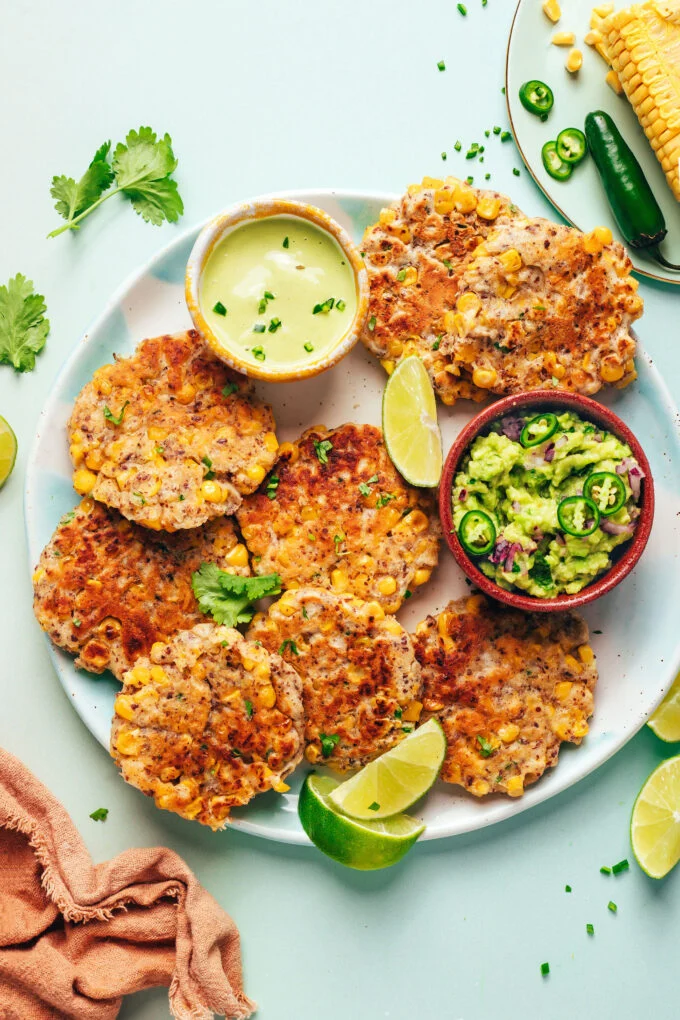

The Culinary Evolution of the Corn Fritter
The history of the corn fritter is deeply rooted in the intersection of Native American agriculture and European frying techniques. Corn, or Zea mays, has been a staple of the North American diet for millennia, but the transformation of the grain into a fried batter cake is largely attributed to the Southern United States. Traditionally, these fritters relied heavily on lard, eggs, and buttermilk to achieve their characteristic texture. However, the modern gastronomic landscape has necessitated a shift toward plant-based substitutes.
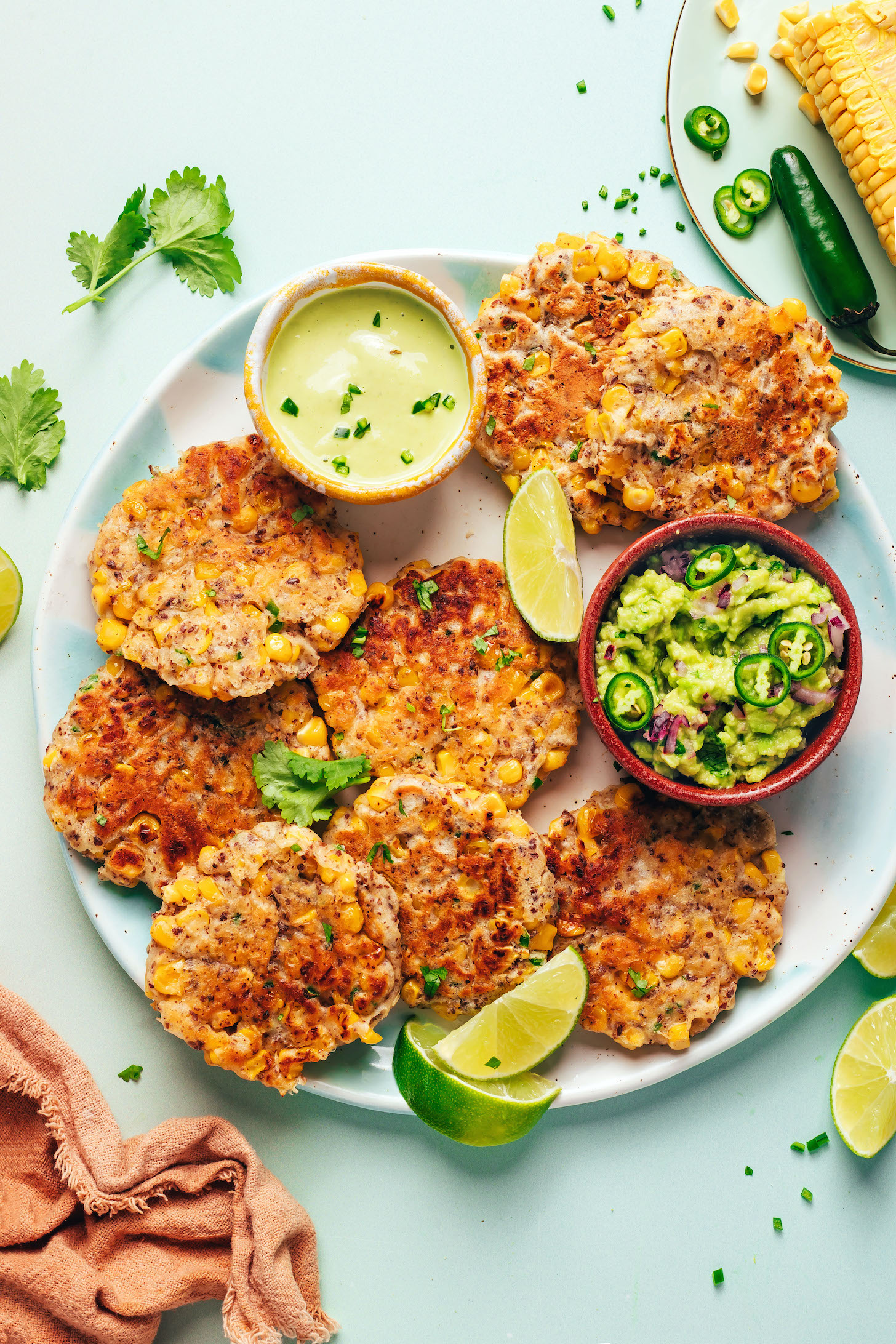
The "Minimalist Baker" approach to this dish highlights a broader movement in the food industry toward transparency and simplicity. By limiting the recipe to ten ingredients, the process addresses a common consumer complaint regarding the complexity and perceived "unnatural" ingredients found in some vegan meat and dairy alternatives. The use of fresh summer corn aligns with farm-to-table philosophies, emphasizing the importance of seasonal produce in maximizing flavor profiles.
Technical Composition: Engineering a Vegan Binder
One of the primary challenges in vegan baking and frying is the replication of the structural properties provided by eggs. In the preparation of these jalapeño corn fritters, the recipe utilizes a "flax egg"—a mixture of ground flaxseed meal and water. From a biochemical perspective, flaxseeds contain high levels of mucilage, a gummy substance that, when hydrated, creates a viscous texture capable of binding dry ingredients together.
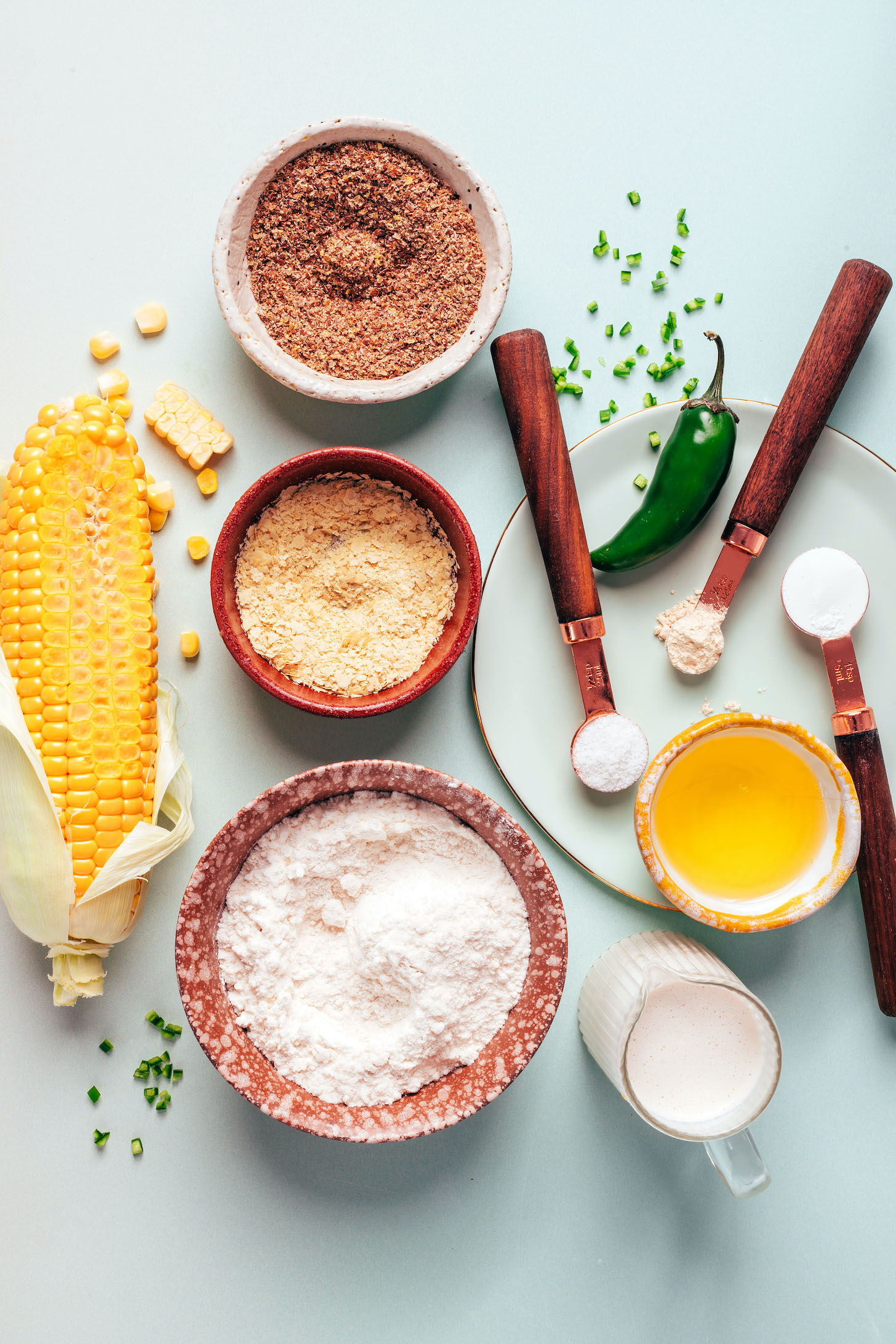
The technical breakdown of the batter includes:
- Binding Agent: Flaxseed meal, which provides both structural integrity and a boost of Omega-3 fatty acids.
- Leavening: Baking powder, which reacts with the moisture and heat to create carbon dioxide bubbles, ensuring the fritters are not overly dense.
- Flavor Enhancers: Garlic powder, sea salt, and nutritional yeast. The latter is particularly significant in vegan cooking, as it provides a "umami" or cheesy flavor profile that replaces the need for dairy-based additives.
- Moisture: Unsweetened dairy-free milk, such as cashew or almond milk, which facilitates the creation of a thick, fluffy batter.
The recipe also offers a gluten-free modification. Traditional all-purpose flour provides elasticity through gluten proteins; however, modern 1:1 gluten-free blends—often utilizing a mix of rice flour, potato starch, and xanthan gum—have reached a level of sophistication where they can mimic the "absorbent and neutral" qualities of wheat flour, as noted in the recipe’s technical notes.
Chronology of Preparation and Methodology
The production of Easy Jalapeño Corn Fritters follows a strict 30-minute timeline, divided into distinct phases of preparation and thermal processing.
Phase I: Preparation (0–10 Minutes)
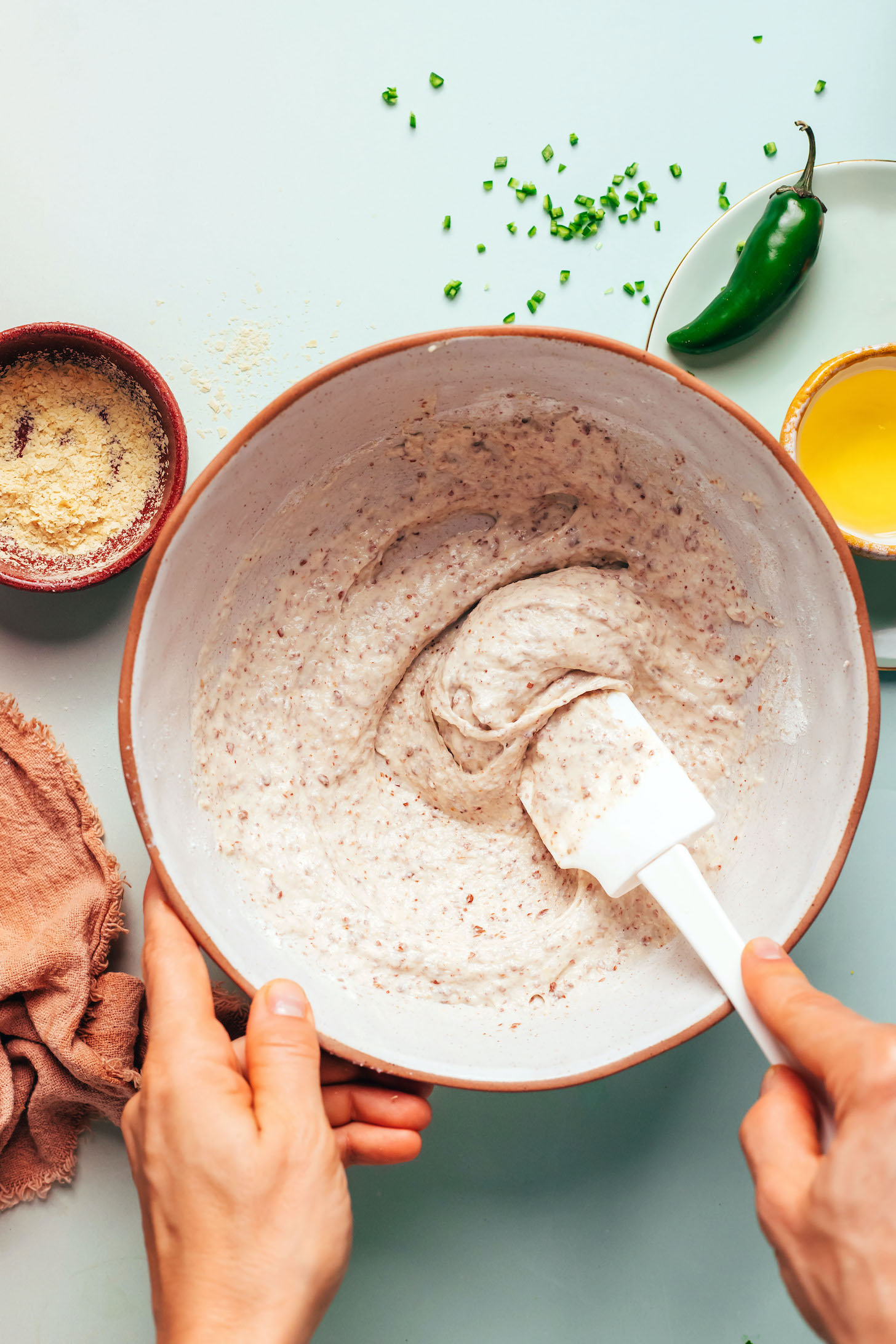
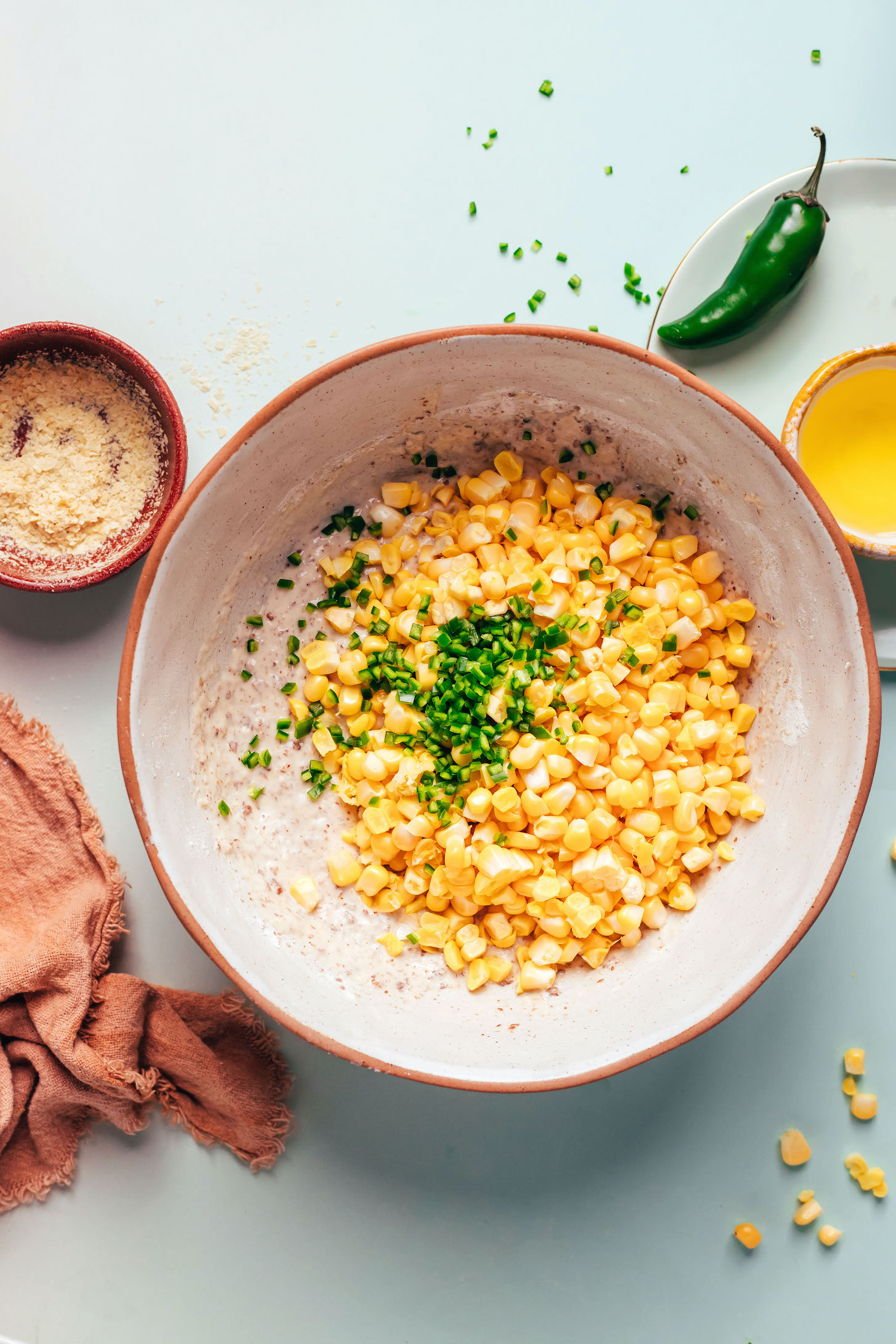
The initial stage involves the mechanical processing of the vegetables and the hydration of the binding agents. Fresh corn is shucked and removed from the cob, while jalapeños are finely diced. The "one-bowl" methodology dictates that the dry ingredients are combined first, followed by the gradual introduction of dairy-free milk and the flax meal. This sequence prevents the over-development of starches and ensures a consistent texture.
Phase II: Batter Integration (10–15 Minutes)
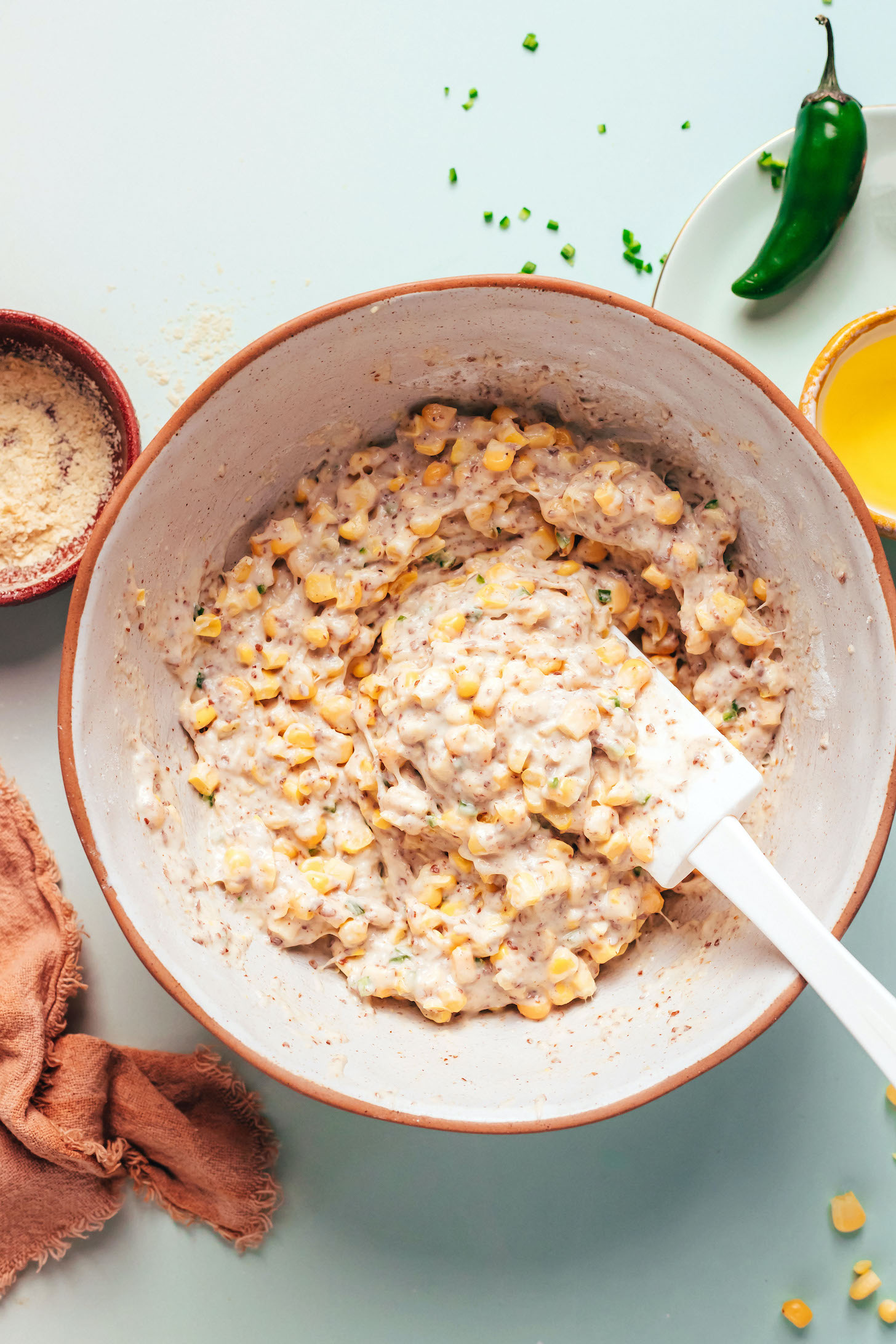
Once the base batter has reached a thick, fluffy consistency, the solid ingredients—corn kernels and jalapeño bits—are folded in. This phase is critical for ensuring that the corn is evenly distributed, providing a "pop" of sweetness in every bite. If frozen corn is used as a substitute, it must be thawed and meticulously dried to prevent excess moisture from compromising the batter’s viscosity.
Phase III: Thermal Processing (15–30 Minutes)
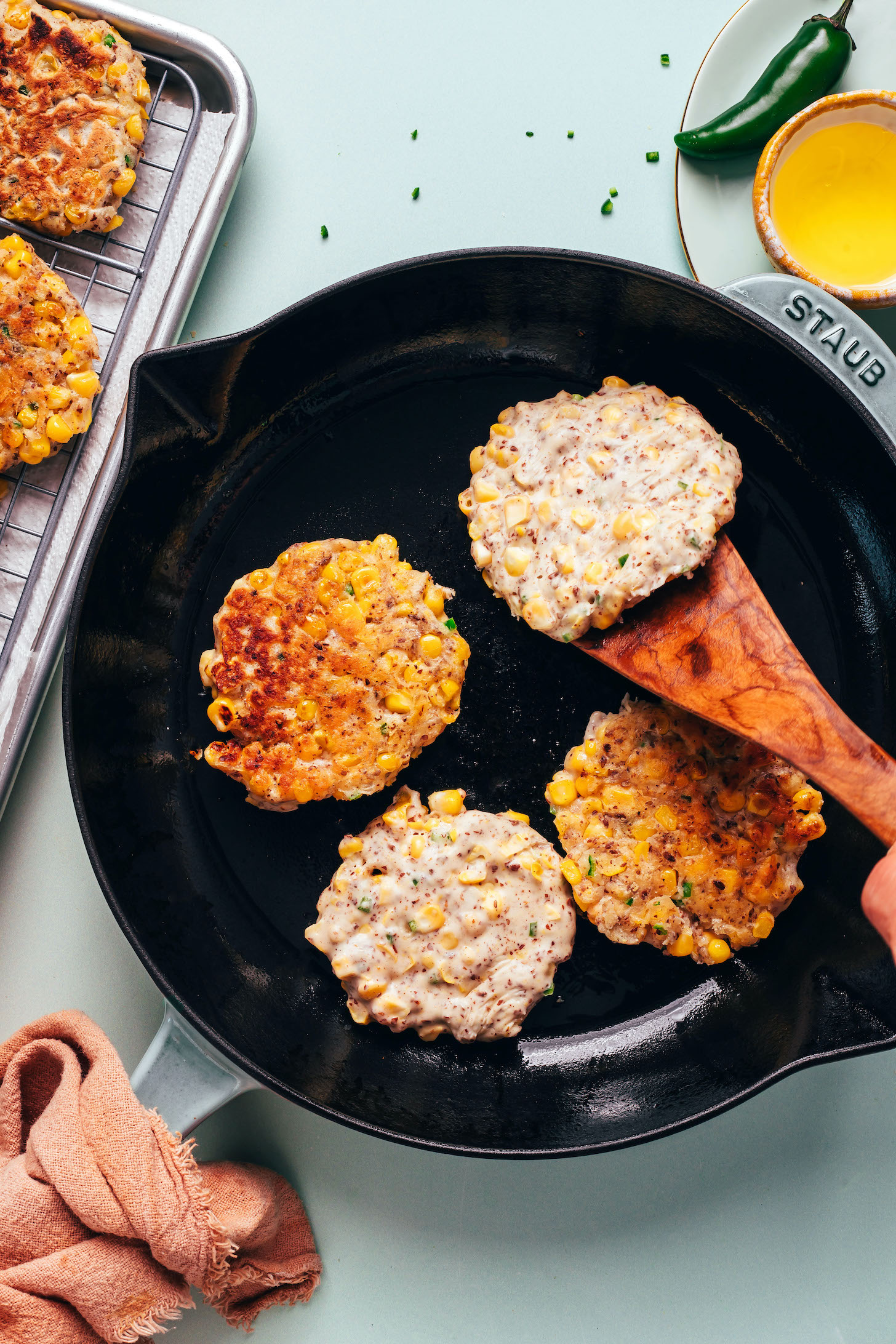
The final stage utilizes a "shallow fry" technique rather than deep-frying. This method involves using approximately one tablespoon of avocado oil in a cast-iron skillet. Avocado oil is selected for its high smoke point (approximately 520°F or 271°C), which prevents the oil from breaking down into harmful compounds during the cooking process. Each fritter is cooked for 2-3 minutes per side until golden brown. This specific methodology reduces the overall fat content of the dish while maintaining the desired "crispy-on-the-outside" texture.
Nutritional Breakdown and Health Implications
Based on the provided nutritional data, a single fritter contains approximately 103 calories. The macronutrient distribution is as follows:
- Carbohydrates: 16.2g
- Protein: 2.4g
- Fat: 3.8g (with only 0.5g of saturated fat)
- Fiber: 1.9g
The inclusion of jalapeños adds more than just heat; it introduces capsaicin, a compound known for its metabolic-boosting properties and potential anti-inflammatory effects. Furthermore, by opting for a vegan and optionally gluten-free profile, the dish caters to individuals with lactose intolerance, egg allergies, and celiac disease. The use of nutritional yeast also adds trace amounts of B vitamins, which are often a concern in strictly plant-based diets.
Market Context and Consumer Trends
The rise of recipes like the Easy Jalapeño Corn Fritters is supported by significant market data. According to industry reports, the global vegan food market was valued at approximately $26.83 billion in 2021 and is projected to expand at a compound annual growth rate (CAGR) of 12.4% through 2030. This growth is driven by a "flexitarian" consumer base—individuals who are not necessarily strictly vegan but are actively looking to reduce their consumption of animal products for health and environmental reasons.
Furthermore, the "minimalist" cooking trend reflects a shift in consumer behavior toward home-prepared meals. Data from market research firms suggest that during the post-pandemic era, consumers have maintained a higher frequency of cooking at home but demand "low-friction" recipes that require minimal cleanup and common pantry staples. The 10-ingredient, one-bowl constraint of this corn fritter recipe perfectly aligns with these market demands.
Broader Impact and Culinary Versatility
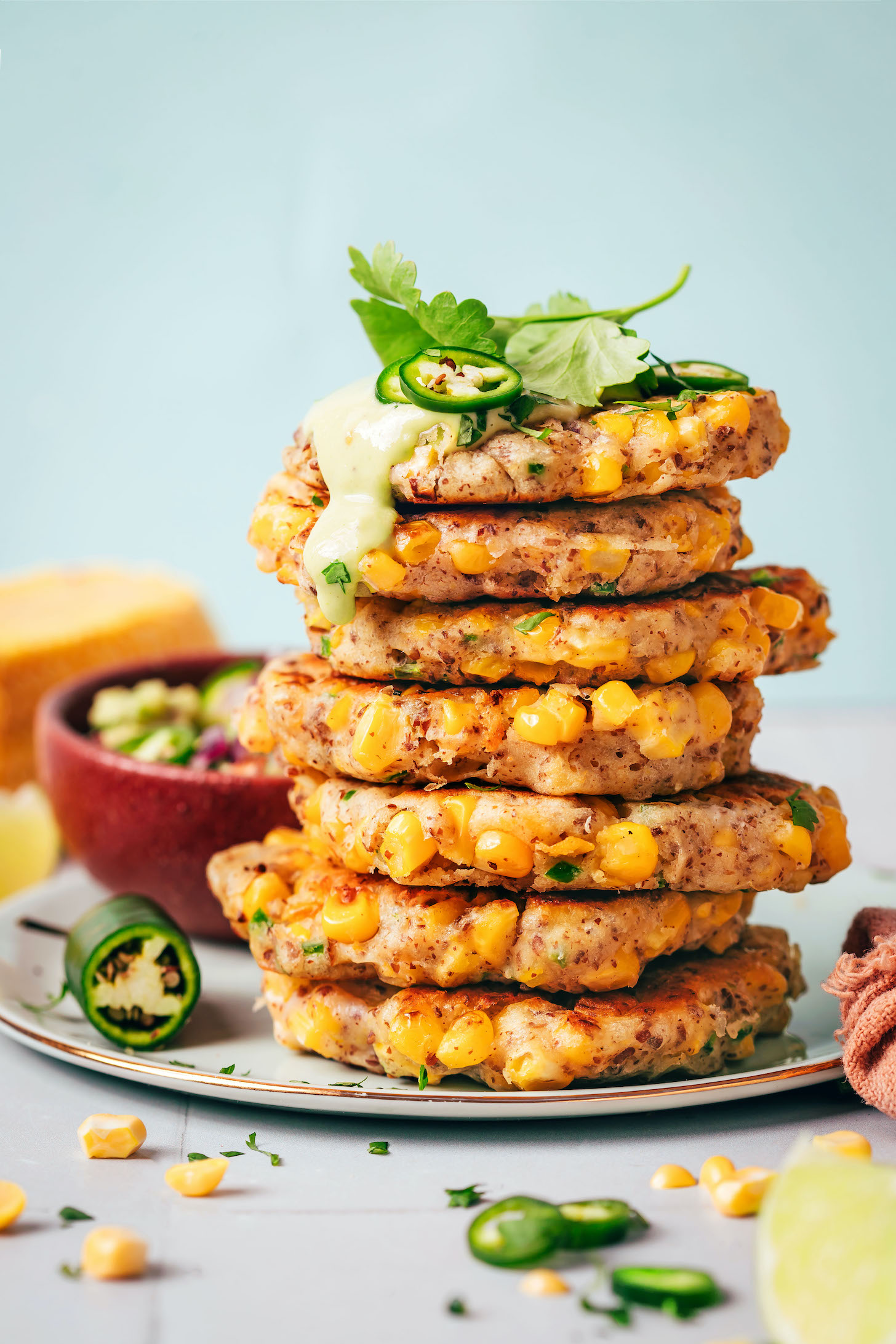
While the Easy Jalapeño Corn Fritters serve as a standalone appetizer, their culinary impact is extended through pairing and versatility. In a professional kitchen setting, these fritters would be classified as a "bridge" food—one that can transition between a snack, a side dish, or a component of a larger entree.
Suggested pairings include:
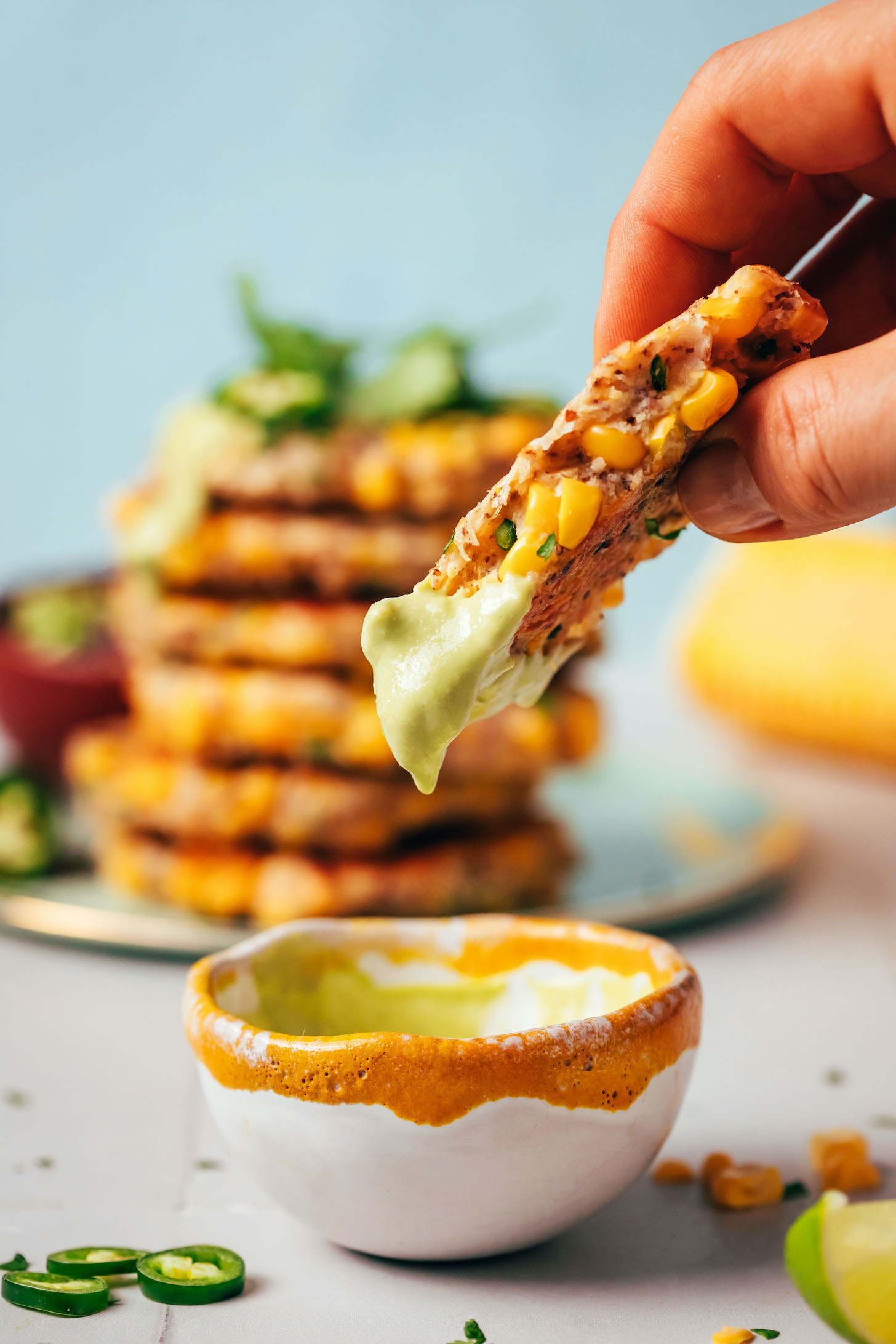
- Dipping Sauces: Creamy cashew jalapeño sauce or vegan ranch dressing to provide a cooling contrast to the fritter’s heat.
- Main Courses: Grilled proteins or BBQ-seasoned dishes, which complement the natural sweetness of the corn.
- Seasonal Salads: Utilizing the fritters as a crouton-like element in a fresh summer salad.
The recipe’s adaptability to frozen corn also ensures its relevance outside of the peak summer harvest, allowing consumers to access "summertime" flavors year-round. This is particularly relevant in regions where fresh produce seasons are short, providing a consistent way to incorporate whole grains and vegetables into the diet.
Conclusion: Bridging the Gap Between Convenience and Nutrition
Easy Jalapeño Corn Fritters (Vegan) represent more than just a quick snack; they are a testament to the sophistication of modern plant-based cooking. By utilizing scientific binding substitutes like flaxseed and prioritizing high-smoke-point oils for shallow frying, the recipe achieves a balance of health and indulgence. As the food industry continues to move toward simpler, more transparent ingredient lists, the "one-bowl, 30-minute" model is likely to become the gold standard for accessible home cooking. This dish successfully bridges the gap between traditional comfort food and the nutritional requirements of the 21st-century consumer, proving that dietary restrictions do not have to result in a restriction of flavor.