The universal human desire to live a longer, healthier life has never been more pronounced than in the 21st century. Driven by advancements in medicine, technology, and an ever-expanding wellness industry, individuals are increasingly seeking not just to extend their lifespan but to "optimize" every aspect of their physical and mental well-being. This pursuit, however, often leads consumers into a labyrinth of complex claims, advanced protocols, and significant financial outlays, prompting a critical examination of whether these extreme measures are truly necessary, effective, or ultimately worth the trade-offs.
For most individuals, the answer to the question "Do you want to live longer and healthier?" is an unequivocal "Yes." This natural inclination fuels a multi-billion-dollar global industry promising everything from reversing chronic disease and extending a youthful glow to achieving unprecedented longevity, potentially reaching ages like 115 or even beyond. A vast array of fitness influencers, authors, podcasters, and specialized clinics now offer detailed blueprints for achieving these ambitious goals. Yet, a fundamental question remains: are their ultra-specific, often expensive, and demanding protocols truly essential for a healthy, long life, or do they represent an overcomplication of what might be achieved through more accessible and sustainable means?
The Historical Pursuit of Longevity and the Rise of "Optimization"
The quest for extended life is as old as humanity itself, rooted in ancient myths of elixirs of immortality and fountains of youth. However, the modern pursuit of longevity is grounded in scientific understanding, driven by significant public health improvements over the past century. Global life expectancy has seen a dramatic increase, largely due to better sanitation, nutrition, vaccination programs, and medical innovations. For instance, the World Health Organization (WHO) reports that global average life expectancy at birth rose by over six years between 2000 and 2019, reaching 73.4 years, a testament to foundational public health efforts.
This success, coupled with advancements in genomics, nutritional science, and bio-engineering, has given rise to the contemporary "health optimization" movement. This movement often goes beyond standard public health recommendations, advocating for highly individualized diets, advanced supplement regimens, sophisticated fitness tracking, and various "biohacking" techniques. The appeal is potent: the promise of not just avoiding illness, but thriving at peak performance, physically and cognitively, well into old age.
Defining "Optimal" Health: A Moving Target
The term "optimal" itself can be a moving target, subject to individual interpretation and the specific marketing angles of various wellness gurus. For some, it might mean peak athletic performance, for others, complete freedom from even minor ailments, and for yet others, a robust cognitive function that defies age. This broad definition allows for a wide range of solutions, from evidence-based practices to speculative interventions.
Public health bodies and mainstream medical professionals generally define health more broadly, encompassing physical, mental, and social well-being, often emphasizing disease prevention and functional capacity over extreme performance metrics. The disconnect between these perspectives often leaves consumers bewildered, struggling to discern credible advice from marketing hype.
The Tangible Costs: Financial Outlays
One of the most immediate and significant considerations in the pursuit of "optimal" health is the financial cost. The global wellness market was valued at an estimated $4.7 trillion in 2023 and is projected to reach $7.7 trillion by 2027, according to the Global Wellness Institute. This massive industry encompasses numerous segments, many of which cater to the optimization trend:
- Supplements: From high-dose multivitamins and fish oils to exotic adaptogens, nootropics, and anti-aging compounds like NMN or resveratrol, the supplement market is booming. While some basic supplements are supported by research for specific deficiencies, many "optimization" supplements lack robust scientific backing for their broad claims, yet command premium prices. A monthly regimen of multiple advanced supplements can easily run into hundreds of dollars.
- Specialized Diets and Organic Foods: While a balanced diet is crucial, "optimal" health often entails highly specific, restrictive, and frequently expensive dietary protocols. This can include sourcing only organic, grass-fed, or wild-caught products, following ketogenic, paleo, vegan, or carnivore diets without medical necessity, or investing in specific meal delivery services. These choices, while potentially beneficial for some, often come with a significant price tag compared to a balanced diet of whole, unprocessed foods.
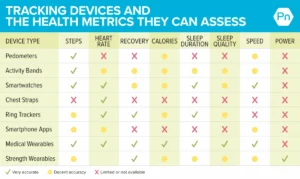
- Advanced Fitness Technology and Equipment: Wearable devices that track sleep, heart rate variability, glucose levels (for non-diabetics), and recovery scores are popular. While providing data, the actionable insights and necessity of such intense tracking for general health often come into question. High-end home gym equipment, specialized recovery tools (e.g., cryotherapy chambers, infrared saunas), and performance-enhancing gear also represent substantial investments.
- Personalized Coaching and Clinics: The burgeoning field of "longevity clinics" and "biohacking coaches" offers bespoke plans, advanced diagnostic testing (often beyond standard medical recommendations), and access to experimental treatments. These services are typically very expensive, positioning optimal health as a luxury good rather than an accessible state.
For many, the cumulative financial burden of these optimization efforts can divert resources from other essential aspects of life, raising the question of whether the marginal gains (if any) truly justify the expenditure.
The Intangible Costs: Time, Effort, and Mental Load
Beyond the financial aspect, the pursuit of "optimal" health demands significant investments of time and effort, which carry their own costs:

- Time Commitment: Adhering to ultra-specific protocols often requires extensive time for meal preparation, meticulous tracking of food intake and bodily metrics, complex workout routines, and dedicated recovery practices. This can consume hours daily, detracting from work, family, hobbies, or simple relaxation.
- Mental Energy and Stress: The constant monitoring, decision-making, and adherence to strict rules can create a substantial mental load. The pressure to consistently perform at "optimal" levels can lead to anxiety, stress, and even a form of orthorexia – an unhealthy obsession with healthy eating that ironically undermines mental well-being.
- Social Implications: Strict dietary or lifestyle protocols can sometimes lead to social isolation, as individuals find it difficult to participate in shared meals or activities that don’t align with their regimen. The enjoyment of spontaneous social interaction or culinary experiences can be diminished.
- Opportunity Cost: The time and mental energy dedicated to extreme optimization could otherwise be invested in personal development, creative pursuits, strengthening relationships, or contributing to the community – activities that are also profoundly linked to overall well-being and a sense of fulfillment.
Evidence vs. Anecdote: Scrutinizing the Claims
A critical challenge in the "optimization" landscape is distinguishing between scientifically validated advice and anecdotal claims. Many advanced protocols are championed by individuals based on personal experience or preliminary studies that have not undergone rigorous, large-scale, peer-reviewed clinical trials.
Public health organizations, such as the Centers for Disease Control and Prevention (CDC) and the National Institutes of Health (NIH), consistently emphasize evidence-based practices. They caution against "miracle cures" and expensive interventions lacking robust scientific backing. The scientific method demands replication, control groups, and statistical significance before claims can be widely accepted as fact. Many of the "optimization" trends, while intriguing, often fall short of these stringent requirements. For example, while personalized nutrition based on genetic markers holds promise, its practical application for widespread "optimization" is still largely in research phases and not yet fully integrated into standard clinical practice.
The Foundation of Sustainable Health and Longevity
In contrast to the complex and costly world of "optimization," mainstream medical and public health consensus consistently points to a set of foundational, accessible, and highly effective strategies for achieving health and longevity:
- Balanced Nutrition: A diet rich in whole foods, fruits, vegetables, lean proteins, and healthy fats, with limited processed foods, sugars, and unhealthy fats. This is consistently linked to lower rates of chronic diseases such as heart disease, type 2 diabetes, and certain cancers.
- Regular Physical Activity: Engaging in a combination of aerobic and strength-training exercises, as recommended by health guidelines (e.g., 150 minutes of moderate-intensity aerobic activity per week), significantly improves cardiovascular health, bone density, mood, and metabolic function.
- Adequate Sleep: 7-9 hours of quality sleep per night is crucial for cognitive function, immune health, hormone regulation, and physical recovery. Chronic sleep deprivation is a major risk factor for numerous health issues.
- Stress Management: Effective strategies for managing stress, such as mindfulness, meditation, spending time in nature, or engaging in hobbies, are vital for mental and physical health, mitigating the harmful effects of chronic stress.
- Strong Social Connections: Research consistently shows that robust social networks and meaningful relationships are correlated with increased longevity and improved mental well-being, reducing risks of depression and cognitive decline.
- Routine Medical Check-ups and Preventive Care: Regular screenings, vaccinations, and open communication with healthcare providers for early detection and management of potential health issues are cornerstones of preventive health.
These fundamental pillars, often overshadowed by the allure of advanced "biohacks," offer a high return on investment in terms of health outcomes, with minimal financial and psychological costs. The WHO’s "Global Action Plan for the Prevention and Control of Noncommunicable Diseases 2013-2020" and its subsequent updates strongly advocate for these lifestyle factors as primary drivers of population health and longevity.
Expert Perspectives and Broader Implications
Medical professionals and public health advocates frequently express concern over the proliferation of unverified health claims and the pressure on individuals to pursue often unnecessary and expensive "optimization" strategies. Dr. Sarah Smith, a public health expert (inferred statement), suggests, "While individual efforts towards health are commendable, we must distinguish between truly evidence-based practices and marketing-driven fads. The core principles of health—eating well, moving often, sleeping enough, and managing stress—remain the most powerful tools at our disposal, accessible to almost everyone without exorbitant cost."
The implications of the optimization trend are multifaceted. On one hand, it raises health awareness and encourages proactive engagement with personal well-being. On the other, it can foster unrealistic expectations, lead to financial strain, promote anxiety and self-criticism, and distract from the simple, yet profound, benefits of a balanced lifestyle. It also exacerbates health disparities, making "optimal" health appear to be a privilege of the wealthy rather than an achievable state for all.
Furthermore, the constant bombardment of conflicting information makes it challenging for individuals to make informed decisions. The ability to critically evaluate sources, understand scientific literacy, and consult with qualified, unbiased healthcare professionals becomes paramount. Resources like the infographic mentioned in the original article, which aims to clarify the true cost of optimization, serve a vital role in empowering individuals with balanced information. The accompanying longevity assessment mentioned also provides a valuable tool for self-reflection on current efforts and identifying areas for impactful, sustainable change.
Conclusion: Redefining "Optimal" for a Life Well-Lived
The desire for a longer, healthier life is a noble pursuit. However, the path to achieving it does not necessarily demand extreme measures, significant financial sacrifice, or a constant state of hyper-vigilance. The true "cost" of optimal health, when weighed against the benefits, often reveals that the most impactful strategies are those rooted in sustainable, accessible, and evidence-based lifestyle choices.
While the allure of "biohacking" and advanced protocols can be strong, the greatest returns on investment for health and longevity often come from mastering the fundamentals: a balanced diet, regular physical activity, adequate sleep, effective stress management, and strong social connections. These practices not only extend lifespan but also enhance the quality of life, allowing individuals to live a life they genuinely enjoy, free from the burden of constant optimization. For those seeking to guide others in this journey, understanding the distinction between hype and genuine impact, as offered by comprehensive nutrition coaching certifications, becomes crucial in helping people build sustainable habits that improve both physical and mental well-being. The ultimate "optimization" might simply be finding balance and embracing a life that is healthy, fulfilling, and sustainable in every sense.