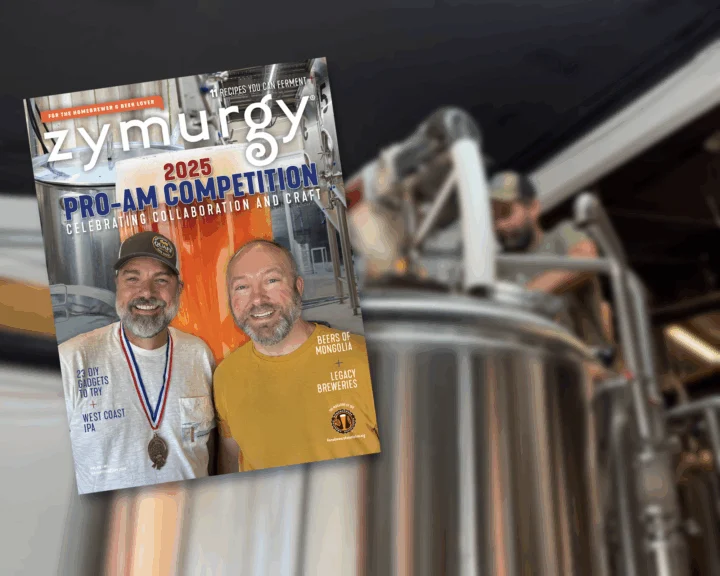

The American Homebrewers Association (AHA) has officially released the January/February 2026 edition of Zymurgy magazine, a cornerstone publication for the hobbyist and professional fermentation community for nearly half a century. This latest installment serves as a comprehensive bridge between the amateur roots of craft beer and its sophisticated commercial present, featuring an in-depth exploration of the Pro-Am Competition medalists from the most recent Great American Beer Festival (GABF). Beyond the accolades of the competition circuit, the issue provides a rigorous examination of the technical evolution of West Coast IPAs, a survey of "legacy" breweries that defined the American craft movement, and a unique dispatch from the burgeoning brewing scene in Mongolia.
As the official publication of the AHA—a division of the Brewers Association (BA)—Zymurgy continues to influence the domestic and international brewing landscape by providing validated recipes and technical guidance. The January/February 2026 issue arrives at a pivotal moment for the industry, as homebrewing interest shifts toward a blend of historical preservation and high-tech automation. Led by Editor-in-Chief Dave Carpenter, the issue includes 11 curated recipes ranging from classic styles to experimental modern iterations, catering to a membership base that remains the primary pipeline for professional brewing talent in the United States.
The GABF Pro-Am Competition: Bridging the Amateur-Professional Divide
The centerpiece of the new issue is the detailed coverage of the Pro-Am Competition medal winners. The Pro-Am is a unique category within the Great American Beer Festival, the largest professional beer competition in the country. Unlike other categories where commercial breweries compete against one another, the Pro-Am requires a professional brewery to scale up a recipe designed by an AHA member. This collaboration represents the ultimate validation for a homebrewer, proving that a kitchen-scale recipe can maintain its integrity and excellence when produced on a commercial brewhouse.
In the 2025-2026 cycle, the competition saw a diverse array of styles, moving beyond the traditional reliance on heavy stouts and IPAs. The Zymurgy feature provides a technical breakdown of the winning recipes, offering insights into how these homebrewers adjusted their water chemistry, hop schedules, and fermentation temperatures to suit large-scale stainless steel vessels. The Pro-Am winners often serve as a bellwether for future commercial trends; historically, styles that gain traction in the Pro-Am circuit frequently find their way into permanent commercial tap rotations within 18 to 24 months.
Industry analysts suggest that the Pro-Am competition remains vital because it preserves the "spirit of innovation" that defined the early craft beer movement. By allowing amateur enthusiasts to drive the creative process, commercial breweries can experiment with niche styles or unconventional ingredients with a lower degree of market risk.
The Evolution of the West Coast IPA: From Bitterness to Balance
A significant portion of the January/February issue is dedicated to the "Evolution of the West Coast IPA." This style, which arguably catalyzed the American craft beer revolution in the 1990s and early 2000s, has undergone a radical transformation over the last three decades. Zymurgy traces this chronology from the aggressive, high-IBU (International Bitterness Units) "palate wreckers" of the early 2010s to the modern, "clean and dank" profiles favored by contemporary brewers.

The article examines the shift in hop technology, specifically the move toward cryo-hops, incognito extracts, and thiol-releasing yeast strains. These advancements have allowed brewers to achieve intense aromatic profiles without the harsh, astringent bitterness that characterized early iterations of the style. The feature provides a side-by-side comparison of historical recipes versus modern 2026 standards, highlighting how water profiles have shifted from high-sulfate "Burton-on-Trent" styles to more balanced chloride-to-sulfate ratios that emphasize mouthfeel and hop brightness.
Legacy Breweries and the Preservation of Craft History
Complementing the look at modern IPAs is a retrospective on "legacy breweries." As the craft beer market matures and faces consolidation, Zymurgy highlights the institutions that have maintained independence and quality for over 30 years. These breweries, including pioneers like Sierra Nevada, Boston Beer Company, and the revitalized interests surrounding the Anchor Brewing legacy, provide a blueprint for sustainability in a volatile market.
The issue argues that while innovation is necessary, the mastery of "flagship" beers remains the hallmark of a successful brewery. By interviewing veteran brewmasters, the magazine explores the "institutional knowledge" required to maintain consistency across decades of raw material fluctuations. This section serves as a masterclass for homebrewers on the importance of process control and the pursuit of the "perfect" pint through repetition and refinement.
International Frontiers: The Emerging Scene in Mongolia
In a departure from North American centricity, the January/February 2026 issue includes a rare look at the brewing culture in Mongolia. While Mongolia is traditionally known for "Airag"—a fermented mare’s milk beverage with deep cultural roots—the modern craft beer movement is taking hold in urban centers like Ulaanbaatar.
The Zymurgy dispatch explores the challenges of brewing in a landlocked nation with extreme temperature fluctuations and limited access to traditional brewing grains. Mongolian brewers are increasingly incorporating local ingredients, such as sea buckthorn and wild herbs, into European-style lagers and ales. This global perspective reinforces the AHA’s mission to document the universal appeal of fermentation and the ways in which different cultures adapt the four basic ingredients of beer—water, malt, hops, and yeast—to their unique environments.
Technical Innovations: Gadgets and the Modern Homebrew Lab
For the DIY enthusiast, the issue reviews the latest "brewing gadgets" hitting the market in 2026. The homebrewing landscape has moved significantly toward digital integration. The featured reviews cover the next generation of automated all-in-one brewing systems, which now offer precision parity with professional pilot systems.
Key areas of focus include:
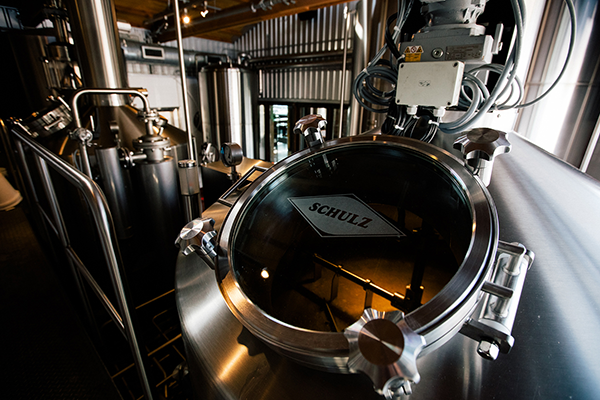
- Digital Fermentation Monitoring: New sensors that provide real-time gravity and temperature data directly to smartphone applications, allowing for more precise diacetyl rests and yeast management.
- Water Chemistry Automation: Tools that allow brewers to instantly analyze their source water and calculate precise mineral additions.
- Sustainable Brewing Tech: Gadgets designed to reduce water waste and energy consumption, reflecting a growing trend of "eco-conscious" homebrewing.
Leadership and Editorial Vision
The January/February 2026 issue continues under the editorial leadership of Dave Carpenter. Since taking the helm, Carpenter has emphasized a "science-forward" approach to the magazine, moving away from purely anecdotal brewing advice toward peer-reviewed methodologies and data-driven results. Carpenter’s background in hiking and travel is often reflected in the magazine’s "brewing in the wild" segments and its focus on the geography of ingredients.
Under his tenure, Zymurgy has expanded its digital footprint, offering members-only online previews and interactive recipe calculators. The AHA remains a vital organization for the protection of homebrewers’ rights, and the magazine serves as the primary vehicle for communicating legislative updates and grassroots activism.
Broader Industry Implications and Future Outlook
The release of this issue comes at a time when the broader beer industry is facing a plateau in volume growth. However, the data provided by the American Homebrewers Association suggests that the "quality over quantity" ethos remains robust. Homebrewers are increasingly acting as "influencers" within their local communities, driving demand for high-quality, authentic beer styles.
The 11 recipes included in this issue are more than just instructions; they are a curated selection of the year’s most successful flavor profiles. By providing these recipes to the public, the AHA ensures that the knowledge gap between the professional and the amateur continues to shrink. This democratization of brewing knowledge is credited with maintaining the high standard of American beer, as consumers become more educated and discerning about the products they purchase.
As the industry moves further into 2026, the themes established in this issue—collaboration (Pro-Am), evolution (West Coast IPA), and global expansion (Mongolia)—will likely define the next era of craft beer. Zymurgy remains the definitive record of this progress, documenting the transition of a hobby into a sophisticated global culture.
For those seeking to join the movement, the AHA offers various membership tiers that provide access to the full digital archive of Zymurgy, spanning back to its founding in 1978. As the magazine enters its 48th year, it stands as a testament to the enduring power of the homebrewed pint and the community that surrounds it.