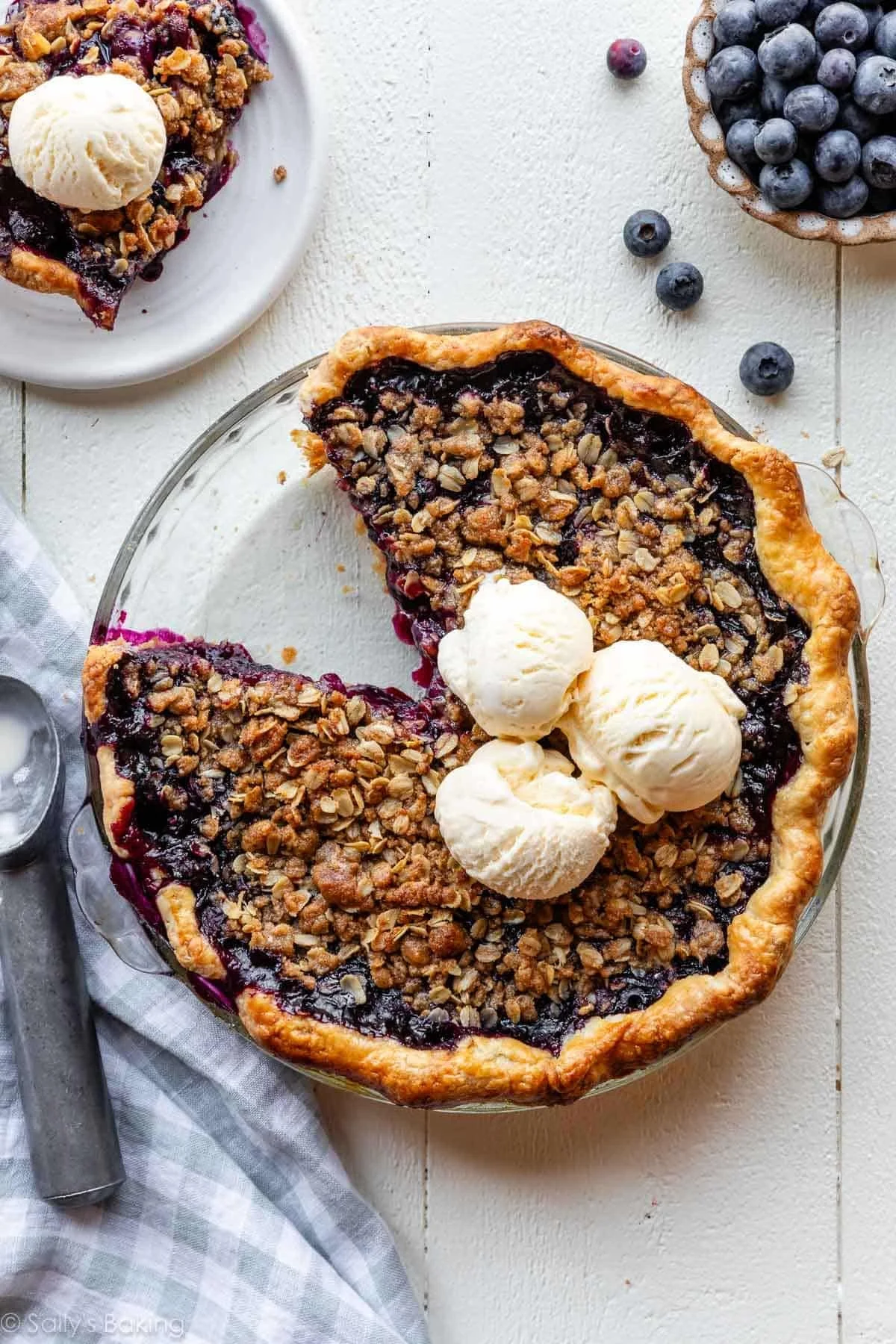

The culinary landscape continually evolves, but certain classics maintain an undeniable appeal, often finding new iterations that blend traditional elements with modern preferences. Among these, the blueberry crumble pie stands out as a prime example of a dessert that marries the beloved characteristics of a classic fruit pie with the comforting texture of a crisp. This particular rendition, which has seen continuous refinement since its initial publication in 2017, exemplifies a growing trend towards accessible yet sophisticated home baking, offering a "best of both worlds" experience for enthusiasts of both traditional pie and rustic crumble toppings.
The Genesis of a Hybrid Dessert: Pie Meets Crumble
The concept of combining a flaky, buttery pie crust with a generous, textural crumble topping represents a clever synthesis of two distinct dessert categories. Traditional fruit pies, with their fully enclosed or lattice crusts, have been a staple of Western cuisine for centuries, dating back to ancient Roman times before truly flourishing in medieval Europe and subsequently becoming an iconic American dessert. The pie’s enduring popularity lies in its ability to encase a rich, often seasonal fruit filling within a delicate pastry shell.
Conversely, crumbles, also known as streusels or crisps, emerged as a simpler, often more rustic alternative. Believed to have gained prominence during wartime rationing periods in the 20th century, particularly in Britain, crumbles offered a delicious way to top fruit with fewer ingredients and less labor than a full pastry crust. They typically feature a mixture of flour, sugar, butter, and sometimes oats, baked until golden and crisp. The Blueberry Crumble Pie, by integrating both the foundational pie crust and the appealing crumble layer, taps into a desire for both the familiar structure of a pie and the textural delight of a streusel, sidestepping the often intricate work of crafting a lattice top while delivering an equally satisfying result. This evolution reflects a broader culinary movement towards hybrid dishes that offer enhanced sensory experiences and simplified preparation, appealing to both seasoned bakers and novices.
The Allure of the Blueberry: A Seasonal and Nutritional Powerhouse
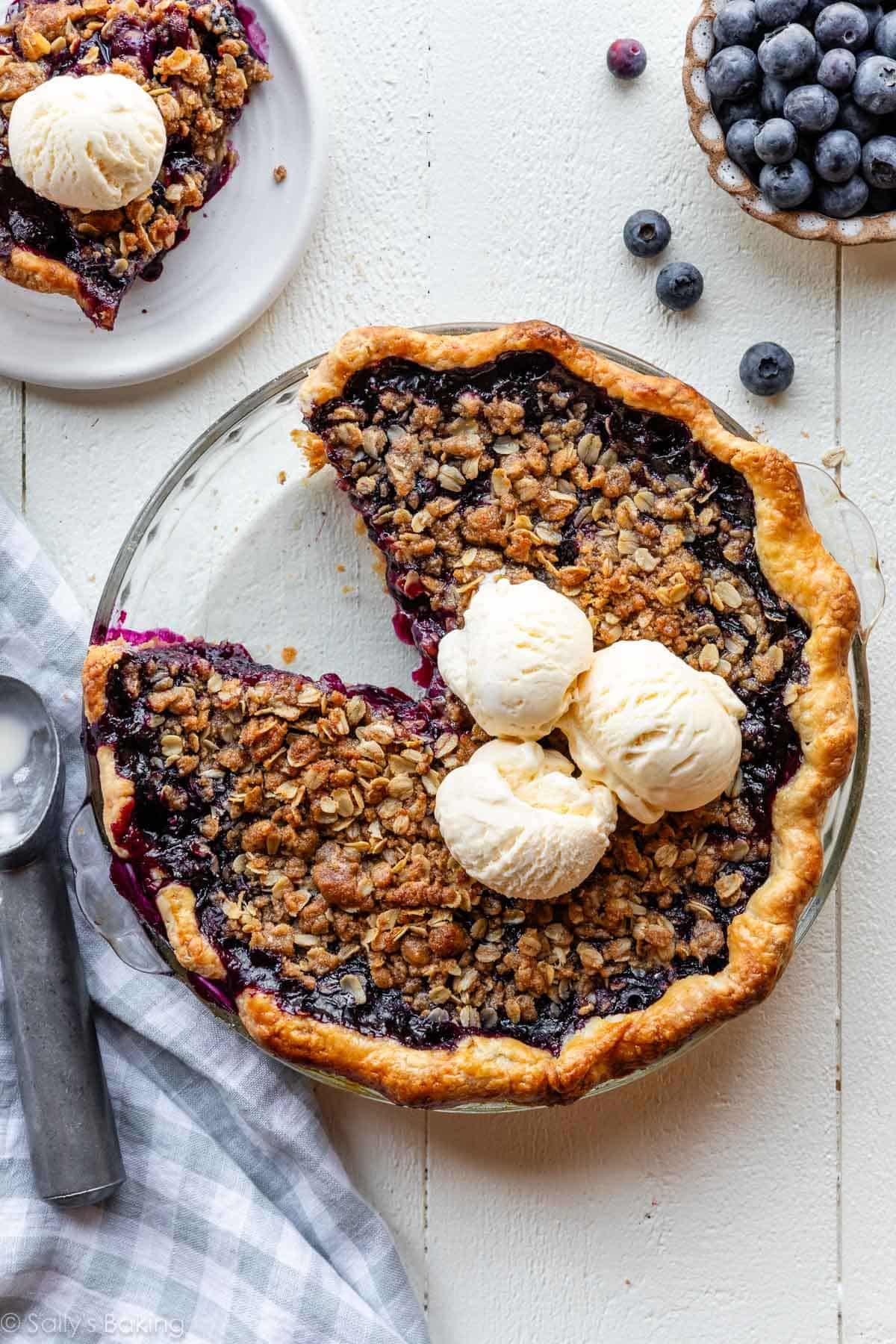
Central to the appeal of this pie is its star ingredient: the blueberry. A fruit celebrated for its vibrant color, sweet-tart flavor, and impressive nutritional profile, blueberries hold a significant place in global agriculture and consumer preferences. Historically cultivated by indigenous peoples in North America, blueberries gained widespread commercial recognition in the early 20th century. Today, they are a major crop, with global production reaching approximately 1.8 million metric tons annually, according to data from the Food and Agriculture Organization (FAO) of the United Nations. The United States and Canada are among the largest producers, with significant harvests also coming from Peru and Chile, ensuring year-round availability though fresh local berries peak during the summer months.
Nutritionally, blueberries are often lauded as a "superfood," packed with antioxidants, vitamins C and K, and dietary fiber. Research published in journals like the Journal of Agricultural and Food Chemistry has consistently highlighted their potential health benefits, ranging from improved cardiovascular health to cognitive function. This combination of flavor, versatility, and health attributes makes blueberries an ideal candidate for desserts, particularly those enjoyed during summer gatherings. Their natural juiciness and ability to transform into a thick, jammy consistency during baking are crucial for a well-structured fruit pie filling. The addition of fresh lemon zest and juice in the filling further brightens the berries’ natural sweetness, creating a balanced flavor profile that prevents the pie from being overly cloying.
Crafting the Perfect Pie: Ingredients and Techniques
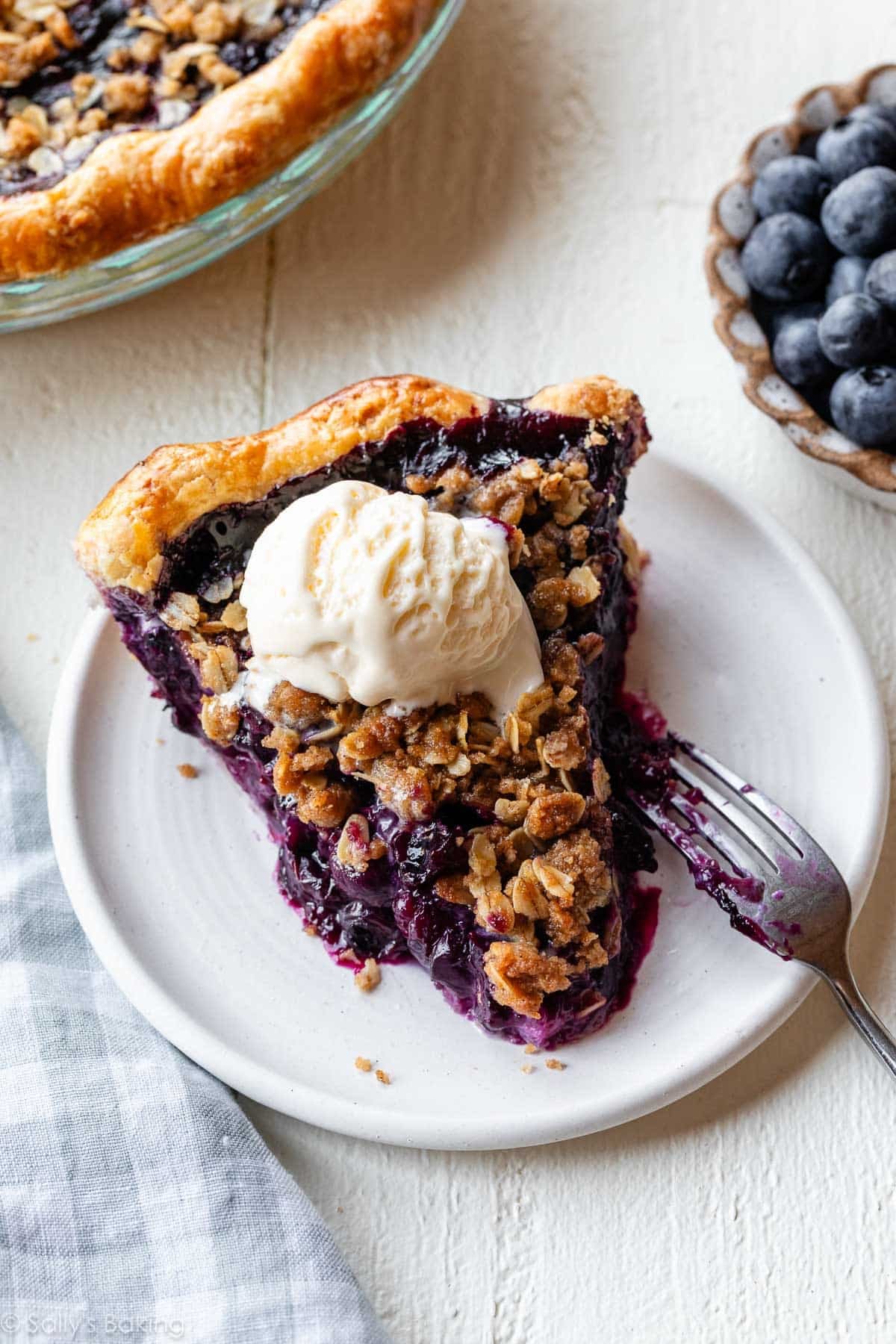
The success of a Blueberry Crumble Pie hinges on meticulous attention to its three core components: the pie crust, the blueberry filling, and the oat crumble topping. Each element contributes distinct textures and flavors that harmonize in the final product.
For the pie crust, achieving a flaky, tender base is paramount. Recipes often recommend an all-butter crust or a blend of butter and shortening to maximize flakiness and structural integrity. The use of cold ingredients, particularly butter, is a critical technique to prevent gluten overdevelopment and ensure pockets of steam form during baking, leading to a light, airy texture. Chilling the dough for at least two hours before rolling is a non-negotiable step, allowing the gluten to relax and the fats to firm up, making the dough easier to handle and contributing to flakiness. The choice of a deep-dish, ideally glass, pie plate is often suggested as it allows bakers to monitor the browning of the bottom and side crusts, preventing an underbaked base.
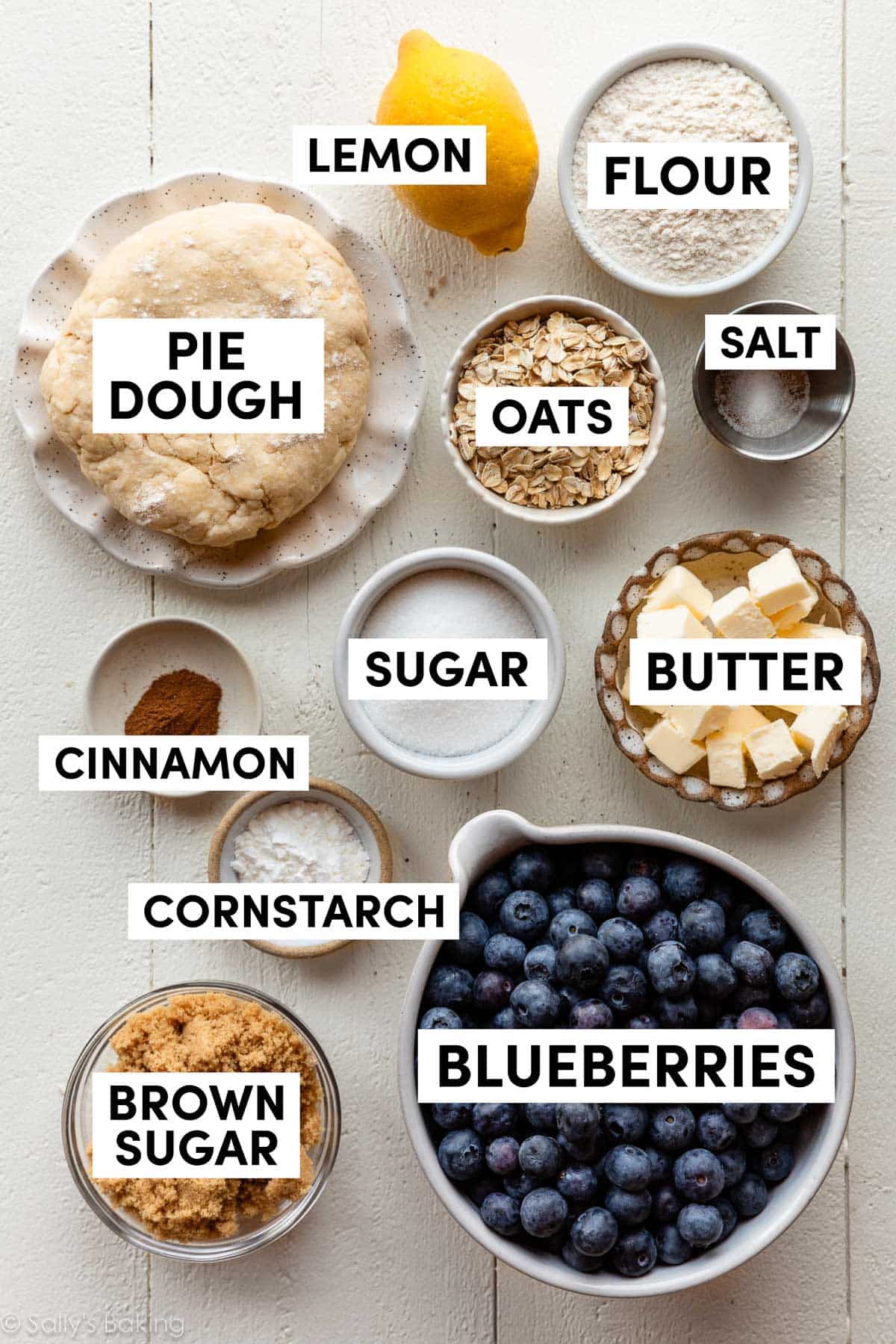
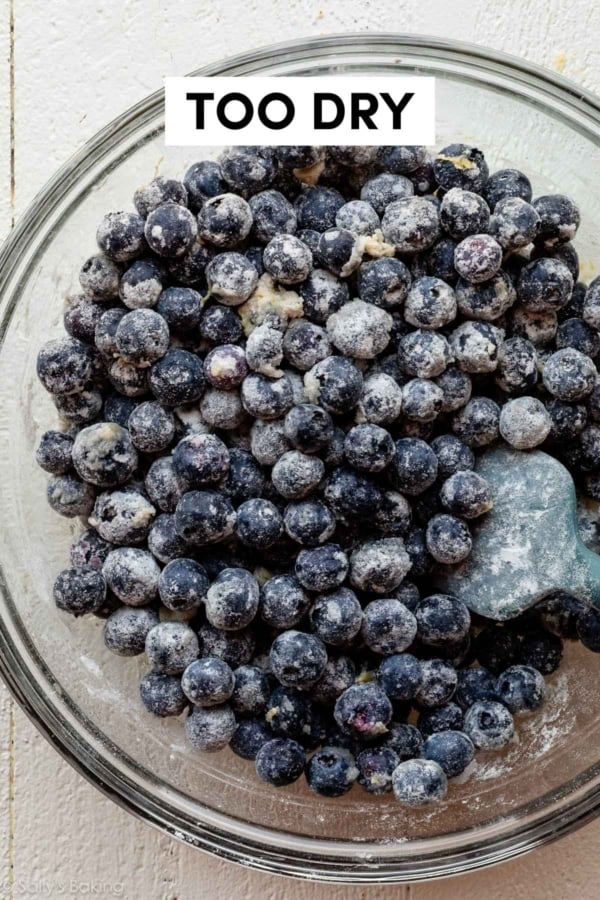
The blueberry filling is characterized by its simplicity and the critical role of thickening agents. A combination of granulated sugar, all-purpose flour, and cornstarch is typically used to ensure the blueberry juices transform into a luscious, perfectly set filling rather than a runny liquid. Culinary science dictates that cornstarch and flour require sufficient heat and time to gelatinize and thicken effectively. The recommended technique of lightly mashing some of the fresh blueberries before mixing with the dry ingredients helps to jumpstart the absorption process, ensuring the filling appears "shiny and juicy" rather than "dry and powdery" before baking. This visual cue is often cited by experienced bakers as a reliable indicator of proper filling consistency. The absence of a pre-cooking step for the filling, a method sometimes employed for other berry pies, highlights the inherent efficiency and natural thickening properties of blueberries when combined with the right starches.
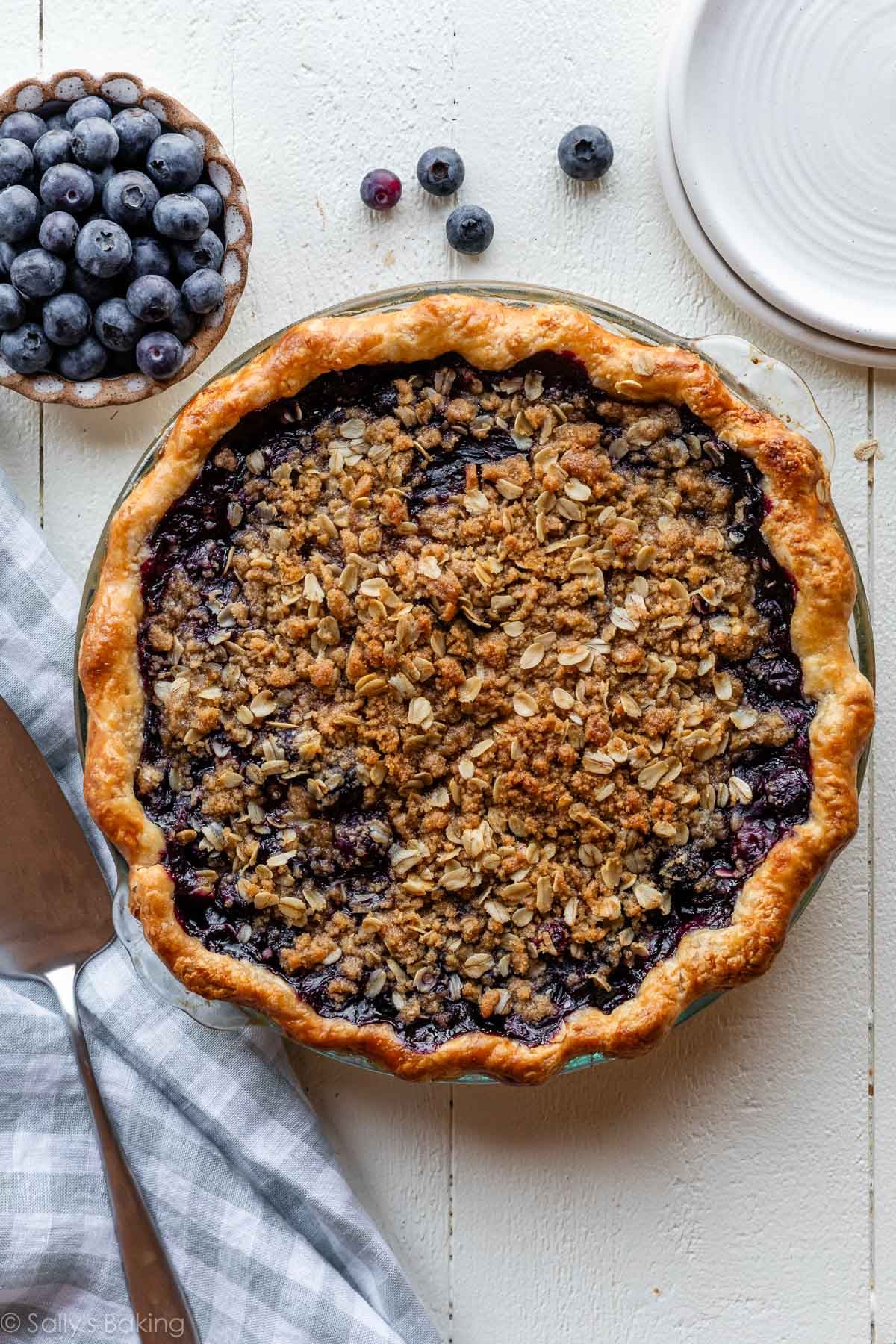
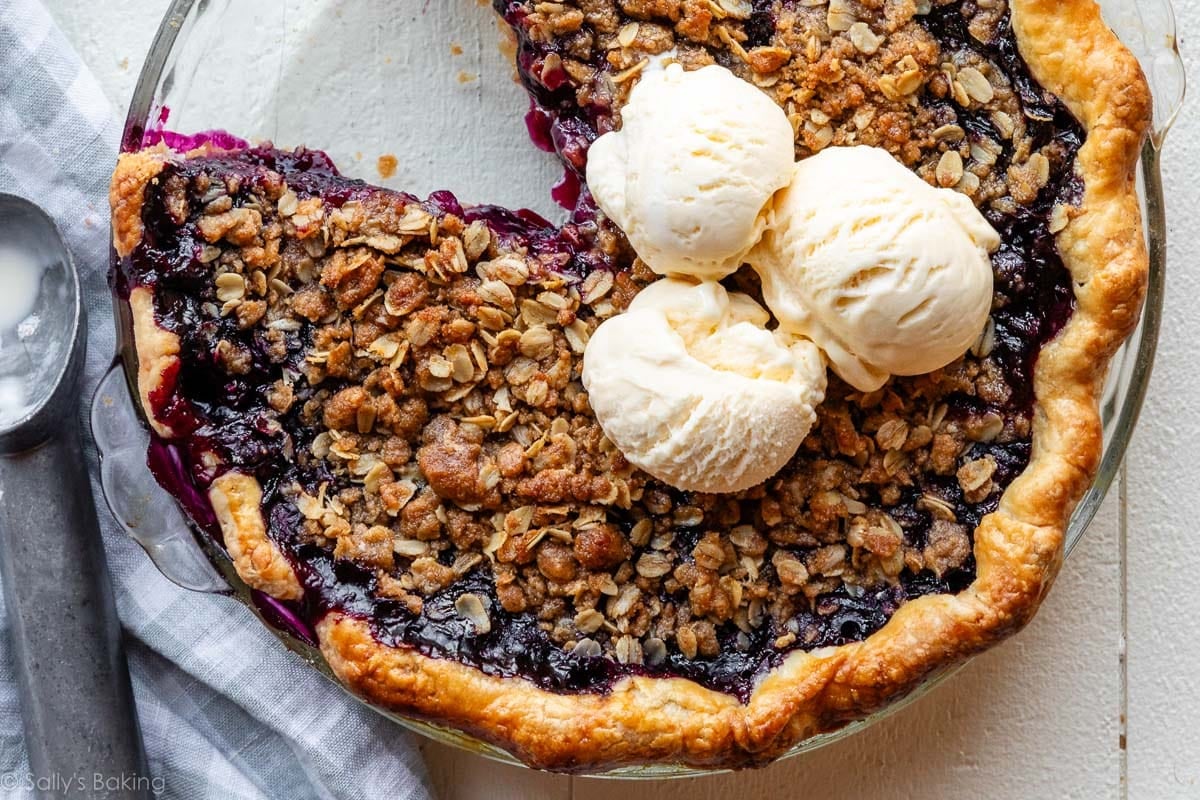
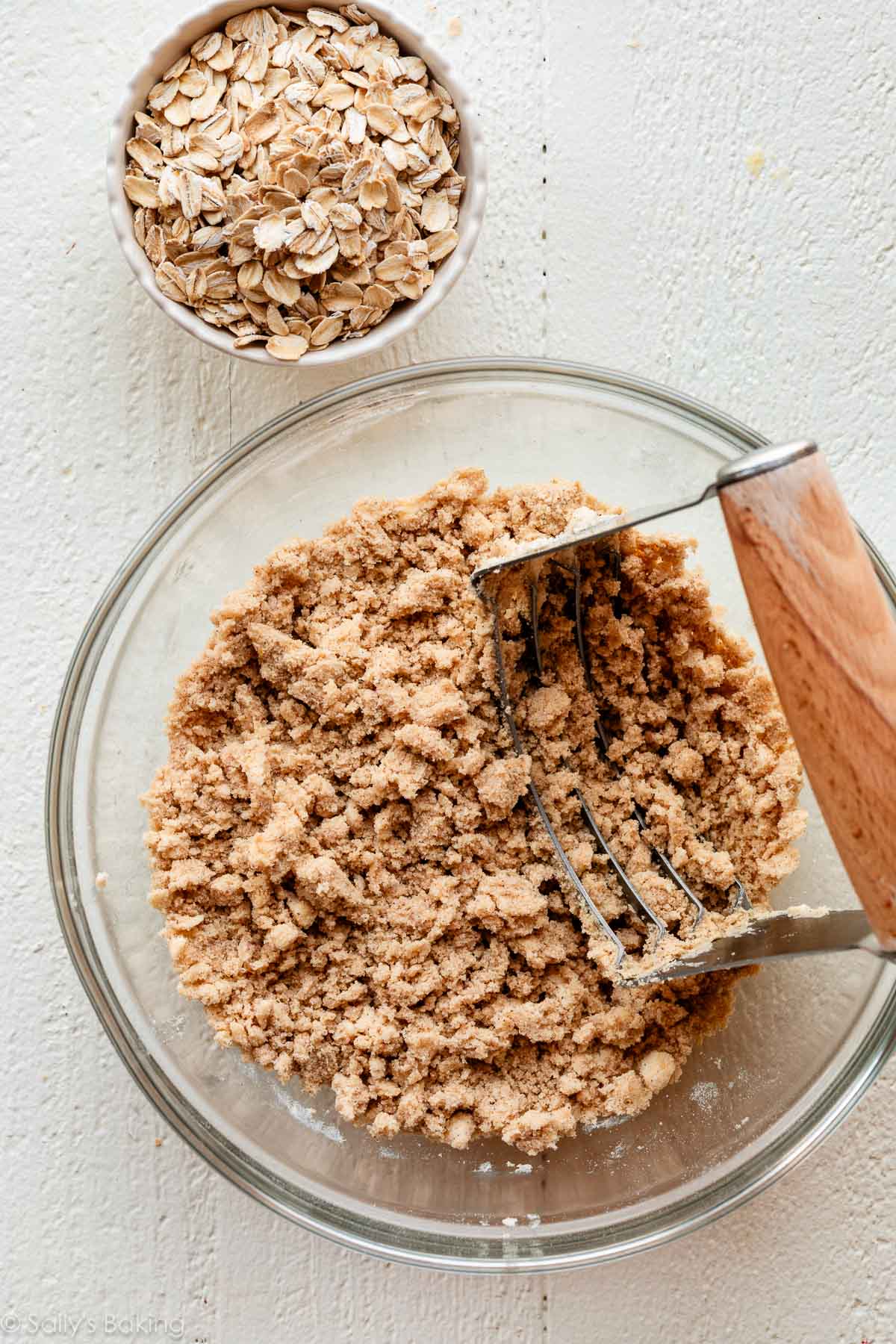
The crumble topping provides the contrasting texture and a rich, buttery counterpoint to the tart berries. Composed of cold, cubed butter cut into a mixture of brown sugar, flour, cinnamon, and rolled oats, the crumble is designed to bake into distinct, crisp clusters. Keeping the butter cold during preparation is essential; warm butter can lead to a greasy, dense topping rather than a light, crumbly one. The brown sugar contributes a deeper, caramel-like sweetness, while cinnamon adds a warm spice note that complements the blueberries beautifully. The oats provide an additional layer of texture and a wholesome, rustic appeal. A generous amount of crumble is encouraged, as it settles during baking, creating an irresistible golden-brown crown.
Precision in Baking and the Art of Patience
Baking a successful fruit pie, particularly one with a crumble topping, involves a precise orchestration of temperatures and an understanding of the chemical reactions at play. The recommended two-stage baking process—starting at a higher temperature of 400°F (204°C) for 25 minutes, then reducing to 375°F (190°C)—is a well-established technique used across various fruit pies, including strawberry rhubarb and peach. The initial high heat rapidly sets the pie crust and kickstarts the thickening process of the filling, ensuring the starches activate efficiently. The subsequent lower temperature allows the pie to bake through evenly without excessive browning of the crust or topping.
Monitoring the pie’s progress is crucial. Bakers are advised to use pie crust shields if the edges begin to darken too quickly and to tent the entire pie with foil if the crumble topping browns prematurely, ensuring the filling has ample time to cook. The most critical indicator of doneness, however, extends beyond visual cues of crust color. The blueberry juices around the edges of the pie should be visibly bubbling, a sign that the cornstarch has reached the necessary temperature (typically around 200°F or 93°C) to fully thicken. An instant-read thermometer inserted into the center of the filling provides an even more accurate measure, confirming the internal temperature has reached the optimal range for setting.
Perhaps the most challenging, yet vital, step in achieving a perfectly sliceable pie is the cooling period. Post-baking, the pie requires several hours, ideally overnight, to cool completely. During this time, the gelatinized starches in the filling undergo a process called retrogradation, where they firm up and create a stable, sliceable consistency. Cutting into the pie too soon, regardless of how well it was baked, will inevitably result in a runny filling. This extended cooling period makes the Blueberry Crumble Pie an excellent make-ahead dessert, aligning with contemporary needs for convenience in entertaining.
Broader Implications and Culinary Trends
The popularity and continued refinement of recipes like the Blueberry Crumble Pie reflect several broader culinary and societal trends. Firstly, it underscores the enduring human desire for comfort food, particularly desserts that evoke nostalgia and warmth. In an increasingly fast-paced world, the act of baking and sharing a homemade pie remains a powerful ritual of connection and celebration.
Secondly, the emphasis on "beginner-friendly" techniques and clear "success tips" within the recipe highlights a growing interest in accessible home baking. As culinary content becomes more widespread through digital platforms, there’s a demand for recipes that demystify complex processes, empowering more individuals to explore baking. The choice of a crumble topping over a traditional lattice, for instance, reduces the perceived intimidation factor while still delivering an aesthetically pleasing and delicious result.
Thirdly, the integration of seasonal ingredients like fresh blueberries reinforces a commitment to fresh produce and sustainable eating. Summer holidays and gatherings, such as Father’s Day, the Fourth of July, and Labor Day, become prime opportunities to utilize peak-season fruits, aligning with consumer preferences for fresh, local ingredients. This also has positive implications for local agriculture, supporting blueberry farmers and the wider supply chain.
Finally, the success of hybrid desserts like the Blueberry Crumble Pie suggests a dynamic evolution in culinary preferences. Consumers are often seeking novel combinations that offer the best attributes of familiar dishes, leading to creative fusions that challenge traditional categories. The ability of this pie to deliver the flaky richness of a classic pie with the textural crunch of a crisp caters to this desire for diverse sensory experiences in a single, satisfying bite. Once cooled and sliced, the pie offers a harmonious blend of textures and flavors – the delicate crust, the sweet-tart, jammy berries, and the buttery, crisp oat topping. When served warm with a scoop of vanilla ice cream or a dollop of homemade whipped cream, it transcends a simple dessert, becoming a memorable culinary experience. The enduring appeal of this refined recipe confirms its status as a timeless summer staple, embodying both tradition and innovative simplicity in the world of home baking.