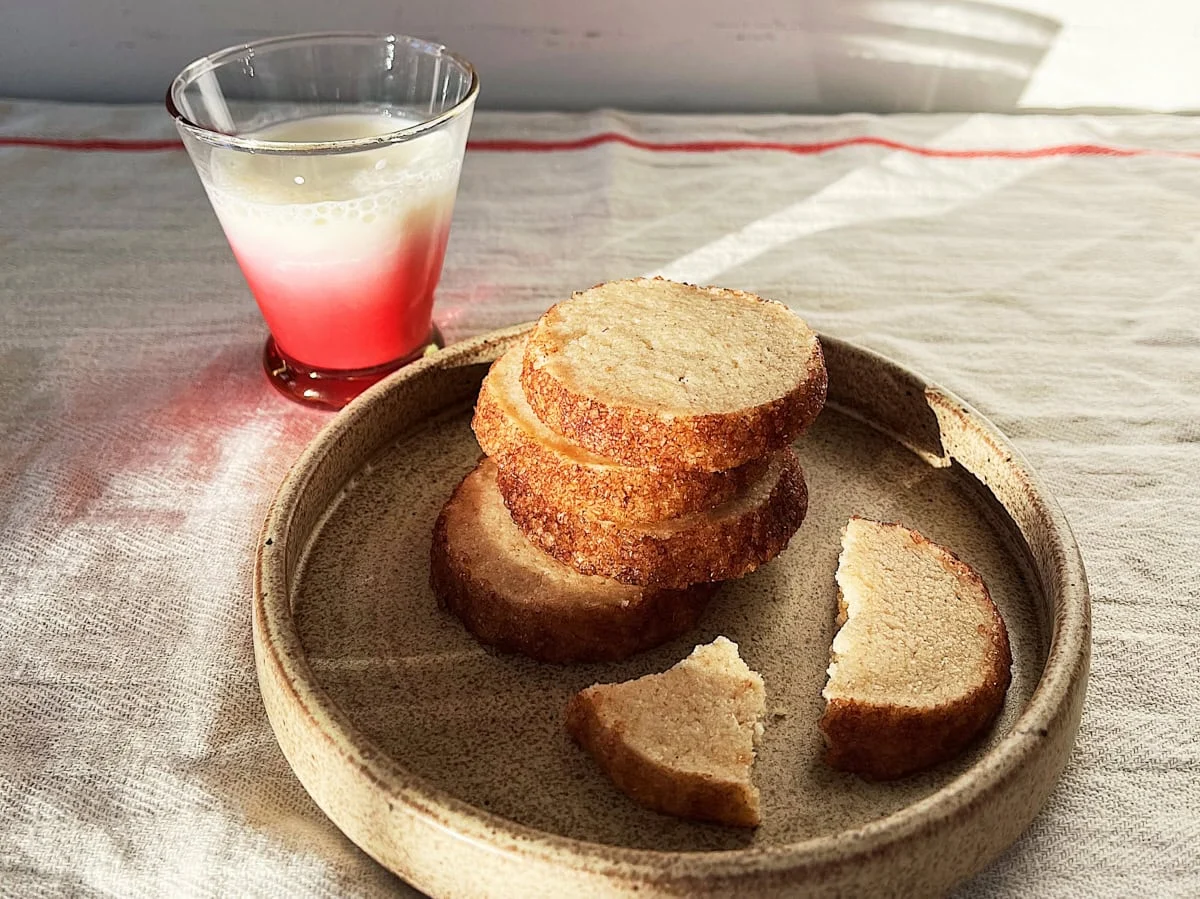

The culinary world, particularly the realm of home baking, often celebrates elaborate creations. However, for those seeking efficiency without compromising on delightful flavor, the humble slice-and-bake cookie emerges as a champion. This method, characterized by its straightforward dough preparation, segmented assembly, and impressive yield, offers a practical solution for bakers aiming to produce substantial quantities of treats with minimal time commitment. The ease of preparation, often requiring just a single mixing bowl and eliminating the need for meticulous scooping or rolling, positions slice-and-bake cookies as an ideal choice for busy households and festive gatherings. A prime example of this efficient yet delicious approach is the sourdough discard cinnamon toast cookie, a recipe perfectly suited for the bustling holiday season.
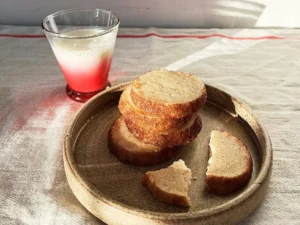
These cookies earn their "cinnamon toast" moniker from a generous coating of Demerara sugar and cinnamon, a combination that masterfully complements the buttery, subtly tangy dough. This harmonious blend evokes the comforting nostalgia of a beloved sweet treat. While they may not boast the vibrant visual flair of cookies adorned with colorful sanding sugar or crushed candy canes, their inherent deliciousness ensures they will be swiftly devoured at any cookie swap or holiday table. The appeal lies in their simple, satisfying flavor profile that transcends superficial decoration.
Optimizing the Flour-to-Fat Ratio for Superior Texture
A fundamental principle in cookie baking revolves around the ratio of ingredients. The traditional cookie ratio often cited is one part sugar, two parts butter, and three parts flour by weight. However, this formula can yield a decidedly stiff and floury slice-and-bake cookie, especially when the recipe lacks a substantial amount of sugar or the aeration and chewiness provided by eggs. In the development of these sourdough discard cinnamon toast cookies, a revised ratio was meticulously determined to achieve a more desirable texture.
The recipe utilizes 250 grams (approximately 2 cups) of all-purpose flour. This is supplemented by an additional 35 grams derived from sourdough starter discard, contributing to the overall flour content. When balanced against 150 grams (approximately 3/4 cup) of sugar and 226 grams (approximately 1 cup, or 2 sticks) of butter, the resulting ratio of sugar to butter to flour is closer to 1 : 1.5 : just under 2. This adjustment ensures a tender crumb that melts in the mouth, rather than a cookie that is overly firm or dry. The inclusion of sourdough discard not only adds a subtle tang but also contributes to a more complex flavor profile and a desirable, slightly chewy texture.
The Importance of High-Quality Butter
Given the simplicity of the dough in these sourdough discard cinnamon toast cookies, the quality of the primary ingredients becomes paramount. The subtle nuances of flavor from each component are more readily apparent. Therefore, the recipe strongly recommends the use of high-quality butter. European-style butter, known for its higher fat content and richer flavor, is particularly well-suited for this recipe. Its superior taste and texture directly translate into a more luxurious cookie. The difference in flavor and mouthfeel imparted by premium butter cannot be overstated in recipes where it plays such a central role.
Harnessing the Power of Sourdough Starter Discard
Sourdough starter discard, the portion of starter removed before feeding, is a versatile ingredient that adds a unique dimension to baked goods. In the context of shortbread-style cookies, which traditionally do not incorporate water, the inclusion of sourdough discard introduces a subtle tang and a pleasing chewiness. While techniques like browning butter can be employed to reduce water content and enhance flavor in other cookie recipes, the inherent moisture and microbial activity within the sourdough discard provide sufficient complexity and moisture for this particular recipe. The discard acts as a natural leavening agent and contributes to the overall flavor profile, creating a cookie that is both familiar and intriguingly different.
Exploring Flavor Variations and Enhancements
While the classic cinnamon toast flavor is undeniably appealing, the versatility of this cookie dough allows for a wide array of flavor enhancements. For those seeking to expand beyond the traditional, several avenues can be explored:
- Citrus Zest: Incorporating the zest of lemon, grapefruit, or orange into the dough adds a bright, aromatic lift that cuts through the richness of the butter. Rubbing the zest into the sugar before creaming with the butter helps to release its essential oils.
- Aromatic Extracts: Beyond vanilla, a spectrum of extracts can be used. Rose water or orange flower water can impart a delicate floral note, while almond extract offers a nutty depth. It is advisable to start with a smaller quantity of these potent extracts and adjust to taste.
- Toasted Sesame Oil: A teaspoon of toasted sesame oil can introduce sophisticated, roasty-toasty undertones, adding an unexpected but delightful complexity.
- Textural Additions: For added crunch and visual interest, consider incorporating finely chopped chocolate or toasted nuts into the dough.
- Powdered and Ground Flavorings: Instant coffee or espresso powder, matcha or hojicha powdered tea, or even finely ground Earl Grey tea leaves can be incorporated to infuse the cookies with their characteristic flavors. These additions can be mixed directly into the dry ingredients.
For the sugar coating, while cinnamon and Demerara sugar are the stars, variations can include ground cardamom for a warm, exotic spice or sumac for a hint of tartness. Toasted white or black sesame seeds can also provide a delightful textural contrast and nutty flavor when mixed with sugar.
The Role of an Electric Mixer
While the dough for these cookies can theoretically be prepared by hand, the use of an electric mixer—either a handheld or a stand mixer—significantly streamlines the creaming process of butter and sugar. This step is crucial for achieving a light and airy texture. For individuals with considerable arm strength, manual creaming is achievable, but an electric mixer offers a more efficient and less physically demanding alternative, particularly when preparing larger batches.
The Importance of Chilling the Dough
Due to the relatively high ratio of butter to flour in this recipe, the dough can be quite soft and pliable. This can lead to excessive spreading during baking if the dough is not properly chilled. Allowing the dough to rest in the refrigerator for at least two hours is a critical step. This chilling period solidifies the butter, which in turn controls the spread of the cookies, ensuring they maintain their neat, round shape. This step is analogous to the resting periods crucial in many dough-based baking processes, allowing gluten to relax and fats to firm up.
A Flavorful and Sparkling Cinnamon Sugar Rim
The distinctive "cinnamon toast" character of these cookies is amplified by the exterior coating of Demerara sugar and cinnamon. The coarse texture of Demerara sugar provides a pleasant crunch, while the warm spice of cinnamon creates an irresistible aroma. This simple yet effective coating not only enhances the flavor but also adds a beautiful sparkle to the finished cookies. As previously mentioned, this coating can be customized with spices like cardamom or sumac, or even seeds like toasted sesame for a unique twist.
Baking with Precision: Understanding Doneness
The presence of water in the sourdough starter means that these cookies are more hydrated than typical shortbread. Consequently, their tops may not develop a deep brown color during baking, making it challenging to gauge doneness solely by visual cues on the surface. The undersides of the cookies offer a more reliable indicator. Unlike a gooey chocolate chip cookie, a slightly underbaked slice-and-bake cookie can result in a less desirable texture. Therefore, it is recommended to bake these cookies for a minimum of 14 minutes, ensuring they are cooked through to achieve the perfect balance of crisp exterior and tender interior. Monitoring the bottoms for a light golden-brown hue is key.
FAQ: Expanding the Cinnamon Toast Cookie Experience
Can I use other flavorings in the dough or sugar coating?
Yes! The dough can be enhanced with up to 2 tablespoons of citrus zest (lemon, grapefruit, or orange are excellent choices). Experiment with alternative extracts like rose water, orange flower water, or almond extract, starting with ¼ teaspoon due to their potency. A teaspoon of toasted sesame oil adds a delightful nutty depth. For added texture, incorporate up to 130 grams (about ¾ cup) of chopped chocolate or toasted nuts. Instant coffee, matcha, hojicha, or finely ground Earl Grey tea leaves also offer intriguing flavor profiles. For the sugar coating, ground cardamom or sumac can replace cinnamon, or toasted white or black sesame seeds can add a unique crunch.
Can I add other flours to the dough?
Absolutely. You can substitute up to 60 grams (about ½ cup) of the all-purpose flour with heartier wheat flours such as whole wheat, rye, or spelt. Pseudocereals like buckwheat flour can also be used for an earthy flavor. For an added textural element, consider incorporating 15 grams (about 2 tablespoons) of medium-grind cornmeal.
Can I use my favorite beeswax-based reusable wrap for the dough?
It is advisable to avoid beeswax-based reusable wraps for chilling cookie dough. The waxy coating can potentially leach into the dough during extended refrigeration. Parchment paper is a reliable alternative for wrapping the dough, and it can be reused for baking. Washable stretch wraps are also a suitable option.
Can I freeze the sliced cookies and bake them later?
Yes, this is an excellent make-ahead strategy. After coating the sliced cookies in sugar, they can be frozen on a parchment-lined baking sheet. Once solid, they can be transferred to an airtight container and stored in the freezer for up to 3 months, with parchment paper separating layers. Bake them directly from frozen, adding an additional 2-4 minutes to the baking time.
How do I get perfectly round cookies?
While the dough may naturally form slightly oval logs, the visual imperfection is often charming. However, if perfectly round cookies are desired, a simple trick can be employed. During rack changes while baking, gently swirl a glass or a round biscuit cutter around the cookies to reshape them into perfect circles.
What’s Next?
For those inspired by the versatility and ease of sourdough discard baking, a comprehensive collection of sourdough starter discard recipes is available, offering a wealth of ideas for cookies, brownies, cakes, and more. Happy baking adventures await!