
The American Homebrewers Association (AHA) has officially announced the appointment of Charlie Harr as the new chair and Jen Pereira as the deputy chair of the National Homebrew Competition (NHC). This strategic leadership transition comes as the organization prepares for the 2026 iteration of the competition, which remains the most prestigious and influential global event for amateur brewers of beer, mead, and cider. The announcement signals a renewed commitment to a member-driven organizational model, placing seasoned industry veterans and long-time community advocates at the helm of the world’s largest homebrewing contest.
The National Homebrew Competition is widely regarded as the "Gold Standard" of the hobbyist brewing world. Since its inception in the late 1970s, it has served as the primary stage for hobbyists to receive rigorous, professional feedback and earn accolades that often serve as a springboard into professional brewing careers. With the 2026 entry window set to open on February 3, the appointment of Harr and Pereira provides the administrative stability and technical expertise required to manage the massive logistical undertaking of evaluating thousands of entries from around the globe.
Profiles in Leadership: Charlie Harr and Jen Pereira
Charlie Harr, taking over as the NHC Chair, enters the role with over two decades of experience in operations and event management. His background is uniquely suited for the logistical complexities of the NHC, which involves coordinating multiple judging sites, managing thousands of individual entries, and overseeing a vast network of volunteers. Harr’s previous work as the head judge for the Virginia Craft Brewers Guild has prepared him for the nuances of high-stakes competition. In that capacity, he was responsible for overseeing large-scale competitions sanctioned by both the AHA and the Beer Judge Certification Program (BJCP). His expertise encompasses every facet of competition management, including judge recruitment, entry coordination, and the implementation of rigorous scoring protocols. Harr is currently pursuing his BJCP National Judge certification, further cementing his status as a technical authority in the field.
“My experience managing large-scale competitions and passion for advancing homebrewing education make this an ideal opportunity to support both the AHA and homebrewing,” Harr stated upon his appointment. “I am honored to chair the NHC.”
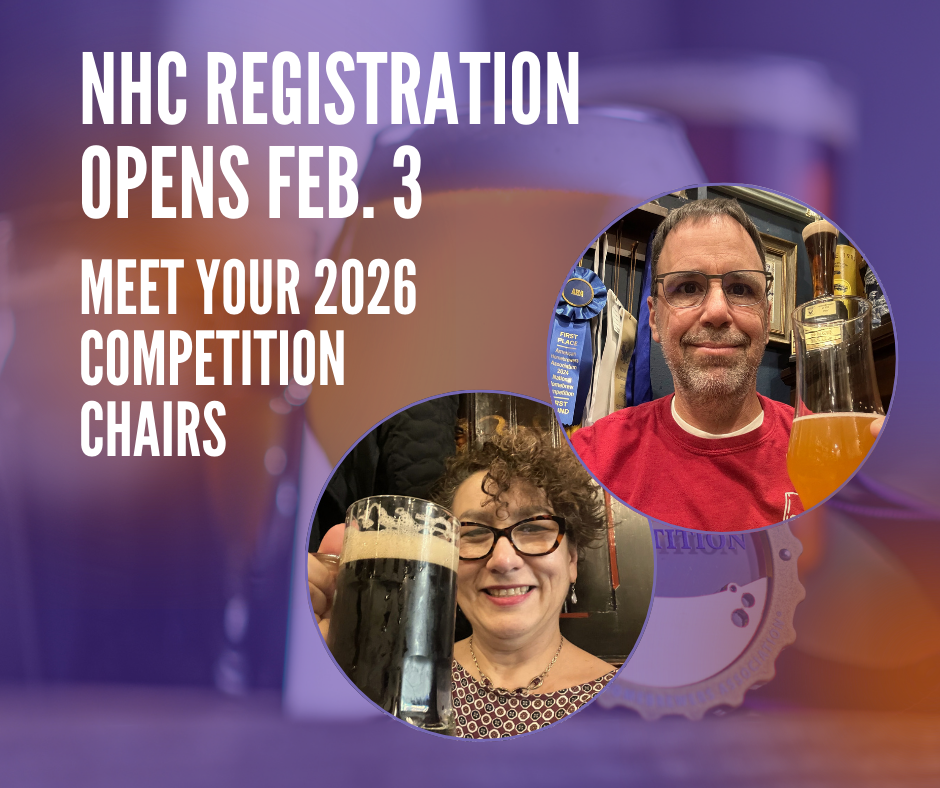
Joining Harr is Jen Pereira, who will serve as the Deputy Chair. Pereira brings more than 25 years of experience in beverage education and sensory analysis to the position. As an associate professor at Johnson and Wales University, she has spent decades training the next generation of hospitality and beverage professionals. Her credentials are among the most distinguished in the industry: she is a BJCP National Beer Judge, a Certified Cicerone®, and holds a Diploma from the Wine & Spirit Education Trust (WSET).
Pereira’s involvement in the homebrewing community is both deep and local. She is the founder of the Ocean State Home Brew Competition and the Rhode Worthy Cup, demonstrating a proven track record of building and sustaining regional brewing events. Having previously served as an NHC judge and being an avid homebrewer herself, Pereira offers a perspective that bridges the gap between the administrative needs of the competition and the lived experience of the entrants.
“This role is a meaningful way to give back to a community that has given me so much,” Pereira remarked. “I’m proud to help lead the AHA and help grow the NHC’s impact.”
The Evolution and Scale of the National Homebrew Competition
To understand the weight of these appointments, one must consider the historical trajectory and current scale of the NHC. Founded in 1979, the competition’s first year saw only 34 entries. At that time, homebrewing had only recently been federally legalized in the United States, and the hobby was in its nascent stages. Over the ensuing four decades, the NHC has grown in tandem with the American craft beer revolution.
By the mid-2020s, the competition has evolved into a massive operation. Since 2025, the NHC has evaluated nearly 170,000 entries annually across its various stages. This volume requires a sophisticated infrastructure of regional judging centers, cold-storage logistics, and a digital platform for scoring and feedback. The competition is not merely a contest of skill; it is a massive data-collection exercise that tracks trends in brewing styles, ingredient usage, and fermentation techniques.
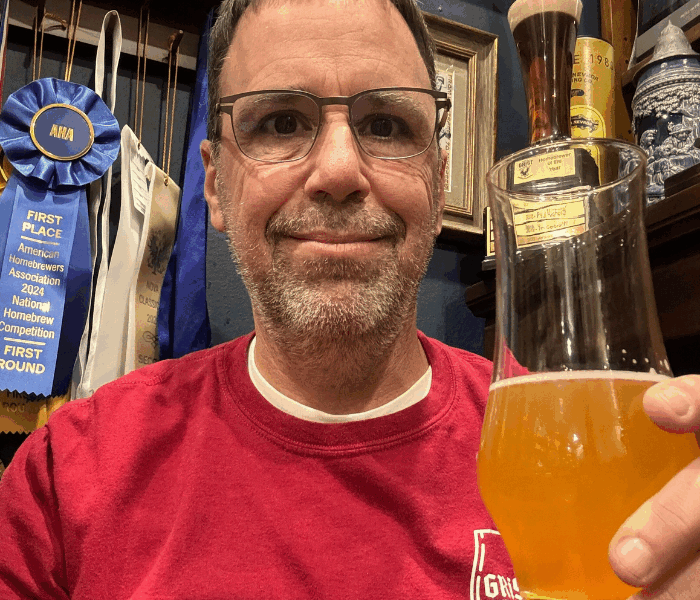
The 2026 competition cycle will follow a strict timeline designed to ensure the integrity of the judging process. The entry window is remarkably brief, opening on February 3 and closing on February 25, 2026. This limited timeframe reflects the high demand for entry slots and the need for organizers to finalize logistics well in advance of the judging dates.
Strategic Implications for the American Homebrewers Association
The appointment of Harr and Pereira is part of a broader strategic shift within the American Homebrewers Association. Under the leadership of Executive Director Julia Herz, the AHA has moved toward a more member-centric model. By appointing volunteer leaders who are active members of the community to these high-level chairs, the association ensures that the competition remains grounded in the needs and desires of the homebrewers themselves.
“The AHA and National Homebrew Competition are extremely fortunate to have Charlie and Jen stepping up to lead along with the collective volunteer judges, competition organizers, subcommittee, and AHA member entrants,” said Julia Herz.
This leadership structure is supported by the NHC Subcommittee, currently led by AHA members Sandy Cockerham and Amanda Burkemper. This multi-tiered volunteer leadership model is designed to distribute the workload and bring a diversity of perspectives to the competition’s governance. It also ensures a succession plan, as the deputy chair role provides a training ground for future chairs.
The Professional Impact of the NHC
For many participants, the NHC is more than a hobbyist’s pursuit; it is a professional audition. The craft beer industry is replete with stories of successful commercial brewers who got their start by winning NHC medals. The feedback provided by BJCP-certified judges at the NHC is considered some of the most rigorous and helpful in the world. For an amateur brewer, receiving a high score or a medal from the NHC serves as a "proof of concept" for their recipes and technical proficiency.
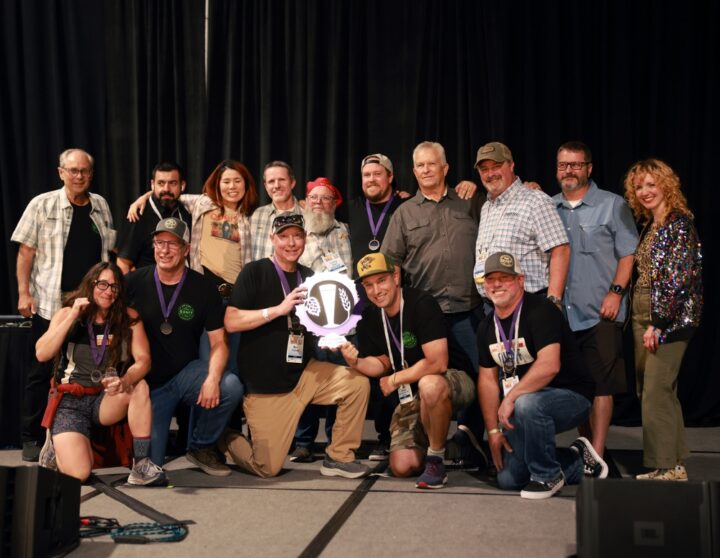
The competition covers a wide array of categories, reflecting the diversity of modern fermentation. While traditional beer styles like IPAs, stouts, and pilsners remain popular, the NHC has seen a surge in entries for mead and cider. The inclusion of these categories highlights the AHA’s mission to celebrate all forms of home fermentation. The judging process is blind, ensuring that entries are evaluated solely on their sensory merits—aroma, appearance, flavor, mouthfeel, and overall impression—against the established BJCP style guidelines.
Chronology of the 2026 Competition Cycle
The roadmap for the 2026 National Homebrew Competition is already being laid out for prospective entrants. The AHA encourages brewers to begin their "brewing season" well in advance of the entry window to allow for proper fermentation, conditioning, and packaging.
- February 3, 2026: Official opening of the entry application period. Entrants must be active members of the American Homebrewers Association to participate.
- February 25, 2026: Closing of the entry window. No further applications are typically accepted after this date due to the logistical constraints of the regional judging sites.
- Spring 2026: Regional judging sessions take place across the United States. These sessions utilize hundreds of volunteer judges and stewards to narrow down the field.
- Summer 2026: The final round of judging and the awards ceremony, traditionally held in conjunction with Homebrew Con, the AHA’s annual conference.
Conclusion and Broader Industry Context
The transition to new leadership under Charlie Harr and Jen Pereira comes at a pivotal time for the homebrewing community. While the "boom" years of the 2010s have stabilized, the hobby has matured into a sophisticated discipline. Today’s homebrewers often use equipment and techniques that rival those of small commercial breweries. The NHC must, therefore, continue to evolve to meet the rising technical standards of its participants.
The AHA’s vision—"A homebrewer in every neighborhood and a homebrew club in every community"—remains the driving force behind these organizational changes. By securing leaders with deep roots in both the operational and educational sectors of the industry, the AHA is positioning the National Homebrew Competition to remain the premier event of its kind for years to come.
As the 2026 competition approaches, the focus remains on the quality of the fermented product and the community that surrounds it. With the new chairs in place, the AHA has reinforced the infrastructure necessary to honor the world-class beer, mead, and cider produced by homebrewers globally. Prospective entrants are encouraged to monitor the official American Homebrewers Association website for further updates on rules, style categories, and shipping logistics as the February entry window nears.