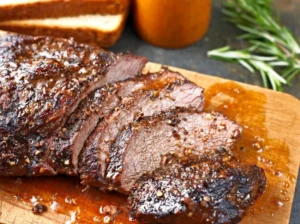

The creation of a perfect Beef Wellington is a culinary triumph, a dish that demands both skill and patience. Its rich, savory profile, encased in flaky puff pastry, is a centerpiece worthy of any special occasion. However, the journey to Beef Wellington perfection doesn’t end with the final bake. To truly elevate this iconic dish from excellent to extraordinary, the right accompaniments are crucial. This guide explores a curated selection of sauces and side dishes designed to harmonize with, and amplify, the indulgence of Beef Wellington, drawing inspiration from culinary experts and proven flavor pairings.
Harmonizing Flavors: Sauces That Complement Beef Wellington
The selection of a sauce for Beef Wellington is a critical decision. It must possess enough character to stand up to the robust flavors of the beef, mushrooms, and pastry, yet remain refined enough not to overpower the dish. The goal is a symbiotic relationship, where each element enhances the other.
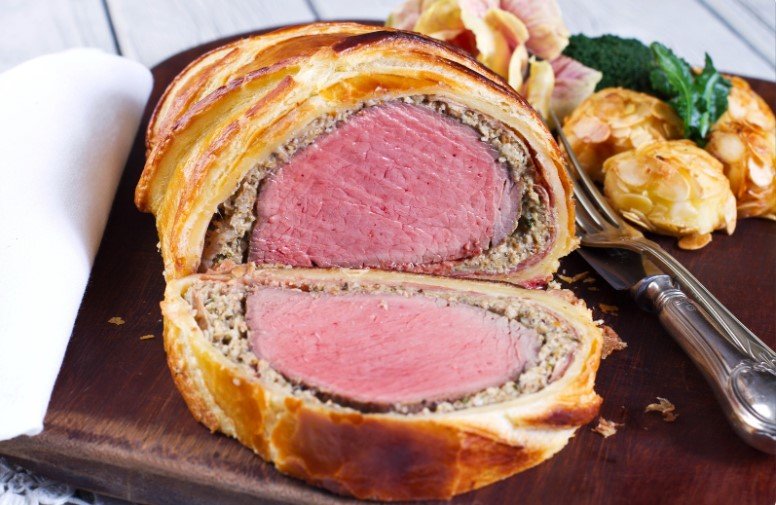
The Timeless Elegance of Red Wine Reduction Sauce
Few pairings are as classic and universally celebrated as a red wine reduction sauce with Beef Wellington. This choice is not merely a matter of tradition; it’s a testament to the profound synergy between the deep, complex notes of a well-chosen red wine and the inherent richness of beef. This approach is famously championed by culinary titan Gordon Ramsay, whose restaurants consistently feature this celebrated combination. The appeal lies in its sophisticated simplicity and the depth of flavor it imparts.
A meticulously prepared red wine reduction typically involves simmering a good quality dry red wine (such as Cabernet Sauvignon, Merlot, or Pinot Noir) with aromatic ingredients like finely minced shallots or garlic, fresh thyme sprigs, and a touch of balsamic vinegar. The gradual reduction concentrates the wine’s essence, creating a velvety texture and an intense flavor profile that beautifully complements the earthy mushroom duxelles and the tender beef. The slight acidity from the balsamic vinegar acts as a palate cleanser, preventing the richness of the Wellington from becoming overwhelming.
The preparation of this sauce is remarkably efficient, often achievable in under 10 minutes – the ideal timeframe to prepare it while the Beef Wellington is resting post-bake. This allows the flavors to meld perfectly just as the dish is ready to be sliced and served. For those occasions where wine is unavailable or not preferred, a direct substitution with an equal volume of high-quality beef stock can yield a commendable, albeit slightly less complex, alternative. The underlying principle remains the same: to create a concentrated, flavorful liquid that enhances the primary dish. The visual appeal of a glossy red wine reduction drizzled over the golden-brown pastry is undeniably inviting, signaling the luxurious dining experience to follow.
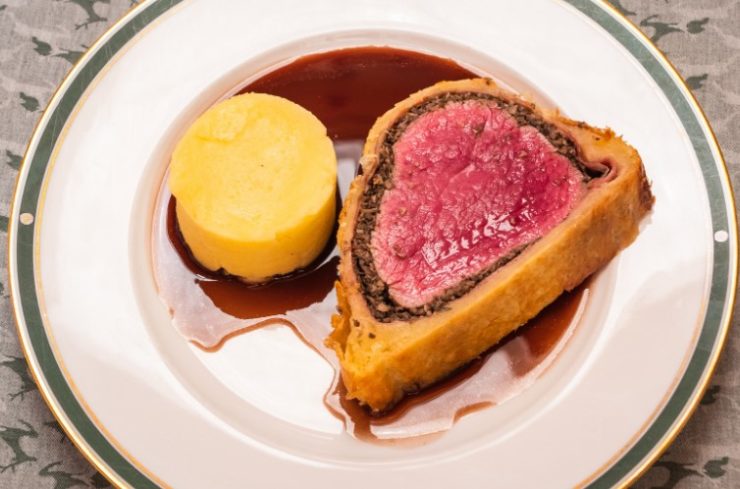
The Earthy Embrace of Creamy Mushroom Sauce
Given that Beef Wellington traditionally features a duxelles – a finely chopped mushroom mixture – a creamy mushroom sauce offers a logical and delightful extension of these inherent flavors. This approach amplifies the earthy, umami notes already present, creating a cohesive and deeply satisfying flavor profile. It’s a strategy of doubling down on what makes Beef Wellington so appealing in the first place.
The beauty of this sauce lies in its versatility and the minimal ingredients required to achieve significant flavor impact. A base of sautéed mushrooms, often including cremini, shiitake, or porcini for added depth, is typically simmered with aromatics like garlic and shallots. A splash of white wine can introduce a subtle brightness, while a generous pour of heavy cream or crème fraîche transforms the mixture into a luxuriously smooth and rich sauce. The inclusion of a touch of soy sauce or a dash of Worcestershire sauce can further enhance the savory depth.
This sauce is incredibly adaptable, allowing for personalization with whatever herbs or flavorings are readily available. Fresh garlic, a sprinkle of dried herbs like thyme or rosemary, or even a hint of Dijon mustard can be incorporated to suit individual preferences. The resultant sauce is not only a perfect complement to Beef Wellington but also a versatile addition to other poultry or meat dishes. Its ability to be prepared quickly, often in mere minutes, makes it an ideal choice for busy hosts seeking to impress without adding undue complexity to their meal preparation. The creamy texture coats the palate beautifully, ensuring each bite of the Wellington is accompanied by a luxurious embrace of mushroom flavor.

The Bold Sophistication of Decadent Peppercorn Sauce
For those who appreciate a sauce with a bit more assertive character, a decadent peppercorn sauce provides a compelling counterpoint to the richness of Beef Wellington. This sauce is a masterclass in balancing intense flavors, where the sharp, pungent notes of cracked peppercorns are expertly tempered by the luxurious embrace of heavy cream.
The foundation of this sauce is typically built upon a base of rendered butter or oil, sautéed shallots, and minced garlic. The star, of course, is the liberal use of freshly cracked black peppercorns, which release their aromatic oils as they are gently heated. Beef stock provides a savory depth, while a generous amount of heavy cream or crème fraîche is introduced to mellow the spice and create a sumptuously thick, coating consistency. A splash of Worcestershire sauce or a touch of brandy can further elevate the complexity.
The resulting sauce is a testament to culinary alchemy. The cream softens the fiery bite of the peppercorns, transforming them into a nuanced warmth that complements rather than overwhelms the beef. Its substantial texture ensures it clings beautifully to the Beef Wellington, creating an opulent mouthfeel. This sauce is so inherently delicious that it has earned a reputation for being a standalone delight. However, when paired with Beef Wellington, it elevates the entire dining experience to a new level of indulgence. The richness of the sauce harmonizes with the pastry and the beef, while the peppery notes offer a delightful counterpoint that keeps the palate engaged.
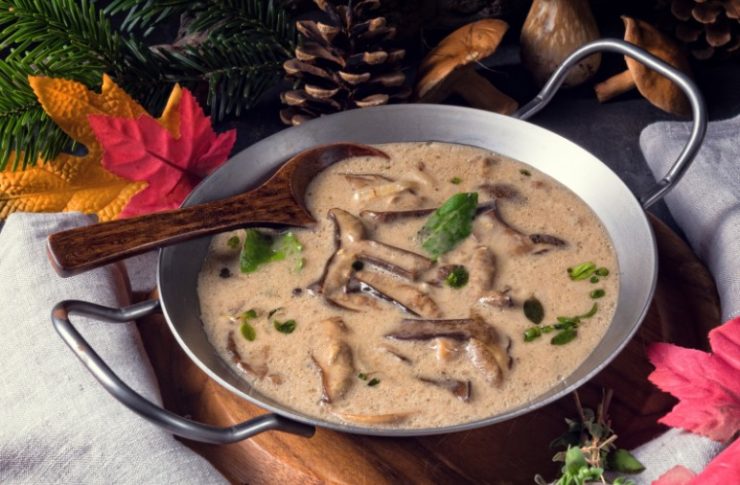
The Art of the Side: Enhancing the Wellington Experience
Beyond the sauce, the selection of side dishes plays an equally vital role in crafting a complete and balanced Beef Wellington meal. Sides should offer textural contrast, complementary flavors, and a touch of freshness to cut through the inherent richness of the main course. The following selections are chosen for their ease of preparation and their ability to deliver significant flavor impact with minimal fuss.
Whole Grain Mustard Mashed Potatoes: A Tangy Twist
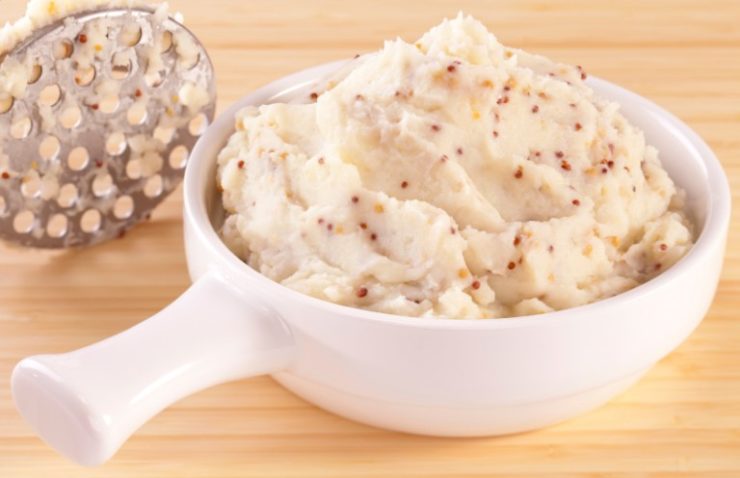
Mashed potatoes are a perennial favorite, and a whole grain mustard variation offers a sophisticated twist that pairs exceptionally well with Beef Wellington. The subtle tang and distinct texture of whole grain Dijon mustard echo the common inclusion of mustard in the Wellington’s preparation, creating a harmonious flavor narrative throughout the meal.
This dish is characterized by its simplicity and efficiency. Creamy mashed potatoes are infused with whole grain Dijon mustard, often with a touch of butter and cream to enhance their luxurious texture. The whole grains of the mustard provide a pleasing textural contrast to the smooth potatoes, while their sharp flavor cuts through the richness of the beef and pastry. The beauty of this side is its ability to be prepared in advance and then gently reheated with a bit of butter and cream just before serving, making it a practical choice for entertaining. This method ensures a consistently delicious outcome without last-minute culinary stress. The inherent comfort of mashed potatoes, elevated by the subtle complexity of mustard, creates a side that is both familiar and exciting.
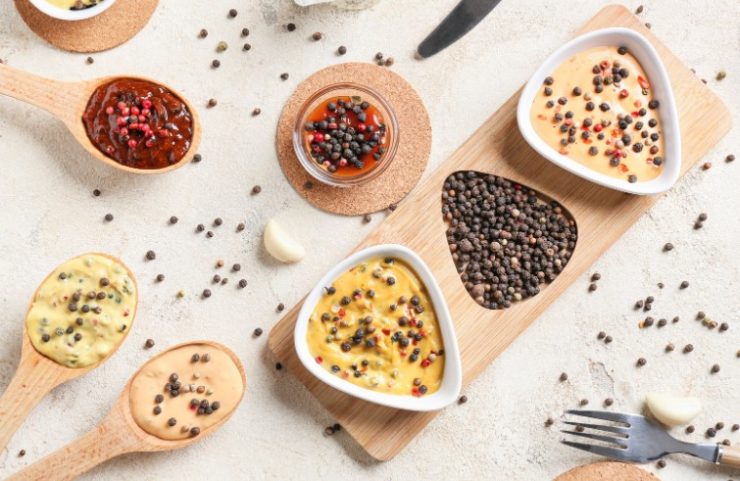
Roasted Garlic Mashed Sweet Potatoes & Carrots: A Savory Sweetness
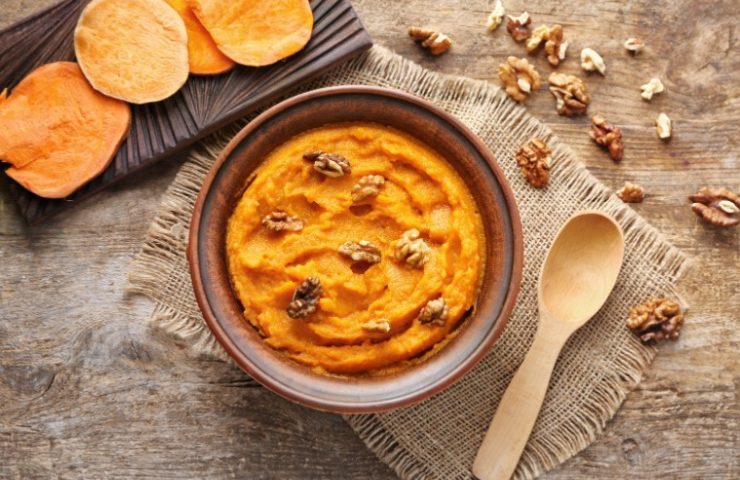
A departure from traditional white potato mash, this offering presents a vibrant and subtly sweet alternative. The roasting of garlic before incorporating it into the mash unlocks a mellow, sweet, and nutty flavor that is far more nuanced than raw garlic. Blending in pureed carrots adds a natural sweetness, a beautiful color, and a silky smooth texture.
This side dish strikes an ideal balance: its flavors are distinct enough to be interesting but not so assertive that they would compete with the Beef Wellington. The sweetness of the sweet potatoes and carrots, coupled with the mellow notes of roasted garlic, creates a harmonious pairing with the savory elements of the main dish. The smooth, velvety texture of the mashed vegetables provides a delightful contrast to the flaky pastry and tender beef. This dish is a testament to the idea that a side can be both impressive in its flavor profile and straightforward in its preparation, requiring minimal effort for a significant culinary reward. The vibrant orange hue also adds a welcome visual element to the plate.
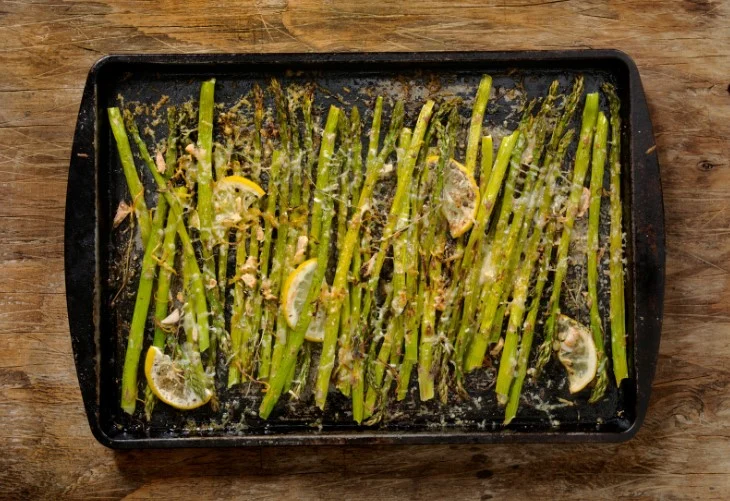
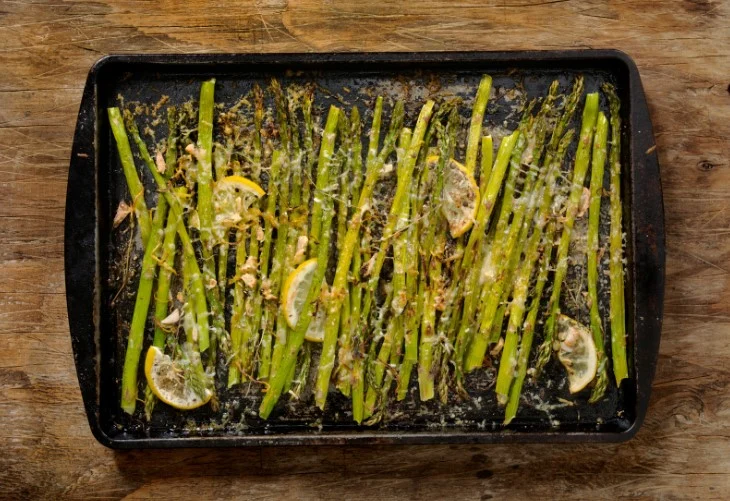
Baked Asparagus with Parmesan: A Bright and Crisp Counterpoint
Asparagus, particularly when prepared with a light hand, offers a refreshing and elegant accompaniment to a rich dish like Beef Wellington. This recipe focuses on enhancing the natural flavors of the asparagus with the savory depth of Parmesan cheese and the bright zest of lemon.
The preparation of Panko Parmesan Baked Asparagus is designed for efficiency, especially as it can often be cooked in the oven alongside the Beef Wellington during its final stages. The asparagus spears are tossed with olive oil, garlic, Parmesan cheese, and a squeeze of lemon juice, then baked until tender-crisp. The Panko breadcrumbs provide a delightful crunch, offering a textural contrast to the softer elements of the meal. The lemon’s acidity is crucial here; it acts as a natural palate cleanser, cutting through the richness of the Beef Wellington and preventing diners from feeling overly heavy. This side brings a much-needed element of brightness and freshness to the plate, ensuring a well-rounded and satisfying dining experience from the first bite to the last.
Honey Balsamic Brussels Sprouts: A Sweet and Tangy Delight
Brussels sprouts, when prepared correctly, can transform from a humble vegetable into a culinary star. This honey balsamic preparation achieves a delightful balance of sweet, tangy, and slightly caramelized flavors, creating a side dish that is both sophisticated and utterly addictive.
The magic of this dish lies in the interplay of honey and balsamic vinegar. As the Brussels sprouts roast, the honey caramelizes, and the balsamic vinegar reduces to a syrupy glaze, coating the sprouts in a glossy, flavorful sheen. The result is a medley of tender interiors and crispy, caramelized outer leaves. The inherent earthiness of the Brussels sprouts is beautifully complemented by the sweet and tangy dressing, creating a flavor profile that is complex yet approachable. This dish is praised for its ability to provide a lighter, more vibrant element to a rich meal. The warning to be careful not to eat them all directly from the tray speaks to their irresistible nature. Their balanced flavor profile makes them an excellent choice to complement the deep, savory notes of Beef Wellington without being overpowering.
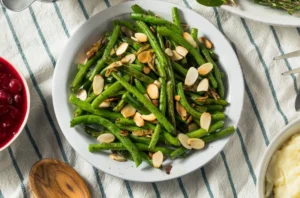
French Green Beans with Shallots: Simple Elegance
For a side dish that embodies understated elegance and straightforward preparation, French green beans with shallots is an exemplary choice. This recipe focuses on coaxing out the natural sweetness and tenderness of the beans through a slow-cooking process in olive oil, a technique that mellows their flavor and results in a melt-in-your-mouth texture.
The inclusion of shallots is a key element, as their delicate, sweet onion flavor melds beautifully with the green beans. When cooked low and slow, the shallots soften and become almost translucent, infusing the olive oil and the beans with their subtle aroma. This method ensures that the green beans are tender and flavorful without being mushy. This side dish is particularly recommended for those opting for a peppercorn sauce, as the shallots in both components create a delightful flavor synergy. The sauce, when spooned over the shallot-infused green beans, creates an even more profound and cohesive taste experience. The recipe is commendably straightforward, allowing for the preparation of an elegant side dish in a relatively short amount of time, making it an ideal complement to the more labor-intensive Beef Wellington.
Conclusion: A Masterpiece Completed
The journey of creating and serving Beef Wellington is an opportunity to showcase culinary artistry. By thoughtfully selecting sauces and side dishes that complement its rich and complex character, one can elevate this already magnificent dish into an unforgettable dining experience. From the classic sophistication of a red wine reduction to the vibrant freshness of baked asparagus, each suggestion is crafted to harmonize with the Beef Wellington, ensuring a meal that is both decadent and perfectly balanced. These pairings are not mere afterthoughts; they are integral components that contribute to the overall success and memorability of the culinary endeavor.