The universal human desire to not only extend life but also enhance its quality drives a burgeoning industry promising radical health transformations. For many, the answer to the question, "Do you want to live longer?" is an unequivocal "Yes!" Coupled with this desire is the aspiration for a life that is not merely prolonged but also vibrant, free from the ravages of chronic disease, and rich in vitality. This profound yearning has fueled a multi-billion-dollar market saturated with claims about how to improve—or, more accurately, "optimize"—one’s health. From reversing chronic ailments and extending a youthful glow to achieving lifespans previously confined to science fiction, a vast array of fitness influencers, authors, podcasters, and specialized clinics present myriad protocols, often marketed as groundbreaking solutions. Yet, a critical examination reveals a more nuanced reality: are these ultra-specific, advanced methodologies truly necessary, demonstrably effective, and, most importantly, are their purported benefits worth the substantial trade-offs in terms of effort, time, money, and psychological well-being?
The Historical Pursuit of Longevity and Modern Awakening
Humanity’s fascination with extending life is ancient, woven into myths and legends across cultures, from the elixir of life to the fountain of youth. Historically, this pursuit was largely philosophical or alchemical. However, the 20th and 21st centuries have witnessed a profound shift, transforming the abstract dream of longevity into a tangible scientific and commercial endeavor. The understanding of human biology, genetics, and the aging process has advanced exponentially, moving beyond merely treating diseases to actively exploring mechanisms of aging itself. Key scientific milestones, such as the discovery of DNA structure in 1953, the mapping of the human genome in 2003, and ongoing research into cellular senescence, telomere biology, and metabolic pathways, have provided a fertile ground for the modern longevity movement. This scientific progress, coupled with an increasingly affluent and health-conscious global population, has given rise to a wellness industry that promises not just health, but "optimal" health and extended lifespans.
The timeline of this modern longevity movement can be traced from early nutritional science in the mid-20th century, which established the link between diet and chronic disease, to the emergence of the anti-aging movement in the late 20th century, often characterized by hormone replacement therapies and antioxidant supplements. The early 2000s saw the rise of personalized medicine and the "biohacking" phenomenon, where individuals sought to self-experiment with various protocols to optimize their own biology. Today, the movement is characterized by sophisticated genetic testing, advanced wearable technology, and a proliferation of highly specific dietary and exercise regimens, often promoted through digital platforms.
The Landscape of Health Optimization Claims
The current health optimization landscape is broad and diverse, encompassing a spectrum of approaches. At one end are well-established, evidence-based practices championed by public health organizations and medical professionals. At the other are speculative, unproven, and sometimes costly interventions promoted by charismatic figures with varying degrees of scientific backing. Common claims and methodologies include:
- Extreme Dietary Protocols: Beyond balanced nutrition, these often involve highly restrictive diets like ketogenic diets, carnivore diets, prolonged fasting regimens (e.g., multi-day fasts), or highly specific micronutrient supplementation based on genetic testing. Proponents claim these diets can reverse metabolic dysfunction, extend "healthspan," and even prevent age-related diseases.
- Advanced Exercise Regimens: While regular physical activity is universally recommended, optimization often pushes towards ultra-intensive workouts, highly specialized strength and conditioning programs, or specific types of movement (e.g., "ancestral" movements) that promise superior physiological benefits.
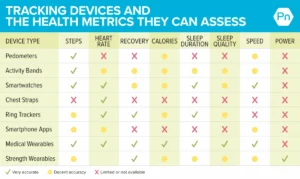
- Biohacking Tools and Technologies: This category includes an array of gadgets and therapies such as cryotherapy chambers, infrared saunas, red light therapy, hyperbaric oxygen therapy, advanced sleep trackers, continuous glucose monitors (CGMs) for non-diabetics, and neurofeedback devices. These are often presented as tools to enhance recovery, boost cellular function, or improve cognitive performance.
- High-Dose Supplementation and Nootropics: Beyond basic vitamins, the market is flooded with "longevity supplements" like NAD+ precursors (NMN, NR), resveratrol, rapamycin analogs, metformin (off-label), various adaptogens, and nootropics designed to enhance brain function. These are frequently promoted with claims of cellular repair, anti-inflammatory effects, and cognitive enhancement.
- Personalized Genetic and Biomarker Testing: Companies offer comprehensive genetic analyses, gut microbiome testing, and extensive blood biomarker panels to provide "personalized" health recommendations, often leading to highly individualized and sometimes expensive protocols.
The appeal of these optimization strategies is undeniable. In an era where individuals seek greater control over their health outcomes, the promise of unlocking peak performance, reversing the aging process, or preventing disease through cutting-edge science holds immense allure. However, the critical questions remain: are these interventions truly effective, and what is the real investment required?
Examining the Evidence: Beyond the Hype
While the pursuit of health optimization is laudable, a significant portion of the advanced protocols promoted lacks robust, long-term human clinical trial data to support their efficacy, particularly in healthy individuals.
- Nutrition: Mainstream nutritional science consistently highlights the benefits of a balanced diet rich in whole foods, fruits, vegetables, lean proteins, and healthy fats. Data from numerous epidemiological studies and clinical trials demonstrate that such diets (e.g., Mediterranean diet, DASH diet) are highly effective in preventing chronic diseases like heart disease, type 2 diabetes, and certain cancers, thereby contributing significantly to longevity. For instance, a 2018 study published in The Lancet indicated that suboptimal diet is responsible for 11 million deaths globally, emphasizing the foundational impact of basic nutrition. While specific diets like keto or prolonged fasting might show benefits for certain clinical populations (e.g., epilepsy, severe obesity), their long-term effects on general healthy populations, particularly concerning extreme applications, are still under investigation. The restrictive nature of many "optimal" diets can lead to nutrient deficiencies or an unhealthy relationship with food, known as orthorexia.
- Exercise: The World Health Organization (WHO) recommends at least 150 minutes of moderate-intensity aerobic activity or 75 minutes of vigorous-intensity activity per week, coupled with muscle-strengthening activities twice a week. Extensive research, including a 2017 study in Circulation, has shown that adherence to these guidelines significantly reduces the risk of all-cause mortality and improves cardiovascular health, bone density, and mental well-being. While high-intensity interval training (HIIT) or specialized strength protocols can offer benefits, the marginal gains over consistent, moderate activity for the average person seeking longevity are often small compared to the increased risk of injury or burnout.
- Sleep and Stress Management: The profound impact of adequate sleep (7-9 hours for adults) and effective stress management on health and longevity is well-documented. Chronic sleep deprivation is linked to increased risk of heart disease, diabetes, obesity, and cognitive decline, as detailed in a 2017 review in Sleep Medicine Clinics. Similarly, chronic stress elevates cortisol levels, leading to inflammation, impaired immune function, and mental health issues. Mindfulness, meditation, and strong social connections are proven stress reducers. While advanced sleep tracking and biofeedback tools can provide data, the primary benefit comes from adhering to fundamental sleep hygiene and stress reduction practices, not necessarily from optimizing every sleep stage or heart rate variability metric.
- Supplements and Advanced Therapies: This is perhaps the most contentious area. While certain supplements (e.g., Vitamin D for deficiency, B12 for vegans) are clinically necessary, the vast majority of "longevity" supplements lack robust evidence of benefit in healthy individuals. For example, NAD+ precursors like NMN and NR have shown promising results in animal studies, but human trials are still limited, often small, and sometimes industry-funded. The long-term safety and efficacy, especially at high doses, remain largely unknown. The same applies to many biohacking therapies; while a cryotherapy session might offer temporary muscle relief, its claims of systemic anti-aging effects are largely unsubstantiated by rigorous scientific evidence. The National Institutes of Health (NIH) consistently warns consumers about the lack of regulation in the supplement industry and the potential for false claims.
The True Cost: Beyond the Price Tag

The pursuit of "optimal" health often comes with significant, yet frequently unacknowledged, costs.
- Financial Investment: The financial outlay can be staggering. A single genetic test can range from a few hundred to over a thousand dollars. Premium supplements can cost hundreds per month. Specialized diets might require expensive organic produce or niche ingredients. Biohacking gadgets and therapies, such as cryotherapy sessions or red light panels, can run into thousands annually. Accessing top-tier coaches, dietitians specializing in niche protocols, or anti-aging clinics can involve substantial consultation fees. For example, a comprehensive "longevity panel" of blood tests might cost $500-$1000, while a year’s supply of popular NAD+ precursors could exceed $1,000. These costs can quickly accumulate, creating a significant barrier for many and raising questions about equitable access to "optimal" health.
- Time Commitment: "Optimization" is a time-intensive endeavor. It often involves meticulous meal planning and preparation, extensive grocery shopping for specific ingredients, rigorous and lengthy exercise routines, detailed tracking of metrics (food intake, sleep, heart rate, blood glucose), researching the latest protocols, and attending specialized appointments. This can consume hours daily, diverting time from work, family, hobbies, and social interactions. For individuals with demanding careers or family responsibilities, sustaining such a regimen can be incredibly challenging, leading to eventual burnout.
- Psychological and Social Toll: Perhaps the most insidious costs are psychological.
- Orthorexia and Obsession: The relentless pursuit of perfect health can morph into orthorexia, an unhealthy obsession with "clean" or "right" eating, leading to anxiety around food choices and social isolation.
- Performance Anxiety: Constantly monitoring metrics and striving for "optimal" results can create performance anxiety and a feeling of inadequacy if targets are not met. The pressure to always be improving can be relentless.
- Fear of Aging and Disease: While aiming for longevity, an extreme focus on avoiding aging can paradoxically increase anxiety and fear about the natural process of aging and the inevitability of eventual decline.
- Social Isolation: Strict dietary or lifestyle protocols can make social gatherings difficult, leading to feelings of alienation or the avoidance of social events altogether. Dining out, celebrating with friends, or simply relaxing without adherence to a rigid schedule can become sources of stress.
- Burnout: The sheer effort required to maintain extreme optimization protocols is often unsustainable, leading to mental and physical exhaustion, ultimately causing individuals to abandon their efforts altogether and potentially feel defeated.
Expert Perspectives and Broader Implications
Leading voices in public health and medicine consistently advocate for foundational, evidence-based health practices. Dr. Sarah Johnson, a public health epidemiologist, states, "The greatest gains in public health and individual longevity come from consistent adherence to fundamental principles: a balanced diet, regular physical activity, adequate sleep, stress management, and avoiding harmful substances like tobacco. The marginal benefits of expensive, unproven optimization protocols for the general healthy population are often negligible compared to these basics."
Registered dietitians frequently caution against overly restrictive diets, emphasizing that "sustainability and enjoyment are key to long-term healthy eating, not just nutrient density," according to Laura Chen, a registered dietitian. Similarly, exercise physiologists highlight the importance of finding enjoyable forms of movement that can be maintained consistently throughout life, rather than chasing short-term, high-intensity trends.
Consumer advocates regularly raise concerns about the largely unregulated supplement industry, which allows companies to make broad health claims without rigorous scientific proof. "Consumers need to be incredibly discerning," advises Michael Davis, director of a consumer watchdog group. "Many products are marketed with compelling narratives but lack the clinical evidence to back them up, often preying on people’s deepest desires for health and longevity."
The broader implications of this "optimization" trend are significant. It risks creating a two-tiered health system where access to "optimal" health becomes a luxury, diverting attention and resources from addressing fundamental health disparities rooted in socioeconomic factors. Moreover, the constant barrage of often conflicting information from various "experts" contributes to a pervasive sense of health anxiety and confusion, making it difficult for individuals to discern reliable advice from marketing hype. The pursuit of extreme longevity, if it comes at the expense of life’s simple pleasures, social connection, and mental peace, may ultimately detract from the very "life you enjoy" that the initial article references.
Sustainable Longevity: A Balanced Approach
Ultimately, the desire for a longer, healthier life is a powerful and positive motivator. However, the path to achieving it does not necessarily lie in the relentless pursuit of every advanced, expensive, and often unproven "optimization" protocol. Instead, a more balanced and sustainable approach rooted in well-established science offers the most robust and accessible route to health and longevity.
This approach emphasizes:
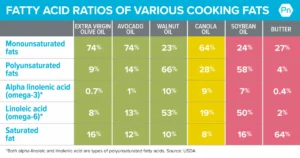
- Foundational Nutrition: Prioritizing whole, unprocessed foods, a diverse range of fruits and vegetables, lean proteins, and healthy fats, tailored to individual needs and preferences.
- Consistent Physical Activity: Engaging in a mix of cardiovascular, strength, and flexibility exercises that are enjoyable and sustainable over the long term.
- Adequate Sleep: Establishing consistent sleep hygiene practices to ensure sufficient restorative sleep.
- Effective Stress Management: Incorporating mindfulness, social connection, hobbies, and relaxation techniques into daily life.
- Meaningful Social Connections: Fostering strong relationships, which are consistently linked to improved mental and physical health and increased longevity.
- Regular Medical Check-ups: Proactive screening and management of health conditions with qualified healthcare professionals.
- Critical Information Literacy: Approaching health claims with skepticism and seeking information from credible, evidence-based sources.
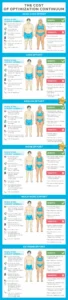
The goal is not simply to extend the number of years lived, but to enhance the quality of those years. It is about fostering health habits that integrate seamlessly into a fulfilling life, rather than becoming a source of constant stress, financial strain, or social isolation. By focusing on sustainable practices that yield the vast majority of health benefits, individuals can gain the clarity needed to pursue the health and longevity they desire, all while genuinely enjoying the life they live. Resources like comprehensive infographics and accompanying articles, which review the latest research and distill actionable insights, serve as valuable tools for making informed decisions on this crucial journey.