
The world of artisanal baking is characterized by constant innovation and a relentless pursuit of perfection, particularly when it comes to beloved staples like the bagel. For many bakers, the journey is not just about following a recipe, but about deconstructing and reimagining it, pushing the boundaries of texture, flavor, and technique. This is precisely the ethos behind the development of a new style of sourdough bagel, one that moves beyond traditional expectations to offer a lighter, crisper, and more complex eating experience. This evolution is not merely an aesthetic change; it represents a thoughtful exploration of fermentation, ingredient synergy, and advanced baking methodologies.
The genesis of this "new wave" sourdough bagel lies in a series of persistent questions posed by bakers dedicated to their craft. What if the natural leavening agent, the sourdough starter, could contribute more than just lift and a characteristic tang? What if it could also impart subtle sweetness, altering the overall flavor profile? The exploration continued: could a blend of flours, incorporating whole grains and carefully selected protein levels, yield a more tender and open crumb, a departure from the dense chewiness of some traditional bagels? Further inquiries delved into shaping techniques and post-fermentation treatments, such as an overnight cold rest and alternative boiling methods, all aimed at achieving a superior crust and nuanced flavor. This new recipe is the culmination of these detailed investigations, addressing each variable with precision and a deep understanding of baking science.
This refined approach to sourdough bagel making mirrors the meticulous process behind other acclaimed sourdough recipes, such as "My Best Sourdough Bread." In these instances, individual components of the baking process, which might seem minor in isolation, collectively contribute to a significantly elevated final product. The creator of this new bagel recipe has spent considerable time and effort iterating on the formula, making one adjustment at a time to achieve the desired outcome. The initial shift involved diversifying the flour blend, introducing a mix of high- and medium-protein white flours, complemented by whole wheat and a touch of whole rye. This was followed by an adjustment to the levain itself, incorporating a small amount of sugar to encourage a more yeast-dominant fermentation, thereby reducing the sourness that can sometimes dominate sourdough baked goods.
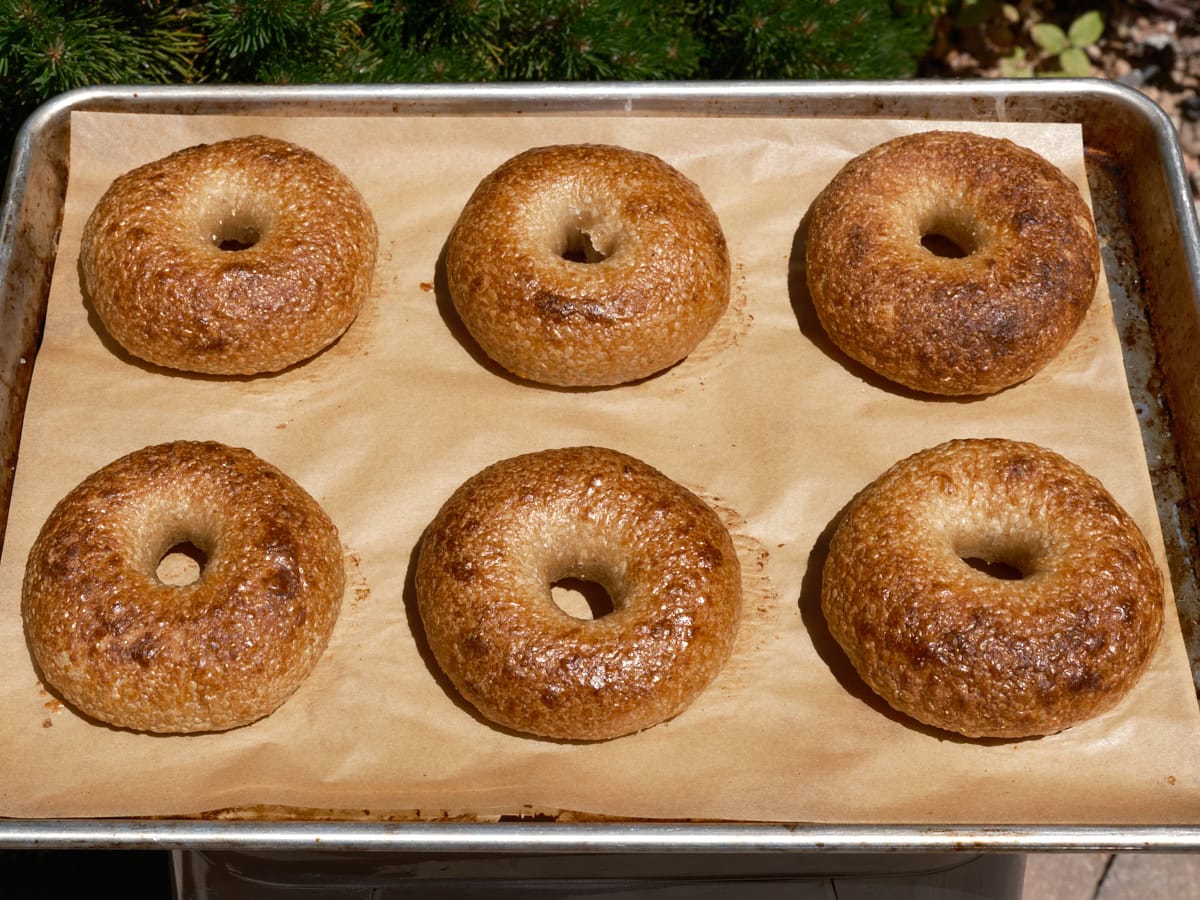
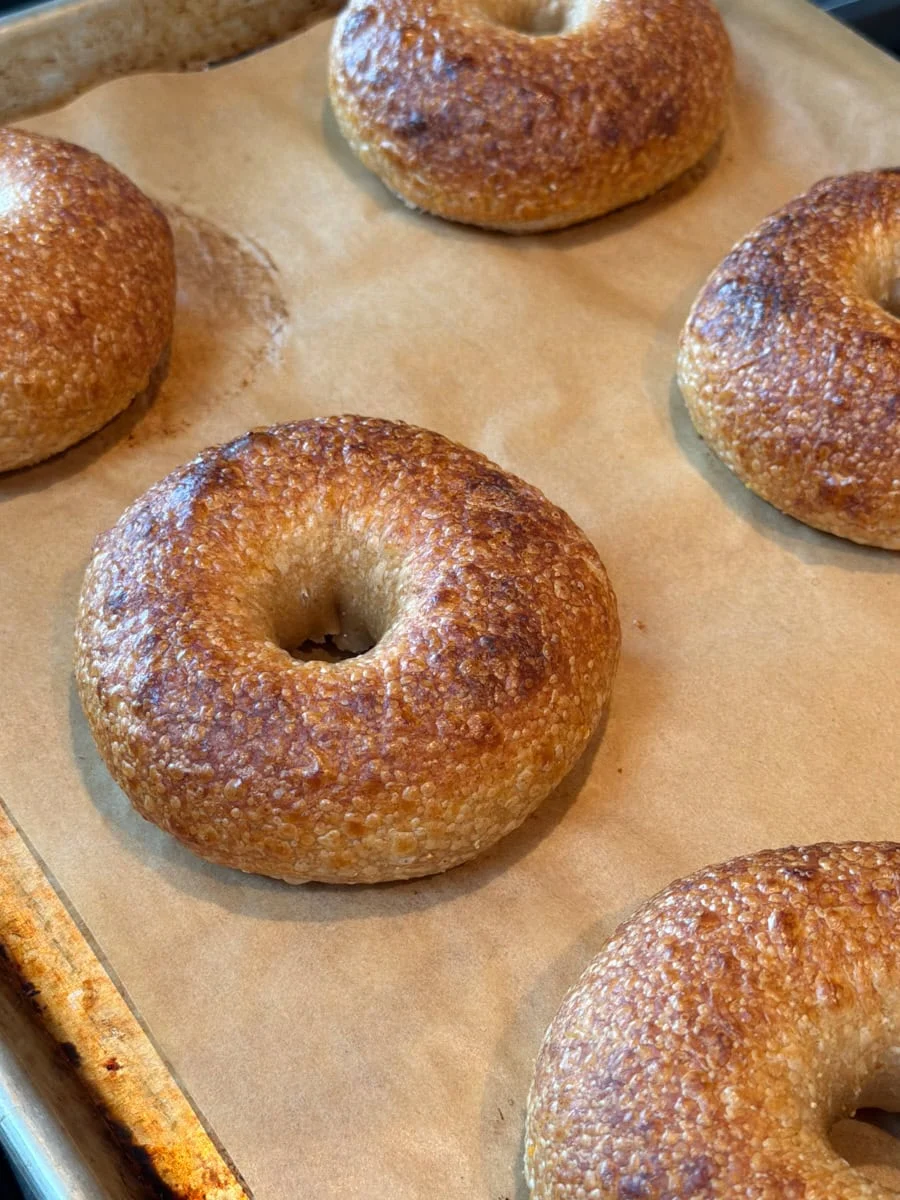
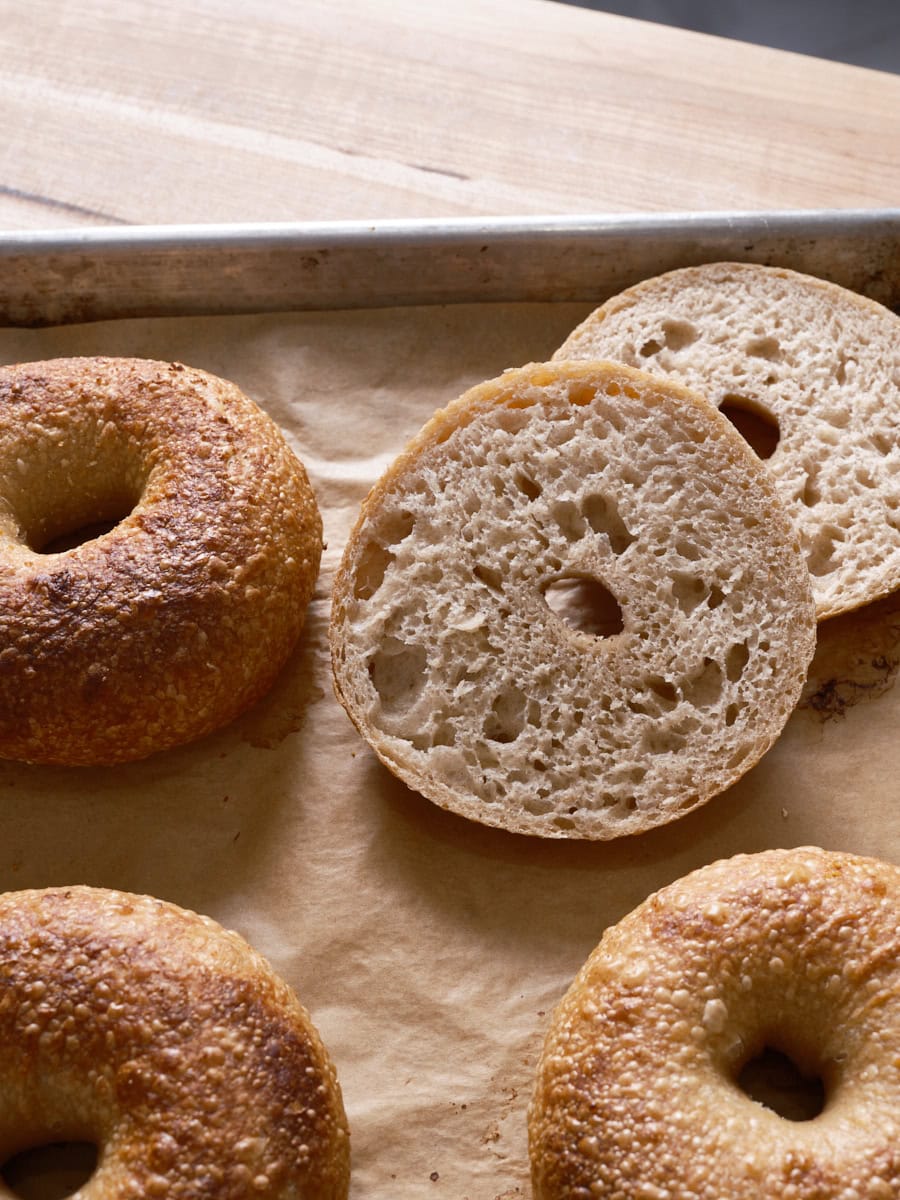
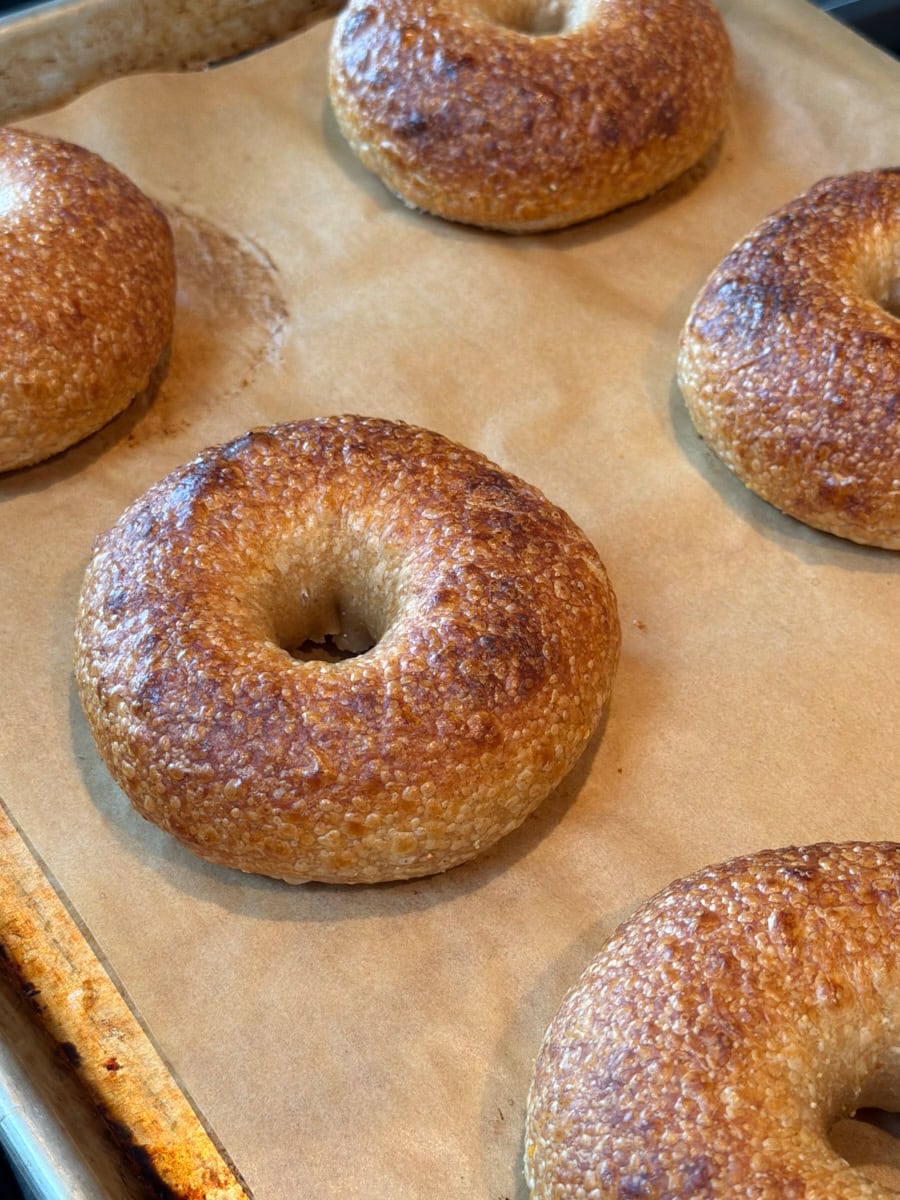
The shaping method was also re-evaluated. The adoption of the "poke method," a technique particularly well-suited for higher hydration doughs, simplified the process and contributed to a more consistent bagel shape. Finally, the implementation of an overnight cold proof (retardation) proved to be a transformative step. This extended cold rest significantly impacted both the crust and the flavor. The crumb became slightly more open, the crust developed an attractive blistering, and the overall flavor profile in the oven gained a delightful complexity, characterized by a pleasing crispness and a rich color – precisely the qualities sought after in a modern, artisanal bagel. While this iteration represents a significant refinement, it remains true to the essence of the original, enhancing its strengths rather than creating a radical departure.
A visual and instructional supplement to this culinary evolution is available in the form of a video, "Make The Crispiest Glossiest Sourdough Bagels!" This detailed guide offers a dynamic demonstration of the entire process, allowing viewers to witness firsthand the techniques and their impact on the final product.
Distinguishing the "New Wave" from Traditional Styles
The sourdough bagel recipe featured in the author’s first cookbook represents a more classic, New York-style bagel. These are characterized by their inherent chewiness, a slightly thicker crust, and a more compact, closed crumb. In contrast, the "new wave" sourdough bagel, as it is being termed, draws inspiration from contemporary artisanal bagel shops, such as the highly popular Courage Bagels in Los Angeles. These establishments often produce bagels that are lighter in texture, boasting a glossy, blistered crust that offers a delightful crispness. Their shapes can be less uniform, and their crumb structure is typically more open and airy. This new recipe aims to replicate these desirable characteristics, offering a bagel that is both visually appealing and texturally engaging.
Key Techniques for Optimal Sourdough Bagel Creation
Achieving the distinctive qualities of these new wave sourdough bagels involves mastering several critical techniques. Years of experimentation have yielded valuable insights into the nuances of shaping, boiling, and baking.
-
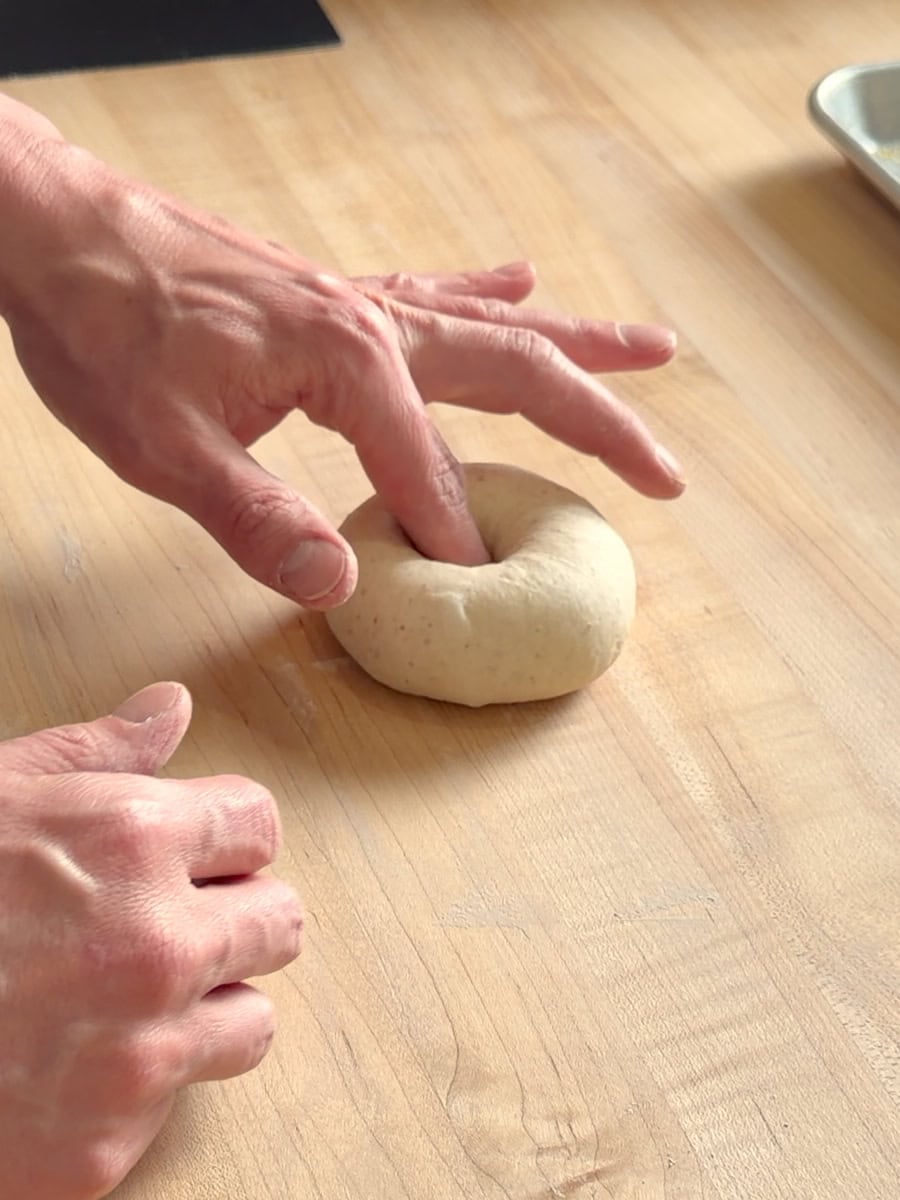
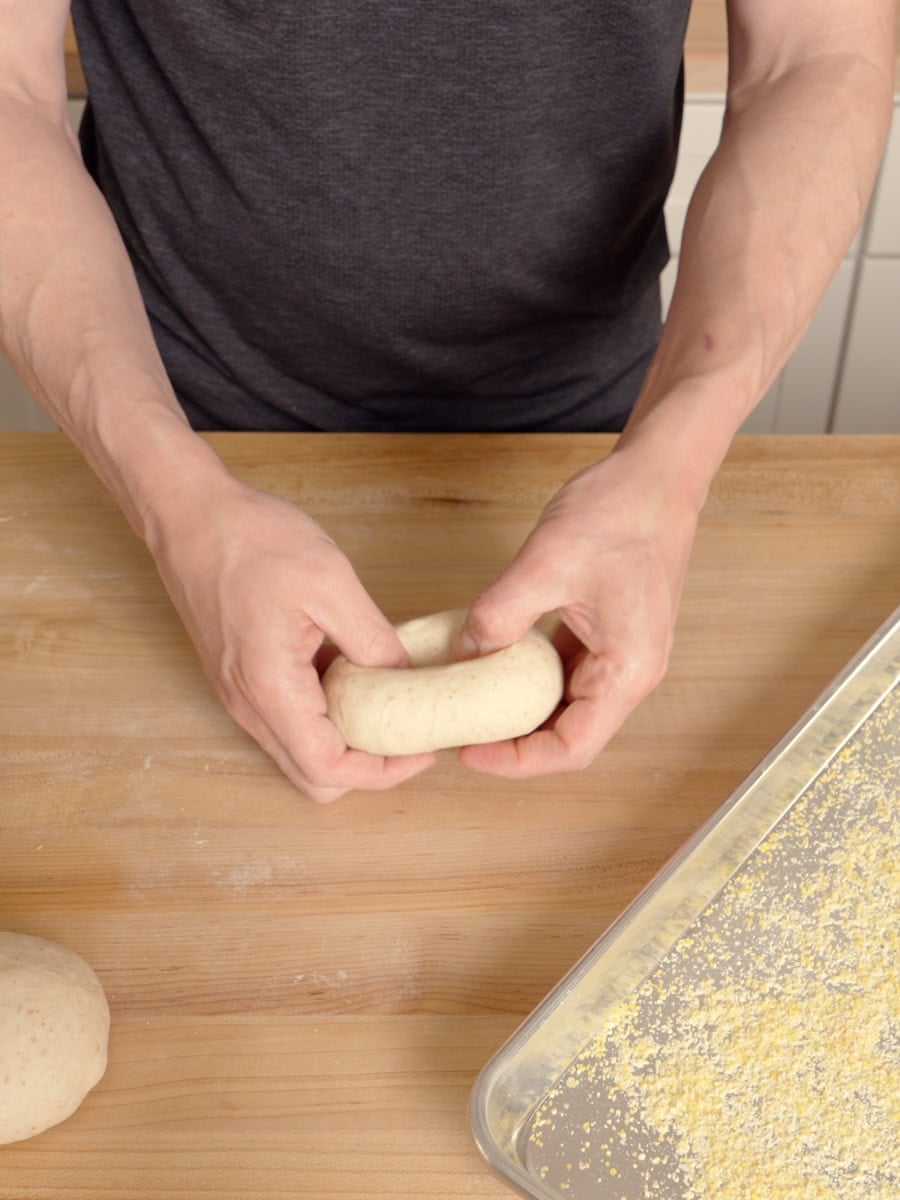
The Poke Method for Shaping: This technique is particularly advantageous for higher hydration doughs. Instead of the traditional method of rolling dough into a rope and joining the ends – a process that can lead to seam separation during boiling and is challenging with wetter doughs – the poke method involves creating a hole in the center of a dough ball and gently stretching it open. This approach is not only simpler and more forgiving but also results in a more uniform ring shape. A detailed explanation of this method is provided in the recipe instructions.
-
The Importance of Overnight Retardation: While it is possible to bake these bagels on the same day, the overnight cold proof is a crucial step that significantly enhances both flavor and texture. The extended rest in the refrigerator allows for deeper flavor development and offers a more manageable baking schedule, enabling bakers to shape the dough one evening and boil and bake it the following morning.
-
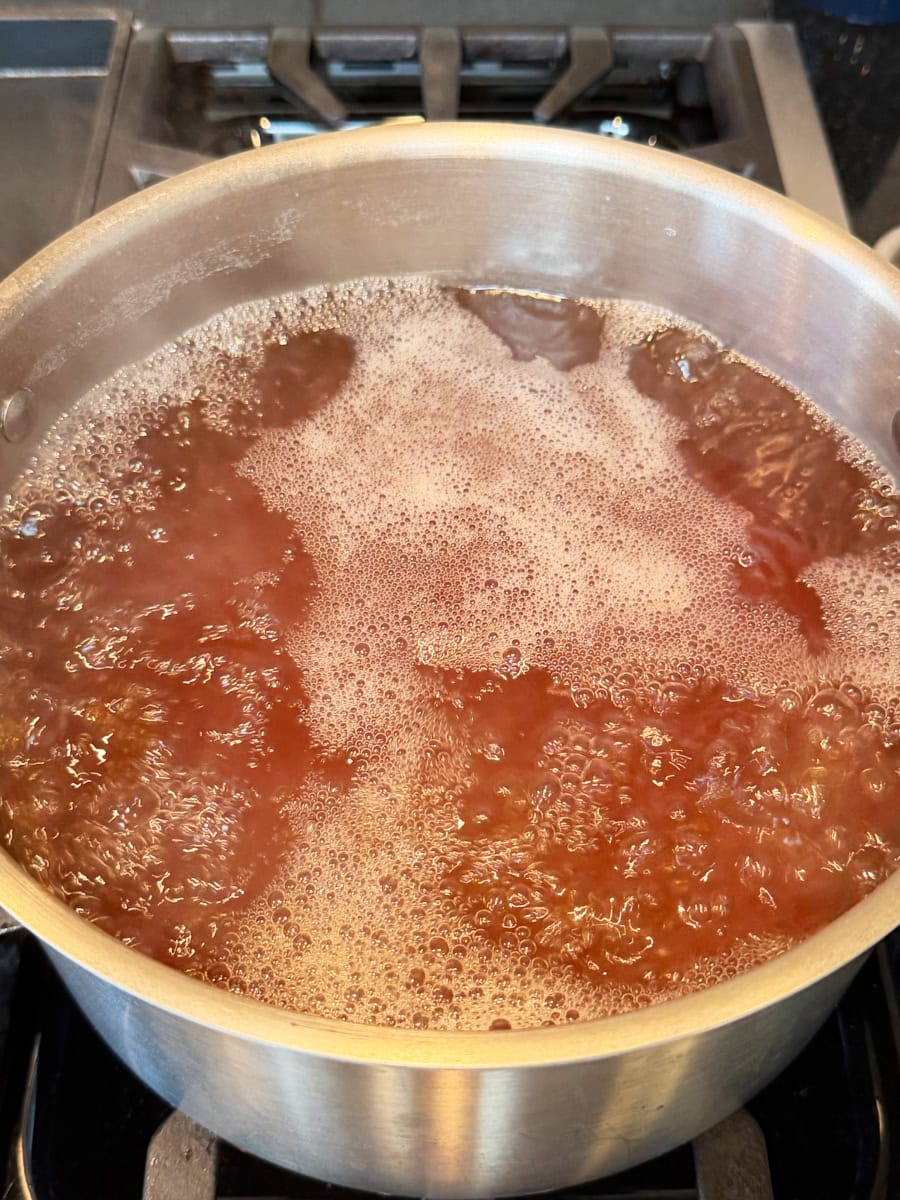
Optimizing the Boil Water: The composition of the boiling liquid is paramount to achieving the characteristic bagel crust. The recipe calls for a generous amount of barley malt syrup, a traditional ingredient that imparts a distinct malty flavor and contributes significantly to crust browning. The addition of a teaspoon of baking soda further enhances alkalinity, aiding in crust development and color. The resulting water mixture should appear noticeably dark.
-
Controlling Boil Time and Intensity: The duration of the boil plays a critical role in the final crust texture. A shorter boil, around 20 to 30 seconds per side, yields a thinner, crisper crust. Conversely, a longer boil promotes a chewier texture and a denser skin. For this particular dough, a shorter boil is preferred to achieve a crisp crust without it becoming leathery. It is essential that the boiling liquid is maintained at a vigorous, rolling boil throughout the process.
-
Utilizing Preheated Baking Surfaces: Similar to baking sourdough pizza or hearth bread, employing intense direct heat from below is vital for achieving the characteristic "oven spring" and a well-developed bottom crust on bagels. A baking steel is considered ideal for this purpose, though a thick baking stone can also be effective. Crucially, the steel or stone must be preheated for at least one hour before baking to ensure optimal heat transfer.
-
The Role of Steam: Introducing steam into the oven environment during the initial stages of baking, much like with other bread doughs, is recommended. Steam helps to further encourage the formation of microblisters on the bagel’s crust, contributing to its attractive, glossy appearance.
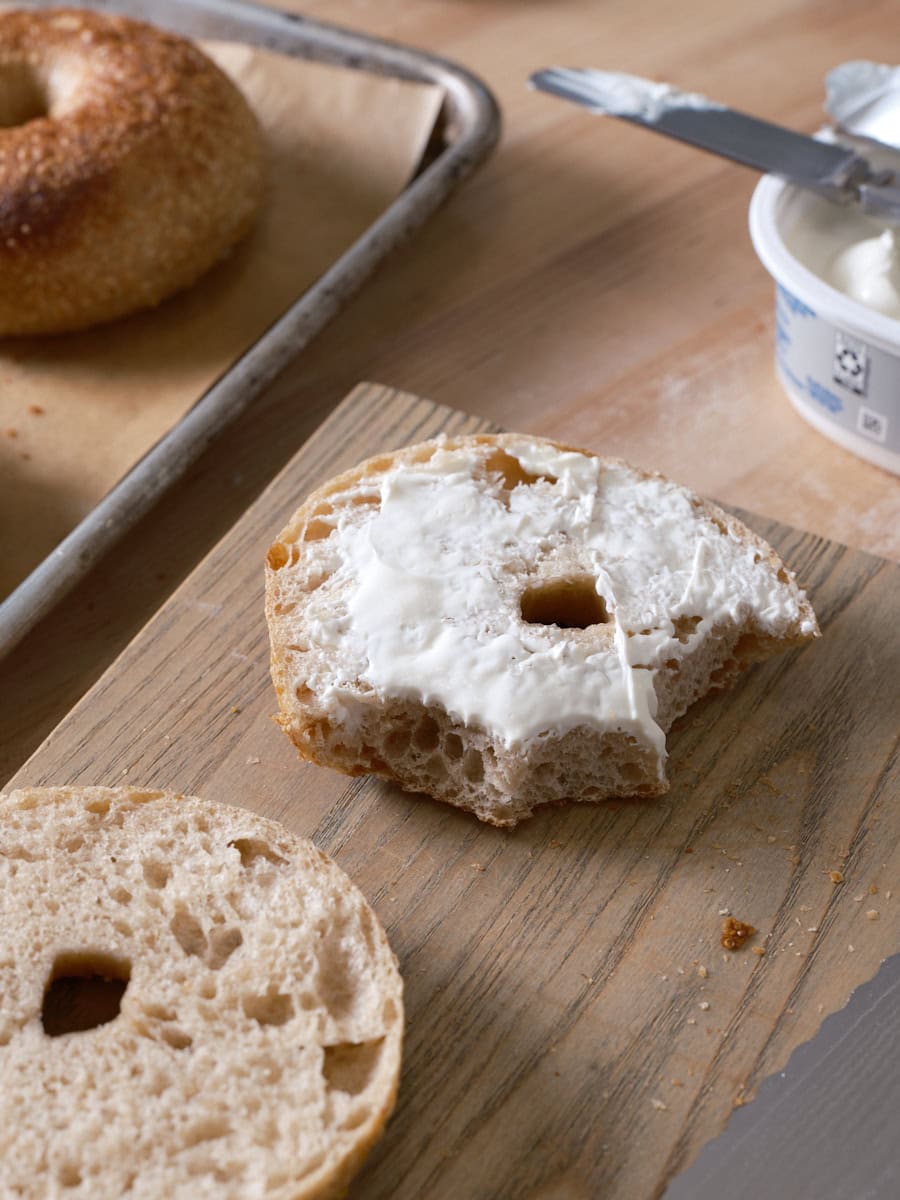
The ultimate goal of this refined recipe is to produce a sourdough bagel that feels intentionally crafted. The desired outcome is a bagel that is light, possesses a subtle chew, a crispy exterior, a distinct malty flavor, and enough whole grain character to provide depth without becoming heavy. Such a bagel, the creator suggests, is best enjoyed with minimal adornment, allowing its inherent qualities to shine.
Baking Schedule: A Three-Day Process
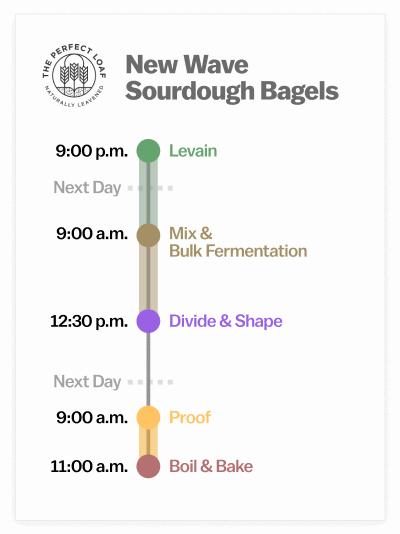
The creation of these sourdough bagels is typically spread over three days, though the schedule offers flexibility.
- Day One (Evening): The process begins with the preparation of a "sweet levain," a preferment incorporating a small amount of sugar. This levain ferments overnight at room temperature.
- Day Two (Morning): The main dough is mixed, followed by a bulk fermentation period. Subsequently, the dough undergoes a cold proof (retardation) in the refrigerator, lasting overnight.
- Day Three (Morning/Afternoon): Bagels are shaped, boiled, and baked. The exact timing of the boiling and baking can be adjusted based on the baker’s convenience, as the cold-proofed dough is quite forgiving.
For those seeking a faster approach, the overnight cold proof can be omitted. In this "same-day" option, after shaping, the bagels are proofed at room temperature for approximately 2 to 3 hours, until they pass the "poke test," indicating they are ready for boiling and baking.
Flour Selection: The Foundation of Flavor and Texture
The careful selection of flours is instrumental in achieving the desired characteristics of these bagels. The blend is designed to contribute both chew and tenderness.
- High-Protein White Flour (12-14% protein): Constituting just under half of the total flour weight, this type of flour, such as King Arthur Bread Flour or Central Milling Great Northern, provides the essential structure and chew that define a bagel.
- Medium-Protein White Flour: Central Milling’s Artisan Bakers Craft, or a similar quality medium-protein white flour with at least 11% protein, makes up the next 40 percent of the blend. This flour contributes to the dough’s overall workability and final texture.
- Whole Wheat and Whole Rye Flour: The remaining 15 percent is comprised of whole wheat and whole rye flours. These are not primarily for nutritional enhancement but for their significant contribution to flavor complexity. Whole wheat adds a warm, nutty depth, while whole rye introduces a subtle earthiness and can aid in fermentation activity and crust coloration. Together, they imbue the bagel with a nuanced flavor profile that transcends that of white flour alone, without making the bagel feel heavy.
Sweeteners: A Symphony of Flavor and Functionality
This recipe employs three distinct sweeteners, each serving a unique purpose:
- Barley Malt Syrup: This classic bagel ingredient is incorporated both into the final dough and the boiling water. It is responsible for the signature malty flavor of bagels, offering a balance of sweetness, slight bitterness, and savory notes. It also plays a crucial role in promoting deep browning during baking.
- Diastatic Malt Powder: Unlike barley malt syrup, which is non-diastatic and primarily adds flavor, diastatic malt powder contains active enzymes. These enzymes break down starches into sugars during fermentation and baking, which significantly enhances crust color, oven spring, and contributes to a more open crumb structure. A small amount, typically 1% of the flour weight, is highly effective.
- Superfine (Caster) Sugar: This sugar is specifically added to the levain, not the main dough. The "sweet levain" or "sweet starter" technique encourages robust yeast activity, leading to maximum rise with minimal sourness transferring to the final bagel.
New Wave Sourdough Bagel Recipe
This recipe yields approximately 12 bagels, each weighing around 130 grams, for a total dough weight of 1,620 grams. The formula can be adjusted using baker’s percentages. The target final dough temperature for this recipe is between 76-78°F (24-26°C).
Total Formula:
| Weight | Ingredient | Baker’s Percentage |
|---|---|---|
| 406g | High-protein white flour (12-14% protein) | 45.0% |
| 361g | Medium-protein white flour (e.g., Artisan Bakers Craft) | 40.0% |
| 90g | Whole wheat flour | 10.0% |
| 45g | Whole rye flour | 5.0% |
| 18g | Fine sea salt | 2.0% |
| 23g | Barley malt syrup (or honey) | 2.5% |
| 18g | Superfine (caster) sugar | 2.0% |
| 9g | Diastatic malt powder | 1.0% |
| 542g | Water 1 (for levain and initial mix) | 60.0% |
| 72g | Water 2 (bassinage, for final mix) | 8.0% |
| 18g | Fine sea salt | 2.0% |
| 36g | Ripe sourdough starter (100% hydration) | 4.0% |
New Wave Sourdough Bagel Method
1. Prepare the Levain (Day One, 9:00 p.m.)
- In a clean, tall jar, combine 90g medium-protein white flour, 81g water, 18g superfine sugar, and 36g ripe sourdough starter.
- Stir until the sugar is dissolved and the starter is fully incorporated.
- Cover and let ferment at room temperature (74-76°F / 23-24°C) overnight, approximately 12 to 14 hours. The levain is ready when it has significantly risen, is bubbly, and smells sweet.
2. Mix the Dough (Day Two, 9:00 a.m.)
- Using a Stand Mixer: In the mixer bowl, combine 406g high-protein white flour, 271g medium-protein white flour, 90g whole wheat flour, 45g whole rye flour, 23g barley malt syrup, 9g diastatic malt powder, 18g fine sea salt, 460g water (Water 1), and 226g ripe levain.
- Mix on low speed for 1-2 minutes until a shaggy mass forms. Increase speed to medium (120-130 RPMs) and mix for 5 minutes.
- Rest the dough for 5 minutes.
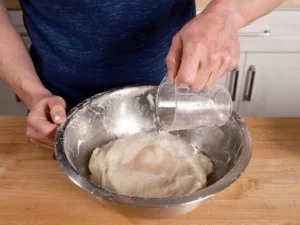
- Resume mixing on medium speed, gradually adding 72g water (Water 2) over 5 minutes. Continue mixing until the dough is smooth, strong, and pulls cleanly from the sides of the bowl. It should feel firm but slightly tacky.
- By Hand: Combine all dry ingredients and flours in a large bowl. Add the levain, barley malt syrup, diastatic malt powder, and Water 1. Mix thoroughly with wet hands or a dough whisk until no dry flour remains. Knead using the slap-and-fold technique for 5-6 minutes on a lightly floured surface. Rest for 5 minutes. Gradually add Water 2 while continuing to knead for another 4-5 minutes until the dough is smooth and cohesive.
- Transfer the dough to a bulk fermentation container and cover. Aim for a final dough temperature of 76-78°F (24-26°C).
3. Bulk Fermentation (Day Two, 9:30 a.m. to 12:30 p.m. – 3 hours)
- Allow the dough to bulk ferment at warm room temperature (74-76°F / 23-24°C) for approximately 3 hours. This stiff dough does not require stretch and folds during this period.
4. Divide and Shape (Day Two, 12:30 p.m.)
- Prepare two half-sheet pans by sprinkling them with medium cornmeal or white flour.
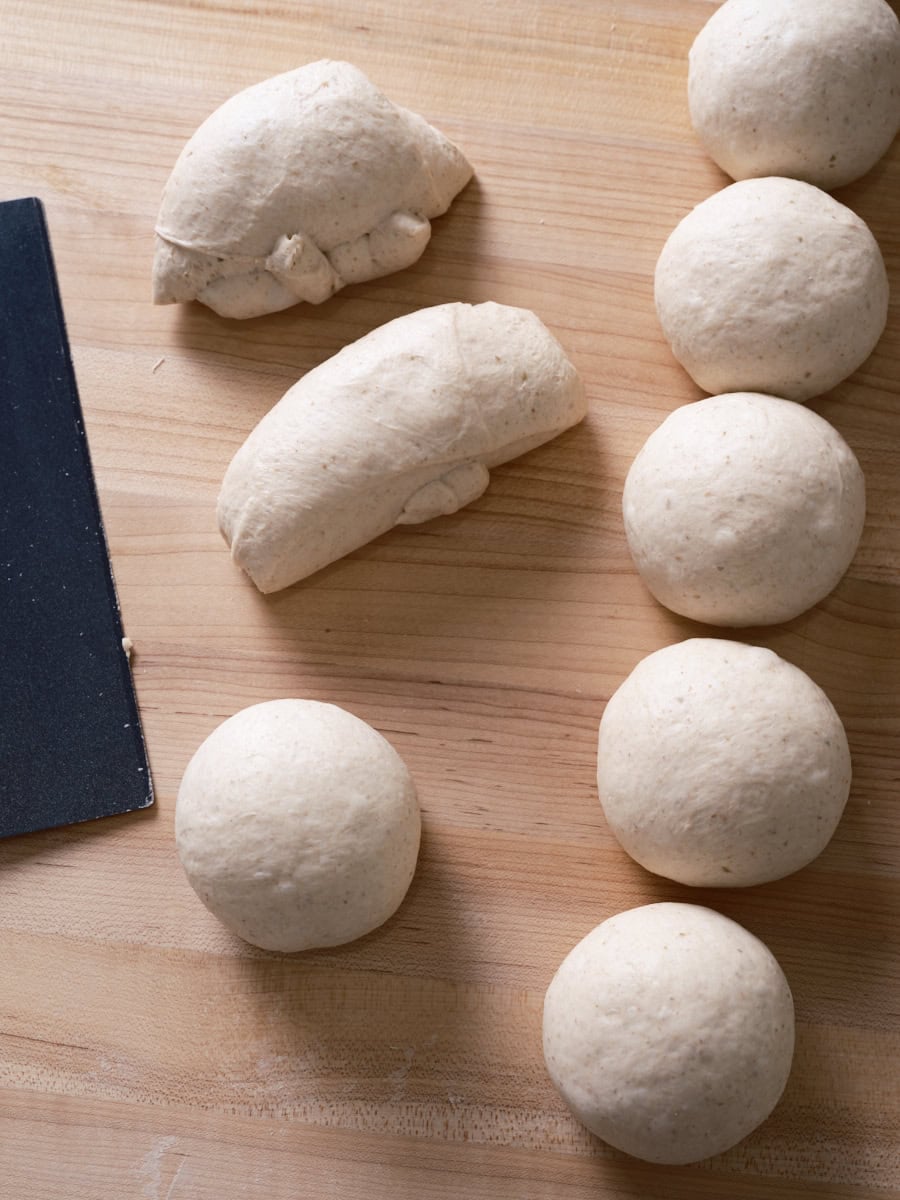
- Gently turn the dough out onto a lightly floured work surface and divide it into twelve 130-gram pieces.
- Ball the Dough: For each piece, fold the edges into the center to create a tight ball with a smooth top surface. Pinch the seam closed and ensure it is perfectly round.
- Poke and Shape the Ring: Gently flatten each ball. Using your index finger, create a hole in the center. Pick up the dough and gently stretch the hole open with both hands, rotating as you go, to form a ring approximately 2 to 2.5 inches in diameter. The hole will shrink during proofing and baking, so make it slightly larger than desired.
- Place the shaped bagels on the prepared sheet pans, leaving about 1-2 inches between them.
5. Overnight Retardation (Day Two, 1:00 p.m. to Day Three, 9:00 a.m.)
- Cover the sheet pans securely and refrigerate them overnight.
6. Proof (Day Three, 9:00 a.m.)
- Remove the bagels from the refrigerator and let them proof at warm room temperature for 2 hours.
- About halfway through this proofing period, place a baking steel on the middle oven rack and preheat the oven to 500°F (260°C) using convection (or 525°F / 270°C without convection). Allow at least one hour for the oven and steel to preheat fully.
7. Boil (Day Three, 11:00 a.m.)
- Prepare the Boil Station: In a large, wide pot, bring 1 gallon of water to a rolling boil. Add 1 teaspoon of baking soda. Then, stir in 5 tablespoons of barley malt syrup until dissolved. Ensure the water maintains a vigorous boil.
- Have a wire rack set over a sheet pan ready for the boiled bagels. Prepare your desired toppings (sesame seeds, poppy seeds, everything seasoning, etc.) in shallow bowls.
- Boil the Bagels: Working in batches of 2-3, carefully lower the bagels into the boiling water, smooth-side down first. Boil for 20-25 seconds per side.
- Using a slotted spatula, lift each bagel from the water, allowing excess water to drip off.
- If adding toppings, dip the top of the wet bagel into the chosen seasoning immediately. Place the topped bagels topping-side up on a parchment-lined sheet pan or directly onto a pizza peel.
8. Bake (Day Three, 11:15 a.m.)
- Carefully transfer one sheet pan with 6 bagels onto the preheated baking steel.
- Bake for 10 minutes.
- Rotate the pan and reduce the oven temperature to 450°F (230°C). Continue baking for another 5 minutes, or until the bagels are a deep golden brown. The barley malt syrup in the dough and boil water will contribute to rich coloring; avoid underbaking.
- Transfer the baked bagels to a wire rack and allow them to cool for at least 15-20 minutes before slicing. This cooling period is essential for the interior to set properly.
Storage and Serving:
These sourdough bagels can be stored in a sealed bag on the counter for 3 to 4 days. For longer storage, slice and freeze them, and then toast them directly from frozen after thawing overnight in the refrigerator.
Sourdough Bagel FAQs
- How to reduce sourness: The recipe uses a sweet levain to minimize sourness. If your bagels are still too sour, ensure your starter is not overly ripe when making the levain, or consider omitting the whole rye flour.
- Achieving an open crumb: For an even more open crumb, slightly increase the dough hydration by 3-4%. Be aware that higher hydration can make handling the dough more challenging during boiling.
- Preventing flat bagels: Flat bagels are typically caused by over-fermentation during bulk fermentation or in the refrigerator, insufficiently tight shaping, or a boil water that is not at a rolling boil.
- Same-day baking: If skipping the overnight retard, proof shaped bagels at room temperature for 2-3 hours until they float in water.
- Boiling time: A 20-25 second boil per side yields a thinner, crisper crust. A 30-60 second boil per side creates a thicker, chewier skin.
- Diastatic malt powder necessity: While not strictly essential, diastatic malt powder significantly aids oven spring, crust color, and crumb texture.
- Best toppings: Classic toppings like sesame, poppy, everything seasoning, or coarse salt adhere best when applied immediately after boiling, while the surface is still wet.
The development of this new wave sourdough bagel represents a significant advancement in home baking, offering a sophisticated yet achievable method for producing artisanal quality bagels. The meticulous attention to ingredient ratios, fermentation techniques, and precise baking steps results in a bagel that is a testament to the art and science of modern baking.