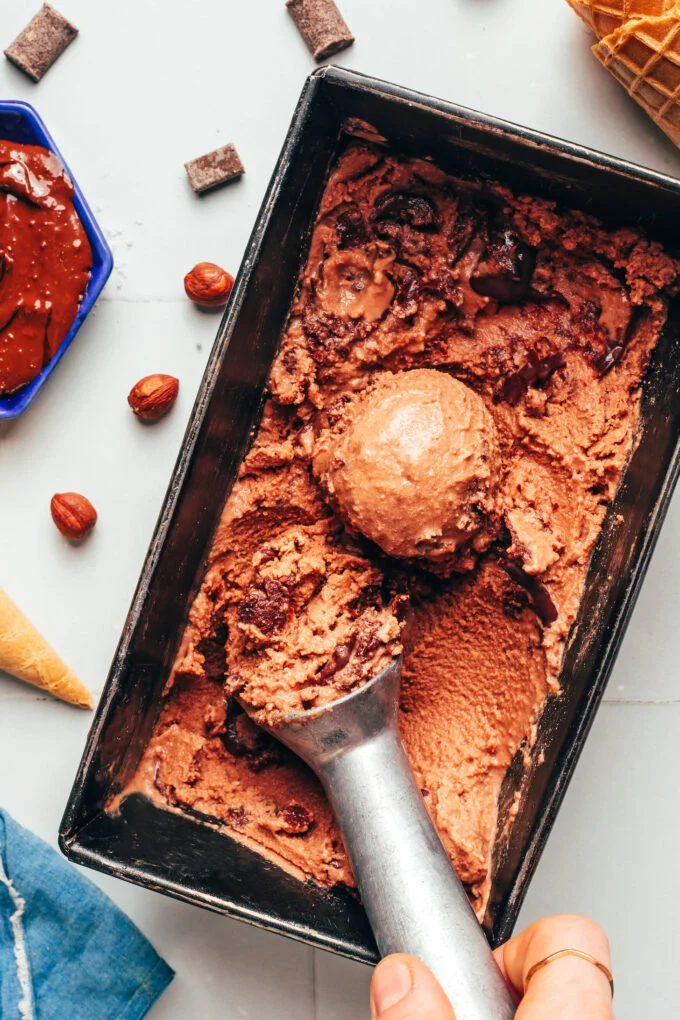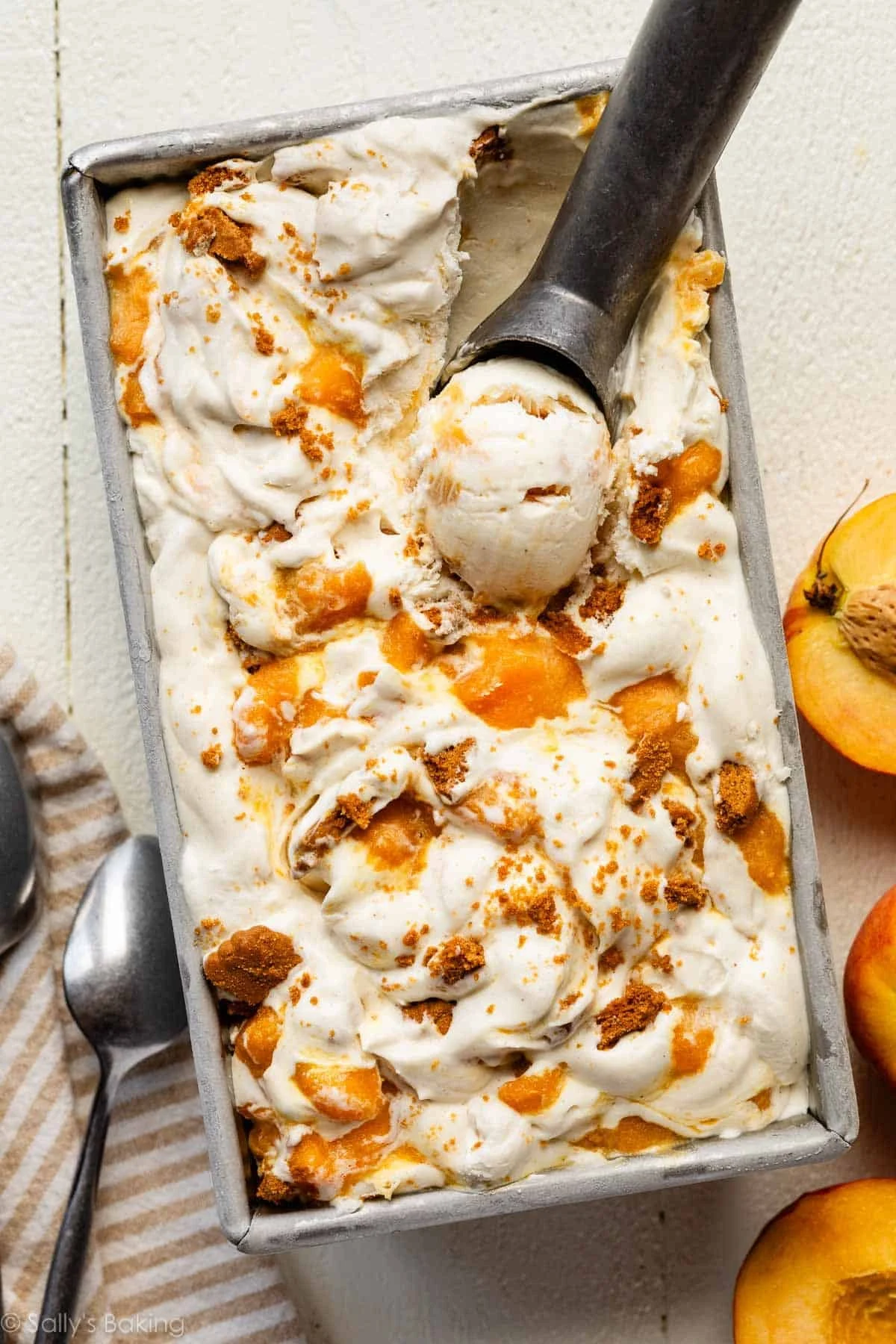

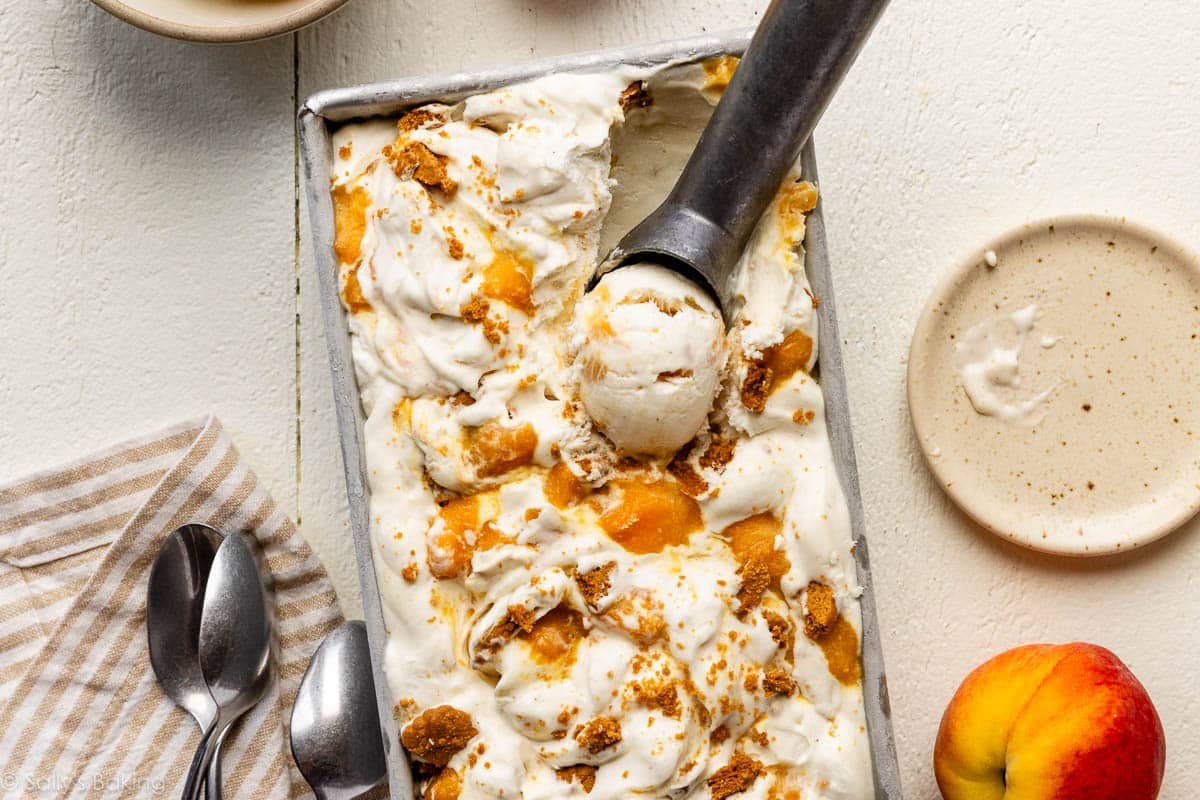
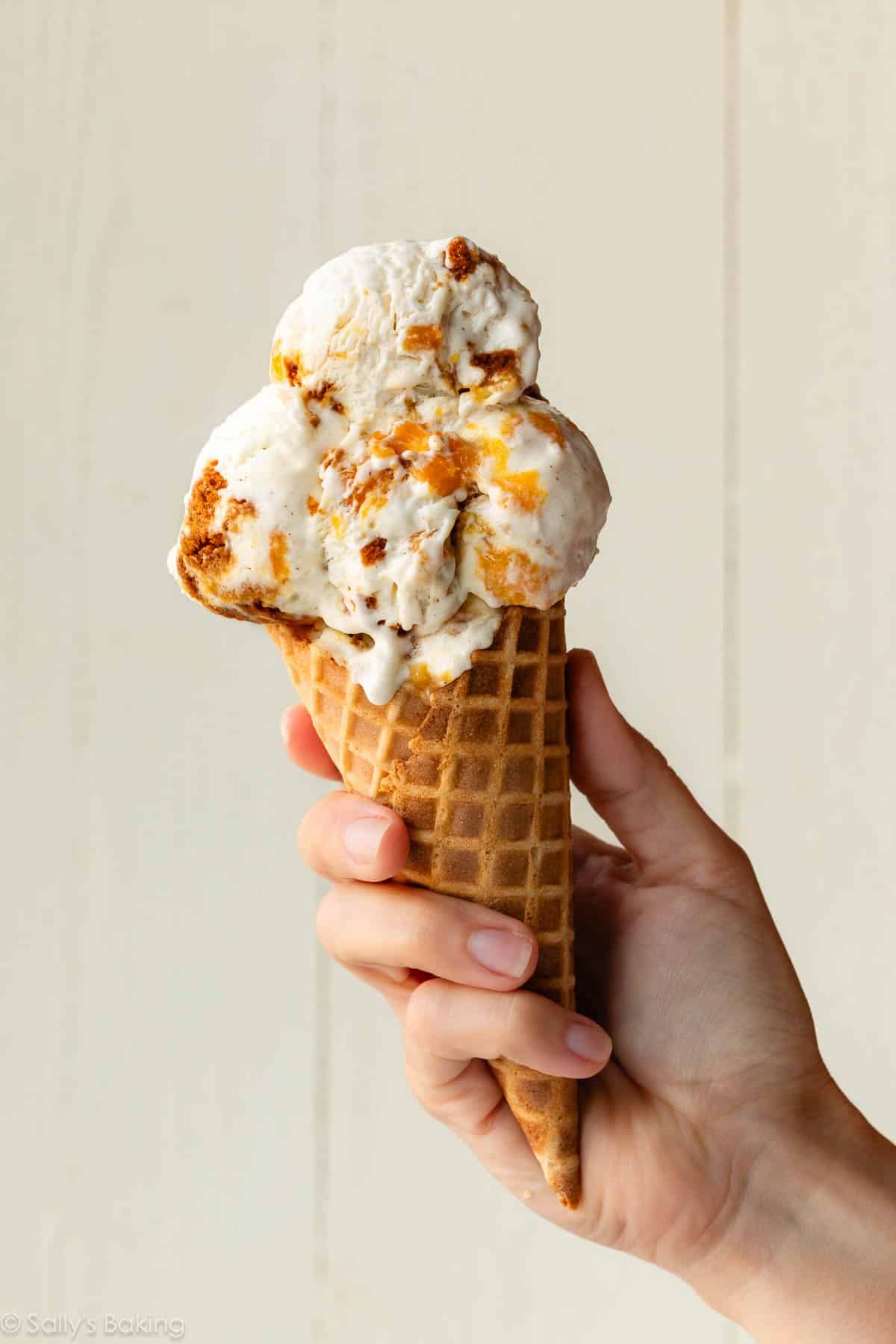
The culinary world is witnessing a sustained trend towards accessible gourmet experiences at home, a movement epitomized by the recent emergence of a no-churn peach cheesecake ice cream recipe. This innovative dessert, combining the creamy tang of cheesecake with the sweet succulence of peaches and the spiced crunch of Biscoff cookies, offers a sophisticated flavor profile without requiring specialized equipment like an ice cream maker. Ready after a mere eight hours in the freezer, this recipe addresses a growing demand for convenience without compromising on taste or texture, positioning itself as a significant contribution to the repertoire of effortless summer treats.
The Evolution of Homemade Frozen Desserts: From Churn to No-Churn
The history of ice cream making is a testament to human ingenuity in crafting delightful frozen treats. Historically, ice cream production was an arduous process, involving hand-cranked churns, rock salt, and ice to slowly freeze a custard base. This method, while yielding rich results, was labor-intensive and often relegated to special occasions or commercial production. The advent of electric ice cream makers simplified the process for home cooks, but still necessitated a dedicated appliance and often, pre-chilling of the bowl.
The "no-churn" phenomenon represents the next logical step in this evolution, democratizing ice cream production entirely. This method, which gained significant traction in the early 21st century, particularly after being popularized by culinary figures like Martha Stewart, bypasses the need for churning altogether. The scientific principle behind no-churn ice cream relies on the aeration of heavy cream, which, when whipped to stiff peaks, incorporates air that mimics the texture achieved by churning. This whipped cream is then folded into a mixture of sweetened condensed milk, which provides both sweetness and a high fat content, inhibiting the formation of large ice crystals and ensuring a smooth, creamy consistency. The result is a remarkably similar mouthfeel to traditionally churned ice cream, but with significantly reduced effort and equipment. This technological simplicity has profoundly impacted home baking, allowing individuals to create a diverse array of ice cream flavors with minimal fuss, transforming a once specialized skill into an everyday possibility.
Deconstructing the Peach Cheesecake Ice Cream Profile
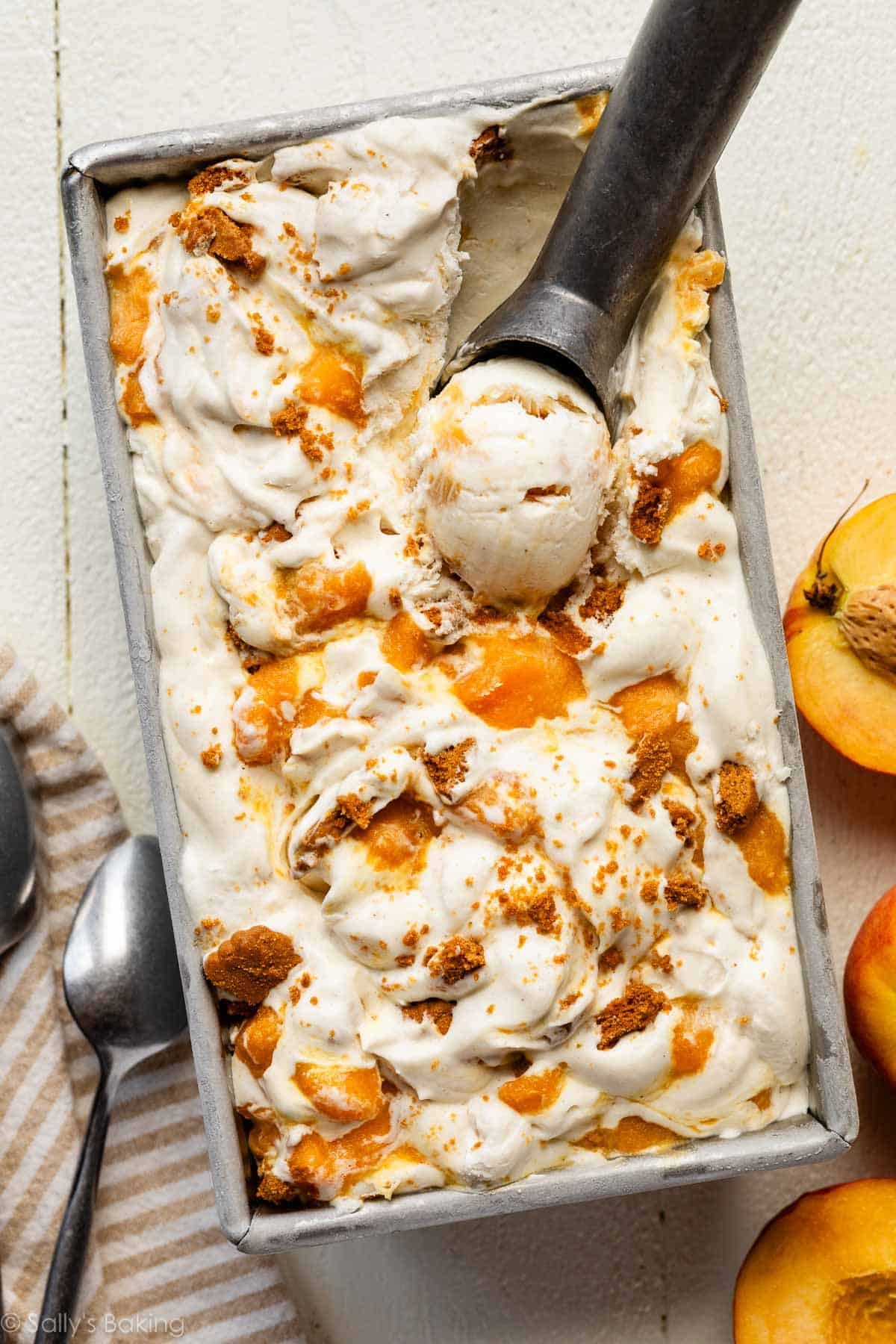
This particular no-churn recipe distinguishes itself by meticulously layering distinct flavors and textures to achieve a complex, yet harmonious, dessert. The foundation is a rich, creamy base that evokes the classic tang of cheesecake. This is achieved by incorporating softened cream cheese into the sweetened condensed milk and whipped heavy cream mixture. The cream cheese not only imparts its signature tangy note but also contributes to the overall richness and stability of the frozen dessert. Vanilla extract and a hint of cinnamon are added to this base, providing aromatic depth and warmth that complements the fruit.
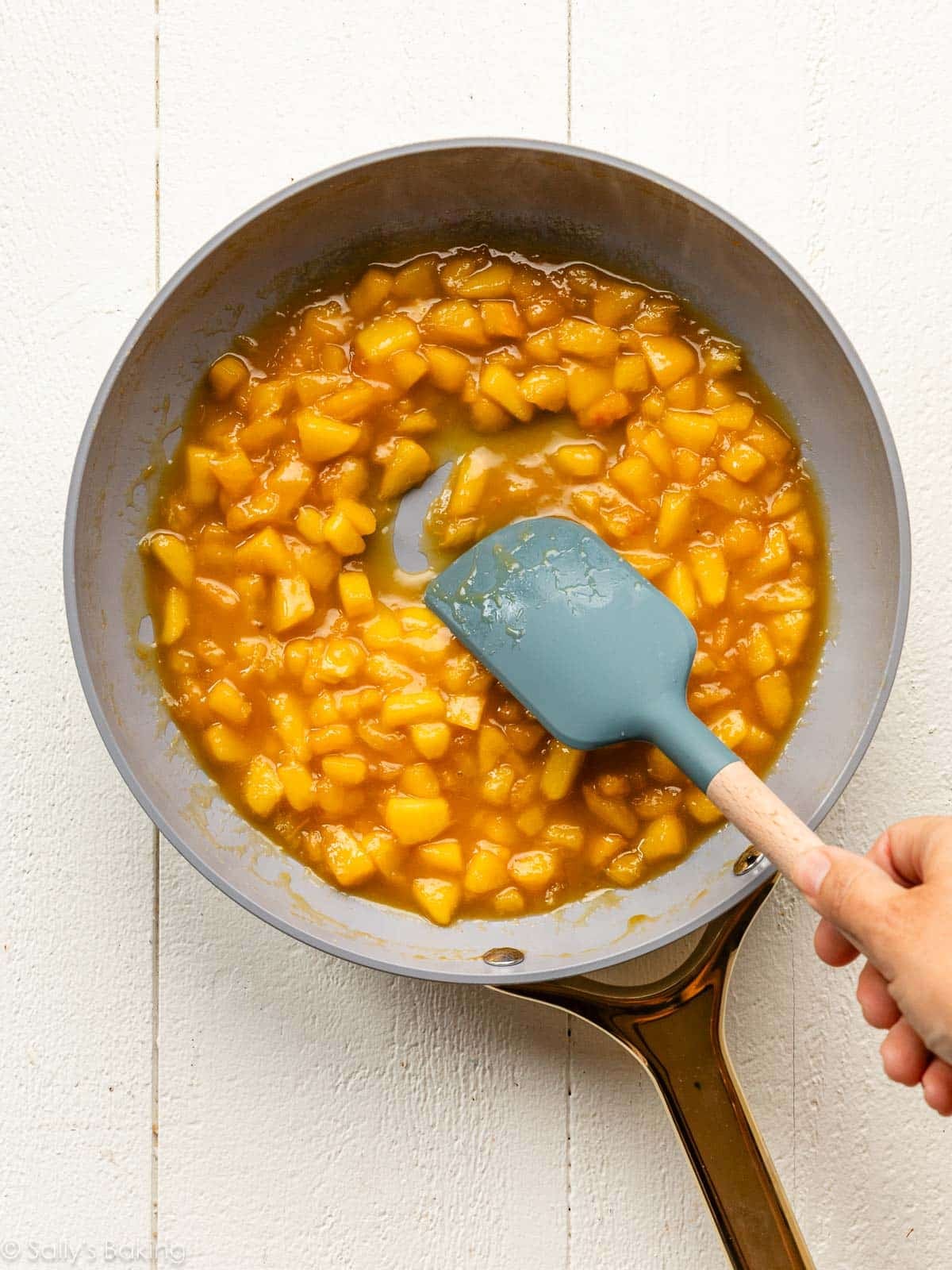
The "peach" component is far from a mere inclusion; it is a carefully prepared swirl designed to maximize flavor and textural integrity. Approximately four fresh peaches are peeled, pitted, and diced, then gently cooked on the stovetop with a touch of brown sugar and butter for about 10 minutes. This cooking process serves multiple critical functions: it intensifies the natural sweetness and flavor of the peaches, softens their texture to prevent large, icy chunks in the final product, and creates a jam-like consistency. As the peaches cook, some are gently mashed, resulting in a "peach preserves" texture – a delightful blend of saucy fruit and discernible peach pieces. Crucially, this peach swirl is allowed to cool completely before being incorporated into the ice cream base, preventing it from melting the delicate whipped cream structure.
Finally, the recipe introduces a layer of spiced Biscoff cookies. These iconic European cookies, known for their distinct caramel and cinnamon notes, are crushed into pieces and folded into the ice cream. The Biscoff serves a dual purpose: it adds a pleasant crunch that contrasts with the creamy ice cream and soft peaches, and its spiced flavor profile harmonizes beautifully with both the peaches and the subtle cinnamon in the ice cream base, echoing the traditional graham cracker crust of a cheesecake while offering a more unique, sophisticated twist.
Ingredient Procurement and Preparation: Key to Success
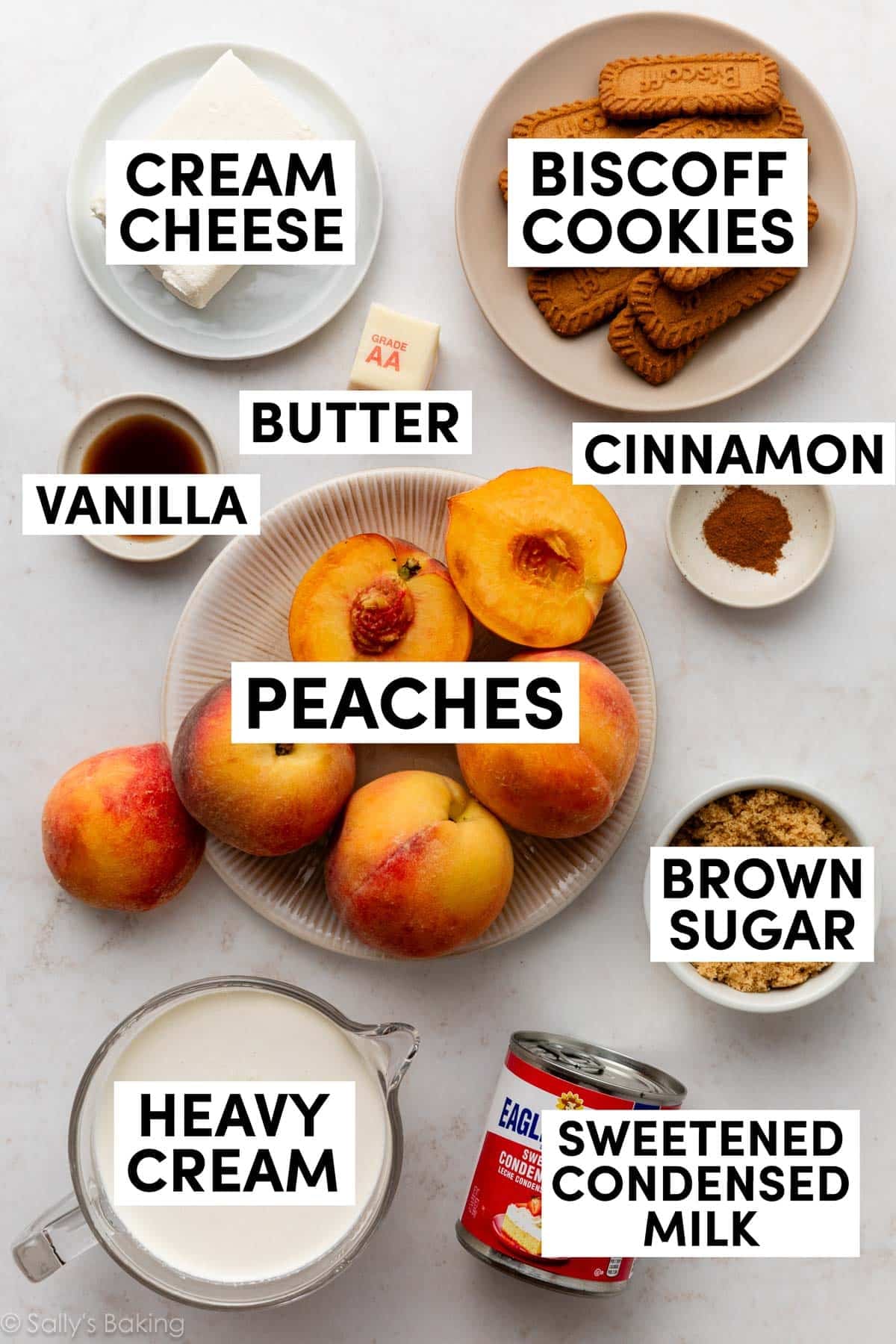
The success of this no-churn peach cheesecake ice cream hinges on the quality and proper preparation of its core ingredients. Fresh, ripe peaches are paramount. While approximately four peaches are recommended, the exact quantity can be adjusted based on desired peach intensity and the size of the fruit. The brief cooking process with brown sugar and butter is non-negotiable for achieving the optimal flavor and texture of the peach swirl, preventing the fruit from becoming icy or bland when frozen. For those facing seasonal limitations, frozen peaches can be a viable alternative, provided they are thawed completely and excess moisture is blotted away before cooking. However, canned peaches are explicitly not recommended due to their inherent softness and high water content, which can dilute the flavor and compromise the texture of the ice cream.
The dairy components are equally critical. Heavy cream, with a minimum fat content of 36%, is essential for achieving the stiff peaks necessary for the no-churn method. Sweetened condensed milk acts as the primary sweetener and contributes significantly to the creamy texture. Full-fat cream cheese, softened to room temperature, is crucial for a smooth, lump-free cheesecake base. The use of Biscoff cookies adds a distinctive element, but the recipe offers flexibility; four full-sheet graham crackers can be substituted for a more traditional cheesecake crust flavor, allowing for customization based on pantry availability or personal preference. Other flavor enhancers like vanilla extract and cinnamon round out the profile, ensuring a well-balanced and aromatic dessert.
The Assembly Process: A Masterclass in Simplicity
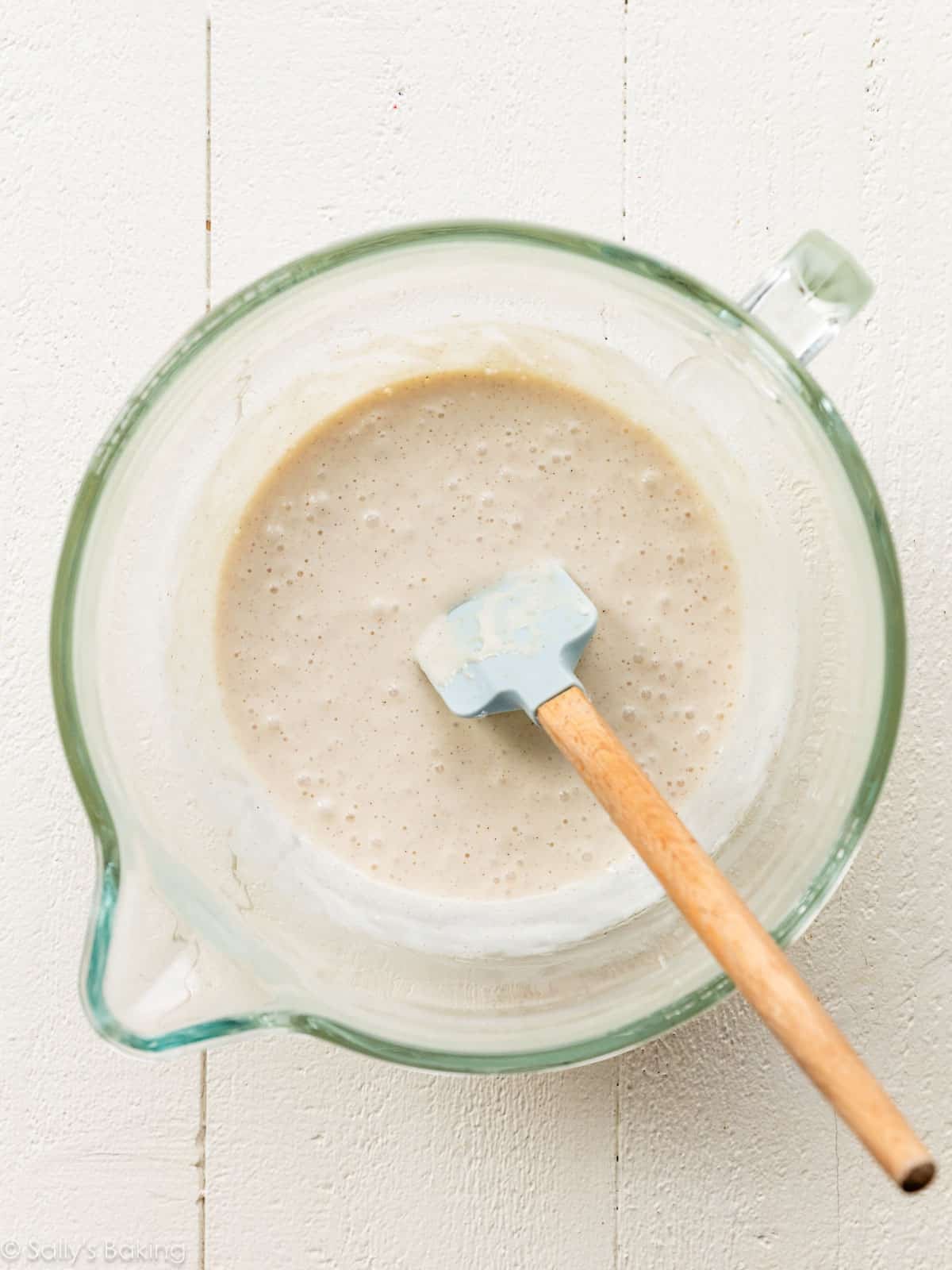
The assembly of this no-churn ice cream is designed for maximum ease, following a layering technique that ensures an even distribution of flavors and textures. The process begins with the independent preparation of the peach swirl, as detailed above, ensuring it cools completely. Meanwhile, the ice cream base is prepared. Heavy cream is whipped to stiff peaks, slightly firmer than standard whipped cream, to provide the necessary structure. In a separate bowl, softened cream cheese is beaten until perfectly smooth, eliminating any lumps. Sweetened condensed milk, vanilla extract, and cinnamon are then incorporated into the cream cheese mixture, blending until homogenous. Finally, the whipped cream is gently folded into this cream cheese mixture, creating a light, airy, and creamy base.
The construction of the ice cream in its freezer-safe container, typically a loaf pan, involves alternating layers. Approximately one-third of the ice cream mixture forms the initial layer. This is then topped with about half of the cooled peach swirl and a scattering of crushed Biscoff cookies. These layers are repeated, culminating in a final layer of ice cream mixture, garnished with a few remaining peach chunks and Biscoff crumbs. A final, gentle swirl with a knife artfully integrates the components, creating an appealing marbled effect. The assembled dessert is then covered and frozen for a minimum of eight hours, or ideally, overnight, allowing sufficient time for it to set to the perfect scoopable consistency.
Implications and Broader Culinary Impact
This no-churn peach cheesecake ice cream recipe exemplifies several broader trends within the contemporary culinary landscape. Firstly, it underscores the ongoing consumer desire for convenience in food preparation without sacrificing quality or gourmet appeal. In an increasingly fast-paced world, recipes that deliver impressive results with minimal effort are highly valued. The "no-churn" methodology directly addresses this by removing the barrier of specialized equipment and complex techniques.
Secondly, the recipe highlights the enduring popularity of seasonal ingredients, particularly peaches, which are synonymous with summer abundance. By incorporating fresh fruit, the recipe taps into a preference for natural flavors and ingredients, aligning with health-conscious consumer choices while still indulging in a dessert.
Thirdly, the fusion of flavors – cheesecake, peaches, and Biscoff – demonstrates a creative approach to dessert innovation. It takes beloved, familiar elements and combines them in a novel way, offering a fresh take on classic combinations. This kind of culinary cross-pollination encourages experimentation in home kitchens and inspires further creative adaptations.
The recipe’s success, and that of similar no-churn creations, suggests a democratization of dessert making. It empowers home cooks of all skill levels to produce impressive frozen treats, fostering a sense of accomplishment and encouraging culinary exploration. This has implications for the broader food industry, potentially influencing product development towards more convenient formats for premium ingredients or pre-made bases that facilitate similar "assemble-and-freeze" concepts. Furthermore, the explicit inclusion of potential variations (skipping cream cheese for a simpler base, using graham crackers instead of Biscoff) reflects a responsive approach to diverse consumer preferences and dietary considerations, further enhancing its appeal and adaptability. The suggestion of pairing it with homemade salted caramel also points to a desire for elevated, customizable dessert experiences, where a simple base can be transformed with additional gourmet touches.
In conclusion, the no-churn peach cheesecake ice cream is more than just a recipe; it is a microcosm of modern culinary trends. It represents a confluence of convenience, quality, and creative flavor fusion, making gourmet desserts accessible to every home kitchen. Its simple yet effective methodology, combined with its appealing blend of textures and tastes, solidifies its position as a significant and welcome innovation in the world of homemade frozen treats.