
The culinary landscape of summer dining is often defined by the sizzle of the grill, and among the most versatile and beloved creations are kabobs. These skewers, laden with a vibrant medley of proteins, vegetables, and sometimes fruits, offer a quick, high-protein, and endlessly customizable solution for meal preparation and outdoor entertaining. As grilling season approaches, enthusiasts are exploring innovative ways to elevate this classic dish, transforming it from a simple barbecue staple into a sophisticated and satisfying meal. This article delves into the art of kabob creation, highlighting popular combinations and offering practical tips for mastering the grill.
The appeal of kabobs extends beyond their visual appeal; they are a testament to efficiency and flavor. Their inherent design allows for even cooking of various ingredients, a crucial element for successful grilling. The ability to mix and match proteins – from traditional beef and chicken to seafood like salmon and shrimp, and even vegetarian options like halloumi – provides a broad spectrum for diverse palates and dietary preferences. This adaptability makes kabobs an ideal candidate for meal prep, allowing individuals to prepare multiple servings in advance, saving time during busy weekdays.
The Genesis of the Skewer: A Culinary Journey
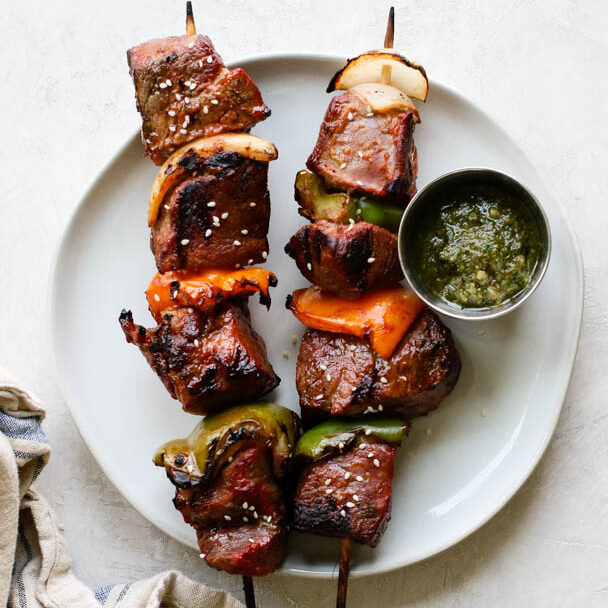
While the modern barbecue kabob is a familiar sight, the practice of skewering food for cooking has ancient roots. Archaeological evidence suggests that early humans utilized sharpened sticks to roast meat over open fires, a rudimentary precursor to the modern skewer. Over centuries, this method evolved across various cultures. In the Middle East, kofta kebabs, made from ground meat and spices, have been a staple for generations. The term "kebab" itself originates from Arabic and is believed to have spread through trade routes and cultural exchange, leading to regional variations like Turkish shish kebab and Persian koobideh. The American adaptation, often featuring cubed meats and vegetables, gained significant traction in the mid-20th century, coinciding with the rise of backyard grilling and outdoor cooking as a leisure activity.
Optimizing the Kabob Experience: Essential Tips for Success
Achieving perfectly cooked kabobs requires attention to detail. Several key practices can significantly enhance the grilling outcome:
- Skewer Selection: Wooden skewers offer an accessible and disposable option, but they require a crucial preparatory step: soaking. Immersing wooden skewers in water for at least 30 minutes before use prevents them from charring or igniting on the grill, ensuring the food cooks thoroughly before the skewers become a hazard. Metal skewers, on the other hand, are reusable and do not require soaking, offering a more durable and eco-friendly alternative.
- Ingredient Harmony: The success of a kabob lies in the cohesive cooking times of its components. When assembling skewers, it is essential to pair ingredients that require similar cooking durations. For instance, dense vegetables like potatoes or carrots may need to be par-cooked before skewering, while softer items like cherry tomatoes or bell peppers cook relatively quickly.
- Marinades and Seasonings: Marinades not only infuse flavor but also help tenderize proteins. A good marinade can transform the taste and texture of kabobs. Beyond marinades, simple seasonings, rubs, and sauces can elevate the flavor profile. Consider herbs, spices, citrus juices, soy sauce, or even flavorful oils.
- Grill Preparation: A well-preheated grill is paramount to prevent sticking. Ensure the grill grates are clean and lightly oiled. Applying a thin layer of oil to the kabobs themselves, prior to placing them on the grill, further aids in preventing adhesion and promotes even searing.
- Cooking Technique: Avoid overcrowding the grill. This can lead to uneven cooking and steaming rather than grilling. Rotate the skewers regularly to ensure all sides are exposed to the heat, developing a desirable char and cooked-through interior.
A Culinary Tour of Kabob Combos: Inspiration for Every Palate
The beauty of kabobs lies in their infinite variability. Here are some popular and inspiring combinations, catering to diverse tastes and dietary needs:
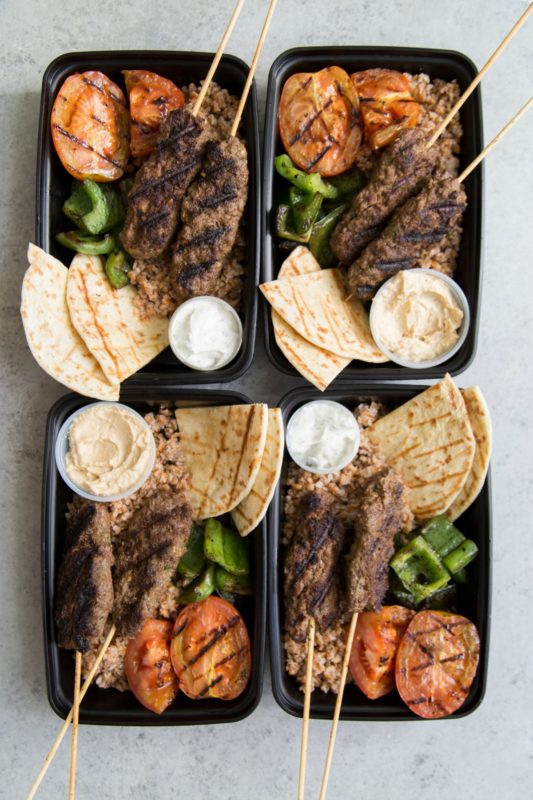
Kofta Kebab Meal Prep (Keto, Paleo, Whole30)
This Middle Eastern delight features ground beef or lamb seasoned with a robust blend of spices such as cumin, coriander, garlic, and onion. The ground meat is often formed into oblong shapes around the skewer. Traditionally served with cooling accompaniments like tzatziki or hummus, kofta kebabs offer a flavorful and satisfying protein-packed meal that aligns with ketogenic, paleo, and Whole30 dietary approaches. The absence of large vegetable chunks allows the spiced meat to be the star, offering a concentrated burst of flavor.
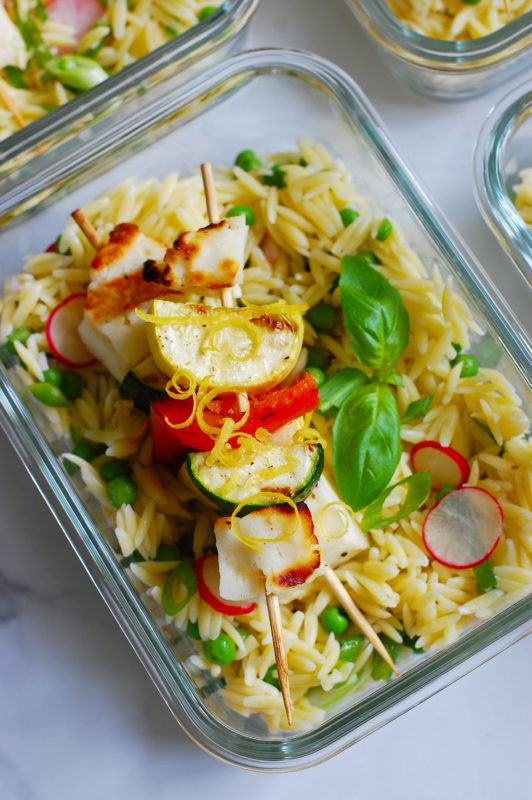
Grilled Halloumi & Summer Squash Kabob Meal Prep (Vegetarian)
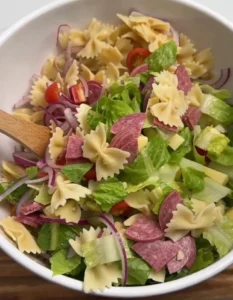
For vegetarians seeking a grill-ready option, halloumi cheese provides a unique and delightful protein source. This firm, salty cheese holds its shape well on the grill, developing a delightful golden-brown crust. Paired with the mild sweetness of summer squash, along with other vegetables like bell peppers and red onions, these kabobs offer a refreshing and satisfying meal. This combination is particularly appealing during the summer months when squash is in season and can be enjoyed warm or chilled, akin to a hearty pasta salad.
Pesto Beef Kabob Meal Prep (Keto, Paleo, Whole30)
Elevating traditional beef kabobs, this recipe incorporates the vibrant, herbaceous notes of pesto. Cubes of tender beef, such as sirloin or tenderloin, are marinated in a pesto sauce and then grilled alongside complementary vegetables like cherry tomatoes and zucchini. The richness of the beef and the aromatic quality of the pesto create a sophisticated flavor profile. This dish is also highly adaptable, with chimichurri serving as an excellent alternative to pesto for those seeking a different zesty flavor. Its keto, paleo, and Whole30 compliance makes it a versatile option for many health-conscious individuals.
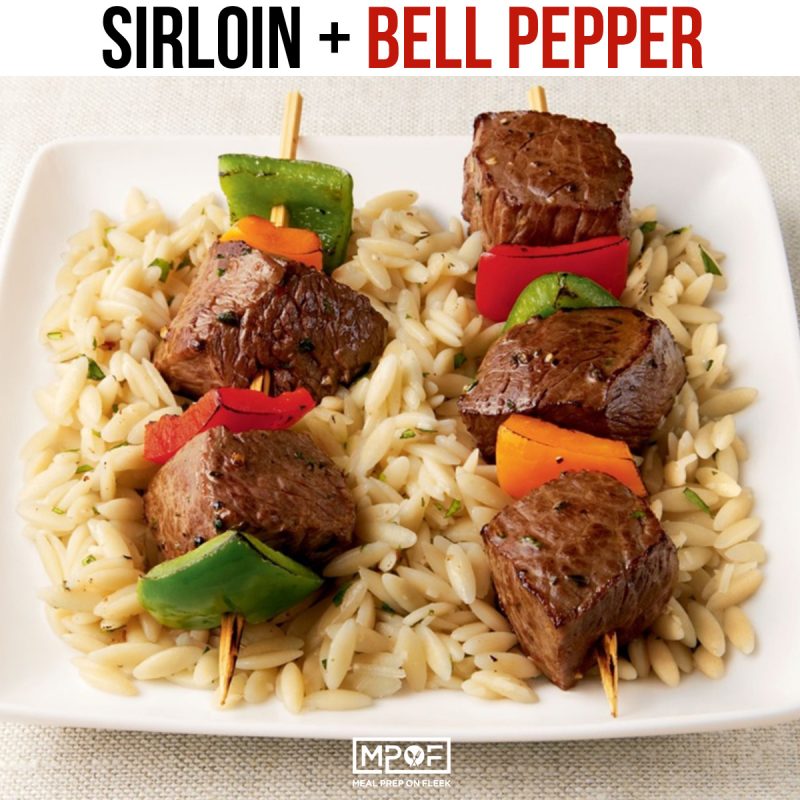
Sizzling Sirloin Kabobs on a Bed of Orzo
This hearty combination presents tender sirloin steak cubes grilled to perfection alongside colorful vegetables like bell peppers and onions. The robust flavor of the sirloin is complemented by the accompanying vegetables. Served atop a bed of orzo pasta, this meal offers a complete and satisfying dining experience. The orzo provides a comforting starch element that absorbs the savory juices from the kabobs, making for a well-rounded dish.
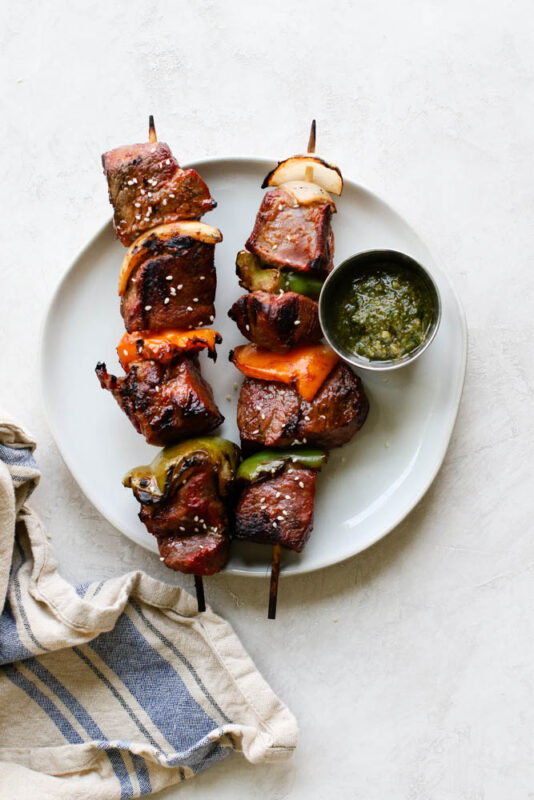
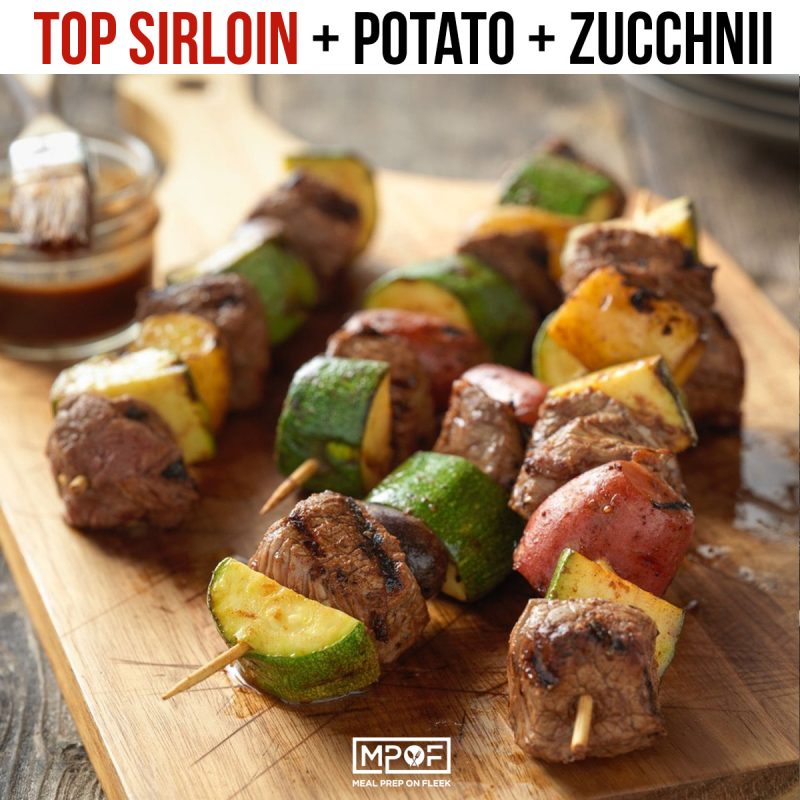
Beef Top Sirloin and Potato Kabobs
A classic pairing reimagined on skewers, these kabobs feature succulent cubes of beef top sirloin interspersed with chunks of potato. To expedite the cooking process and ensure tender potatoes, a microwave pre-cooking step can be employed before grilling. This method allows the potatoes to soften, reducing their grilling time and ensuring they are fully cooked when the beef reaches its ideal temperature. The combination of steak and potatoes is a universally loved comfort food, and this kabob format offers a fun and convenient way to enjoy it.
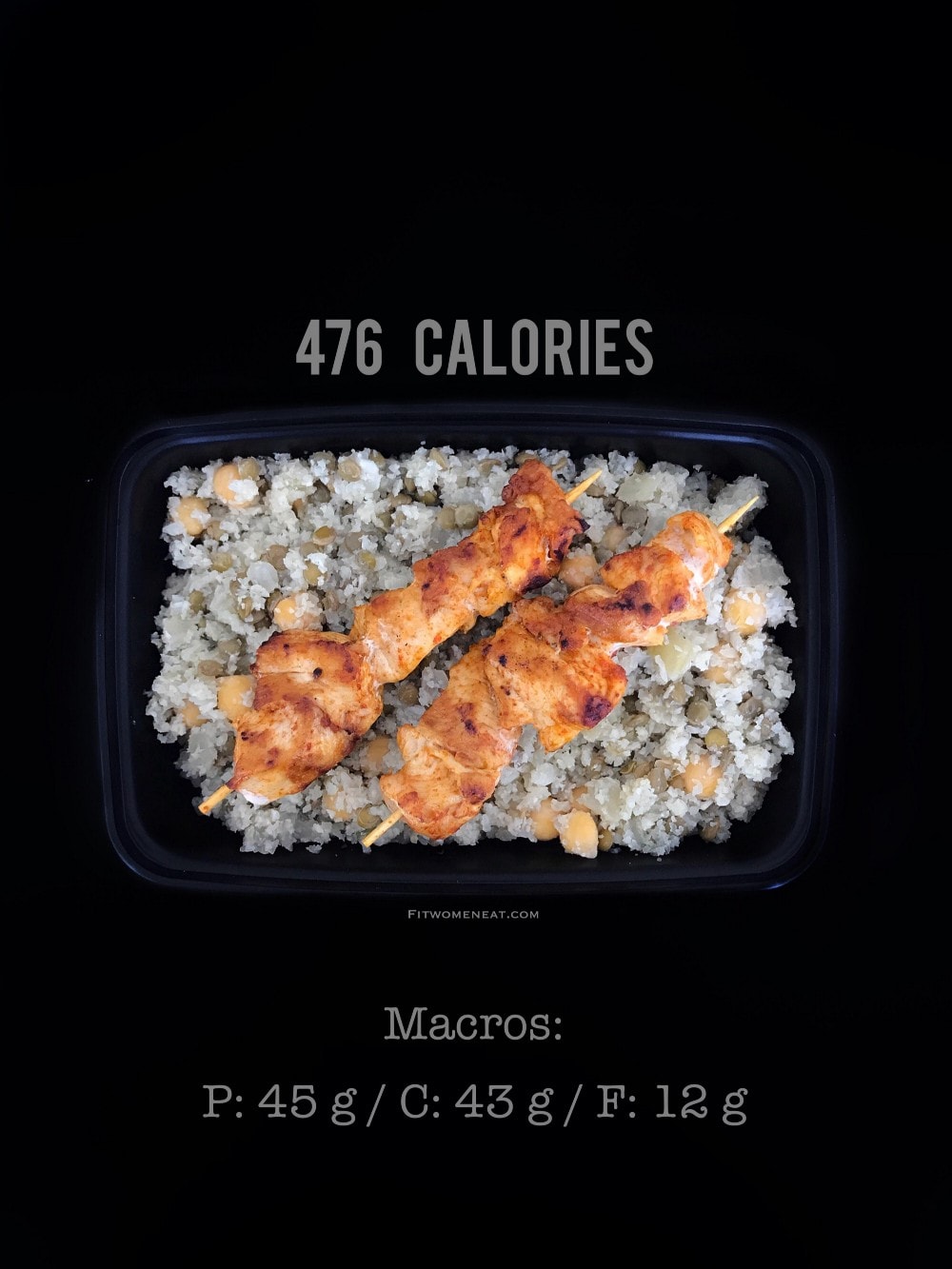
Cauliflower Fried Rice with Legumes and Chicken Shish Kabobs
This recipe showcases a fusion of flavors and textures, offering a healthy and protein-packed meal. Tender chicken pieces, marinated and grilled as shish kabobs, are served alongside a vibrant cauliflower fried rice. The fried rice, made with finely chopped cauliflower florets, provides a lower-carbohydrate alternative to traditional rice. The inclusion of legumes adds an extra boost of protein and fiber, making this a nutritionally dense and satisfying option. The entire meal can be prepared in approximately 20 minutes, highlighting its efficiency for busy individuals.
Chicken Teriyaki Skewers
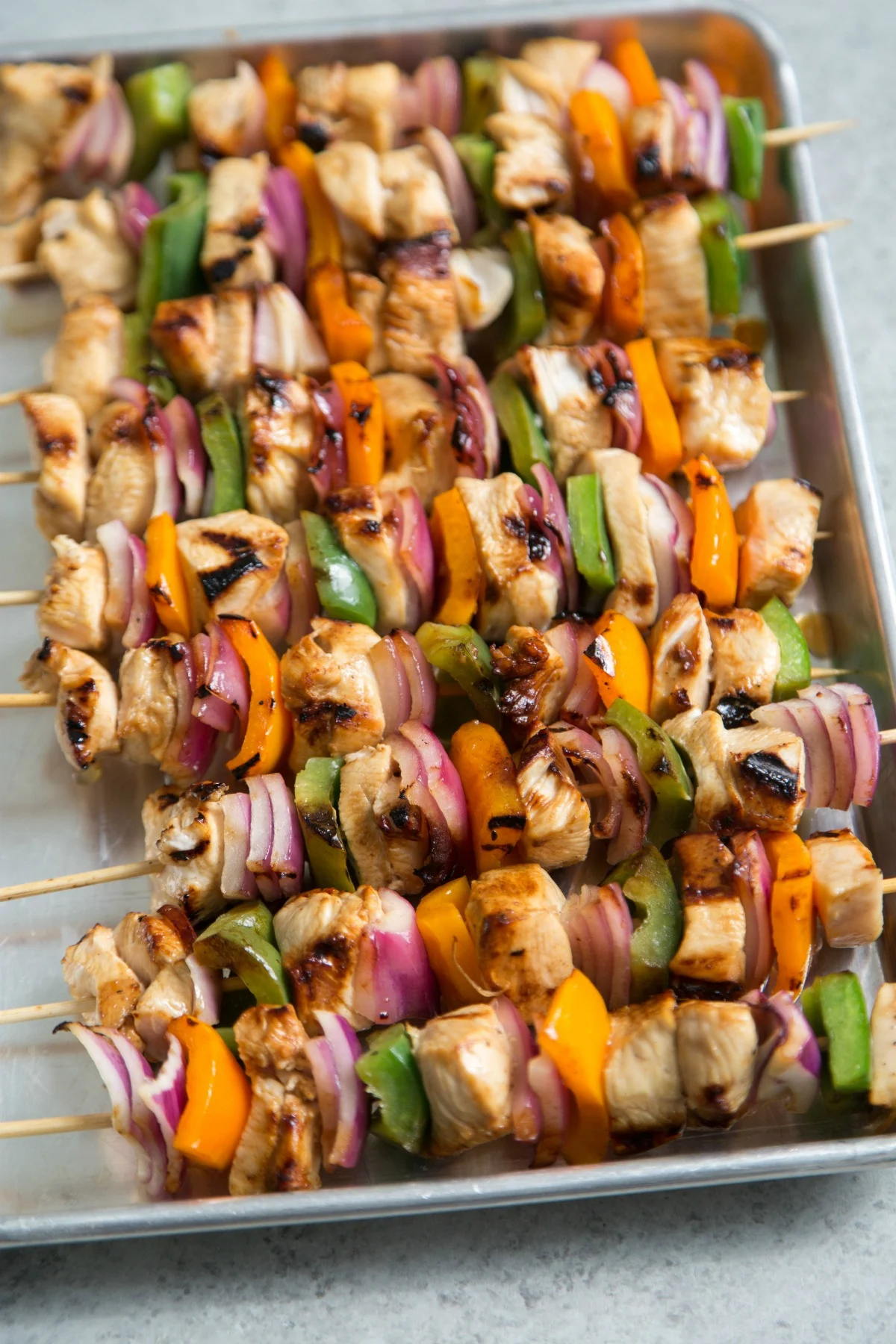
The appeal of teriyaki lies in its sweet and savory glaze, which perfectly coats grilled chicken. This recipe emphasizes the ease of preparation, with bite-sized chicken pieces marinated in a paleo-compliant teriyaki sauce for 30 to 60 minutes before grilling. The simplicity of the marinade and the quick cooking time of chicken make these skewers an excellent choice for a weeknight meal or a casual gathering. The inherent umami flavor of teriyaki sauce pairs exceptionally well with the tender chicken.
Classic Beef, Mushroom, and Onion Kabob
A timeless combination, this kabob features marinated steak cubes grilled with earthy mushrooms and sweet, caramelized onions. This trio is a testament to the power of simple, high-quality ingredients. The tender steak, the savory mushrooms, and the slightly sweet, charred onions create a harmonious flavor profile that is both comforting and satisfying. These kabobs are versatile enough to serve as a hearty appetizer, a flavorful snack, or a complete dinner entrée.
Citrus-Marinated Beef Top Sirloin and Fruit Kebabs
This innovative recipe challenges conventional notions by pairing the savory richness of beef with the bright sweetness of fresh fruit. Beef top sirloin, marinated in a citrus blend, is skewered with fruits such as pineapple, oranges, or even berries. The acidity of the citrus marinade tenderizes the beef and imparts a subtle tang, while the grilling process caramelizes the natural sugars in the fruit, creating a delightful sweet and savory contrast. This combination, recognized by the American Heart Association, offers a unique and healthy twist on traditional kabobs.
The Broader Impact: Kabobs and the Meal Prep Movement
The popularity of kabobs is intrinsically linked to the growing meal prep movement. As more individuals seek to manage their diets, save time, and control their food intake, the convenience and flexibility of kabobs have made them a go-to option. The ability to prepare multiple days’ worth of lunches or dinners in advance significantly reduces the stress associated with daily cooking. Furthermore, the customizable nature of kabobs allows individuals to tailor their meals to specific nutritional goals, whether it’s high protein, low carb, or plant-based. This adaptability makes kabobs a powerful tool for sustained healthy eating habits.
The trends observed in kabob preparation also reflect broader shifts in culinary preferences, including a greater interest in global flavors and a willingness to experiment with different protein sources and dietary approaches. The inclusion of recipes that cater to keto, paleo, and Whole30 diets, as well as vegetarian options, underscores the diverse needs of today’s consumers. This culinary inclusivity ensures that the art of the kabob continues to evolve, offering something delicious and nutritious for everyone.
Frequently Asked Questions About Kabobs
-
What are the best ingredients for kabobs?
The ideal kabob ensemble typically includes a primary protein source, a selection of vibrant vegetables, and occasionally fruit for an added layer of flavor. Popular protein choices range from chicken, beef, and shrimp to salmon and other firm fish. For vegetables, common and effective choices include bell peppers, onions, zucchini, mushrooms, and cherry tomatoes. The critical factor in selecting ingredients is ensuring that they have compatible cooking times, so all components reach their optimal doneness simultaneously on the grill. -
How do you keep kabobs from sticking to the grill?
Preventing kabobs from adhering to the grill grates is a common concern for grill masters. A two-pronged approach is most effective: first, lightly oil both the grill grates and the kabobs themselves before they make contact with the heat. Second, ensure the grill is thoroughly preheated. The intense heat creates a sear on the food, which helps to release it from the grates. For wooden skewers, soaking them in water for at least 30 minutes is essential to prevent them from burning and sticking. -
Should I soak wooden skewers before grilling?
Yes, absolutely. Soaking wooden skewers is a non-negotiable step for safe and effective grilling. Submerging them in water for a minimum of 30 minutes prevents them from becoming dry and brittle, which can lead to them catching fire or burning too quickly. This allows the food on the skewer to cook properly before the skewer itself is compromised. Metal skewers are a durable, reusable alternative that do not require this preparatory step.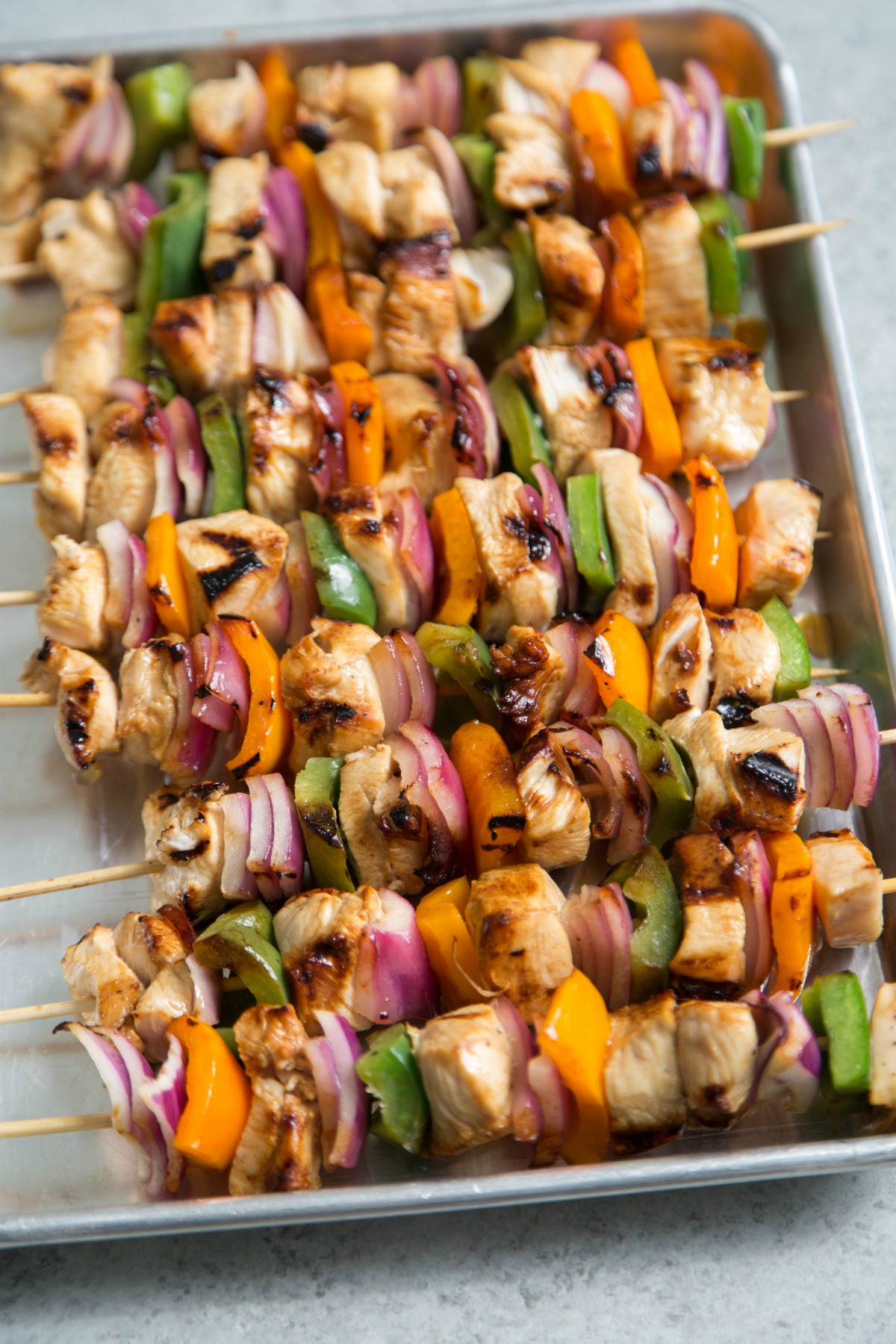
-
Can I meal prep kabobs ahead of time?
Indeed. Kabobs are an excellent candidate for meal preparation, particularly during warmer months. They can be fully assembled up to 24 hours in advance. The key is to store them properly, covered tightly, in the refrigerator until you are ready to grill them. This allows the flavors to meld further and ensures a quick and easy cooking process when mealtime arrives.
By understanding the fundamentals of grilling and embracing the versatility of ingredients, kabobs remain a quintessential summer dish, offering a delightful fusion of flavor, nutrition, and convenience.